
The Temple of Dush: A formidable Archaeological Marvel
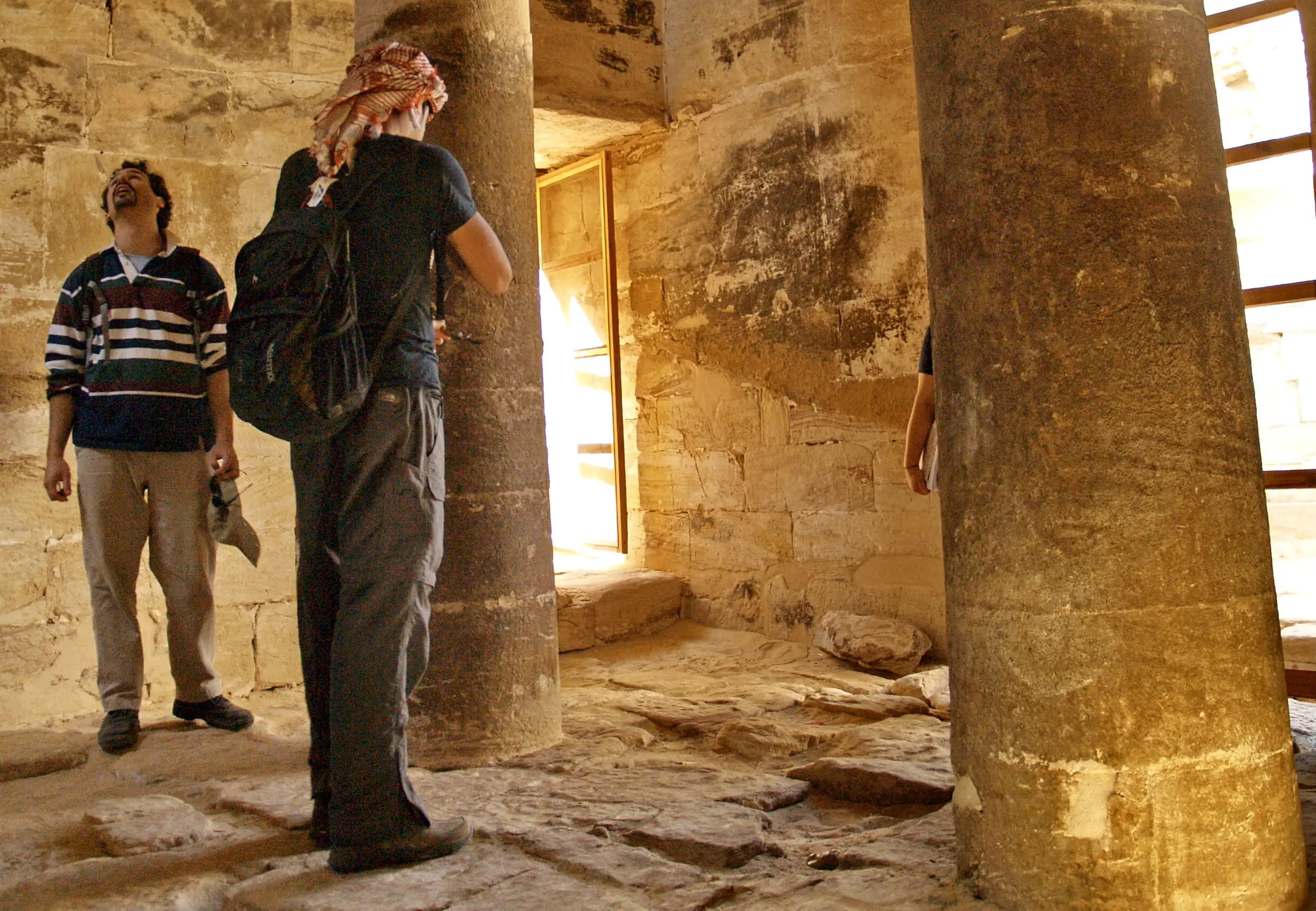
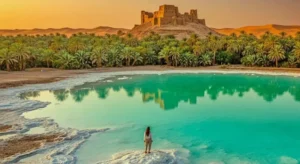
Deep within the southern expanses of the Kharga Oasis, where the unforgiving sands of Egypt’s Western Desert meet the ancient tracks of legendary trade routes, sits a formidable archaeological marvel. This is Qasr Dush, home to the majestic Temple of Dush. Located roughly 120 kilometers south of Al-Kharga city, this remote site stands as a powerful testament to the far-reaching grip of the Roman Empire and its fascinating cultural synthesis with the land of the pharaohs.
Temple of Dush: A Roman Sentinel on the Desert Frontier
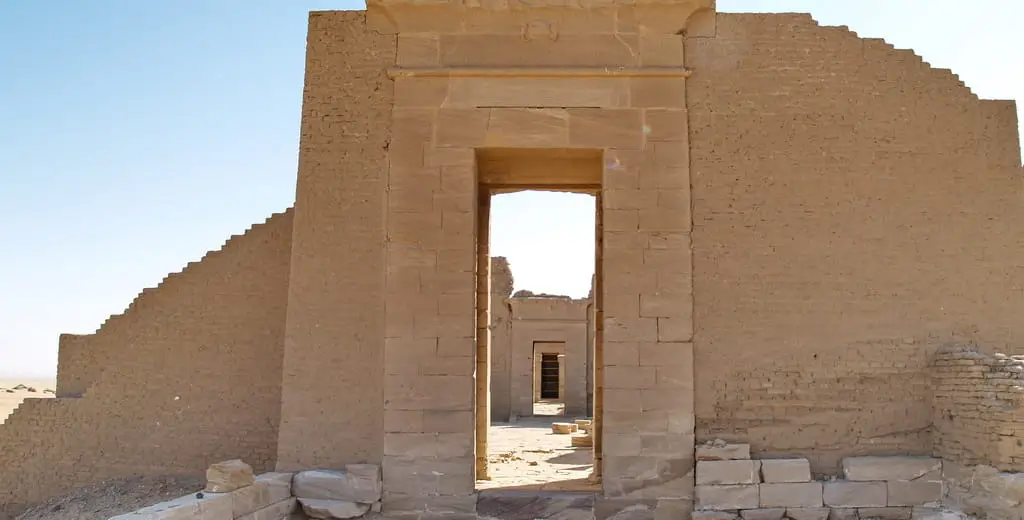
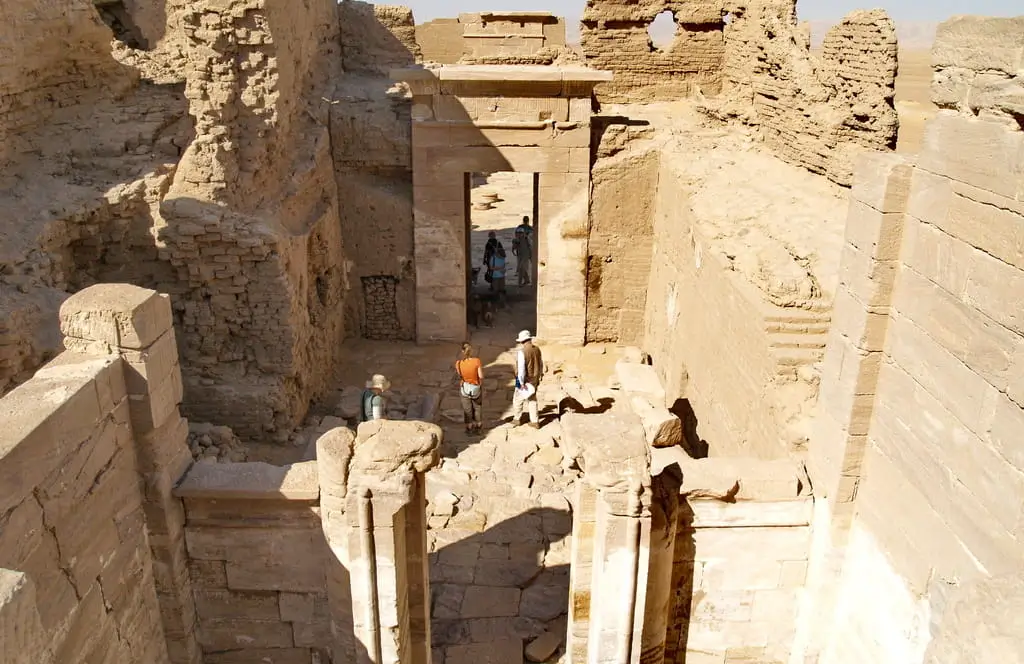
Unlike many of Egypt’s Nile Valley monuments that celebrate classical pharaonic dynasties, the Temple of Dush is a product of the Roman Period (1st–2nd centuries CE). During this era, the ancient settlement—known to the classical world as Kysis—served as a vital, heavily fortified imperial border town. The temple complex is structurally unique because its elegant, central stone sanctuary is entirely encased within a towering, massive mudbrick fortress designed to withstand the volatile geopolitics of the desert frontier.
Temple of Dush: Emperor-Pharaohs and Hidden Treasures
At Dush, the world’s most powerful Roman emperors—including Domitian, Trajan, and Hadrian—willingly stepped into the spiritual shoes of Egyptian pharaohs. They funded, expanded, and carved their names into this remote outpost to win the favor of local populations and secure their imperial trade borders.
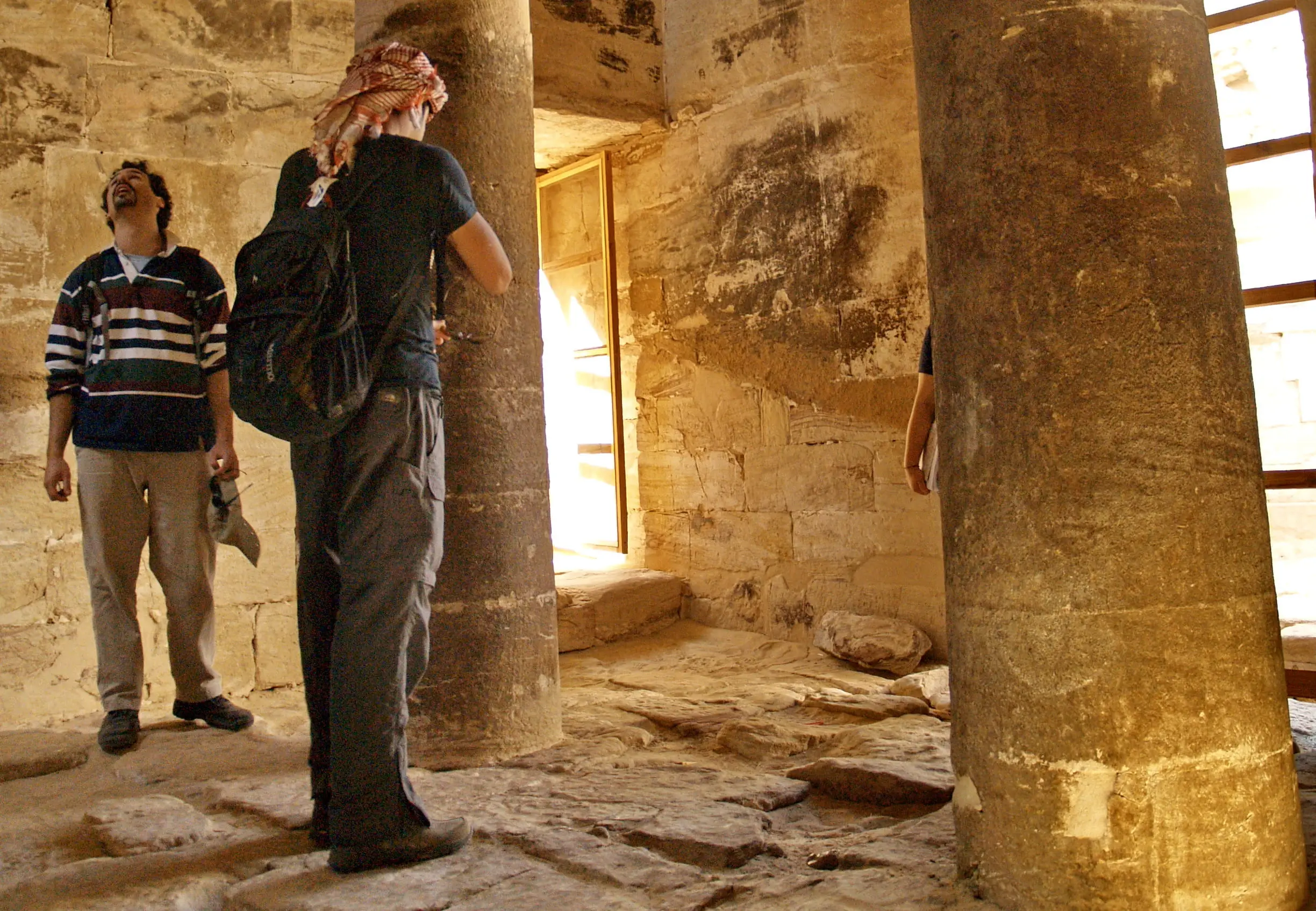
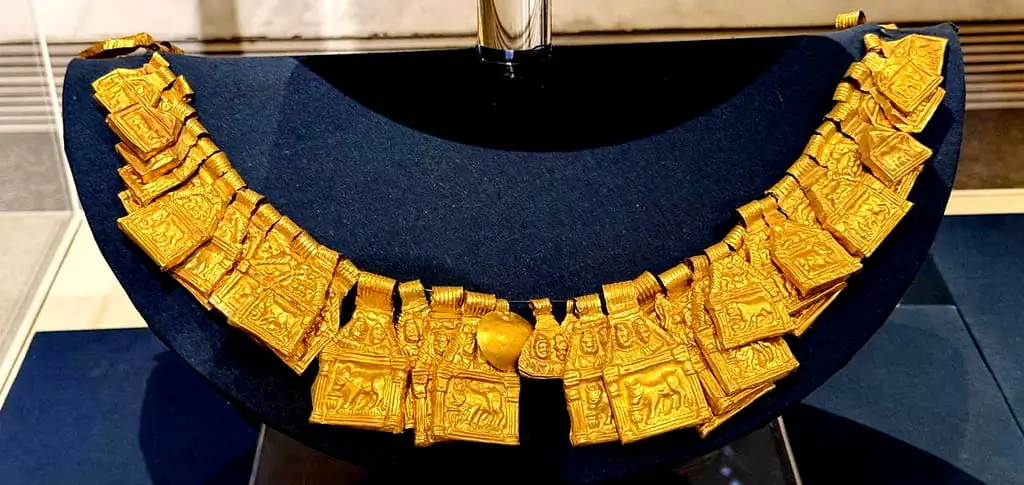
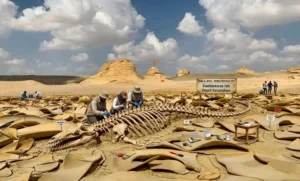
For centuries, the site guarded its secrets well. It wasn’t until the late 20th century that archaeologists uncovered its most shocking secret: a spectacular, hidden cache of Roman-era gold known globally as the Dush Gold Hoard. Today, walking through the towering ruins of Qasr Dush offers a thrilling glimpse into a world of military might, rich desert commerce, and deep spiritual devotion.