The King Who Defied the Gods
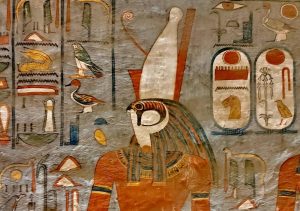
For over three millennia, Egypt’s pharaohs dedicated their lives to Ma’at—the ancient concept of cosmic order, balance, and tradition. Rulers consistently built upon their ancestors’ achievements, worshipped a shared pantheon of gods, and governed from established religious capitals. However, one king shattered this 1,500-year-old mold in less than two decades. Known to history as King Akhenaten, he ruled during the 18th Dynasty (c. 1353–1336 BC) and stands today as the controversial “Heretic King.”
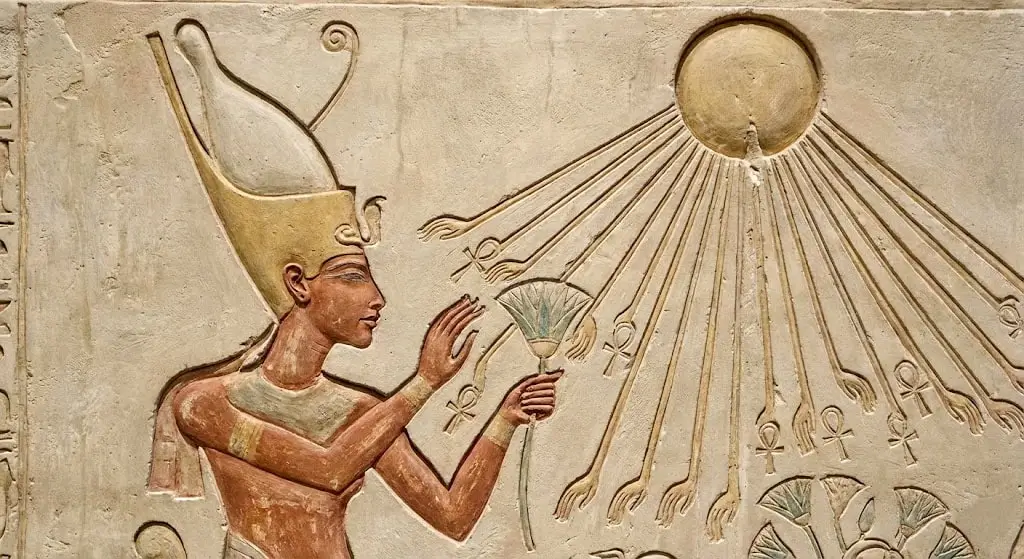
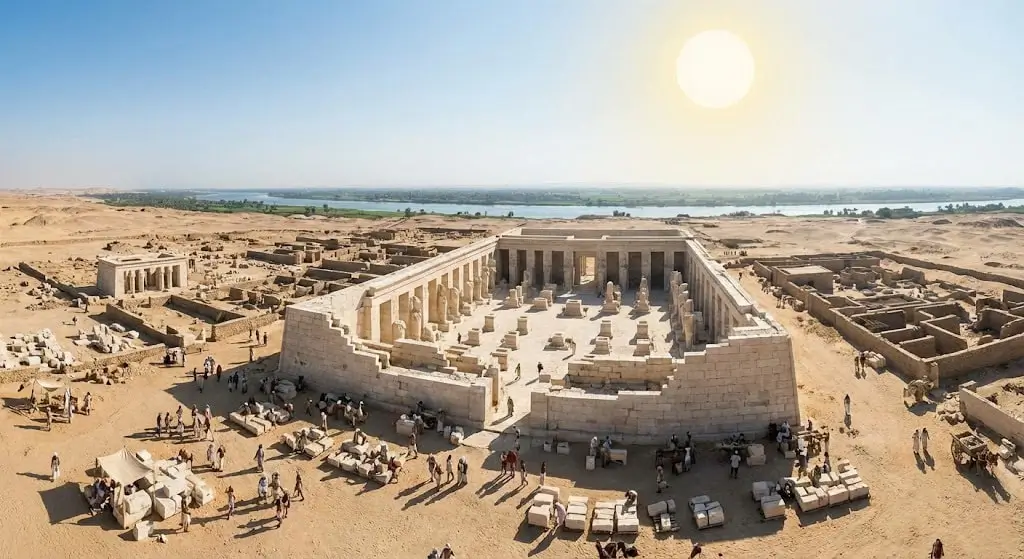
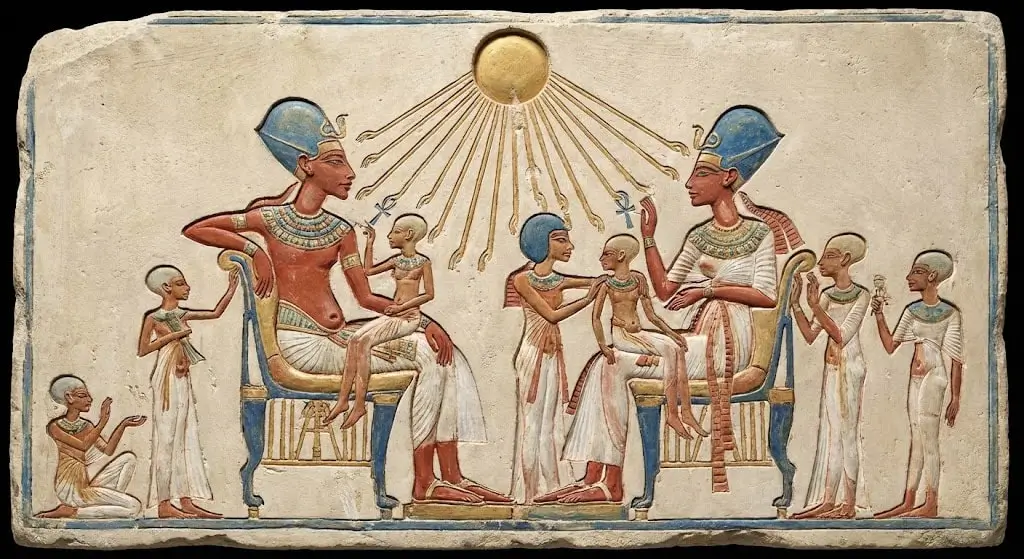
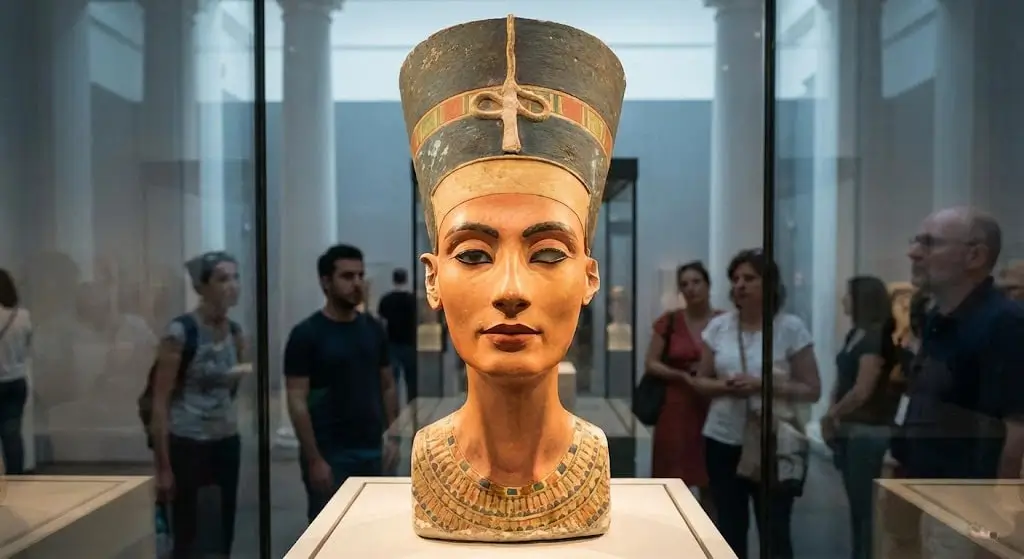
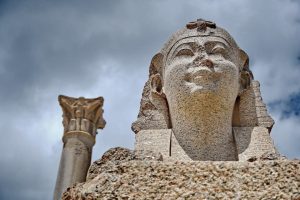
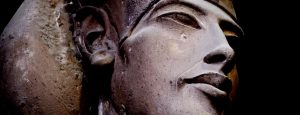
Akhenaten challenged Egypt’s most powerful institution: the priesthood of Amun. In a radical departure from the polytheism that defined the Nile Valley, he outlawed the traditional gods, closed their temples, and proclaimed that only one divinity deserved worship—the Aten, the visible sun disk. Furthermore, Akhenaten’s revolution extended beyond religion. He uprooted the royal court from Thebes and established a new capital at a virgin site in the desert, known today as Amarna. Simultaneously, he introduced a startling artistic style, replacing rigid, idealized royal portraits with fluid, naturalistic, and often shocking depictions of himself and his family.
A Legacy Erased and Rediscovered

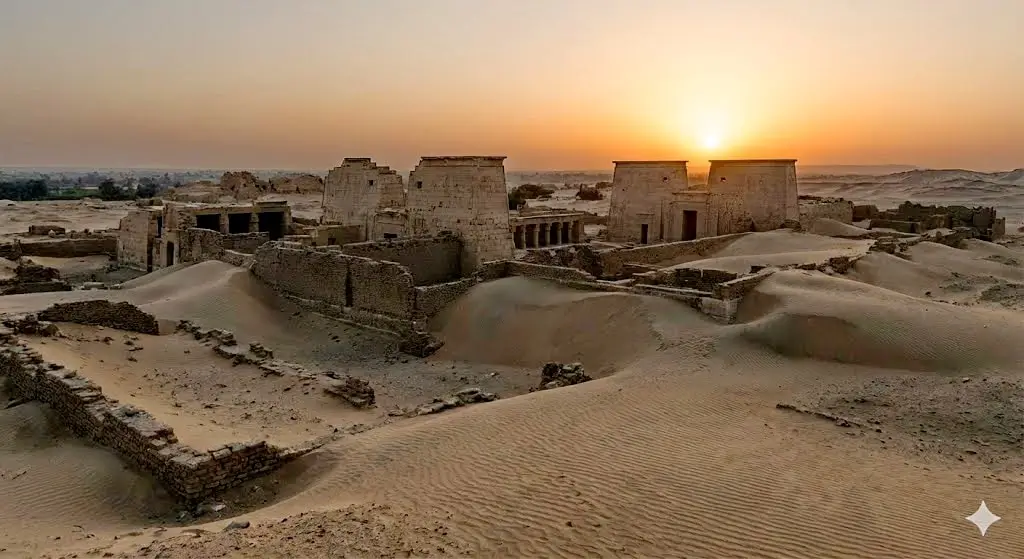
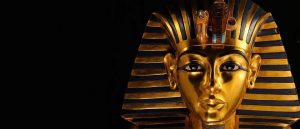
Despite exercising immense power during his reign, Akhenaten failed to secure his revolution’s future. Immediately following his death, his successors—including his famous son, Tutankhamun—worked tirelessly to reverse these changes. His enemies toppled his statues, chiseled his name off monuments, and abandoned his city to the desert sands. Ancient scribes attempted to wipe him from history entirely, referring to him only as “The Enemy from Akhetaten.”
For centuries, these efforts succeeded. Archaeologists only rediscovered his lost city in the 19th century, finally piecing together the narrative of the king who tried to touch the sun. This article explores the life of King Akhenaten, the ruler who nearly destroyed his own dynasty to build a new world.