Building a Modern State: Cotton, Canals, and Conscription
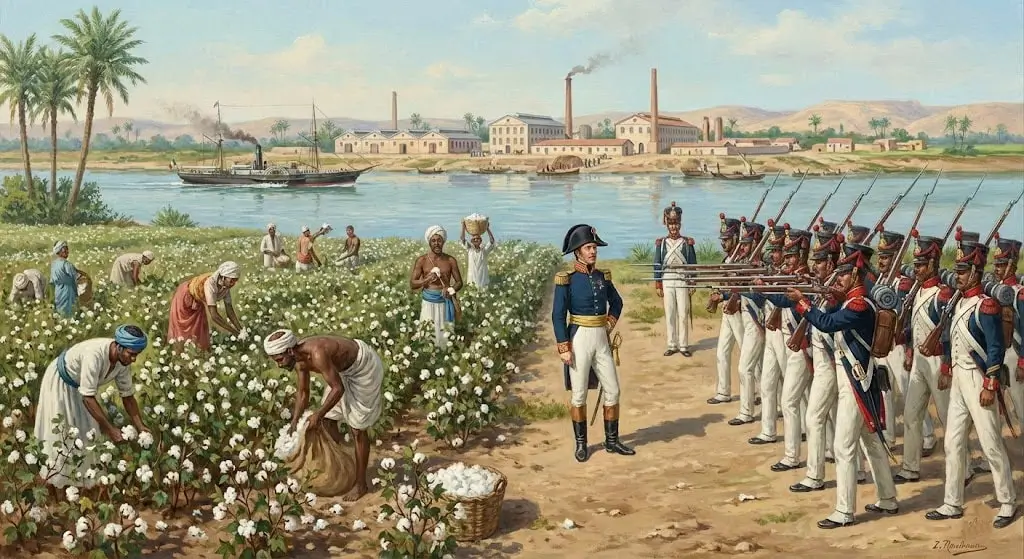
With his enemies destroyed, Muhammad Ali turned his ruthless efficiency toward a new goal: building a modern empire. He realized that to survive against European powers, Egypt needed a strong economy and a Western-style military.
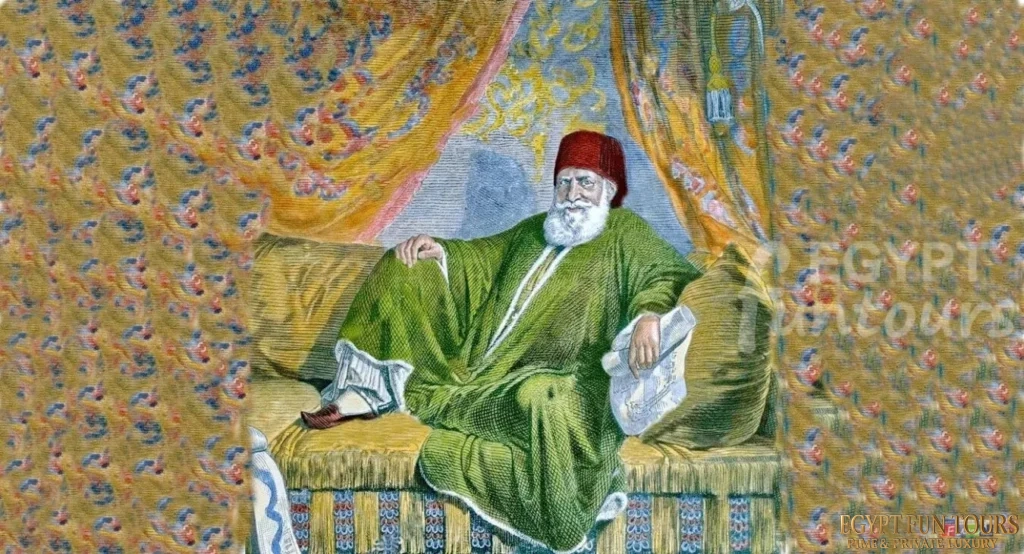
Muhammad Ali Pasha: The Cotton Revolution
His most lasting economic reform was the introduction of long-staple cotton. Recognizing its value in European textile mills, he ordered farmers to switch from subsistence crops to cotton. He then monopolized the trade, buying the cotton at fixed low prices and selling it abroad at a massive profit. This “white gold” generated the immense wealth needed to fund his other ambitions.
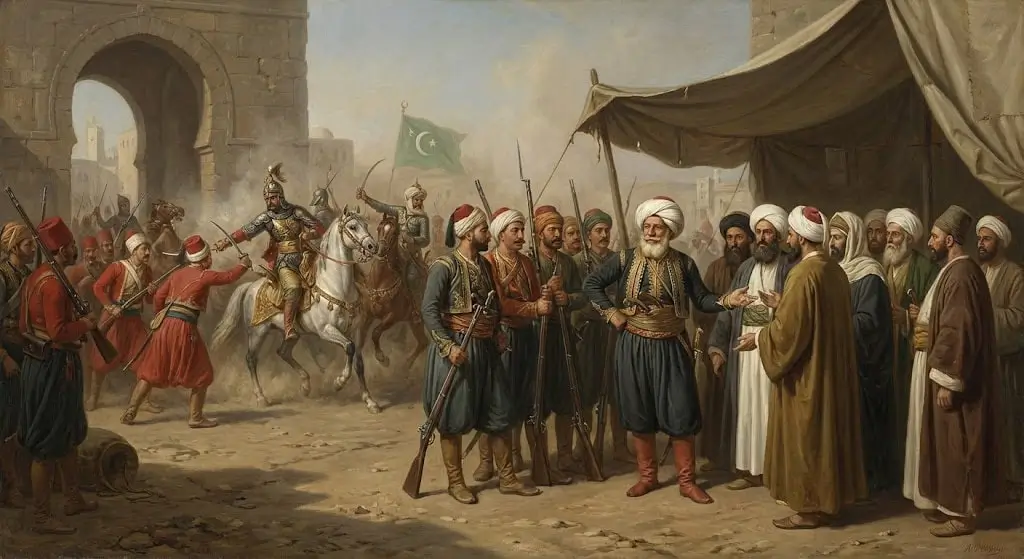
Muhammad Ali Pasha: The New Army (Nizam al-Jadid)
To protect his wealth, he needed a new kind of army. He abandoned the old system of unruly mercenaries. Instead, he instituted conscription, forcing Egyptian peasants into service. He hired veteran French officers from Napoleon’s army to train them in modern tactics. This created the Nizam al-Jadid (New Order), a disciplined, professional fighting force that would soon terrorize the Ottoman Sultan himself.
Education and Industry
Finally, he knew he needed knowledge. He sent missions of Egyptian students to France and Italy to study engineering, medicine, and military science. Simultaneously, he built factories to produce weapons, textiles, and ships locally, aiming to make Egypt entirely self-sufficient.
The Empire Builder: Expanding the Borders
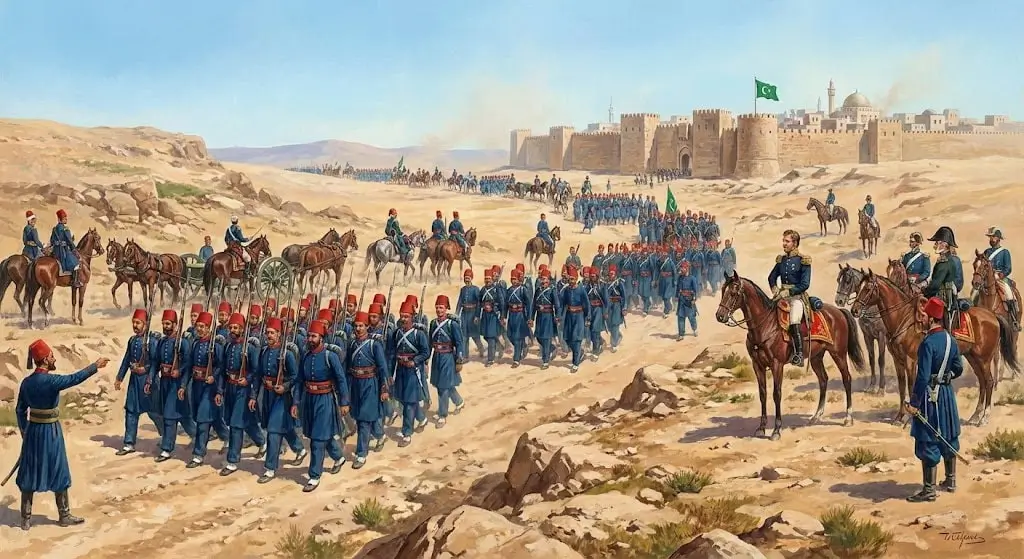
With a modern army at his command and a booming economy fueling his ambitions, Muhammad Ali Pasha looked beyond Egypt’s borders. He was not content to remain a mere governor; he wanted to build an empire that rivaled the Ottomans themselves.
Muhammad Ali Pasha: The Arabian and Sudanese Campaigns
Initially, he fought on behalf of the Ottoman Sultan. His forces marched into the Arabian Peninsula to crush the Wahhabi rebellion, successfully recapturing the holy cities of Mecca and Medina. This victory granted him immense prestige in the Islamic world.
Next, he looked south. Seeking gold and recruits for his army, he invaded Sudan in 1820. Although he did not find the mountains of gold he hoped for, he established the city of Khartoum and brought the vast Sudanese territories under Egyptian control for the first time in centuries.
Challenging the Sultan: The Invasion of Syria
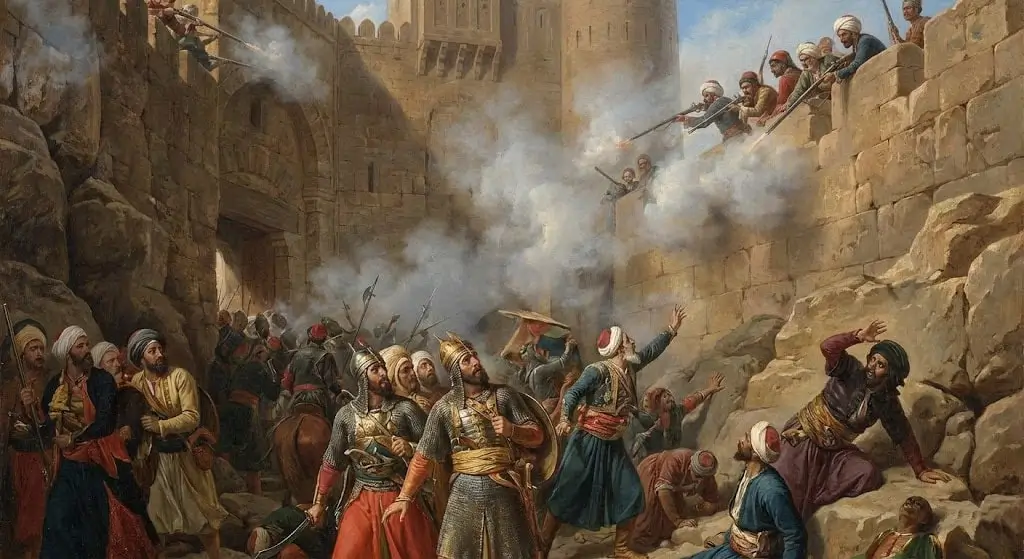
His most audacious move, however, was turning against his own master. Feeling that the Ottoman Sultan had not rewarded him sufficiently, Muhammad Ali sent his brilliant son, Ibrahim Pasha, to invade Syria (modern-day Syria, Lebanon, and Palestine).
The Egyptian army was unstoppable. They swept through the Levant and marched deep into Turkey, reaching within a few days’ march of Istanbul itself. The Ottoman Empire was on the brink of collapse. Only the intervention of European powers (Britain and France), who feared a powerful new Egyptian empire would destabilize the region, forced Muhammad Ali to stop. He settled for hereditary rule over Egypt, securing his dynasty’s future.