
Sheikh Abd el-Qurna: The Artistic Heart of the Nobles’ Necropolis
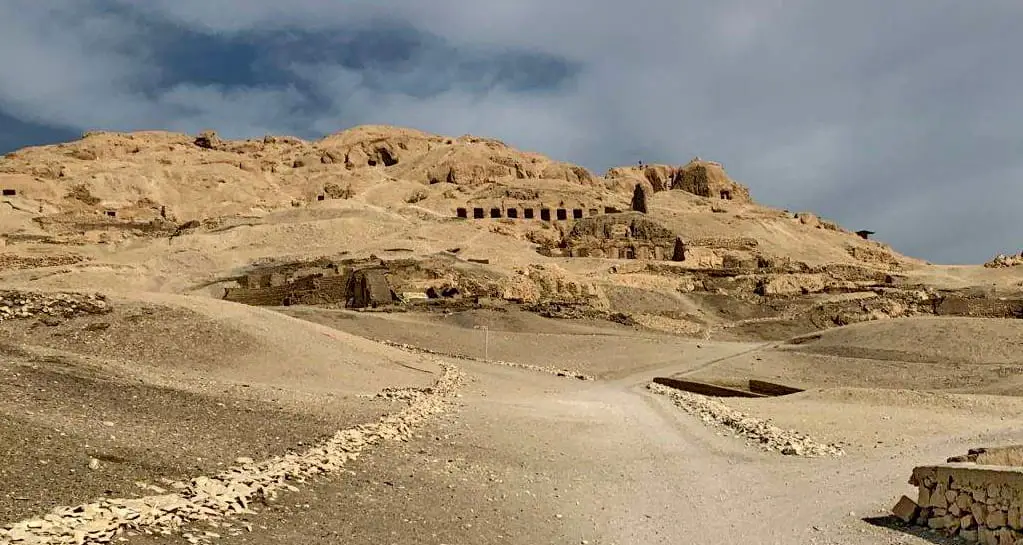
The Sheikh Abd el-Qurna tombs represent the highest achievement of private funerary art in ancient Luxor. By focusing your visit on this specific hillside, you gain access to a world where history feels personal, vibrant, and surprisingly modern. Whether you are marveling at the “Vineyard Ceiling” in the tomb of Sennefer or tracing the artistic revolution in the tomb of Ramose, these sites provide a depth of experience that the larger royal valleys simply cannot match. Moreover, the panoramic views from the hill and the intimate nature of the decorated chambers ensure that the Sheikh Abd el-Qurna tombs remain a standout highlight of any luxury Egypt itinerary.
Guide to the Tomb of Ramesses VI (KV9): A Journey Through the Heavens
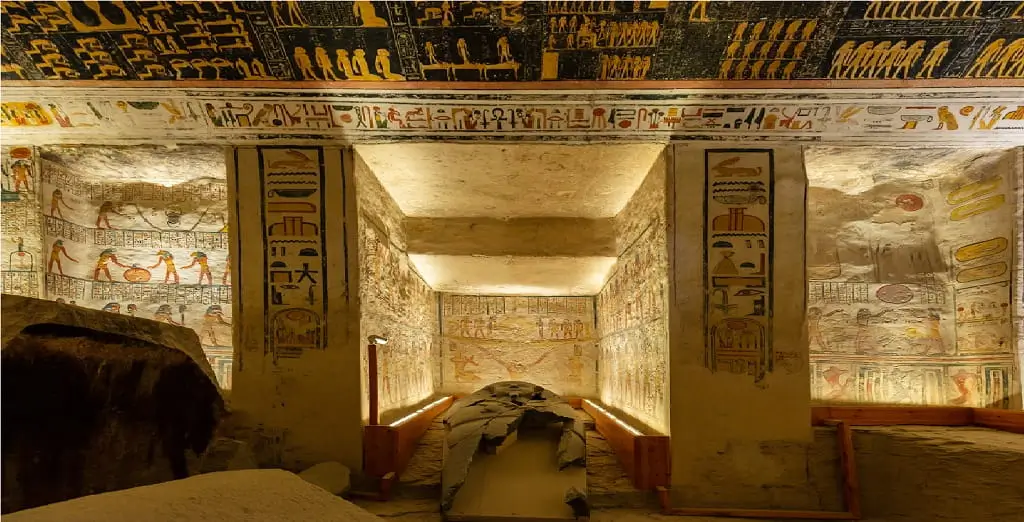
The Tomb of Ramesses VI (KV9) serves as a vibrant subterranean library and remains one of the most visually stunning sites in the Valley of the Kings. Renowned for its impeccable color preservation, this “double tomb” offers an exhaustive journey through ancient theology, showcasing nearly every major funerary text. The undeniable highlight is the burial chamber’s vaulted ceiling, where the goddess Nut stretches across the stars in a breathtaking depiction of cosmic rebirth. Furthermore, the historical irony of its construction—which accidentally hid Tutankhamun’s tomb for millennia—makes KV9 an essential highlight for any luxury Luxor tour.
Guide to the Tomb of Seti I (KV17): Egypt’s Most Spectacular Masterpiece
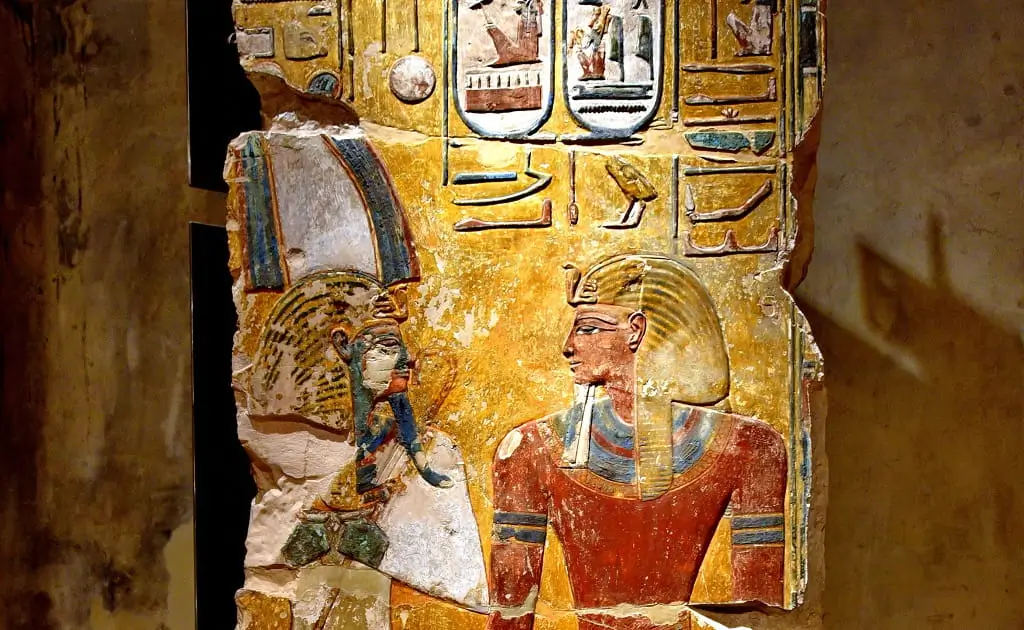
The Tomb of Seti I (KV17) stands as the crown jewel of the Valley of the Kings, renowned for its unparalleled scale and vibrant raised bas-reliefs. As the most deeply excavated and lavishly decorated site in the necropolis, it offers an exclusive look at the masterpiece of 19th Dynasty artistry, including its world-famous astronomical ceiling. For the discerning traveler, this “Special Entry” tomb provides a profound, quiet encounter with the ancient Egyptian afterlife that remains unmatched in both beauty and historical significance.
Pharaoh Merneptah: The Warrior Successor and the Secret of the Israel Stele
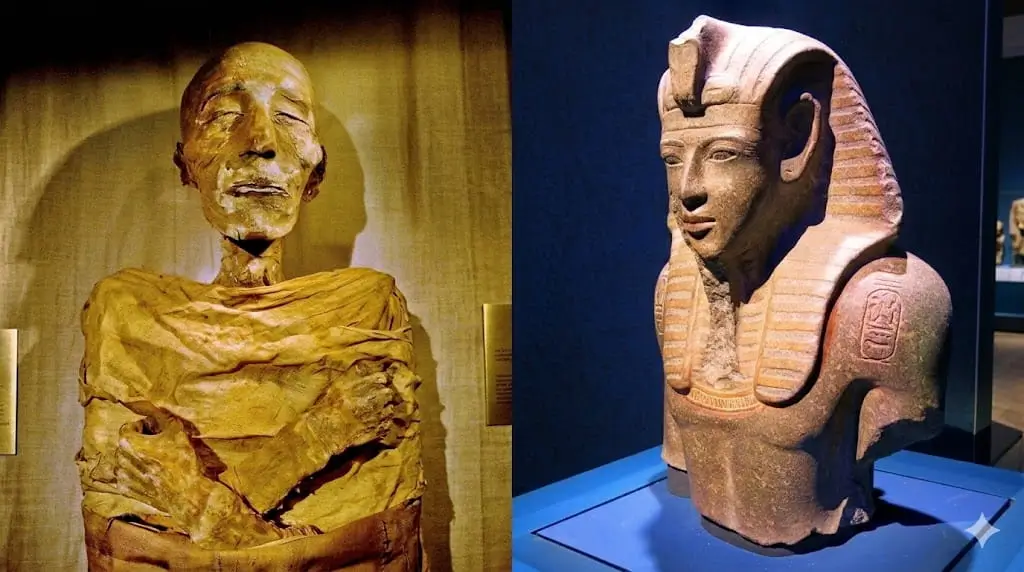
Pharaoh Merneptah was the 13th son and successor of Ramesses II. His ten-year reign is famous for the Israel Stele, the first historical mention of Israel, and his decisive victory over a coalition of Libyans and Sea Peoples. His tomb, KV8, is one of the largest in the Valley of the Kings, showcasing the monumental scale of late 19th Dynasty architecture. As a ruler who ascended the throne in his 60s, he successfully maintained Egypt’s imperial integrity during a period of transition and global unrest.
The Temple of Esna: The Sanctuary of Khnum and its Astronomical Secrets
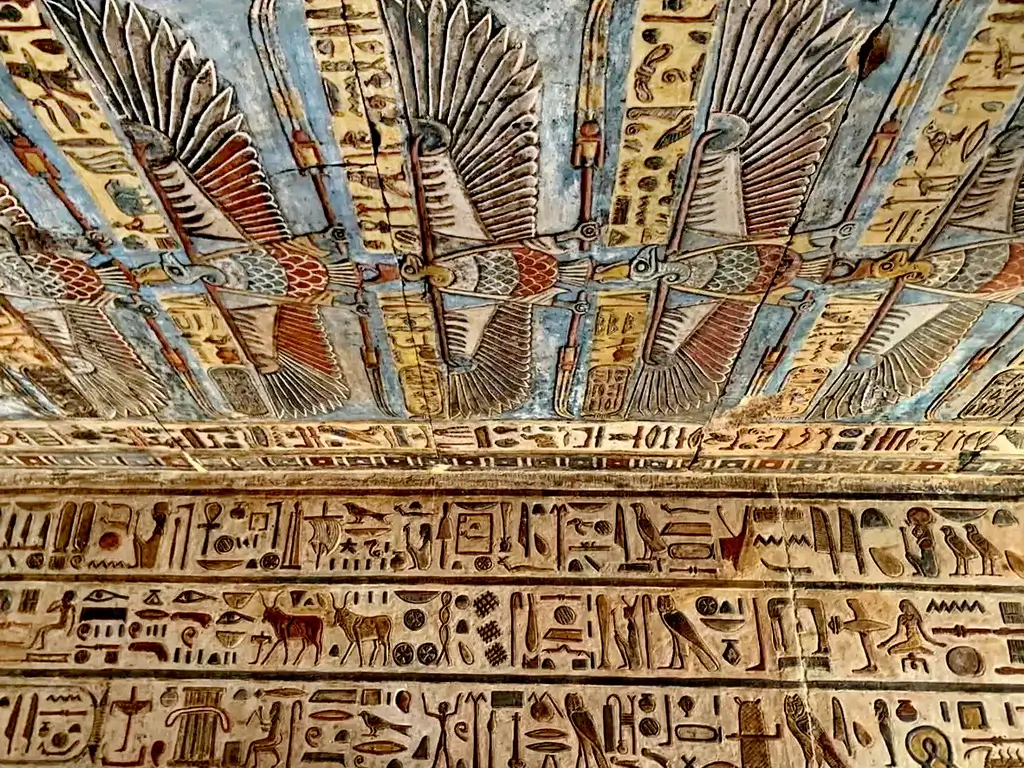
The Temple of Esna (Temple of Khnum) is a premier example of Roman-Egyptian architecture. It is most famous for its 24 massive columns with unique floral capitals and its recently restored astronomical ceiling, which revealed vibrant original colors. As the site of the last known hieroglyphic inscriptions in Egypt, it serves as an essential historical link between the Pharaonic past and the Greco-Roman world.
The Tomb of Merefnebef at Saqqara: A Complete Guide to the Vizier’s Masterpiece
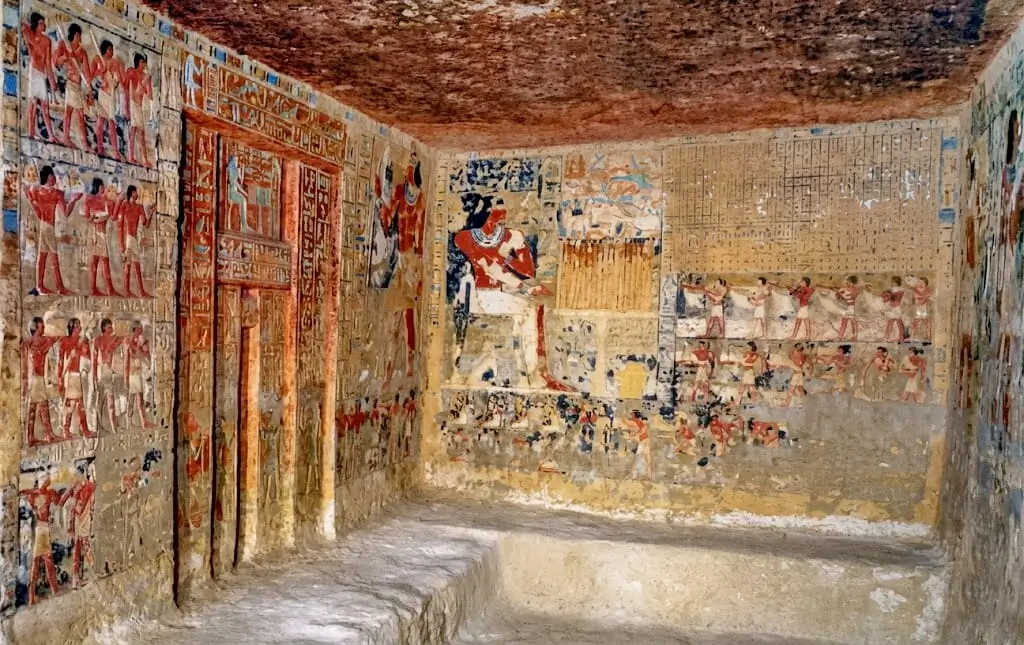
The Tomb of Merefnebef (Fefi) is a masterclass in Sixth Dynasty funerary art and architecture. Famous for its maze-like multi-room layout and its intimate, narrative-driven reliefs, the tomb offers a rare look at the life of a high-ranking Vizier. From its 1997 discovery to its unique depictions of family and daily life, the complex stands as one of the most significant and well-preserved private monuments in the Saqqara necropolis.
The Tomb of Khuwy in Saqqara: A Complete Guide to the Fifth Dynasty
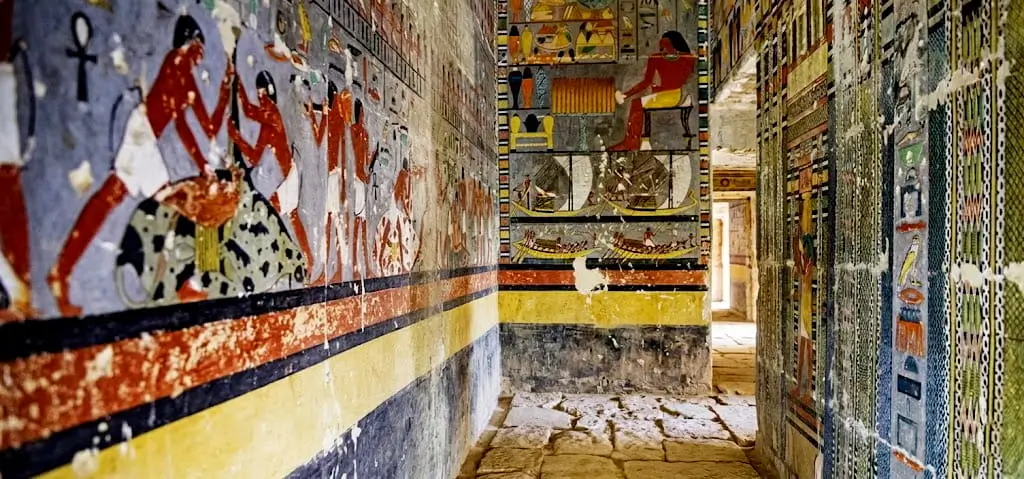
The Tomb of Khuwy is a revolutionary Fifth Dynasty discovery in Saqqara, famous for its exceptionally vivid 4,400-year-old pigments. Its unique L-shaped architecture and royal-style substructure reflect the immense influence of the nobleman Khuwy during the reign of Djedkare Isesi. Today, it stands as a premier example of Old Kingdom artistry and a vital link to understanding the shifting social hierarchies of ancient Egypt.
The Tomb of Hekashepes: Unveiling the Golden Secret of Saqqara
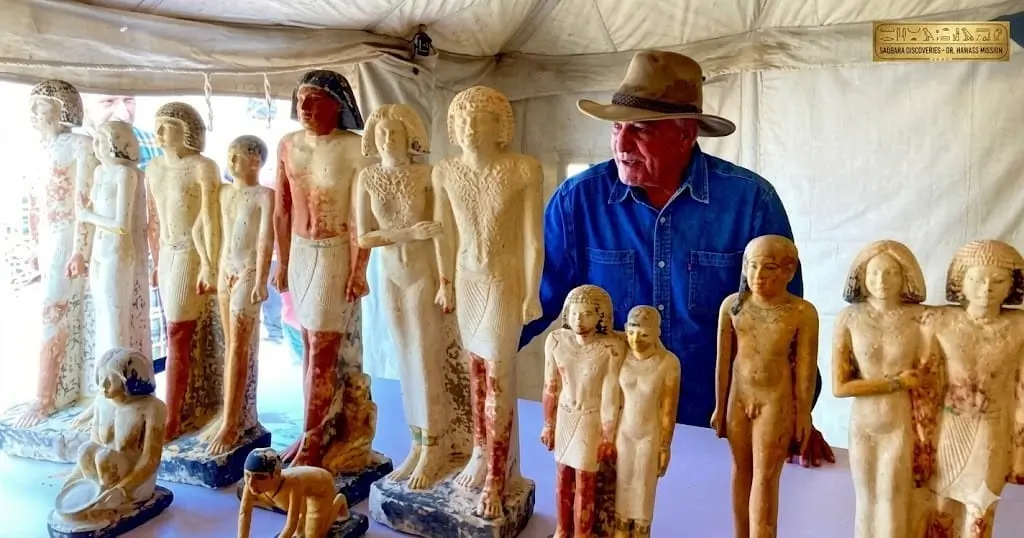
The Tomb of Hekashepes is a landmark 2023 discovery in Saqqara’s Gisr el-Mudir, revealing a 4,300-year-old limestone sarcophagus that remained sealed since the Old Kingdom. Inside, archaeologists found what is considered the oldest and most complete non-royal mummy ever discovered, remarkably preserved in layers of genuine gold leaf. This find shatters previous timelines of advanced mummification and provides an untainted look into the immense wealth and religious sophistication of Egypt’s elite bureaucracy.
The Mortuary Temples of Ancient Egypt: Mansions of Millions of Years
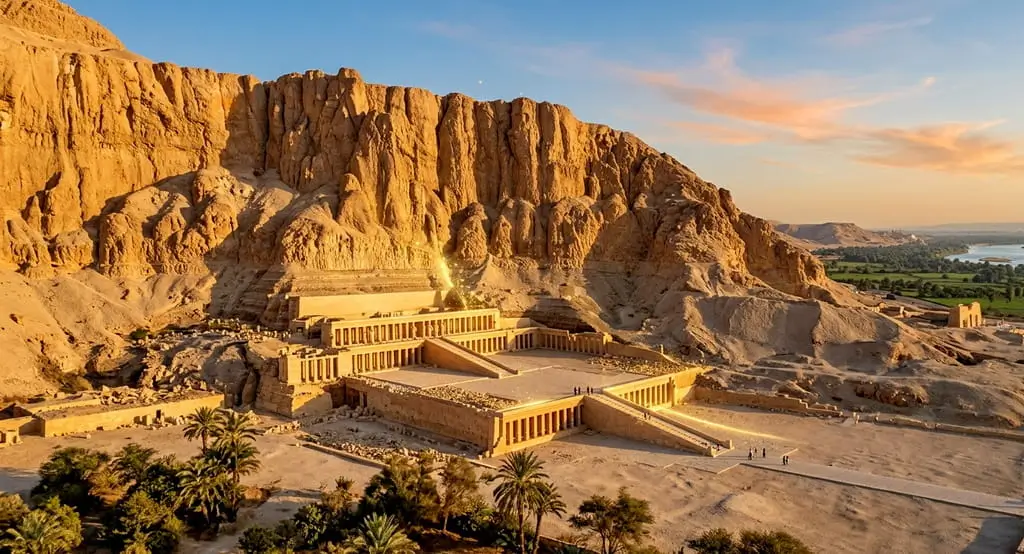
The Mortuary Temple, or “Mansion of Millions of Years,” served as the spiritual and administrative heart of a Pharaoh’s eternal legacy. Unlike a tomb, which was a hidden resting place for the physical body, the mortuary temple was a public monument designed for the continuous worship of the King’s transformed, divine spirit. These massive complexes featured symbolic architecture—such as pylons representing the horizon and hypostyle halls mirroring the primordial marsh of creation—where priests performed daily rituals to sustain the King’s soul with offerings of food and prayer. Beyond their religious role, these temples were vital economic hubs, housing vast granaries and workshops that supported thousands of workers and anchored the local economy for centuries.
The Tomb of Pay and Raia: A Masterpiece of New Kingdom Art at Saqqara
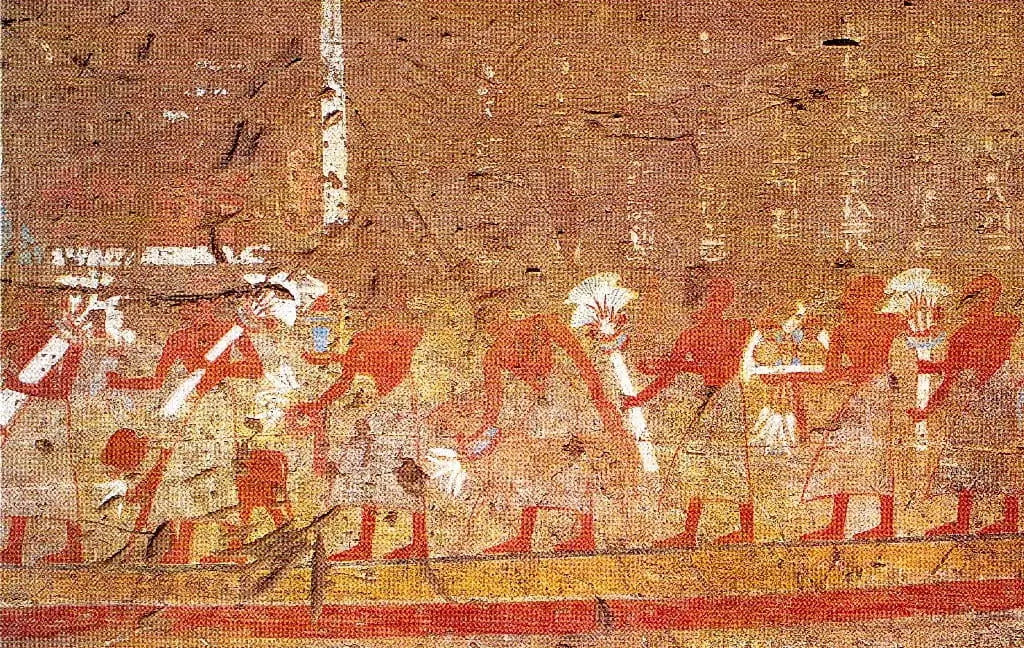
The Tomb of Pay and Raia is a remarkable “temple-tomb” located in the New Kingdom cemetery of Saqqara. Built during the transition after the Amarna period, it serves as the eternal home for two high-ranking officials: Pay, an overseer of the royal household, and his son Raia, a high priest. The structure is famous for its elegant limestone reliefs that blend traditional Egyptian art with the naturalistic style of the late 18th Dynasty. Today, this double tomb offers visitors a unique look at ancient family loyalty and the professional lives of the elite who served Egypt’s most powerful pharaohs.
The Tomb of Ptahemwia: The Amarna Style in Saqqara
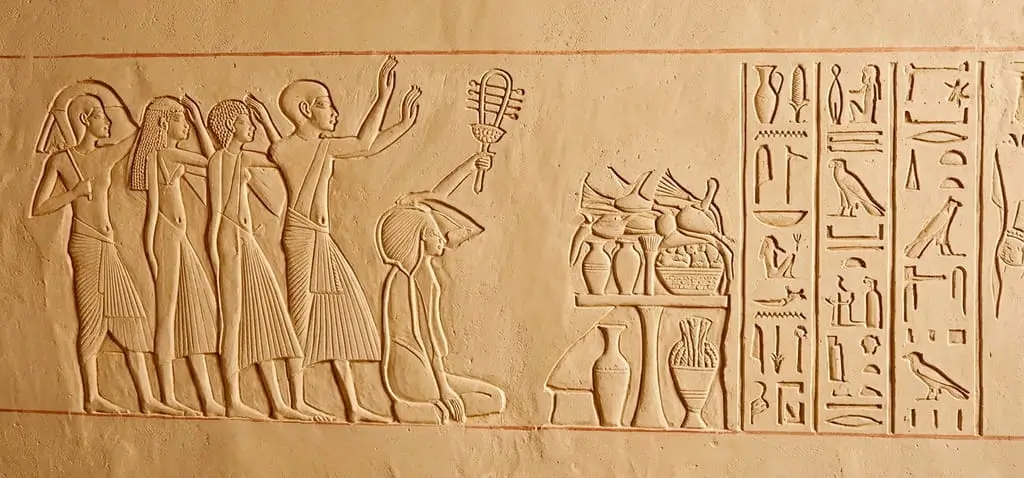
The Tomb of Ptahemwia Royal Butler at Saqqara serves as a vital historical record of the late 18th Dynasty. As a high-ranking courtier to both Akhenaten and Tutankhamun, Ptahemwia occupied a prestigious position that allowed him to witness the rise and fall of the Amarna Period. His “temple-tomb,” rediscovered by a Dutch-Italian mission in 2007, is highly valued for its rare Amarna-style art, which features fluid, naturalistic lines that contrast sharply with traditional Egyptian styles. Today, the site offers travelers and historians a unique window into how royal officials maintained their status and artistic traditions during one of Egypt’s most turbulent cultural shifts.
The Mastaba of Prince Unas-Ankh: Exploring the Life of a Fifth Dynasty Prince
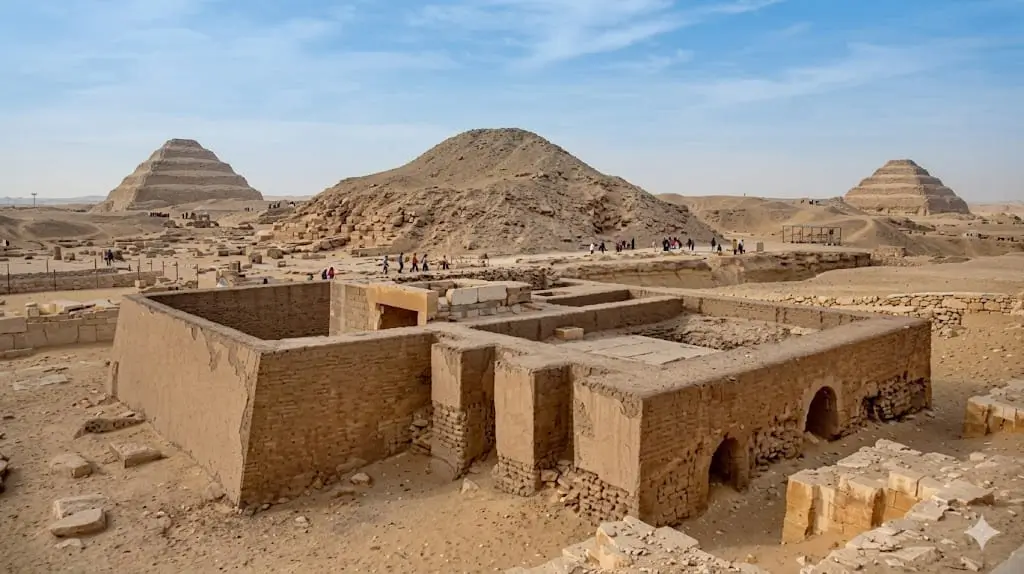
The Tomb of Unas-Ankh serves as a vital historical bridge within the Saqqara Necropolis, marking the transition between the Fifth and Sixth Dynasties. As the eldest son of Pharaoh Unas, the Prince built a sophisticated limestone mastaba featuring vivid reliefs of Nile life and elite offering rituals. His premature death triggered a major succession crisis, making this monument a primary source for understanding the political and artistic evolution of the late Old Kingdom.