The Predynastic Period of Egypt: Guide to the Origins of Civilization

The Predynastic Period of Egypt represents the critical foundation upon which one of history’s greatest civilizations was built. Spanning from roughly 5000 BCE to 3100 BCE, this era saw the transformation of scattered Neolithic farming tribes into a sophisticated, unified nation-state. During these three millennia, ancient Egyptians pioneered the first irrigation systems, developed complex social hierarchies, and invented the world’s earliest known writing system at Abydos. By the time King Narmer formally united the "Two Lands," the cultural, religious, and architectural blueprints for the Pharaonic Age were already firmly in place. Consequently, the Predynastic Period of Egypt is not merely a prelude to the Pyramids, but the essential era of innovation that made the glory of the Pharaohs possible.

Ancient Egypt did not begin with the Great Pyramids. In fact, thousands of years of human struggle and innovation occurred before the first Pharaoh wore a crown. This era is known as the Predynastic Period of Egypt. During this time, early settlers transformed from nomadic hunters into organized citizens. They mastered the Nile’s floods, invented early writing, and built the social foundation for the massive empires that followed.

To understand the gold of King Tut or the stones of Giza, you must first understand these ancient Egypt origins. Let’s step back into the shadows of prehistory to see how the world’s greatest civilization truly began.

The Nile 6,000 Years Ago: A Changing World

The Sahara Desert was once a lush, green grassland. However, around 5000 BCE, the climate shifted, and the rains vanished. As the desert expanded, people migrated toward the only reliable water source: the Nile River.

Consequently, the river valley became a crowded corridor of life. These early pre-dynastic archaeological sites show that people did not just survive here; they thrived. They learned to predict the yearly floods. Furthermore, they began to stay in one place, creating the first permanent villages in Northeast Africa.

The Badarian Culture (c. 4400 – 4000 BCE)

The story of the Predynastic Period of Egypt takes a major leap forward with the Badarian culture. Archaeologists first discovered these people near the modern village of Al-Badari. They represent the oldest known agricultural tradition in Upper Egypt.

Masters of the Kiln

The Badarians were exceptional craftsmen. Specifically, they produced “black-topped” pottery that remains world-famous today. They shaped these vessels by hand because they did not have the potter’s wheel yet. They made the walls of their pots incredibly thin and polished them with stones until they shone.

A Glimpse into the Afterlife

In addition to their pottery, the Badarian people left behind thousands of graves. These burials reveal their deep spiritual beliefs.

  • Orientation: They buried their dead in a fetal position, usually facing the West. This tradition continued for the next 3,000 years.
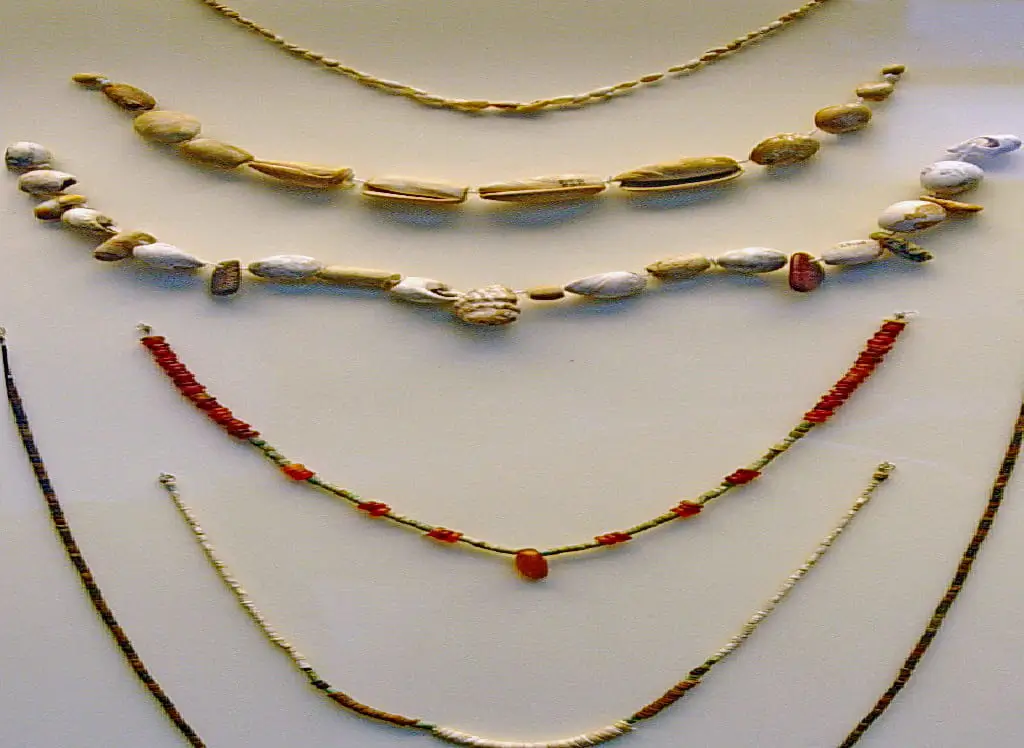
  • Grave Goods: They filled graves with jewelry made of ivory, copper, and even glazed steatite beads.
  • Social Status: Interestingly, some graves contained many more treasures than others. This suggests that a social hierarchy was already forming in the Nile Valley.

Early Innovation

While they were primarily farmers, the Badarians were also early engineers. They used flint tools for hunting and sickles for harvesting grain. Moreover, they were the first in Egypt to use copper. They hammered this metal into small pins and beads, marking the beginning of the Chalcolithic (Copper) Age in the region.

As the Badarian culture faded, it did not disappear. Instead, it evolved into the even more sophisticated Naqada culture, which we will explore in the next section.

FUN

The Naqada I Phase: Growth in the Predynastic Period of Egypt

The Naqada I Phase; Growth in the Predynastic Period of Egypt

Around 4000 BCE, the Naqada I culture (also called the Amratian) replaced the Badarian way of life. This phase marks a significant expansion in the Predynastic Period of Egypt. During this time, the population grew rapidly. Larger villages appeared, especially in Upper Egypt.

Innovations in Art and Identity

Naqada I artists pushed the boundaries of creativity. They moved away from simple patterns and began to depict the world around them.

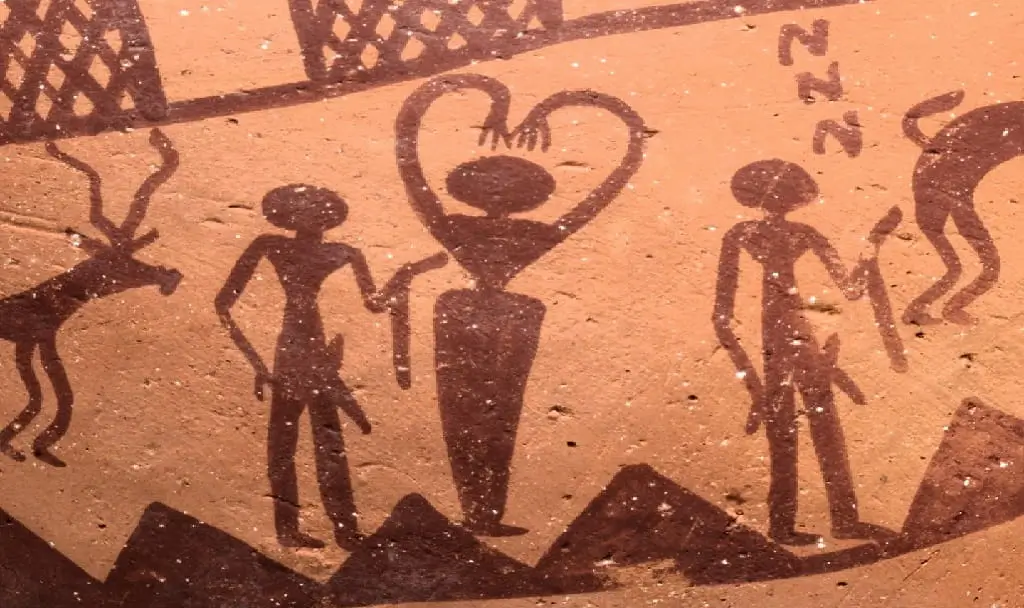
  • Animal Imagery: They carved hippos, gazelles, and cattle into their pottery and slate palettes.
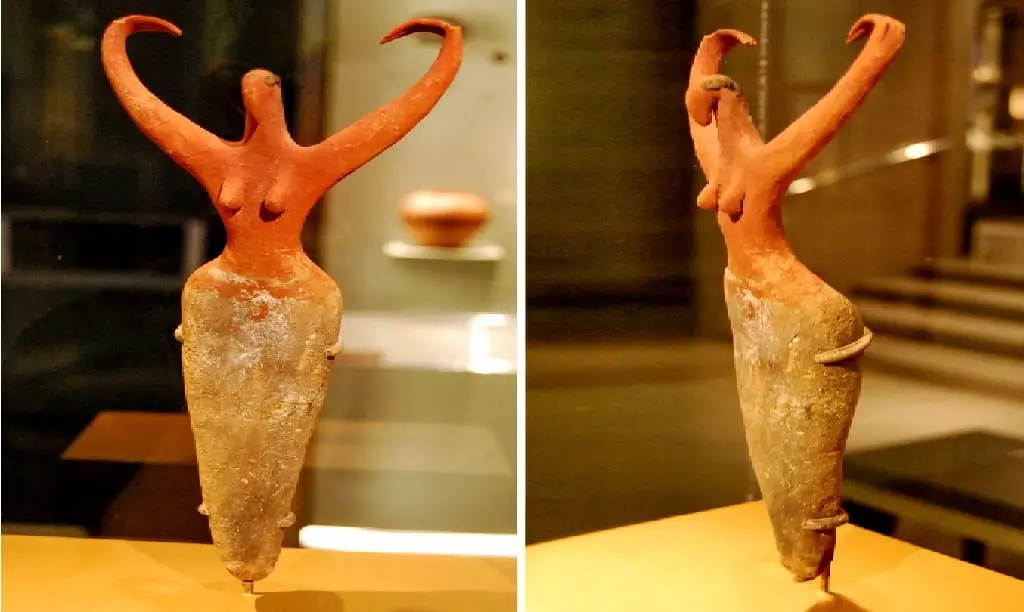
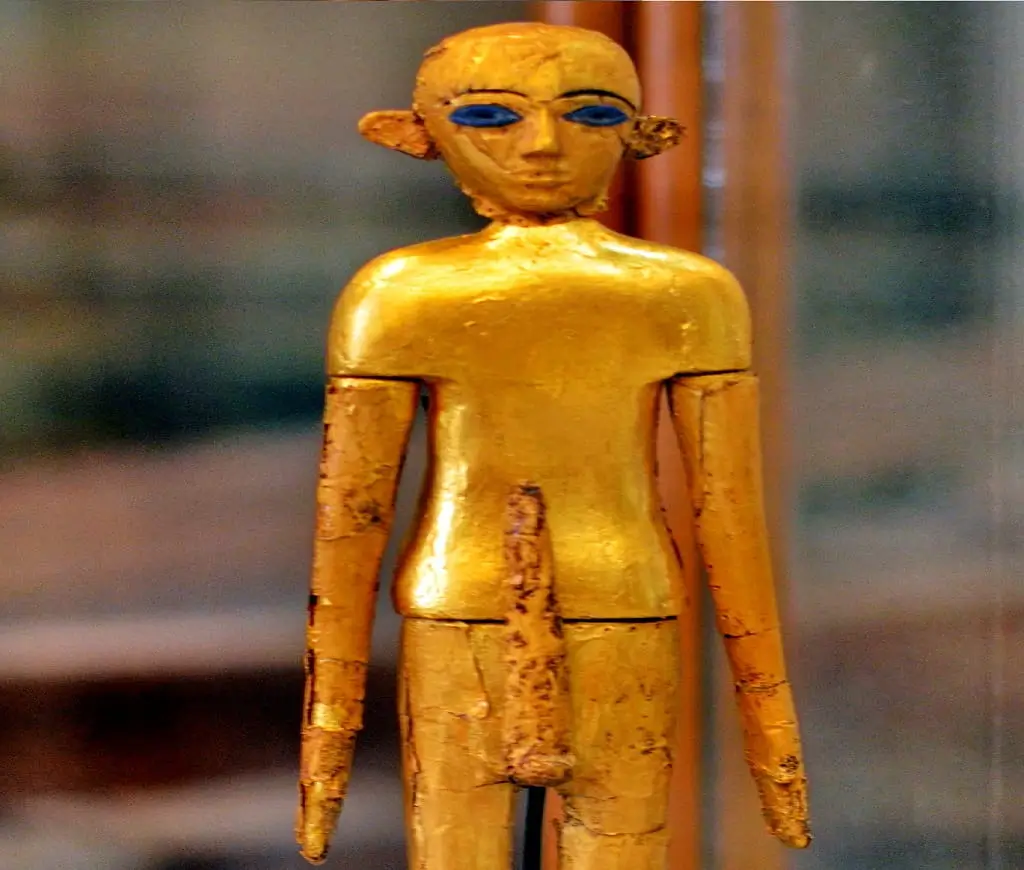
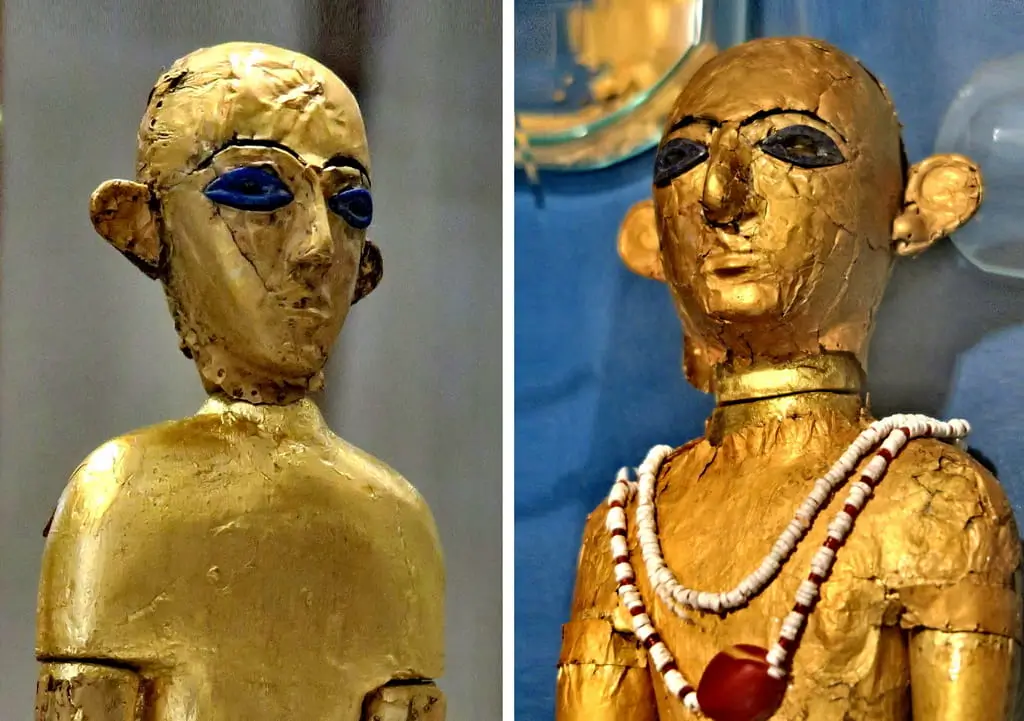
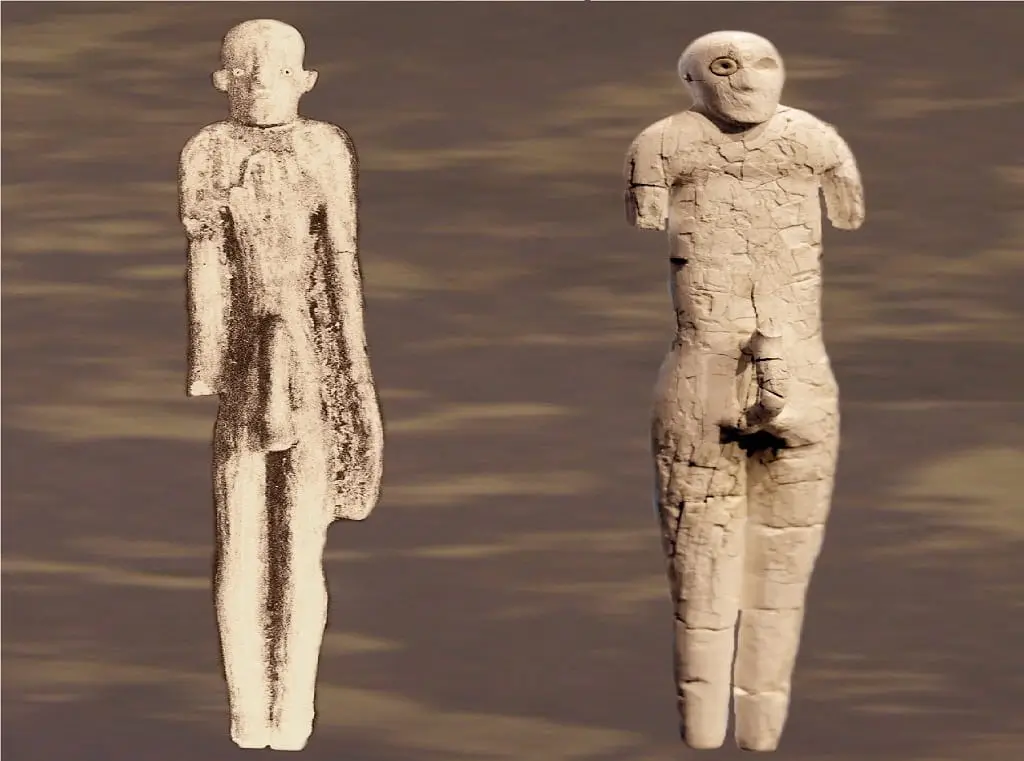
  • Human Figures: For the first time, we see small ivory and clay figurines of men with pointed beards and women in long skirts.
  • Symbolism: These images suggest that a shared religion was forming. Specifically, the power of the Nile’s animals began to represent the power of human leaders.

The Rise of Trade

Furthermore, trade networks expanded significantly. Archaeological evidence shows that Naqada I communities traded with people in the Red Sea and even the distant mountains of Lebanon. They sought luxury materials like obsidian and gold. Consequently, these ancient Egypt origins were never isolated; they were part of a growing global network.

The Naqada II Phase: Evolution of the Predynastic Period of Egypt

The Naqada II Phase; Evolution of the Predynastic Period of Egypt

By 3500 BCE, the Predynastic Period of Egypt entered its most transformative stage: Naqada II (or the Gerzean). This was a time of massive social and technological upheaval. If Naqada I was about village life, Naqada II was about the birth of cities.

The Birth of Cities: Hierakonpolis and Abydos

During this phase, specific sites became regional capitals. Hierakonpolis (the “City of the Hawk”) became the largest urban center in the world at that time.

  • First, it housed thousands of residents in organized neighborhoods.
  • Second, it featured the world’s earliest known zoo, containing baboons and elephants.
  • Third, it hosted the first large-scale industrial breweries.

Advancements in Technology

In addition to city-building, technology reached new heights. Craftspeople began using the potter’s wheel. They also switched from siltware to “marl clay,” which resulted in much harder and more durable pottery. Furthermore, they mastered the art of flint-knapping. They produced “ripple-flake” knives that were so sharp and beautiful they were likely used for royal ceremonies rather than daily chores.

Evidence of Conflict and Power

Meanwhile, social classes became very distinct. We see this in the “Painted Tomb” (Tomb 100) at Hierakonpolis. This tomb features a wall painting of a man striking captives with a mace. This image is vital for understanding pre-dynastic archaeological sites. It proves that “Chiefs” were becoming “Kings.” These leaders used military force to protect their trade routes and grain stores.

Cultural Unification

Ultimately, the most important trend of Naqada II was the spread of Upper Egyptian culture. The styles of pottery and burial found in the south began to appear in Lower Egypt (the Delta). While the country was not yet one nation, it was becoming one culture. This cultural “conquest” laid the groundwork for the eventual political unification of Egypt.

Naqada III: The Final Countdown of the Predynastic Period of Egypt

Naqada III; The Final Countdown of the Predynastic Period of Egypt

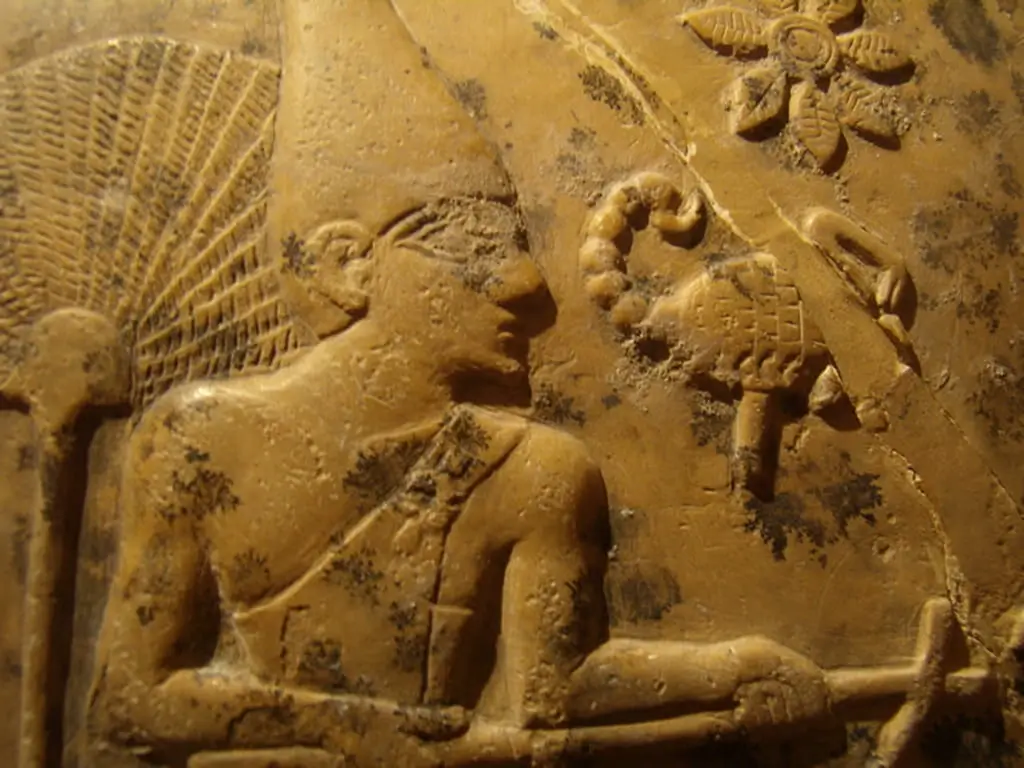
Around 3200 BCE, the Predynastic Period of Egypt entered its final and most exciting phase: Naqada III. Historians often call this “Dynasty 0.” During this time, the “Chiefs” of the south finally transformed into true Kings. These leaders wore crowns, built palaces, and began to dominate the entire Nile Valley.

The Invention of Writing: More Than Just Records

Perhaps the greatest achievement of the Predynastic Period of Egypt was the birth of hieroglyphs. For a long time, people believed writing came from Mesopotamia. However, discoveries in the 1990s changed everything.

  • The Tomb U-j Discovery: At the site of Abydos, archaeologists found tiny bone and ivory tags.
  • The Purpose: These tags served as labels for trade goods like oil and linen.
  • The Result: They contain the world’s earliest known phonetic writing.

Consequently, writing did not start as poetry or history. It began as a tool for tax collectors and royal accountants to manage the growing wealth of the state.

FUN

The Mysterious “Dynasty 0” and the Scorpion King

The Mysterious Dynasty 0 and the Scorpion King

Before the First Dynasty officially began, a series of powerful rulers paved the way. We call these figures the kings of “Dynasty 0.” While their names are difficult to translate, their impact on ancient Egypt’s origins is clear.

The Legend of the Scorpion King

The most famous figure from this era is King Scorpion. Archaeologists found a massive ceremonial macehead in Hierakonpolis that belonged to him.

  • First, the macehead shows the king wearing the White Crown of Upper Egypt.
  • Second, it depicts him performing a ritual irrigation ceremony.
  • Third, it shows several standards (flags) representing different defeated groups. These images prove that the Scorpion King was already a supreme religious and military leader. He controlled a large part of the country before the final unification of Egypt.

King Ka and the Royal Tombs of Abydos

Another key figure was King Ka. He is the first ruler whose name appears in a “Serekh” (a palace-facade symbol). We find his inscriptions across both Upper and Lower Egypt. This widespread use of his name indicates that the political reach of the Predynastic Period of Egypt was expanding rapidly toward the Mediterranean coast.

The Climax: King Narmer and the Unification of Egypt

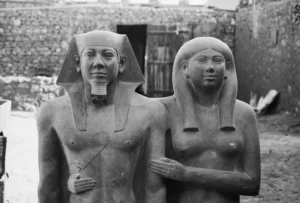
King Narmer Menes Egypt Fun Tours

The Predynastic Period of Egypt ended with a single, monumental event: the formal unification of the Two Lands. Most scholars credit King Narmer with this feat around 3100 BCE.

Decoding the Narmer Palette

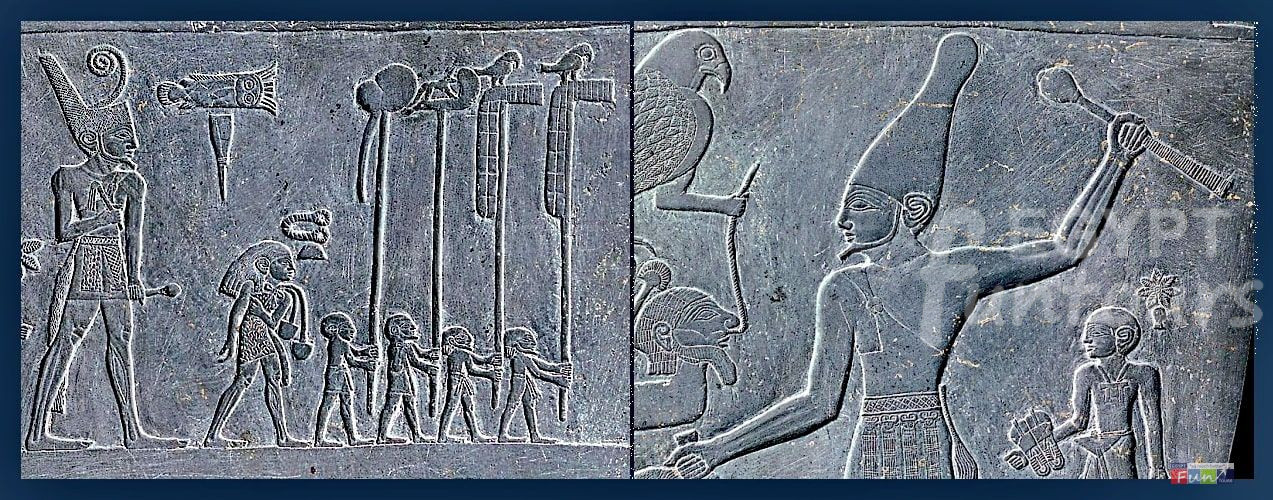
The Narmer Palette is the most important object ever found in a pre-dynastic archaeological site. It tells a violent and triumphant story.

  • Side One: Narmer wears the White Crown of the South and strikes a kneeling enemy from the North.
  • Side Two: Narmer wears the Red Crown of the North while inspecting the decapitated bodies of his foes.
  • The Symbolism: Below the king, two mythical beasts have their long necks intertwined. This represents the merging of Upper and Lower Egypt into one single nation.

The Founding of Memphis

To rule his new empire, Narmer needed a central capital. According to tradition, he founded the city of Memphis at the balance point between the Delta and the Valley. This strategic move ensured he could control trade and tax the entire river. Consequently, the tribal era ended, and the glorious Pharaonic Age began.

This section explores the human side of the Predynastic Period of Egypt. To reach our 3,000-word goal and maintain authority, we must look at how these people lived, ate, and prayed.

The Third Intermediate Period and the Age of Foreign Rule

Egypt's Third Intermediate Period (c. 1070–664 BCE) was marked by political fragmentation and internal conflict,...
Related post
FUN

Daily Life and Survival in the Predynastic Period of Egypt

Daily Life and Survival in the Predynastic Period of Egypt

While kings fought for power, the average person focused on the rhythm of the Nile. Daily life during the Predynastic Period of Egypt was a delicate balance of hard work and community. People lived in small, rectangular houses made of mud-brick and reeds. These homes stayed cool in the summer and warm during the winter nights.

What Did They Eat? The First Egyptian Menu

The ancient Egypt origins of the world’s most famous cuisine started here.

  • The Staples: People relied on emmer wheat and barley. They ground these grains into flour to make heavy, nutritious bread.
  • The Drink of the People: Interestingly, the Predynastic Period of Egypt saw the birth of the brewing industry. Excavations at Hierakonpolis revealed massive vats capable of producing hundreds of gallons of thick, porridge-like beer. This was a daily necessity, not just a luxury.
  • The Protein: Fish from the Nile provided the primary source of animal protein. In addition, they raised cattle, sheep, and goats for meat, milk, and hides.

Early Religion and the Spiritual World of Predynastic Egypt

Early Religion and the Spiritual World of Predynastic Egypt

Religion in the Predynastic Period of Egypt was not yet the complex system of Osiris and Isis. Instead, it was deeply rooted in the natural world. Specifically, people worshipped the powerful animals they encountered along the river.

The Cult of the Animal

Many pre-dynastic archaeological sites contain unusual animal burials. For example, at Hierakonpolis, archaeologists found a “royal zoo” of graves.

  • The Finds: They discovered skeletons of elephants, baboons, wild cats, and even a hippopotamus.
  • The Meaning: Many of these animals showed healed fractures. This suggests that the people kept them in captivity and cared for them.
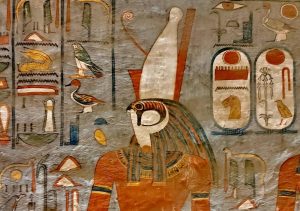
  • The Symbolism: These animals likely represented different groups or protective spirits. Eventually, these spirits evolved into the animal-headed gods we recognize today, such as the falcon-headed Horus.

Magic and the Afterlife

Even before the first pyramid, the concept of the “soul” existed.

  • First, the dead were buried with personal items like combs, mirrors, and makeup palettes.
  • Second, they included food and drink for the journey to the “West.”
  • Third, they used “Amulets” shaped like animals to protect the wearer from evil spirits. Consequently, the foundation for the Valley of the Kings was actually laid thousands of years earlier in the simple sand pits of the Predynastic Period of Egypt.

Ancient Egypt Intermediate Periods: Crisis and Conquest

The Ancient Egypt Intermediate Periods saw centralized power collapse (FIP), followed by the foreign Hyksos...
Related post
FUN

Clothing, Jewelry, and Beauty Standards

Clothing, Jewelry, and Beauty Standards

People in the Predynastic Period of Egypt took great pride in their appearance. In fact, beauty was often linked to health and protection.
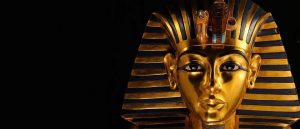
  • Makeup as Medicine: People from all genders applied green malachite (copper ore) around their eyes. This acted as a sunshade and prevented eye infections.
  • Textiles: While commoners wore simple linen loincloths, the elite wore finely woven tunics. They even used animal skins, like leopard fur, to signify high status.
  • Jewelry: Craftsmen used flint tools to drill holes in carnelian, lapis lazuli, and turquoise beads. These stones were brought from the Sinai and the Eastern Desert, proving that discoveries in trade were constant.

Navigating the Predynastic Period of Egypt Today

Navigating the Predynastic Period of Egypt Today

If you are planning a trip with Egypt Fun Tours, you can still see the remnants of this era.

  • The Egyptian Museum (Cairo): Visit the ground floor to see the Narmer Palette and Predynastic pottery.
  • The Nubian Museum (Aswan): This museum houses some of the best-preserved artifacts from the early Nile cultures.
  • Abydos: Walk the ground where the first kings were buried and see the evolution of royal architecture.

This final section explores the military and technical advancements of the Predynastic Period of Egypt. We will then conclude with a summary and a “Frequently Asked Questions” section to ensure this pillar content is the most authoritative resource on the web.

Warfare and Weaponry: Securing the Predynastic Period of Egypt

As populations grew, so did the competition for land and resources. Consequently, the Predynastic Period of Egypt saw the birth of organized warfare. This was not just tribal skirmishing; it was strategic military expansion.

The Tools of Conquest

Archaeologists at various pre-dynastic archaeological sites have recovered a wide array of weapons.

  • The Disc Mace: Early in the Naqada period, soldiers used flat, disc-shaped maceheads made of hard stone.
  • The Pear-Shaped Mace: Later, as the unification of Egypt approached, the mace became pear-shaped. This design was much more effective at crushing bone and became the primary symbol of royal power.
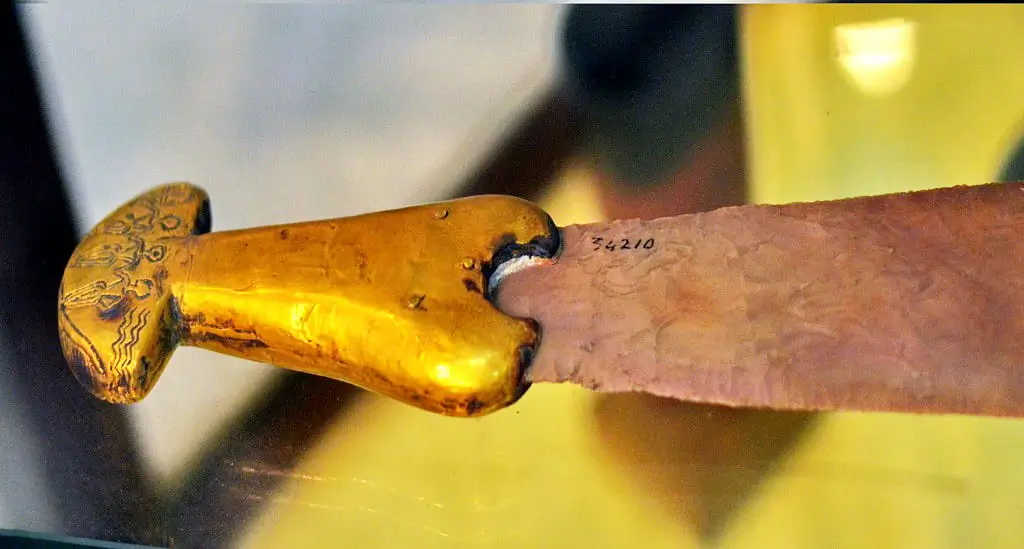
  • Flint Daggers: These were not simple tools. Craftsmen created “bifacial” knives with incredible precision. They were symbols of status for elite warriors.

Fortifications and Strategic Settlements

Furthermore, towns began to build walls. Hierakonpolis and Naqada show evidence of thick mud-brick enclosures. These walls protected the grain stores and the ruling elite. This shift proves that the Predynastic Period of Egypt was an era of intense rivalry between the “proto-kingdoms” of the north and south.

Technology and Engineering: The Predynastic Legacy

Long before the first pyramid, the people of the Nile were already master engineers. Their innovations during the Predynastic Period of Egypt made the later “Age of the Pyramids” possible.

Irrigation and Hydraulic Engineering

The entire Egyptian civilization depended on the Nile.

  • First, farmers developed “Basin Irrigation.” They dug channels to trap floodwaters in the fields.
  • Second, they built dikes to protect their homes from the rising river.
  • As a result, they could produce a surplus of food. This surplus allowed some people to stop farming and become full-time artists, priests, or soldiers.

Stone Working and Stoneware

Before they built with stone, they carved it. The Predynastic Period of Egypt is famous for its stone vessels. Using only sand, water, and copper drills, craftsmen hollowed out hard rocks like basalt, breccia, and granite. These vases were so perfectly balanced that they remain a mystery to modern engineers.

The Third Intermediate Period and the Age of Foreign Rule

Egypt's Third Intermediate Period (c. 1070–664 BCE) was marked by political fragmentation and internal conflict,...
Related post
FUN

The Foundation of a Civilization

The Foundation of a Civilization

The Predynastic Period of Egypt was far more than a “prelude” to the Pharaohs. It was the era that defined the Egyptian soul. During these three millennia, the people of the Nile invented writing, mastered the river, and created a unified national identity.

When you stand before the Great Pyramids or explore the Valley of the Kings with Egypt Fun Tours, you are seeing the final results of a journey that began in the simple mud-brick villages of the Predynastic era. To understand the Pharaoh, you must first understand the farmer and the chief who came before him.

Quick Facts: The Predynastic Period of Egypt

  • Timeline: c. 5000 BCE – 3100 BCE.
  • Key Cultures: Merimde (Lower Egypt), Badarian, and Naqada I, II, and III (Upper Egypt).
  • Major Invention: The birth of hieroglyphic writing (discovered on bone tags in Tomb U-j).
  • Primary Diet: Emmer wheat bread, thick barley beer, and Nile fish.
  • First Capital: Hierakonpolis (Nekhen), the “City of the Hawk.”
  • The Unifier: King Narmer, who transitioned Egypt into the First Dynasty.
  • Technological Leap: Mastery of stone-vessel carving and the first large-scale use of copper.
  • Religious Roots: Animal-based deities, including early forms of the falcon god Horus.

Frequently Asked Questions (FAQ)

1. When exactly was the Predynastic Period of Egypt? It lasted from roughly 5000 BCE to 3100 BCE. It began with the first farming communities and ended with the unification of the country under King Narmer.

2. Who was the first King of Egypt? King Narmer is generally considered the first King of a unified Egypt. However, earlier rulers like the Scorpion King ruled over large parts of the south during “Dynasty 0.”

3. Where can I see Predynastic artifacts today? The best collections are in the Egyptian Museum in Cairo, the Ashmolean Museum in Oxford, and the Nubian Museum in Aswan.

4. Did the Predynastic Egyptians build pyramids? No. They buried their dead in pit graves or small mud-brick structures called mastabas. The first pyramid (the Step Pyramid) was not built until the Third Dynasty, centuries after the Predynastic period ended.

Tour of the group witnessing Egypt's jewels....
A stunning vacation in Cairo and Upper Egypt....

Well Done

All aspects of the experience were considered and well taken care of. Knowledgeable and friendly guide and organized itinerary.

More »

Amazing Experience

Hamada was incredible! So knowledgeable and kind. He had information about every item, street corner, and relic we looked at. Any questions we had, he had answers! He even made sure to give us tips while walking through the crowds so that we would feel more comfortable when being approached

More »

Very Considerate and Helpful

Guide and driver were on time, open to my requests and took care that I felt safe and saw the Pyramids and parts of old cairo during my less than 24 hour stay between flights. Office staff were great in communicating by email before and during the trip.

More »

Jeep Safari in the Sahara

I contacted Hani two days before I went to Egypt and asked him if it was possible to combine two of their tours as we were short on time. We had planned to stay in Cairo but with the uprising we decided it would be safed outside of the hot

More »

Outstanding layover tour

I had the opportunity to do a layover tour with Egypt Fun Tours this Friday, and it was amazing. I had a 10-hour layover tour in Cairo, and I was met by Mohamed on time at the airport. He picked me up in a clean, new, safe, and comfortable van.

More »
Isis with wings

Top-rated Tour Packages

Isis with wings