Sohag National Museum: The Guardians of Middle Egypt’s Identity

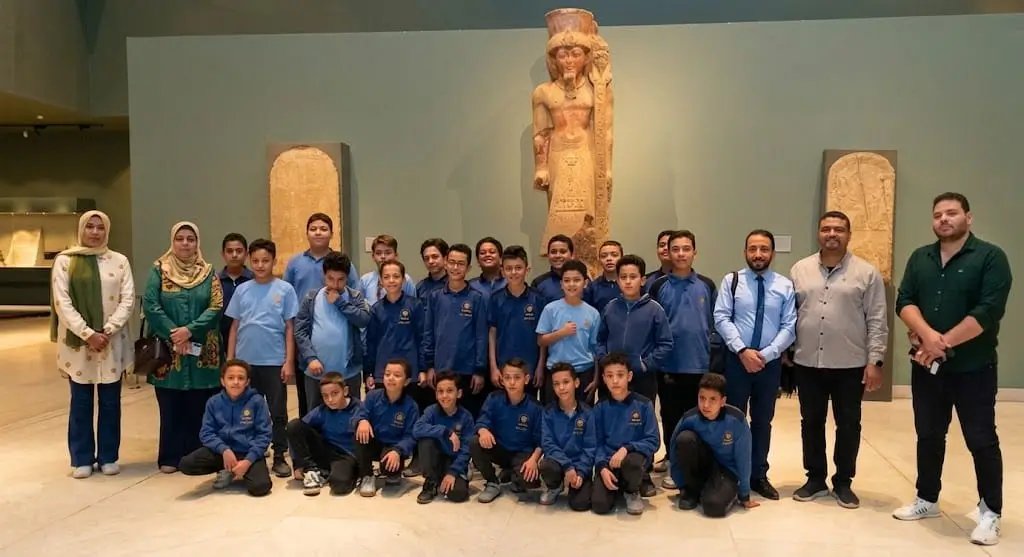
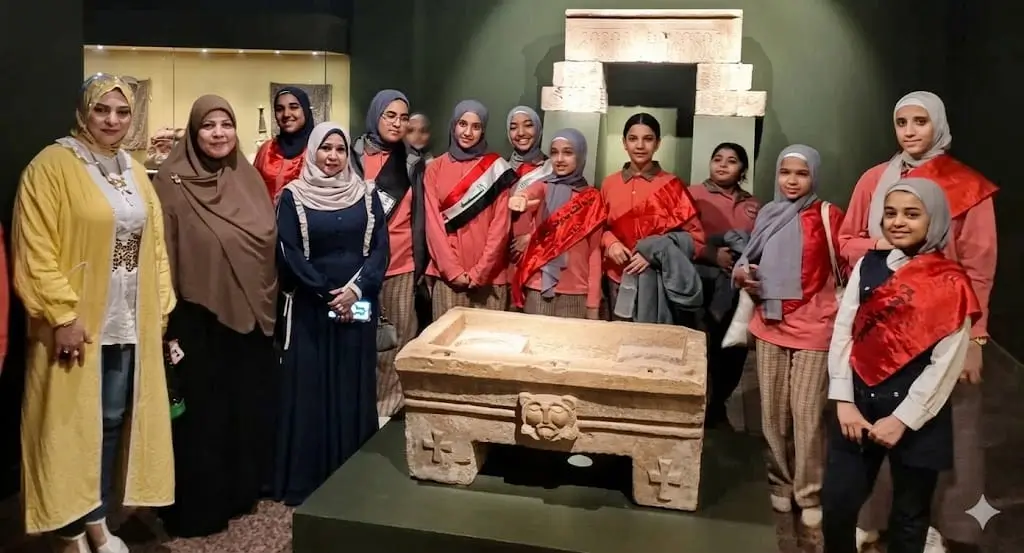
The Sohag National Museum serves as the definitive guardian of Middle Egypt’s cultural identity, housing over 3,000 artifacts that span from the Pre-Dynastic Period to the Islamic era. Strategically located on the Nile Corniche, the museum’s architecture pays homage to Pharaonic design while providing a modern home for local treasures from Abydos and Akhmim. By exploring its seven thematic halls—covering topics from the dawn of kingship to ancient textile industries—visitors gain the essential historical and social context needed to truly appreciate the sacred sites of the region. Ultimately, the museum acts as a vital gateway for travelers, connecting the ancient roots of the Egyptian state with the living traditions of Upper Egypt today.
The eye of Horus
WhatsApp
Email
Print

When travelers think of museums in Egypt, they usually think of Cairo. However, in the heart of Upper Egypt, another story is waiting to be told. The Sohag National Museum is not simply a collection of artifacts; it is the definitive guardian of Middle Egypt’s distinct cultural identity. For those seeking the “authentic” roots of Egyptian civilization away from the crowds of Luxor, this museum is a critical first stop. Legally and historically, the museum serves as the vital gateway to the nearby wonders of Abydos and Akhmim, making it the perfect strategic base for specialized tours.

The administrative story of the museum itself is as fascinating as the history it holds. While construction began decades ago, the project faced long delays. Finally, it was officially inaugurated in 2018, making it one of Egypt’s newest and most modern facilities. This state-of-the-art museum fulfills a vital purpose: providing a local home for treasures that previously languished in warehouses or distant collections.

Divider

Sohag National Museum: The Strategic Value for Travel Planning

Sohag National Museum The Strategic Value for Travel Planning

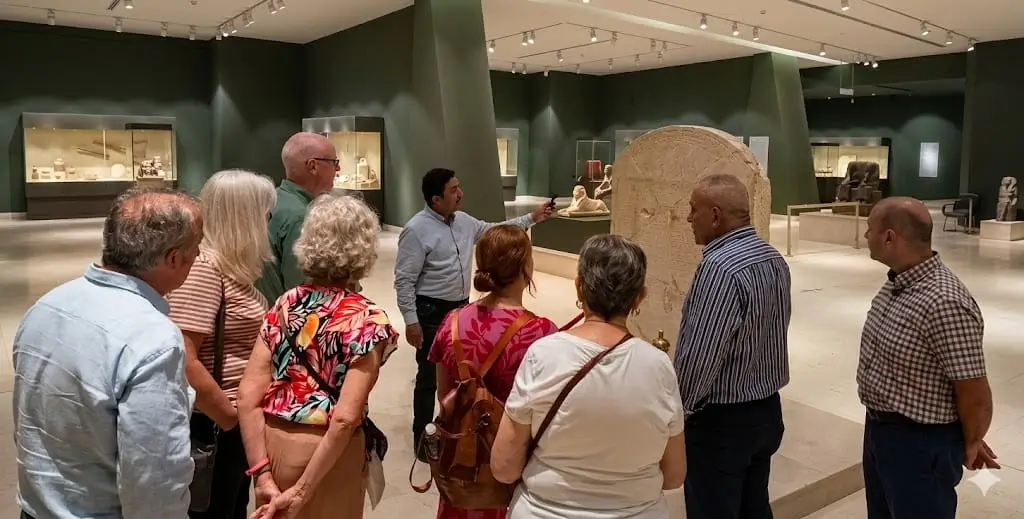
For a travel company like Egypt Fun Tours, this museum offers a major advantage. While most tourists skip Sohag, making this museum a focal point positions your tours as authoritative. It allows you to organize a deeper narrative. Guests do not just see the grand temples; they first understand the social, religious, and political context through the museum’s curated displays. The facility is strategically located right on the Nile Corniche in the heart of Sohag city, making it easily accessible before or after visiting the rural sites.

An Overview: The Seven Pillars of the Collection

An Overview The Seven Pillars of the Collection

The curators did not just organize the artifacts chronologically. Instead, they cleverly organized the 3,000+ pieces thematically, focusing on seven key pillars of Upper Egyptian life:

  1. Kingship and the Cradle of Unity: Discover how the concept of the unified Egyptian state began in this region.
  2. Daily Life: Step inside the homes and villages of ancient Middle Egypt.
  3. Religious Faith and Monasticism: See how Christian Hermits sought solitude in the local deserts.
  4. Medicine and Science: Explore the surprising knowledge of ancient local healers.
  5. Craft and Industry: Learn how Akhmim became the “Textile Capital of the Ancient World.
  6. Marriage and Family: View artifacts that reveal the personal lives of non-royals.
  7. River Nile and the Cult of Osiris: Understand why Abydos is the center of the Egyptian Afterlife.
Golden Scarab

The Hall of Kingship: Where the First Pharaohs Ruled

The Hall of Kingship Where the First Pharaohs Ruled

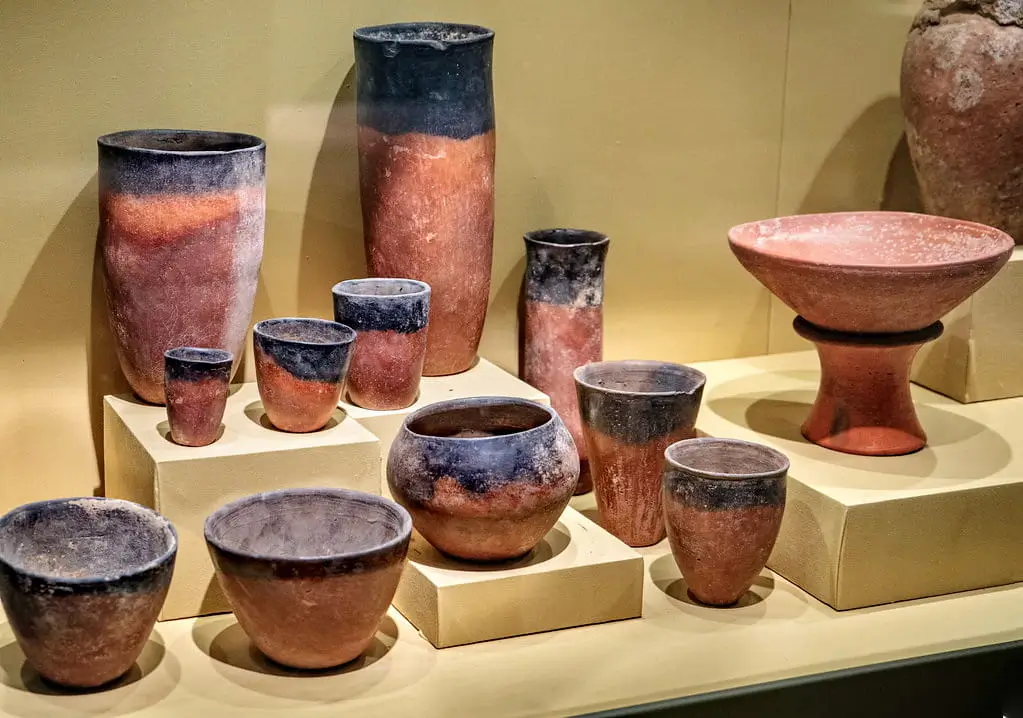
This hall is arguably the museum’s most important. Sohag’s unique significance stems from its direct connection to the First Dynasties. The ancient kings, beginning with the legendary Narmer (the Unifier), are believed to have originated near here in the “lost” city of Thinis. While the city remains missing, the Umm el-Qa’ab royal tombs near Abydos are undeniably the birthplace of the Pharaonic concept.

The Bas-Reliefs of Narmer and his Successors

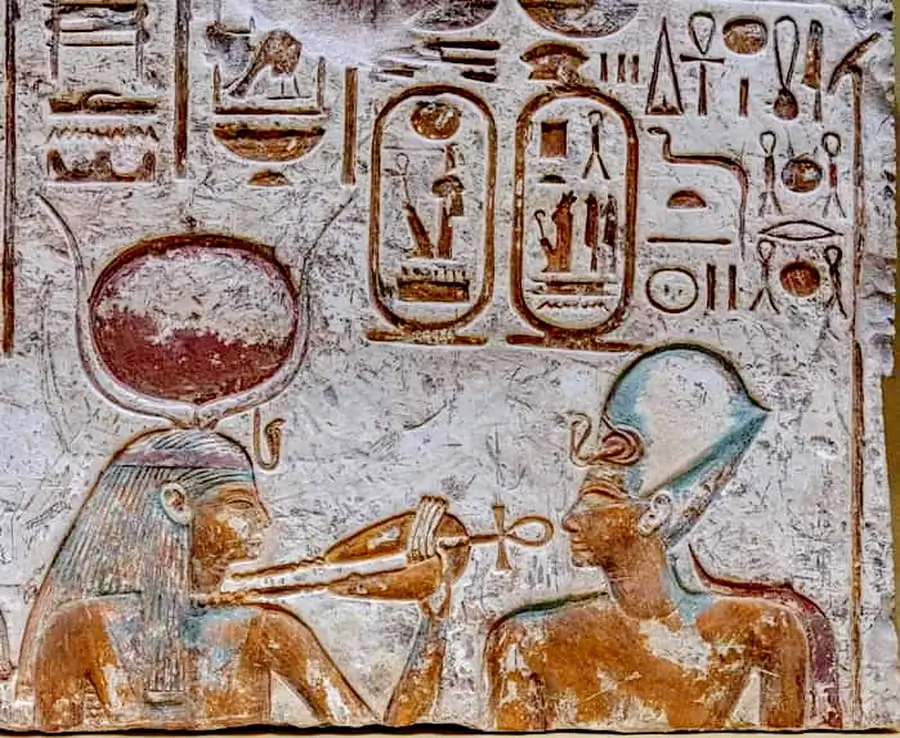
Inside the Kingship Hall, you will find some of the earliest existing examples of royal art. While the iconic Narmer Palette is in Cairo, the Sohag museum houses rare and sophisticated bas-relief fragments from the Early Dynastic period found at local temple sites.

  • Pro-Tip Box: These reliefs demonstrate that the artistic conventions used for 3,000 years were perfected right here first. Point this out to your guests. They are not just looking at old stone; they are looking at the “beta version” of all Egyptian art.

The eye of Horus

The Hall of Akhmim: Texturing History

The Hall of Akhmim Texturing History

Next, you will journey from royalty to the people. The Hall of Akhmim is a true highlight, and it connects directly to your outdoor visits.

The 4,000-Year-Old Weaving Heritage

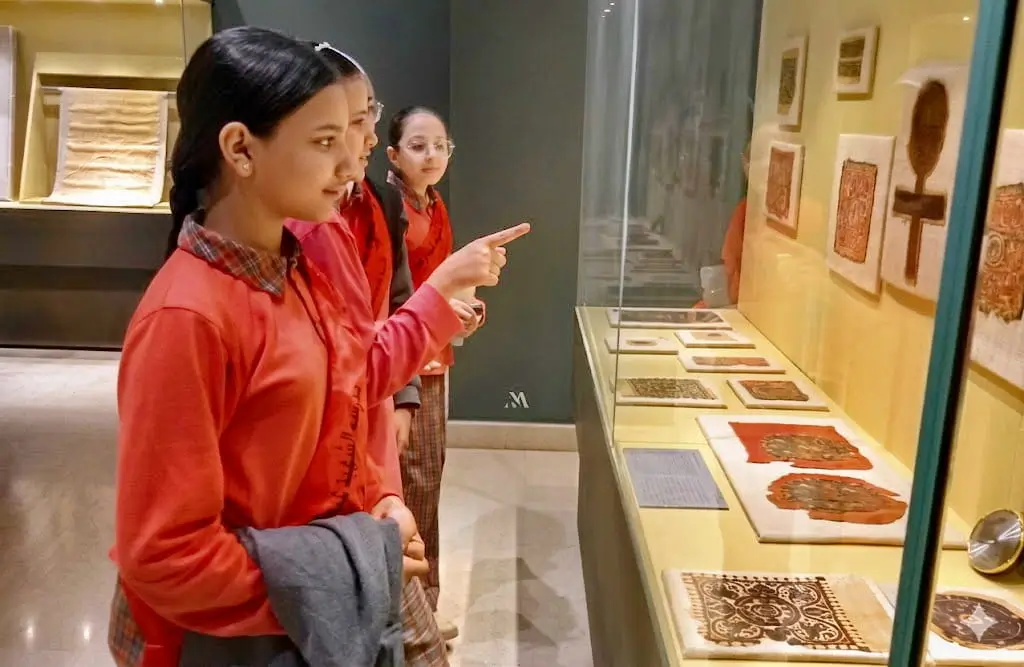
Akhmim (ancient Panopolis) was famous throughout the ancient world for its weaving industry. This industry was so prestigious that some researchers believe local weavers created specialized vestments for the Greek and Roman elite. The museum tells this story masterfully.

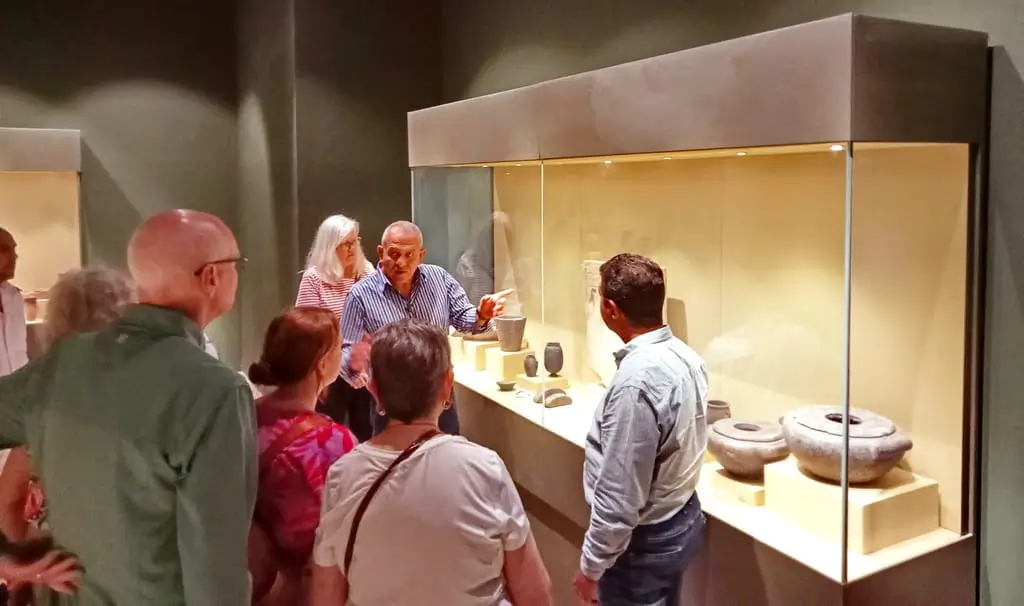
  • Weaving Tools: View bone needles, wooden shuttles, and complete ancient looms. These tools are often nearly identical to the wooden looms still used in Akhmim today. This creates a compelling “Living History” angle for your tours.
  • The Akhmim Statues: This hall features massive stone statues of private individuals from the region. The detailing on their wigs, robes, and jewelry is stunning, revealing the high social status of local officials, distinct from the Luxor royal court.
Divider

Faith, Solitude, and Monasticism: The Coptic Core

Faith, Solitude, and Monasticism The Coptic Core

The Upper Egyptian desert near Sohag was the birthplace of Christian Monasticism. Saint Shenouda established his famous White Monastery nearby, and the museum provides essential context for visiting these sites.

The Artifacts of the Desert Fathers

This hall beautifully illustrates the local transition from pagan beliefs to Christianity.

  • Ptolemaic-to-Coptic Blending: Look for rare objects showing Egyptian gods reimagined with Christian symbols.
  • Monastic Items: You can view prayer beads, ceramic oil lamps, and early fragments of Coptic texts. These humble items tell a story of extreme devotion and asceticism.
  • The Link to the Red and White Monasteries: Use this hall as the conceptual “preview” before taking guests to the real, active Red Monastery (Deir el-Ahmar) to see its vibrant 6th-century frescoes.

Religion and Abydos: The Heart of the Cult of Osiris

Sohag and Abydos are inseparable. This museum acts as the necessary interpretation center for the grand Temple of Seti I.

Sohag National Museum: Deciphering the Abydos Complex

Without seeing this exhibit, the visit to the Temple of Seti I can feel like just looking at confusing carvings.

  • The Osiris Statues: The museum holds numerous votive statues of Osiris, the Lord of the Afterlife. Abydos was the pilgrimage center for Osiris worship, and the museum explains why people traveled for miles to ensure their place in eternity.
  • Votive Offerings: View the tiny jars and figurines that ordinary pilgrims left by the thousands. This display makes the abstract concept of an ancient pilgrimage real for your guests.
The eye of Horus

Daily Life and Agriculture: The Rhythm of the Nile

Daily Life and Agriculture The Rhythm of the Nile

Upper Egypt’s history is a story of farming and faith. While other museums ignore the common people, the Sohag museum celebrates the ordinary.

Sohag National Museum: The Tools of Survival

This section makes the ancient Egyptians feel deeply human.

  • Agricultural Tools: You can see ancient hoes, sickles, and grain baskets. Point out that the Nile’s behavior here hasn’t changed much in millennia.
  • Bread Mold: View original ceramic molds used for baking bread—found right near Abydos.
  • The Medicine Display: Discover that ancient local healers had a surprising knowledge of local medicinal plants.

How to Logistically Incorporate the Sohag National Museum

How to Logistically Incorporate the Sohag National Museum

For a professional agency like Egypt Fun Tours, this museum offers multiple strategic uses:

Sohag National Museum: The Ideal Itinerary (Using Sohag as Your Base)

To avoid the brutal, crowded 6+ hour round trip from Luxor, we recommend making Sohag city your hub.

  • Day 1: Arrive at Sohag International Airport and settle in. In the afternoon, visit the Sohag National Museum. This sets the historical context.
  • Day 2: In the morning (when it’s cool and quiet), take a private, short drive to the Grand Temple of Seti I at Abydos (Markaz El Balyana district). You can explore for hours without the Luxor day-trip rush.
  • Day 3: Visit the active White and Red Monasteries on the edge of the desert, followed by an afternoon in Akhmim to see the Colossal Statue of Queen Meret Amun and visit a traditional weaving workshop.

The Luxor-to-Sohag “One-Way Discovery”

If you have guests who must start in Luxor, organize a one-way tour. Pick them up early, visit Abydos first, and then continue to Sohag to visit the museum before they fly out of Sohag International Airport. This maximizes their time and minimizes backtracking.

Accessibility and Visitor Info

The museum is fully air-conditioned and modern, offering a refreshing break from the Upper Egyptian heat.

  • Location: Directly on the Nile Corniche in downtown Sohag.
  • Facilities: Includes a library, a conservation center, and a beautiful outdoor area by the Nile.
  • Photography: Checking the current policy is important; they usually allow photography, sometimes with an added fee for “professional” cameras.

Conclusion: Why Sohag National Museum Matters

Conclusion Why Sohag Matters to the Modern Tour

The Sohag National Museum is the crucial missing piece in the puzzle of Egyptian history. You cannot fully understand the Pharaonic unified state, the history of Coptic Christianity, or the enduring legacy of the Nile without visiting this region. By integrating this museum and making Sohag your base, Egypt Fun Tours provides a fundamentally deeper, more authentic Upper Egyptian experience that mass-market tour agencies simply cannot replicate. Sohag is not just a detour; it is the source. Are you ready to offer your guests the real story?

Divider

HANDS DOWN, the best cultural experience I’ve ever had

Thank you, Egypt Fun Tour, for a most memorable trip. I admit I didn’t do any of the planning (it was all done by my boyfriend), but as you can read in the reviews below, Hani (the owner of Egypt Fun Tours) is superbly organized and accommodating with scheduling. My

More »

Great layover tour

First things first…I was in Cairo about a week before the protests of 2011 started. As far as the tour was concerned, I was very pleased. I was met at the airport by a knowledgeable guide (Sara) who spoke great English and a driver. They took me to Giza first,

More »
9-day tour package - Egypt Fun Tours

You’re in “GREAT HANDS” with Egypt Fun Tours!

We first went to Egypt in July 2010. We were to pass through Cairo on our way to Africa, and we had arranged to be picked up from the Cairo airport and shown around the city during our 6-hour layover. This was arranged through emails with Hamada, of Egypt Fun

More »

Goes well beyond “tour”

I am tempted to say “my friend Hani” runs an amazing service, because that is how he makes you feel. I first went on the 9-hour layover tour in summer 2011. Hani and driver picked me up at the airport at 3am, and by the time I left at noon

More »

Excellent Tour

Really excellent tour from Mohamed, and we learned so much about Egypt and went to places we never would have found as tourists at home. My girlfriend had a 12 hour stop over on the way to Ethiopia and it was the perfect way to see Cairo. I hope people

More »
God_Anubis_Icon

Top-rated Tour Packages

God_Anubis_Icon
WhatsApp
Email
Print