
Sohag: The Authentic Heart of Upper Egypt and the Cradle of the First Kings
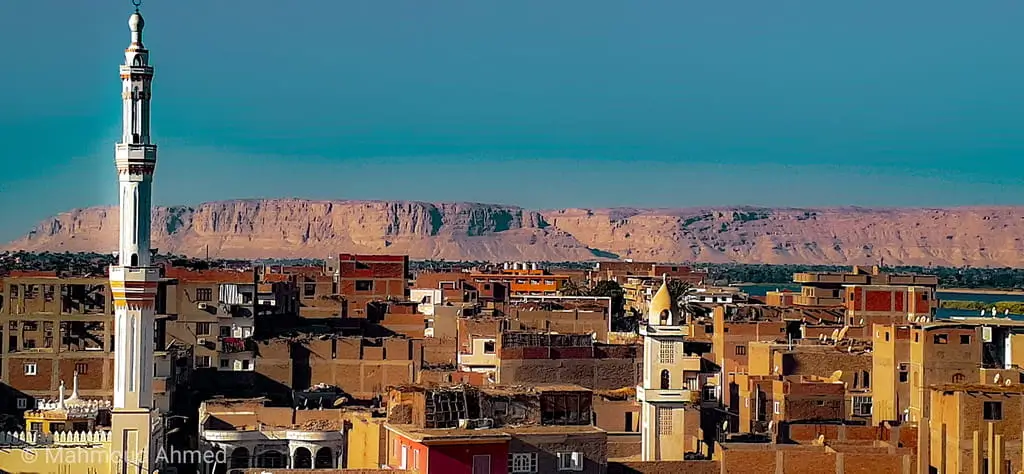
Modern travelers often rush between the crowded temples of Luxor and the granite wonders of Aswan. However, a deeper history waits in the silence of Middle Egypt. Sohag is much more than a simple stop on the map. It represents a profound journey into the very soul of Egyptian identity. The city sits on the west bank of the Nile about 470 kilometers south of Cairo. Therefore, this governorate serves as a vital bridge between the Pharaonic past and the dawn of Christian monasticism. It also showcases the vibrant, living traditions of Upper Egyptian culture today.
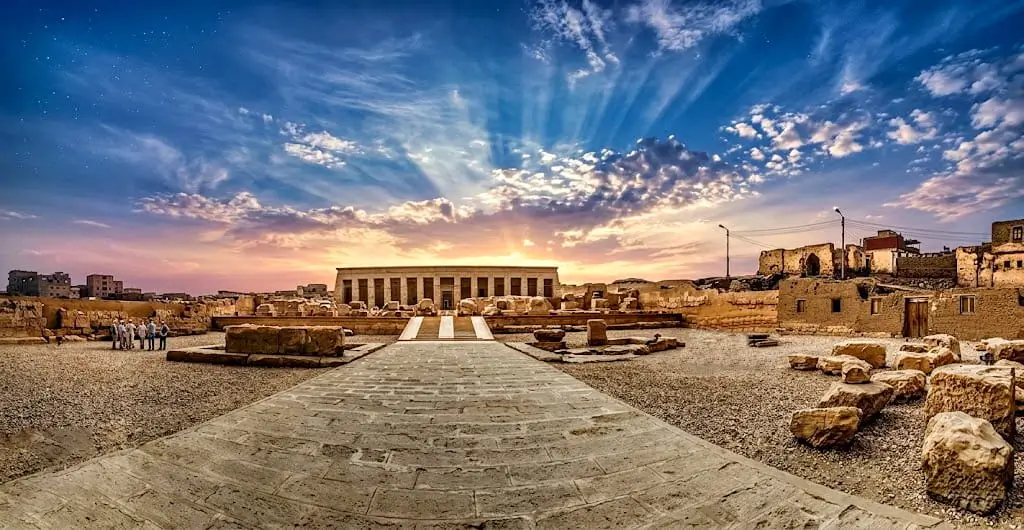
You should visit Sohag if you seek the “authentic” Egypt away from mass tourism. This region offers an unparalleled sense of discovery for every guest. Furthermore, the administrative and spiritual heart of the region beats here, specifically in the sacred district of Abydos. Many people incorrectly label Abydos as a mere day-trip from Luxor. On the contrary, Abydos is legally and historically the crown jewel of Sohag. Consequently, you reclaim the pace of your journey by making Sohag your base. This choice allows for a meditative exploration of sites that shaped the world’s first unified state.
The Gateway to Antiquity
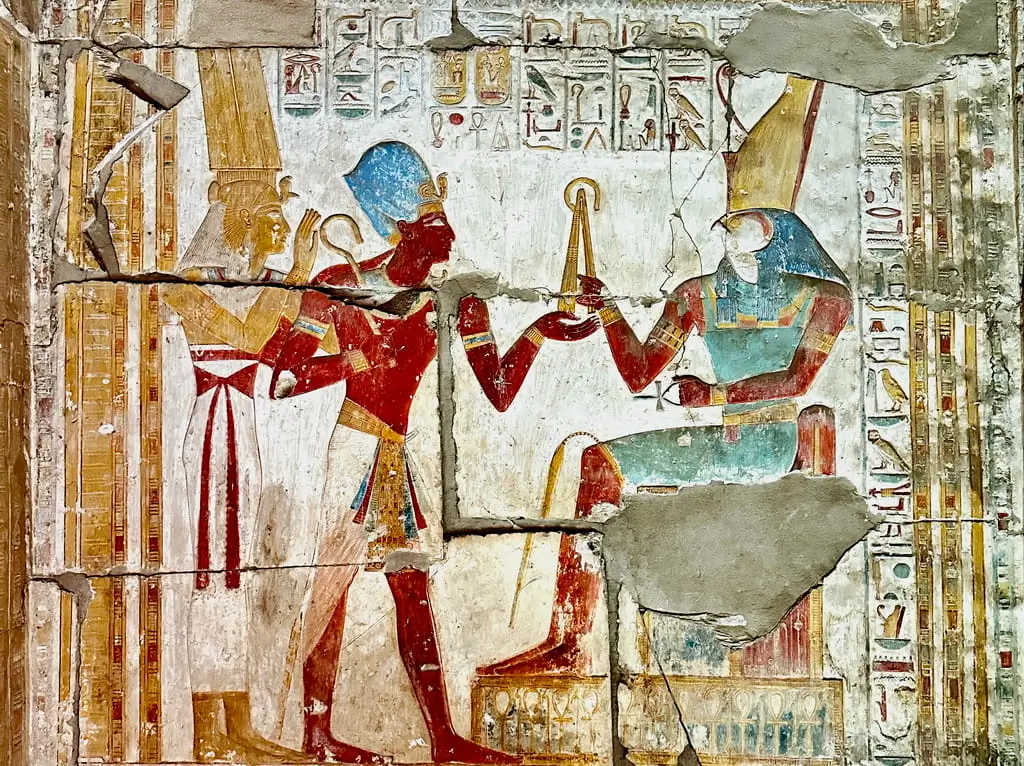
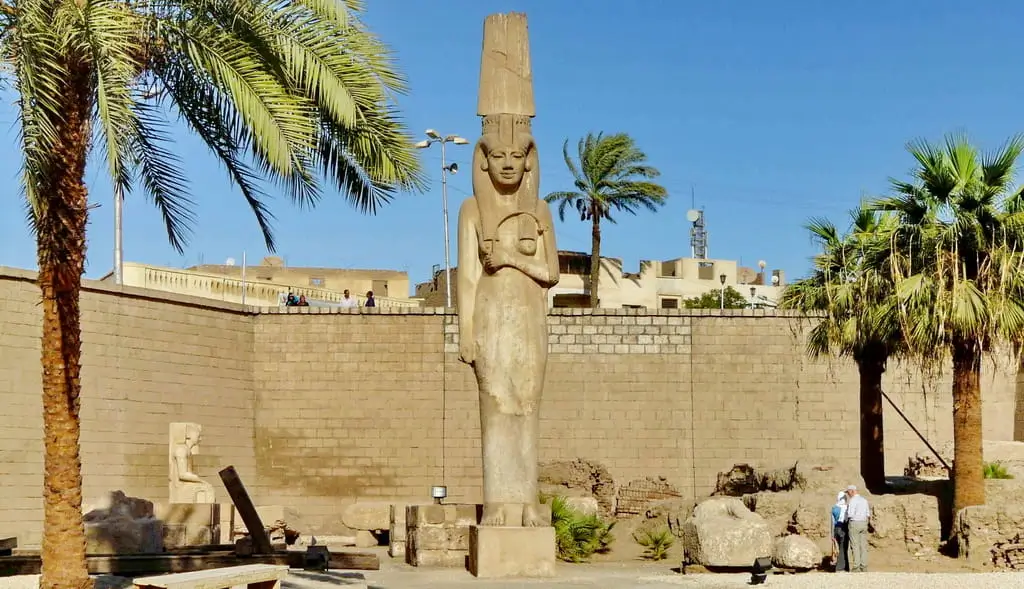
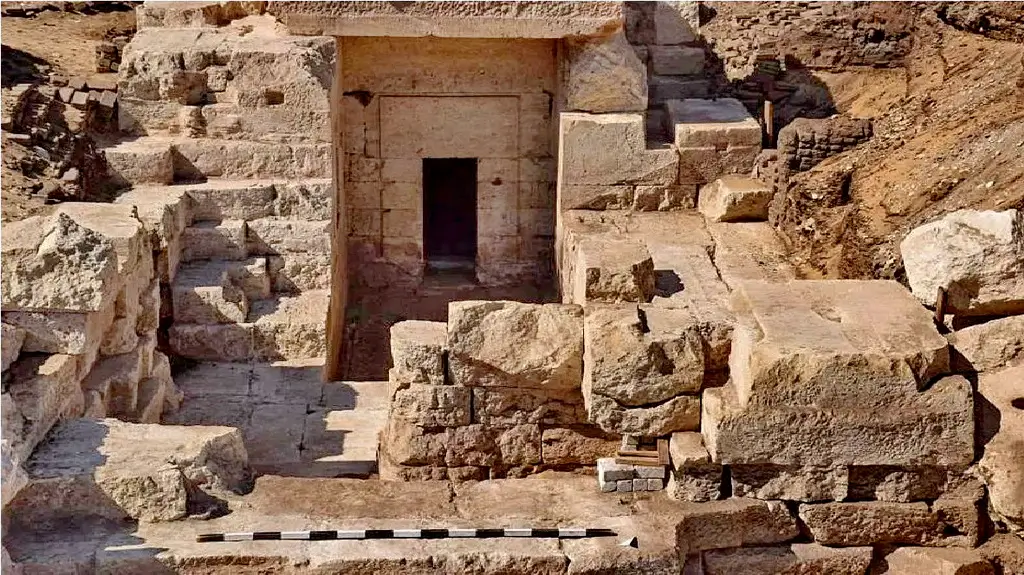
Sohag’s significance stems from its proximity to Thinis, the legendary capital of the First Dynasty. Archaeologists still search for this “lost” location today. Nevertheless, you can feel its presence in every stone of the nearby necropolises. For instance, the monumental Statue of Meret Amun stands in Akhmim as the tallest female colossus in Egypt. Additionally, the Temple of Seti I displays sophisticated storytelling through its masterful carvings. Thus, Sohag functions as a living museum of human ambition.
A Tapestry of Faith and Craft
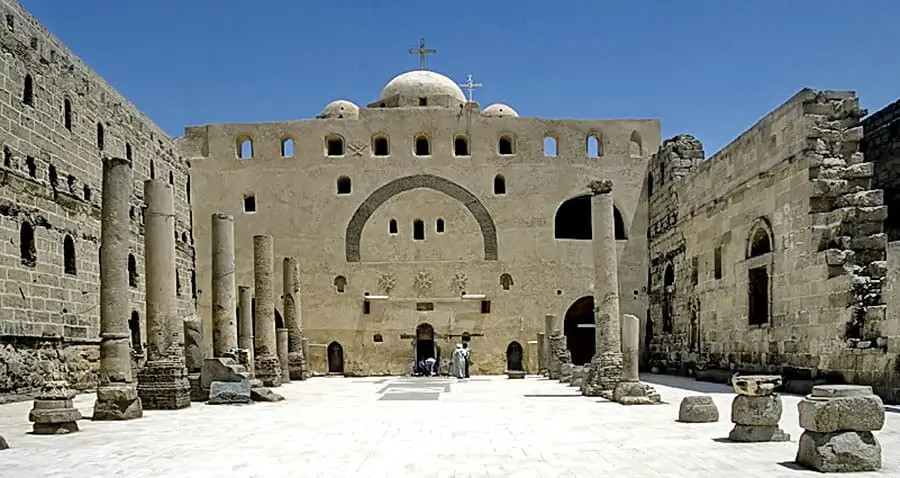
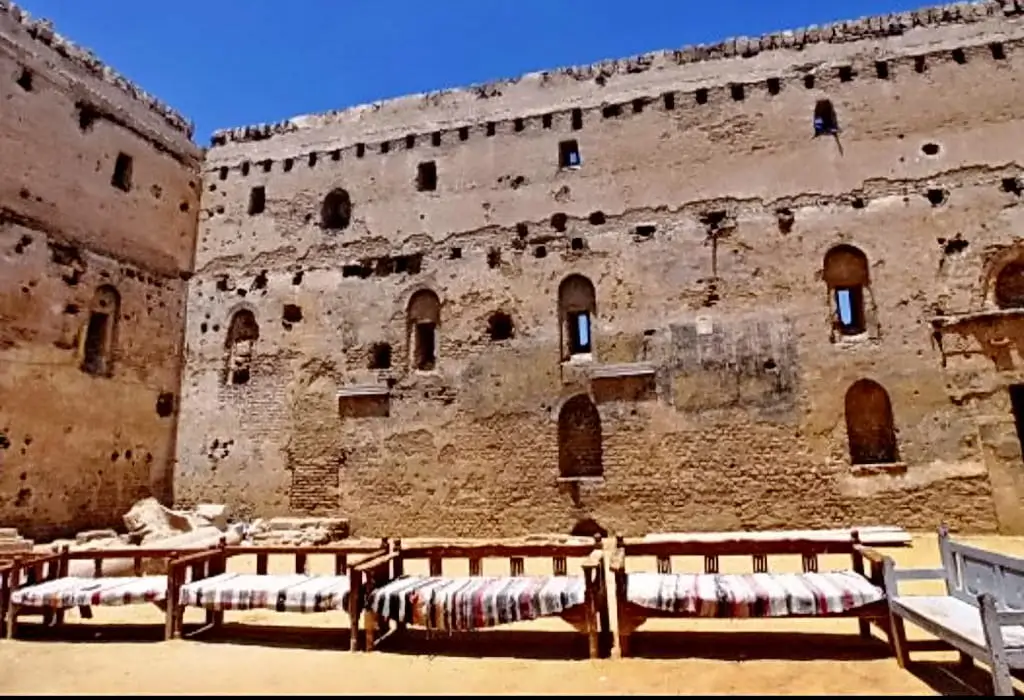
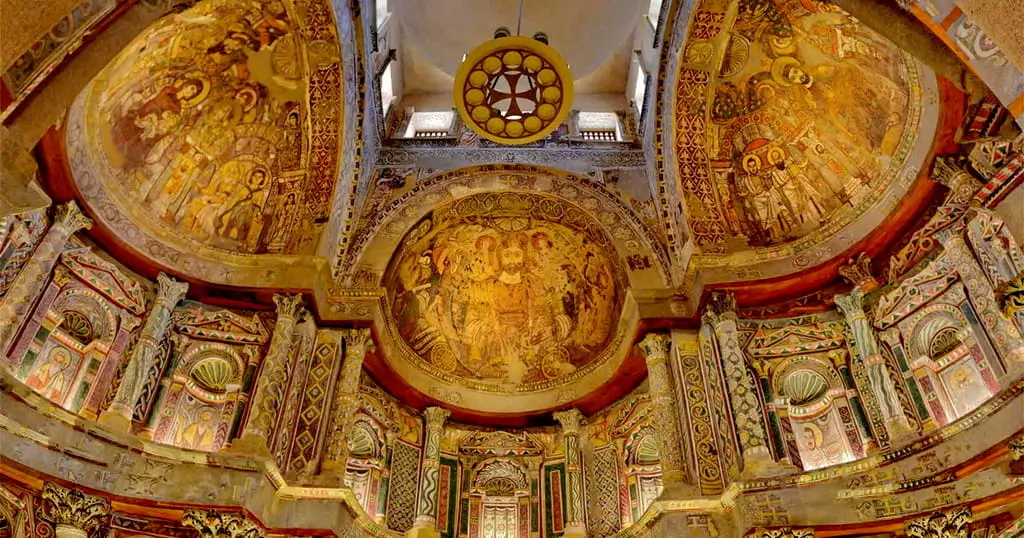
Sohag holds a unique position in the history of faith beyond its Pharaonic grandeur. Early Christian hermits sought solitude in this desert long ago. These monks left behind the White and Red Monasteries. These buildings are architectural marvels. Specifically, they blend salvaged Pharaonic limestone with intricate Byzantine artistry. Even today, the region’s heritage remains very tactile. For example, weavers in the ancient workshops of Akhmim continue a 4,000-year-old tradition. They throw shuttles across looms just as their ancestors did during the New Kingdom.
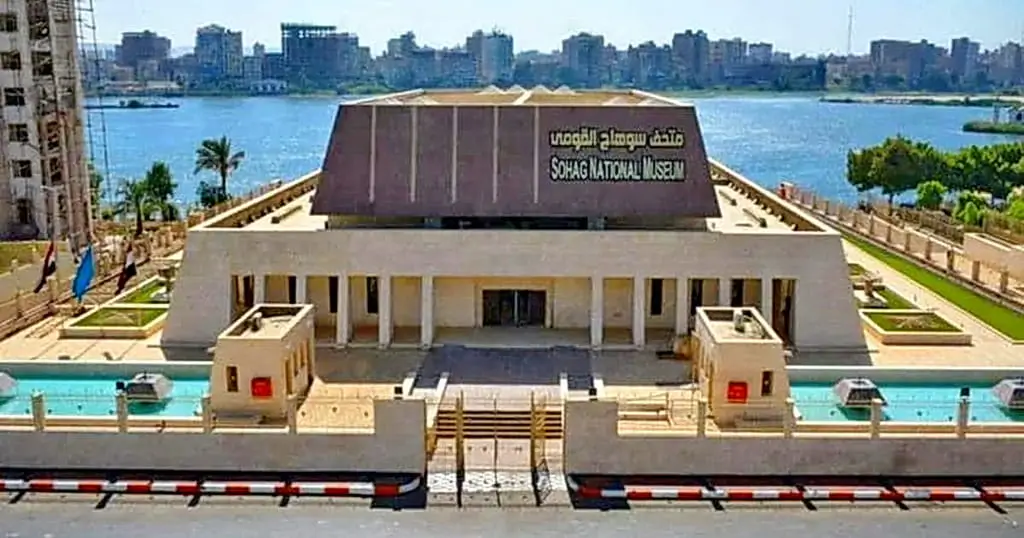
In this guide, we will peel back the layers of this misunderstood governorate. We will explore the soaring heights of the Sohag National Museum. We will also navigate the logistics of the Markaz El Balyana region. Most importantly, we will reveal why you cannot fully understand Egyptian history without visiting Sohag. Whether you are a historian or a spiritual seeker, Sohag is the destination that finally connects the dots.