The War of Liberation: Seqenenre Tao, Kamose, and the Final Push
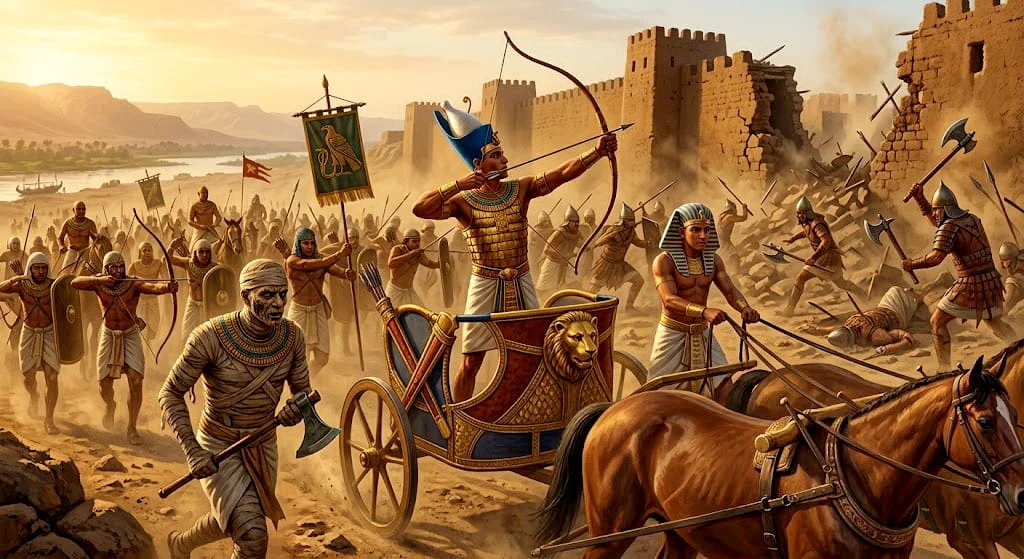
The transformation of the military was not merely academic; it was a desperate, calculated gamble to restore the integrity of the Egyptian state. The campaigns launched by the late Seventeenth Dynasty of Egypt are characterized by an escalation of hostilities that evolved from border skirmishes into a full-scale national war of liberation.
Seqenenre Tao: The Martyr of Thebes
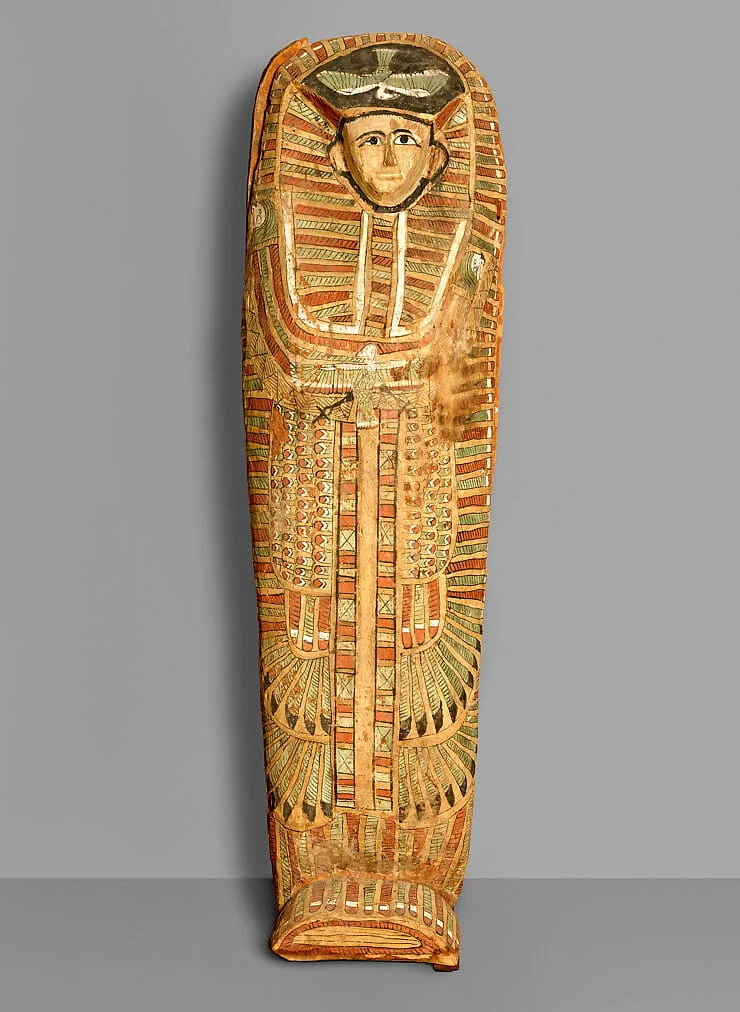
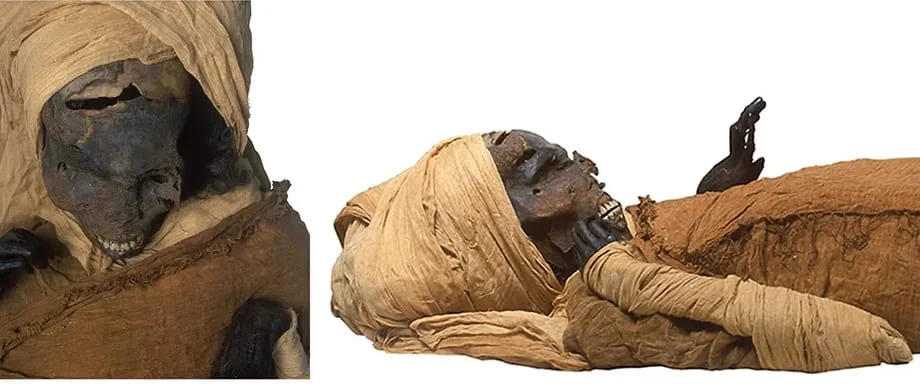
The reign of Seqenenre Tao represents the psychological turning point of the era. Archaeological evidence, most notably the chilling state of his preserved mummy, confirms that he died a violent, gruesome death on the battlefield, likely during a confrontation with the Hyksos. While his reign was relatively short, his defiance served as the ultimate rallying cry for the Theban cause. He demonstrated that the Seventeenth Dynasty of Egypt was no longer a vassal state to be ignored, but a genuine threat that required the Hyksos to commit their full military force to suppress.
Kamose and the Strategy of Total War
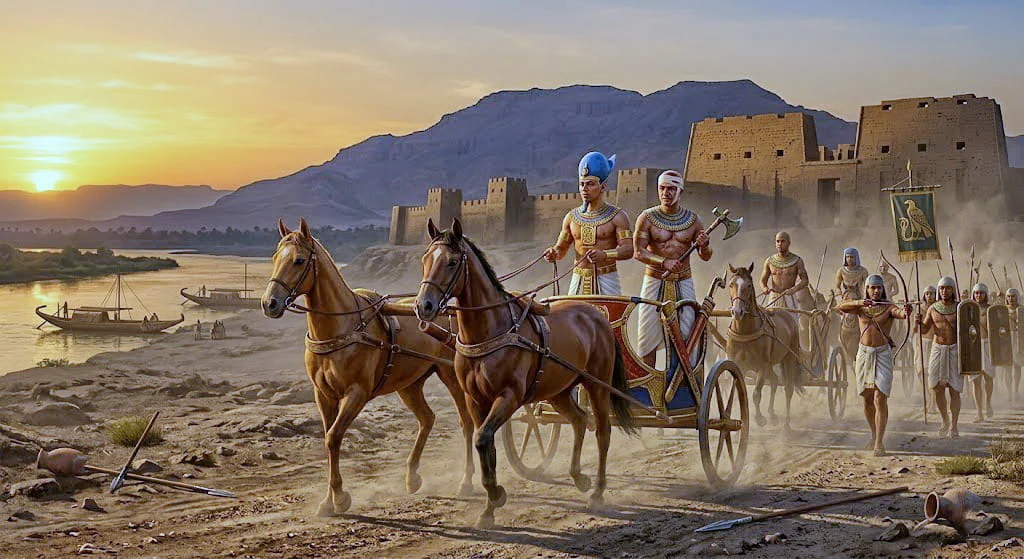
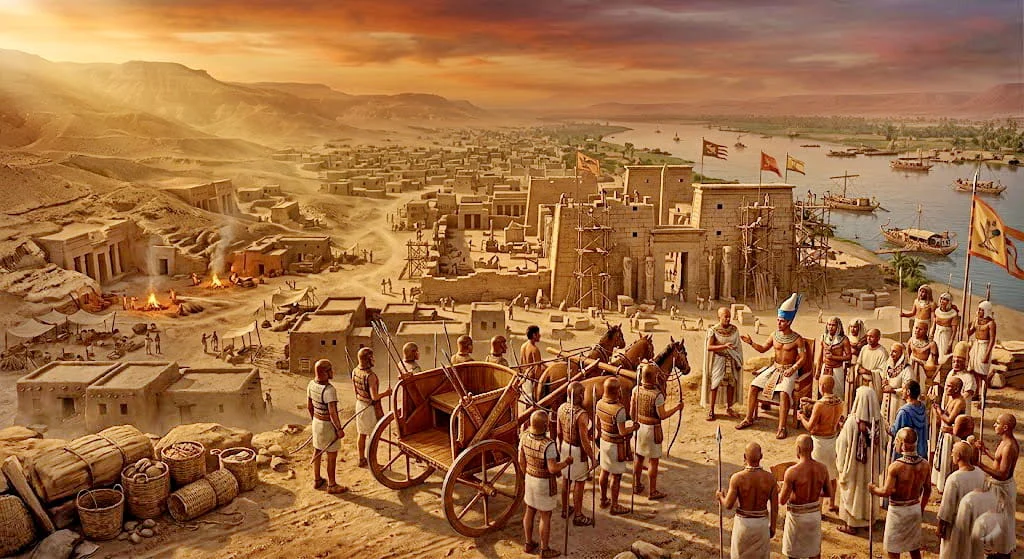
Following the death of his father, King Kamose initiated what can only be described as a preemptive and aggressive campaign of total war. His famous stelae discovered at Karnak provide a firsthand, unfiltered account of his strategic objectives.
- Kamose rejected the counsel of his advisors who urged a policy of containment, instead opting for a decisive northern strike.
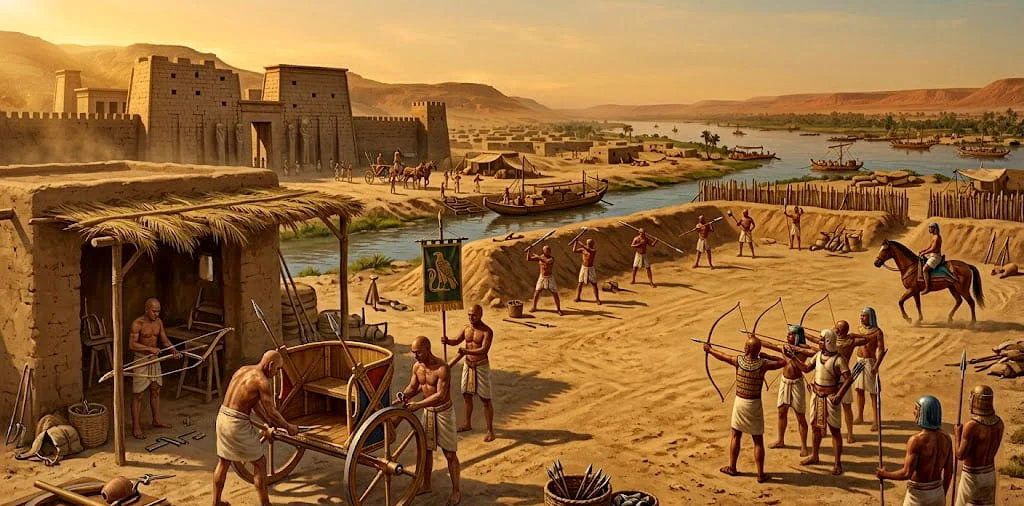
- He effectively utilized his new chariot divisions to bypass fortified Hyksos outposts, pushing his forces deep into enemy-controlled territory.
- His campaign was designed not just to gain territory, but to shatter the perception of Hyksos invincibility in the minds of both the Egyptian populace and the Hyksos occupiers themselves.
The Legacy of the Liberation
The relentless pressure applied by Kamose created the destabilization necessary for his successor, Ahmose I, to complete the expulsion. By the time the Seventeenth Dynasty of Egypt transitioned into the Eighteenth, the Hyksos had been pushed back to their stronghold in Avaris, and the unified identity of the Egyptian state had been violently, but successfully, reforged.
Administrative Reorganization and the Dawn of the New Kingdom
The expulsion of the Hyksos was only the first phase of the Seventeenth Dynasty of Egypt. To prevent a return to the chaos of the Second Intermediate Period, the administration had to bridge the gap between military victory and long-term societal stability. The transition was not instantaneous, but rather a deliberate process of re-integrating the Delta with the south.
Centralizing Governance After the Seventeenth Dynasty of Egypt
With the Hyksos threat dismantled, the administration faced the immense challenge of reunifying a country that had been split for generations.
- The Re-establishment of the Civil Service: The rulers initiated a massive overhaul of the bureaucracy to ensure that tax collection and resource management were once again centralized under the crown rather than localized to provincial princes.
- Integrating the North: The administration began the difficult work of incorporating the Delta—the former Hyksos power base—into the traditional Theban-centered government, ensuring that administrative records were standardized across the entire country.
Economic Reconstruction and Trade
The Seventeenth Dynasty of Egypt laid the groundwork for the economic explosion of the New Kingdom by securing trade routes that had been closed for decades.
- Revitalizing International Trade: By reclaiming control over Mediterranean ports and the Sinai trade routes, the government was able to resume the import of luxury goods, metals, and timbers that were vital for state-sponsored monument building.
- Agricultural Revitalization: The administration focused on rebuilding irrigation and canal systems that had suffered from neglect during the period of division, ensuring a reliable grain surplus that would fuel the burgeoning professional classes and military expansion.
Architectural Evidence of Resurgence
The shift in priorities is perhaps most clearly visible in the transition of their building programs.
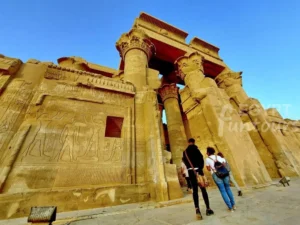
- Temples as Symbols of Sovereignty: Rather than purely defensive fortifications, the state began investing in temple expansions, most notably at Karnak. These structures served as physical assertions of the restored, legitimate pharaonic line and the favor of the gods.
- State-Sanctioned Memorials: Inscriptions from the late Seventeenth Dynasty of Egypt show a move toward state-sanctioned propaganda that highlighted the king as the savior of the land, helping to foster a unified national identity that would define the upcoming Eighteenth Dynasty.
By prioritizing these administrative and economic reforms, the rulers of this era did more than win a war; they created the stable, wealthy, and unified state that enabled the New Kingdom to become the preeminent power of the ancient world