The Was Scepter: Egypt’s Ultimate Symbol of Divine Power

The Was scepter is one of ancient Egypt's most potent symbols, representing divine power, authority, and dominion. This iconic staff, instantly recognizable by its straight shaft, forked base, and stylized animal head, was wielded by gods like Ptah and Set, as well as by pharaohs, to signify their control over the cosmos. This article explores the Was scepter's origins, its deep religious meaning, and its prominent role in hieroglyphs and art as the ultimate emblem of divine and royal power.

The Was Scepter: Symbol of Power

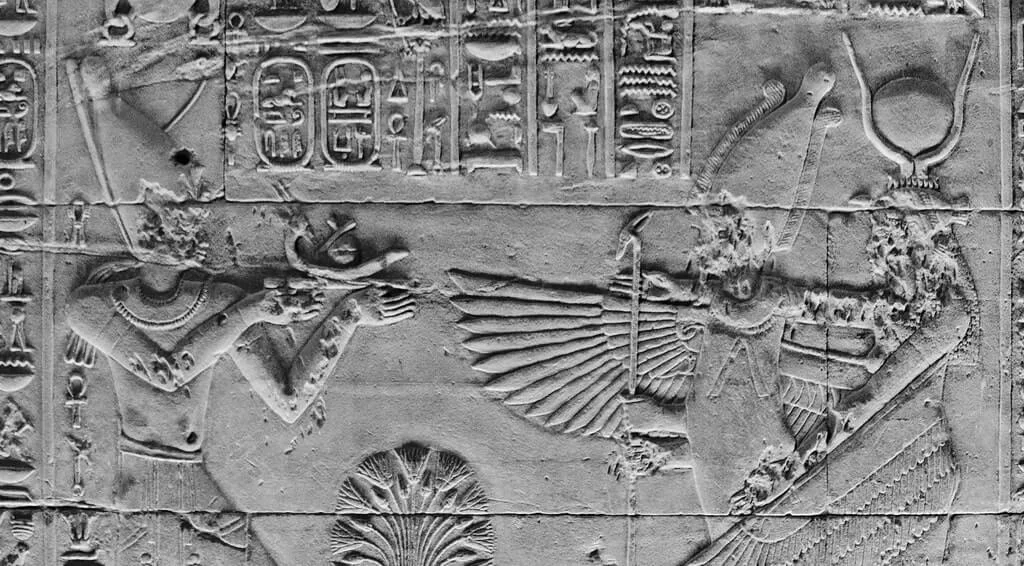
The Was scepter was one of  the powerful symbols in ancient Egypt, representing power, dominion, and well-being. Gods and pharaohs carried this long staff, with its stylized animal head and forked base, to show their divine authority and control over the cosmos. They used it in tomb art and temple carvings, where people believed it ensured prosperity in the afterlife. The Was scepter was unique among other royal staffs, specifically symbolizing a ruler’s inherent power and their ability to maintain cosmic order.

FUN

What Is a Was Scepter? A Deeper Look

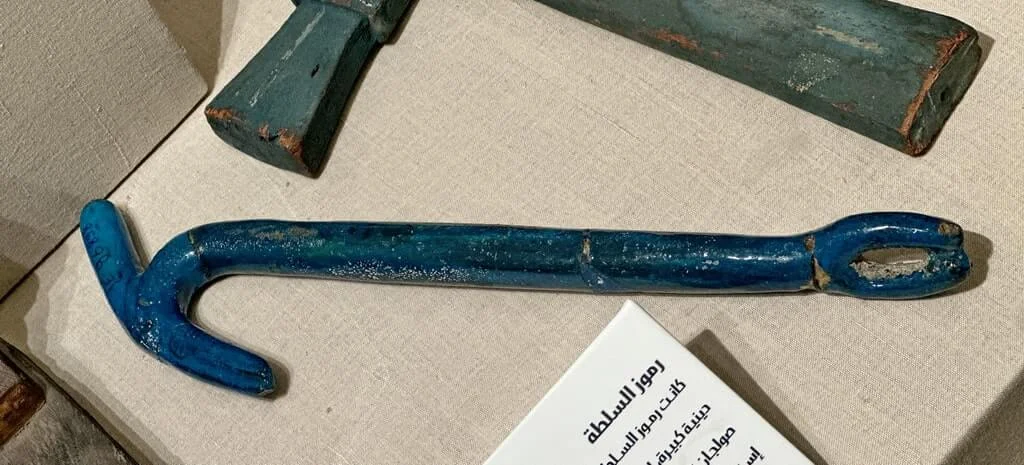
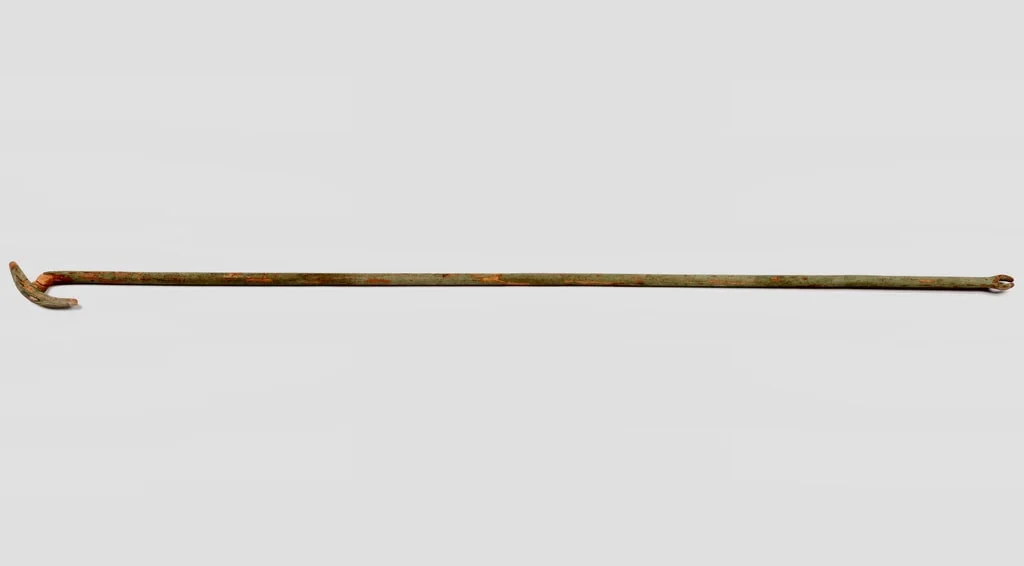
The Was Scepter in the Metropolitan Museum - What Is a Was Scepter.

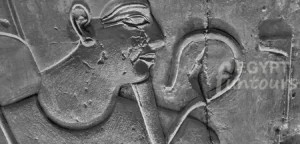
The Was scepter’s design is distinct and instantly identifiable. It is a long, slender staff with a peculiar top and bottom. At its peak, a stylized animal head, often identified as the head of the Set animal, provided a powerful and slightly menacing focal point. This creature, a mythological beast associated with the god of chaos, Seth, represented the untamed forces of the universe. At the other end of the staff, a forked base completed the design, which some scholars believe represents the forked tail or legs of the same creature. The name “was” itself is the Egyptian word for “power” or “dominion,” directly linking the staff to its primary meaning.

FUN

The Multifaceted Symbolism of the Was Scepter

The Multifaceted Symbolism of the Was Scepter

The Was scepter carried a profound set of meanings that evolved over thousands of years. Its core symbolism centered on dominion and power. Gods and pharaohs carried it to show their supreme authority, whether over the cosmos or the kingdom. However, the scepter’s meaning extended beyond mere rule. It also represented well-being and prosperity. In funerary contexts, people believed the Was scepter was responsible for the well-being of the deceased, ensuring their successful journey to the afterlife. It was a tool to ward off hostile forces and maintain the cosmic balance

The Egyptian Cartouche: Symbol of Royalty and Eternal Protection

Uncover the meaning of the ancient Egyptian cartouche, one of the most iconic symbols from...
Related post
FUN

The Was Scepter in Art and Funerary Context

You can find the Was scepter in countless examples of ancient Egyptian art. It is a fundamental element in tomb paintings, temple inscriptions, and on sarcophagi. Its presence in a tomb, for instance, was not accidental. It was a deliberate act to grant the deceased continued power and protection in the next life. Ancient Egyptians used the Was scepter as a glyph in hieroglyphic writing, where it represented the concepts of power and authority. This symbol’s ubiquity highlights its central role in their belief systems. It even appeared in monumental form, with columns and temple supports sometimes taking the scepter’s shape, suggesting that divine power held up the pillars of the sky.

The Two Ladies (Nebty): Unveiling Wadjet and Nekhbet

The Two Ladies (Nebty) form the essential foundation of Ancient Egyptian royalty, embodying the political...
Related post
FUN

Connection to Deities and Royalty

Connection to Deities and Royalty

Many of ancient Egypt’s most important gods wielded the Was scepter. For example, artists frequently depicted Ra, the sun god, and Anubis, the god of the dead, with it, cementing their divine authority. The gods Thoth, known for wisdom, and Khnum, a creator god, also held this powerful staff. Its association with the god Seth is particularly telling. The Was scepter symbolized the power to control the chaotic forces Seth represented, asserting order over disorder. The pharaoh, as the gods’ living embodiment, carried the scepter to show they possessed the same divine right and ability to maintain cosmic harmony.

Key of Life “Ankh Symbol”: Meaning, Origins, and Eternal Significance

The Ankh is arguably ancient Egypt’s most recognizable symbol, instantly identifiable by its unique shape...
Related post
FUN

The Evolution of the Was Scepter

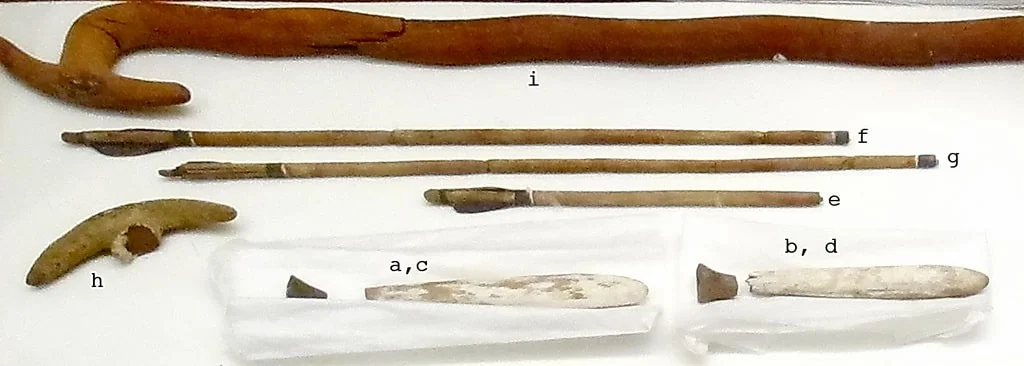
The earliest examples of the Was scepter date back to the First Dynasty. These early versions were often crafted from wood or faience, a glazed ceramic material. Over time, the materials and craftsmanship became more elaborate. Some examples were covered in gold, inlaid with precious stones, or made from other valuable materials, reflecting the status of the wielder. The scepter’s design also saw subtle changes, but the core elements of the stylized animal head and forked base remained constant, demonstrating the enduring power of its symbolism. The Was scepter’s long history shows its consistent importance from the earliest kings of Egypt all the way through to the New Kingdom.

Distinguishing It from Other Insignia

Distinguishing the Scepter from Other Insignia

While the Was scepter is a type of staff, it is crucial to understand its unique role compared to other royal symbols. The pharaoh often held together the heka-scepter (the crook) and nekhakha-scepter (the flail). The crook symbolized his role as a shepherd, guiding his people, and the flail represented his disciplinarian authority. The Was scepter stood apart, symbolizing not just a ruler’s duty but their innate power and divine connection. These staffs were distinct tools, each with a specific purpose and symbolic meaning. Together, they formed the complete set of a pharaoh’s regalia, communicating their multifaceted role as a divine ruler. Ultimately, the Was scepter stands as one of the most important ancient Egyptian symbols.

Weatheri n Egypt

12-Day Guided Egypt Tour Including Hurghada...
This package covers all the tourist cities, the iconic attractions, and the lesser-known beautiful sites....
A Royal Commission The History of Al-Rifa'i Mosque

Highly recommended

Salam, This company is very responsive and accommodating. From the moment we started to chat via email, to the moment we left Egypt at the airport, these fellows were very professional. The tour covered most of what we wanted to see! We customized it to our needs and added some

More »

Well Done

All aspects of the experience were considered and well taken care of. Knowledgeable and friendly guide and organized itinerary.

More »

Great one day tour in Cairo

My husband and I had a long layover in Cairo on our way to Kenya in 2010. Since we had never been to Egypt, we decided to sign up for a one-day tour with Egypt Fun Tours Day Trips. Our guide was there when we arrived and quickly guided us

More »
15-Day Historical Egypt Tour Package

all good!

we took pyramid and Cairo city tours and all went smoothly. The were very flexible to adapt to our requirements. Car, car driver and guide were great. very knowledgable and professional tour. Very recommendable

More »

One of the best tours I have ever had!

I was thoroughly impressed by the professionalism of this tour company. I emailed to inquire about the Cairo layover tour about 30 hours before my flight was scheduled to leave from New York. I was pleasantly surprised to get a quick response confirming the tour and assuring that a guide

More »
Isis with wings

Top-rated Tour Packages

Isis with wings