Saqqara is much more than an old cemetery. In fact, it is the place where the very idea of Ancient Egypt was born. While most people look at the Giza Pyramids first, Saqqara is actually where the story began. It sits on a high desert plateau near the old capital of Memphis. For over 3,000 years, Egyptians buried their kings and commoners here. Because of this, the site acts like a stone history book of an ancient world.
Today, we are living through a new “Golden Age” for the site. Archaeologists are finding new coffins and hidden tombs every single month. Consequently, our understanding of the past is changing fast. In this guide, we will look at how Saqqara changed the world. We will explore the first stone buildings ever made. Furthermore, we will look at the incredible discoveries made just this year in 2026.
The Genesis of Stone: Djoser and the Imhotep Revolution

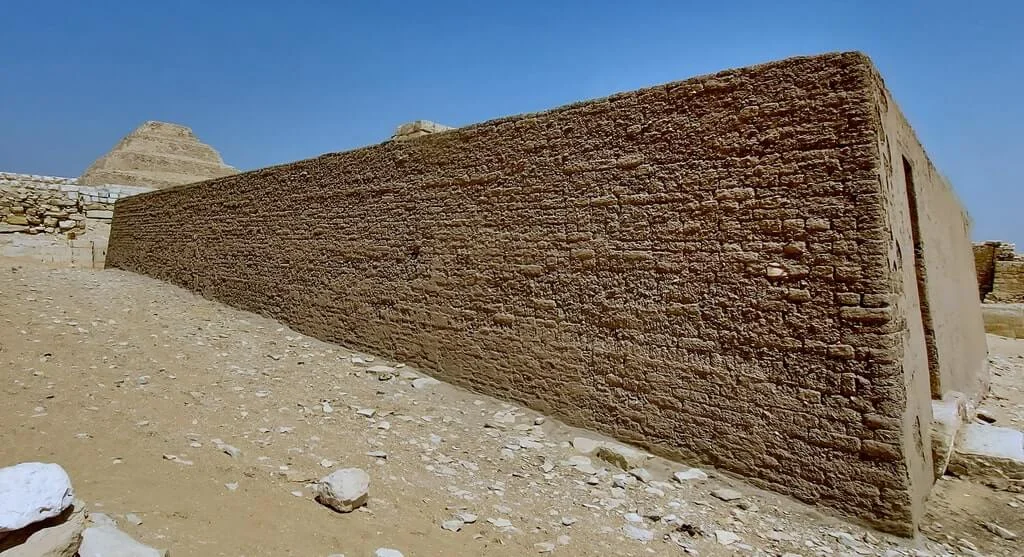
The history of Saqqara changed forever during the 3rd Dynasty. Before this time, kings were buried in simple pits or mud-brick boxes called mastabas. These buildings were flat and rectangular. However, they were not very strong. They eventually crumbled in the desert heat. Then, a King named Djoser took the throne and changed everything.
The Genius of Imhotep
King Djoser had a brilliant architect named Imhotep. Imhotep wanted to build something that would last forever. Therefore, he made a bold choice. He decided to stop using mud and start using cut limestone. This was a massive turning point in human history. It was the first time anyone had built a large monument entirely out of stone.
How the Pyramid Was Built
The Step Pyramid did not start as a pyramid. Instead, it grew in stages. First, Imhotep built a large stone mastaba. After that, he decided to make it bigger. He eventually stacked five more levels on top of the first one.
- The Shape: This created a giant staircase with six steps.
- The Meaning: The Egyptians believed the King could use these steps to climb to the stars.
- The Size: It rose 62 meters into the air.
The Great Complex

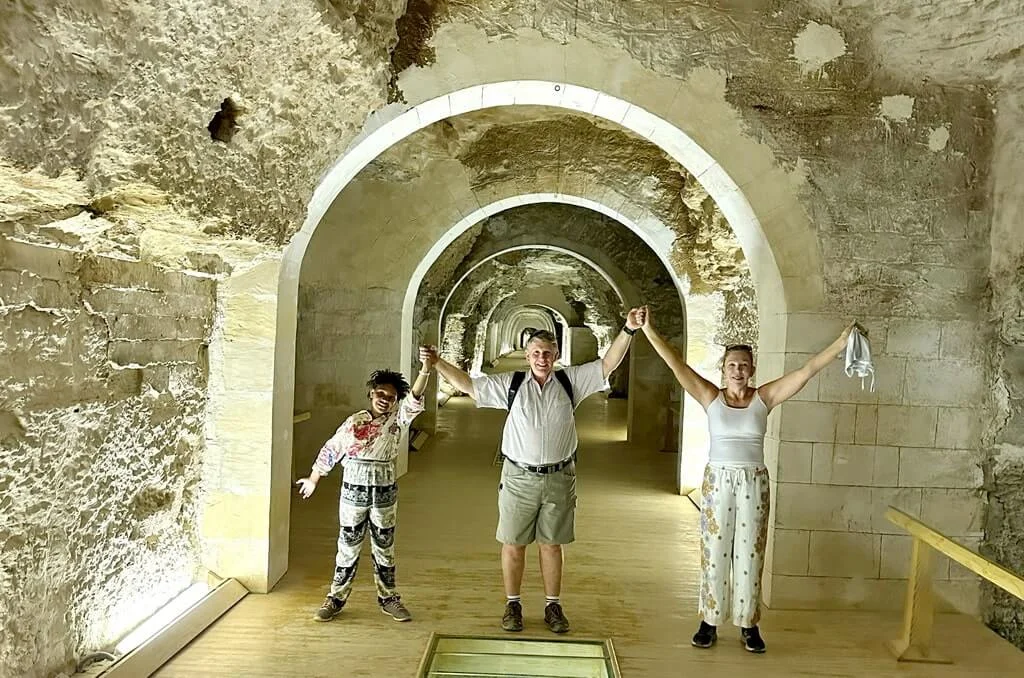
The pyramid was not just a single building. On the contrary, it was part of a huge walled city. This complex included temples, courtyards, and long tunnels. For instance, the Heb-Sed Court was built for the King to run a race. This ritual proved he was still strong enough to lead. Even though the King was dead, he was expected to keep ruling in the afterlife.
As a result of Imhotep’s work, the “Age of the Pyramids” began. This one building at Saqqara paved the way for the Great Pyramid of Giza. Without the lessons learned here, the wonders of the world would never have been built.