Ancient Egyptian Mummification: The Complete Guide to the 70-Day Ritual

Unlock the secrets of Ancient Egyptian Mummification, the elaborate 70-day ritual designed to defeat death itself. This guide takes you step-by-step through the sacred process, from the surgical removal of organs and the dehydration of the body with natron salt to the final wrapping in linen and amulets. Discover how priests, acting as the god Anubis, transformed the deceased into a perfect, eternal vessel for the soul to inhabit in the Field of Reeds.

What Exactly is a Mummy?

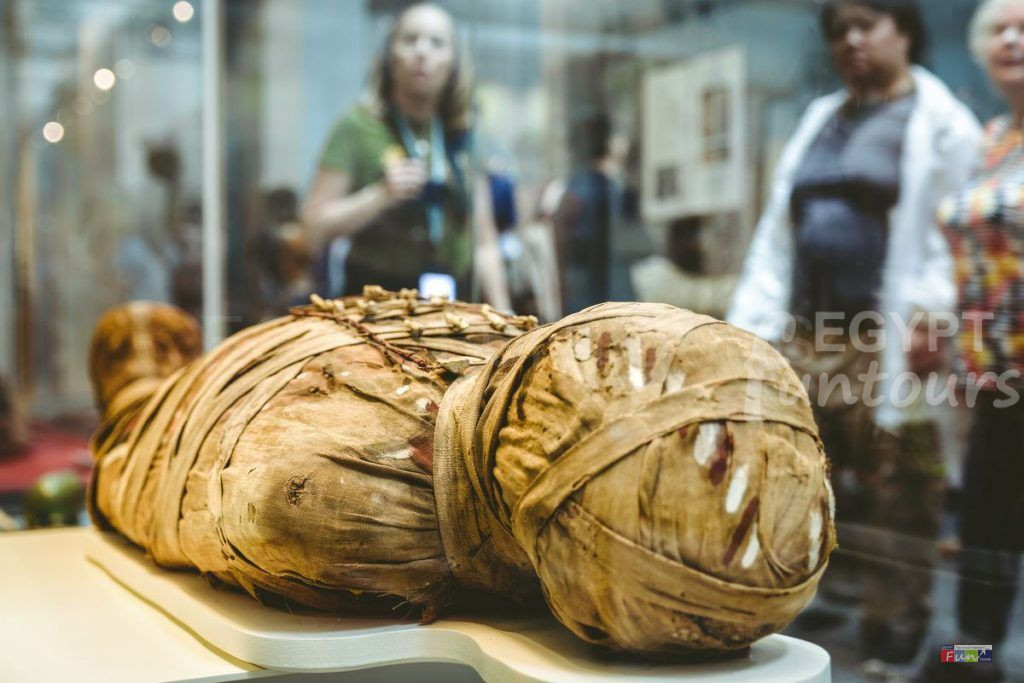
Ancient Egyptian mummification is the most famous embalming system in history. A mummy is someone or anything that has had its physical body preserved. Egyptian mummies are purposeful, meaning embalmers performed certain rites on human or animal remains to preserve the body. Some mummies are inadvertent, meaning natural circumstances preserved the body.

FUN

Ancient Egyptian Mummification Types

What exactly is a mummy?. Egypt Fun Tours

The first thing that springs to mind when thinking of mummification in ancient Egypt is human mummified bodies, such as the mummies of the Kings. Other animals, such as dogs, cats, and birds were part of the ancient Egyptian mummification. They also preserved food so that they may enjoy it in the afterlife. A “victual mummy” is what this is called.

Who was it that was mummified?

Pharaohs were frequently mummified and buried in grandiose tombs throughout their reign. Non-royal people were also mummified at this time. Although their mummification was not as extensive as that of royalty, depending on their family’s financial resources, it was nevertheless impressive nonetheless. Simple methods of mummification for the poor include cleaning out the intestines and coating the corpse with natron, then putting them in the bare minimum of wrappings and burying them in a small grave or cave.

FUN

Steps of the Ancient Egyptian Mummification Process

  • Body cleansing:

The ancient Egyptian mummification procedure began with priests washing the body with Nile River water. They considered the water sacred because it aided in the growth of their crops.

  • Taking the brain out:

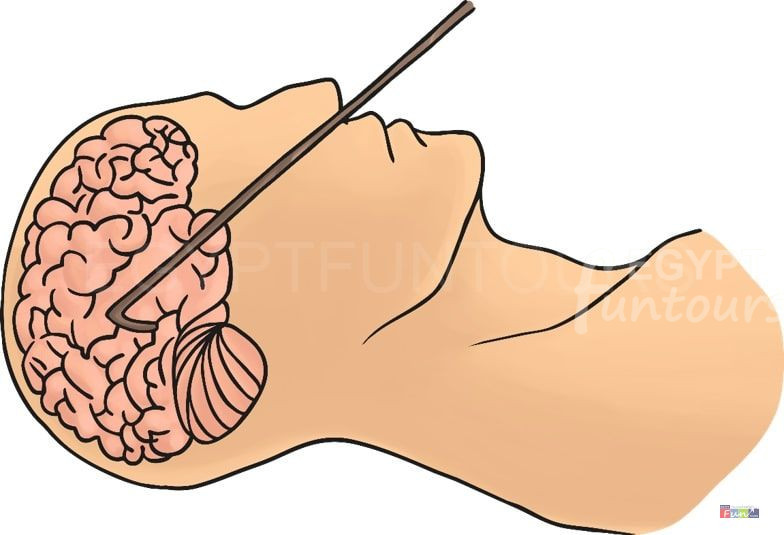
Removing the brain - Ancient Egyptian Mummification - Egypt Fun Tours

Using a brain hook, the next step was to remove the brain. They threw away the brain.

  • Taking out the organs:

In the meticulous process of ancient Egyptian mummification, priests removed the internal organs, but they left the heart inside the body as the seat of the soul. The other major organs were placed in four Canopic jars. Each jar was guarded by one of the Four Sons of Horus and protected a specific organ: the liver, stomach, lungs, and intestines.

  • Using Natron Salt:

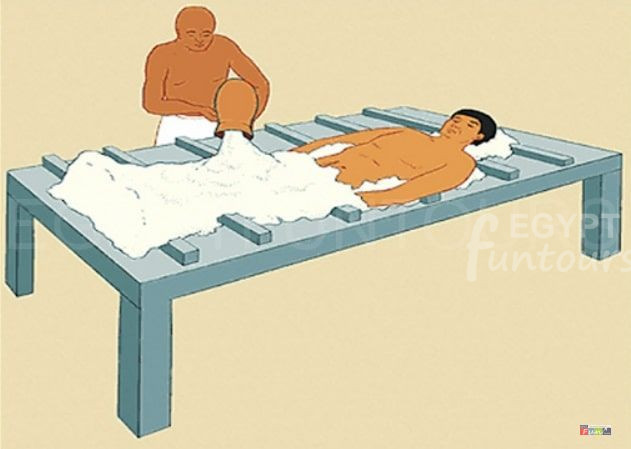
Using Natron Salt - Ancient Egyptian Mummification - Egypt Fun Tours

After priests removed the organs, they used natron to wrap the body both inside and out. Natron is a salt that occurs naturally in the Egyptian desert and absorbs moisture and fat. Every several weeks, they had to replenish the Natron. This part of the procedure took roughly 40 days to complete.

  • Wrapping the body:

Body wrapping - ancient Egyptian Mummification

It was then time to wrap the mummy. In many respects, wrapping the mummy was significant. The priest read charms to safeguard and reawaken them in the afterlife while the arms and legs were wrapped.

  • Ritual of opening the mouth:

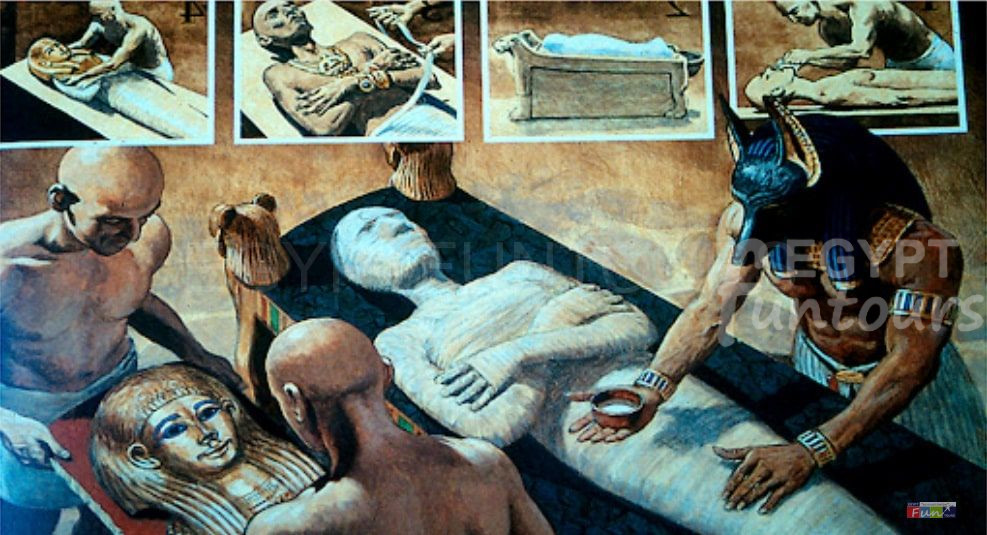
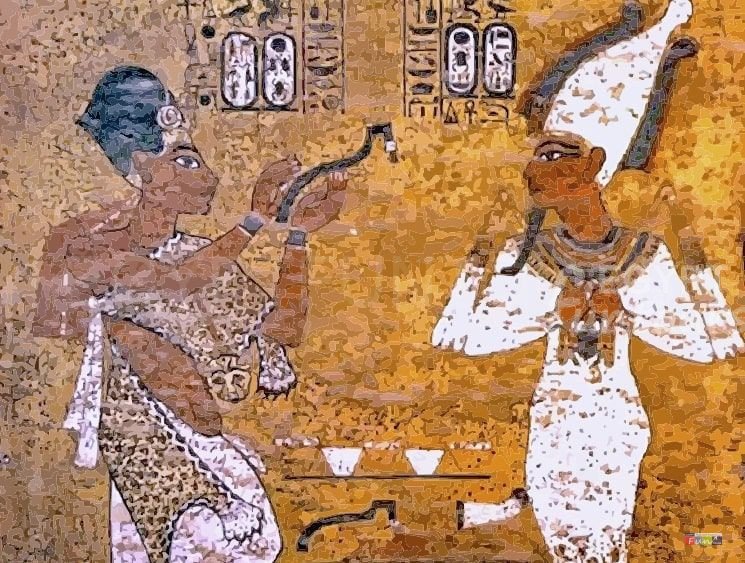
Opening of the mouth ritual - ancient Egyptian mummification - Egypt Fun Tours

The priest restored the mummy’s five senses during the “Opening of the Mouth” rite, a critical step in ancient Egyptian mummification. In the afterlife, the mummy would require their senses.

Ancient Egyptian Economy

The existence of the Nile River, which was one of the factors of the ancient...

Related post
FUN

Adorning the body

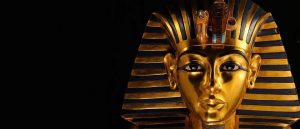
The priests placed amulets inside the mummy’s wrappings. People think that wearing an amulet would protect the person who wears it. The ancient Egyptians thought the amulets ensured safe passage and survival in the afterlife. For example, priests strewed almost 140 amulets around King Tut’s wrappings. The ancient Egyptians would also include a heart scarab beetle and a pectoral with the wrapped mummy. They would cover the shrouded mummy’s face with a mask. Because priests shrouded the mummy’s face in wrappings, they were anxious that the mummy’s soul would be unable to identify its body.

Incorporating the mummy inside the coffin:

Priests would entomb the mummy in a coffin that could take on a variety of forms. It’s an anthropoid coffin, which means it’s shaped like a human body (wide at the shoulders and then narrow). This final step of ancient Egyptian mummification was crucial for the mummy’s journey.

The Final Judgment: Weighing of the Heart and the Hall of Two Truths

The Final Judgment stands as the most critical event in the ancient Egyptian conception of...
Related post
FUN

The Weighting of the Heart

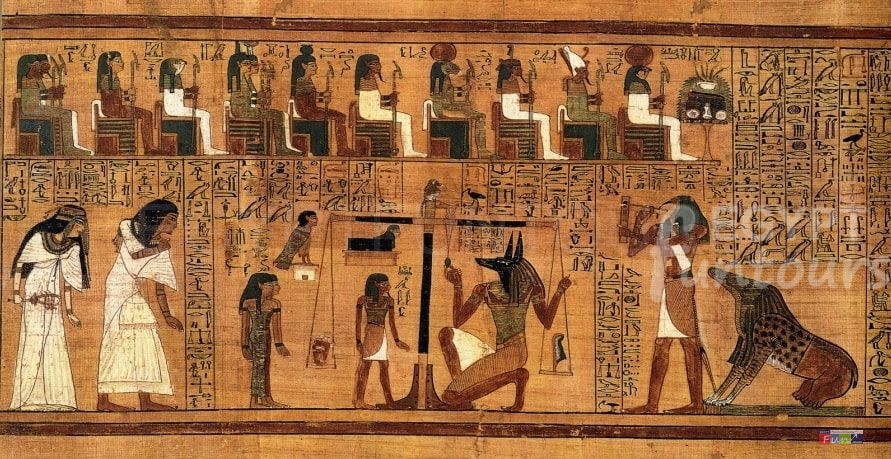
weighing the heart - Egypt Fun Tours

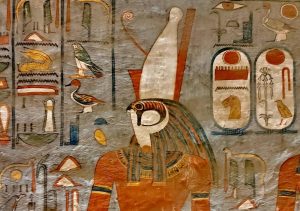
The ancient Egyptians thought that their hearts would be weighed against the goddess Maat’s feather on the scales. Maat symbolized the concept of order, which signified “what is proper” in this context. Anubis, the deity of embalming, also appears in this scenario. He wears a jackal’s head.

“Legendary Animal” Ammit

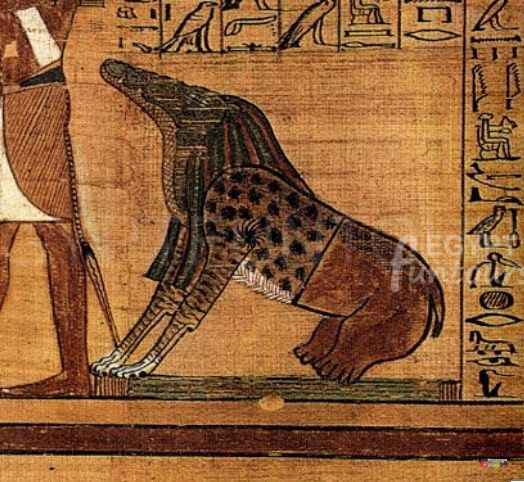
Legendary Animal Ammit - Mummification - Egypt Fun Tours

The devourer was Ammit. The monster had a crocodile’s head, a lion’s body, and the bottom of a hippopotamus. Ammit would consume someone’s heart if it was heavier than Maat’s feather. They did not go anywhere for Ammit to punish them and consume their hearts; they just vanished.

“Spirit of the Deceased” (Ba):

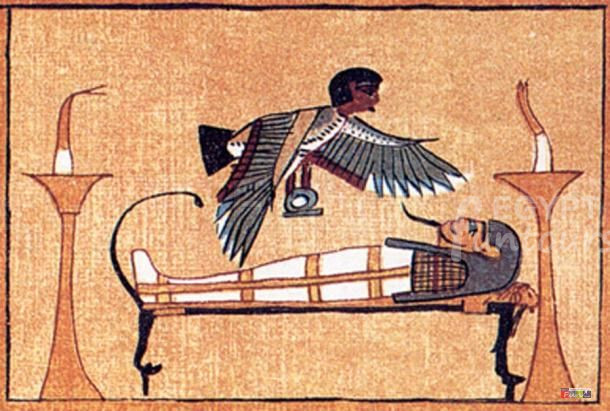
The Ba "Spirit of the deceased - Mummification in ancient Egypt - Egypt Fun Tours

Finally, the Ba and the physical mummy would reconcile. The Ba symbolized the deceased’s personality. Every night, the Ba had to rejoin the mummy to endure the afterlife.

Guide to Ancient Egyptian Tattoos: History, Meanings, and Designs

For decades, scholars believed Ancient Egyptian tattoos were reserved for "dancing girls" or the lower...
Related post
FUN

The Ancient Egyptian Mummification in Today’s Research

Archaeologists continuously discover mummies. Mummy cells preserve a record of sickness, which physicians and scientists may analyze to learn more about viruses and bacteria.  Mummies can help us understand more about ancient societies and create better vaccinations and other therapies by allowing us to study them.

Take one of our Egypt Tour Packages to see the fresh discoveries and Royal Mummies, as well as a lovely Nile Cruise experience in Luxor and Aswan to see the everlasting location of the Ancient Egyptian Mummies at the Valley of the Kings.

Deluxe Egypt tours  Anubis and the mummification in ancient Egypt   Check the weather in Egypt

Explore the Giza pyramids, Cairo Museums, Islamic and Coptic Cairo, and many more...
Magical White Desert Camping Adventure starting from Cairo...
group tour of wonders

Solid Tour Company

Last year (2010) my wife and I did a 20 day trip in Egypt, mostly Do-It-Yourself. However, one of the first things we did was a trip to Bahariya oasis and to the White Desert — not so easy to do yourself, so we needed an agency. After e-mail back-and-forths

More »

Islamic cairo and khan el khalili- great tour

Wonderful tour with the guide Hamada. I did not feel rushed at all. He explained a lot of facts about the city, the mosque, the water storage room, and also brought me to no-hassle shops. He picked a great place to eat and have Turkish coffee and a cold lemon

More »
6 Days Luxury Tour {Egypt Treasures} - Cairo and Nile Cruise Affordable Tour Package

A trip of a lifetime in a 10 hour layover!

We recently scheduled a layover tour in Cairo through Egypt Fun Tours. Our layover was 10 hours and we scheduled the tour just about a day and a half before our arrival. When we arrived in Cairo we very easily made our way out of the airport (after getting our

More »
Isis with wings

Top-rated Tour Packages

Isis with wings