The Sacred Vulture: Symbol of Motherhood and Divine Power

Soaring above the Nile, the vulture was seen by ancient Egyptians not as an omen of death, but as a divine protector and a symbol of motherhood. Discover the sacred role of this powerful bird, its deep connection to goddesses like Nekhbet and Mut, and why its image was used to shield pharaohs and adorn the headdresses of the most powerful queens.
The eye of Horus
WhatsApp
Email
Print

The Vulture in Ancient Egypt

The vulture in ancient Egypt, particularly the Egyptian vulture (Neophron percnopterus), held a significant place in ancient Egyptian culture, mythology, and iconography. This report explores the diverse roles and symbolic meanings attributed to vultures in ancient Egypt.

Divider

The Vulture in Ancient Egypt: Nekhbet

Egyptian-Vulture - Vulture in ancient Egypt

The vulture held a uniquely powerful and multifaceted position in ancient Egyptian culture. Egyptians deeply associated these majestic birds with powerful goddesses, saw them as symbols of vital protection, and even believed they played a crucial role in the journey to the afterlife.

Association with Goddesses

Vultures associated closely with several prominent goddesses in ancient Egyptian mythology. Nekhbet, the revered vulture goddess, served as the patroness of Upper Egypt. Artists often depicted her as a vulture or as a woman adorned with an imposing vulture headdress. She powerfully symbolized protection, motherhood, and profound femininity, frequently spreading her immense wings over the pharaoh to offer divine safeguarding. Similarly, Mut, the great mother goddess of Thebes, and Isis, the formidable goddess of motherhood and magic, also wore vulture headdresses. These depictions strongly emphasized their roles in powerful protection and maternal care, aligning them with the vulture’s perceived nurturing qualities.

Golden Scarab

Symbol of Protection and Motherhood

In the intricate system of ancient Egyptian hieroglyphs, the vulture symbolized motherhood, protection, and profound love. This rich symbolism extended extensively into Egyptian art, where artists often depicted vultures with majestically outstretched wings, clearly signifying their inherent protective nature. These powerful images frequently appeared in temples and tombs, visually conveying safety and guardianship. Furthermore, artists often showed the vulture holding a shen ring, a powerful symbol of eternity, in its talons. This imagery further reinforced the bird’s connection to everlasting protection and the cyclical nature of existence, highlighting its role as a benevolent, maternal guardian.

Role in the Afterlife

Egyptians believed vultures guided the souls of the deceased to the afterlife, playing a crucial role in funerary rites and burial practices. Their presence at the fringes of life and death made them ideal candidates for this important spiritual task. This profound belief underscored their association with death and rebirth, as Egyptians saw the journey to the afterlife not as an end, but as a transformation and a continuation. Vultures, therefore, represented the natural cycle of life, death, and renewal, embodying the ancient Egyptian understanding of the cosmic order. They offered a sense of security for the departed’s journey, overseeing their passage into the next realm.

The eye of Horus

Purification and Transformation

Due to their scavenging behavior, Egyptians saw vultures as potent symbols of purification and transformation. They believed these birds cleansed and purified the land by consuming carrion, thus playing a vital, if often overlooked, role in maintaining the balance of nature. This natural process of clearing away the deceased represented a form of transformation, where death fueled new life and ensured the environment remained clean. Egyptians revered the vulture for this essential function, recognizing its contribution to the ecological and spiritual harmony of their world, turning decay into an act of renewal.

Cultural and Practical Significance

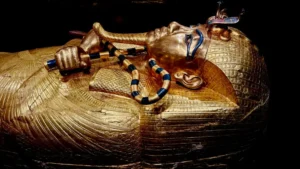
The vulture and cobra snake on the forehead of King Tut

The Egyptian vulture held immense significance in ancient Egyptian culture. It embodied protection, motherhood, and the cycle of life and death. Its strong association with prominent goddesses and its crucial role in funerary practices highlight its importance in both mythology and daily life. Even with modern threats to its survival, the vulture’s legacy as a revered and sacred bird in ancient Egypt endures.

Divider

Sacred Animals and Hieroglyphs

Ancient Egyptians considered the Egyptian vulture sacred, and they immortalized it in their hieroglyphic alphabet as the letter ‘A’. They strongly linked the bird to purity and motherhood, holding it in high regard as a sacred animal dedicated to the mother goddess Isis and the powerful deity Nekhbet. This deep veneration stemmed from their observations of its majestic presence and its role in the natural world, solidifying its place as a divine emblem within their spiritual framework.

Depictions in Art and Temples

Vultures featured prominently in ancient Egyptian art. They also appeared in temple decorations. For example, the Temple of Esna contains vibrant depictions of vulture-like goddesses. These images highlight their protective and divine roles. These intricate artistic representations showcased the bird’s importance. They conveyed spiritual messages. They also immortalized divine figures. Additionally, Nekhbet’s priestesses wore garments made of white vulture feathers. This further emphasized the bird’s sacred status. It showed its direct connection to the divine realm through ritualistic dress and ceremonial practices.

The eye of Horus

Practical Observations

Ancient Egyptians observed female vultures’ excellent motherly instincts. This greatly contributed to their association with maternal care. Vultures could appear terrifying while feeding. Yet, Egyptians revered them. They saw their essential role in the natural cycle of life and death. Egyptians understood these birds performed a vital ecosystem function. They saw scavenging as purification, not decay. This cemented their respected position in nature’s balance.

Modern Conservation Efforts

Today, conservationists list the Egyptian vulture as “Endangered” due to significant threats. These include poisoning, widespread habitat destruction, and dangerous collisions with power lines. Dedicated conservation efforts are ongoing to protect this culturally significant bird, which unfortunately continues to face a concerning population decline. These initiatives aim to preserve the species, ensuring that this ancient symbol of Egypt survives for future generations, continuing its powerful legacy in the natural world.

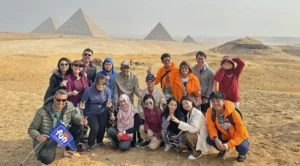
A fantastic group of knowledgeable tour guides from Egypt Fun Tours is there to answer any questions you may have about the history of ancient Egypt and to share fascinating tales from the Pharaohs’ reign.

Divider
Cairo belly dance show - Egypt Fun Tours

The BEST tour – a dream come true

I’ve been dreaming of going to Egypt since I was 7 years old. At 37, I finally made it. Even with the warnings that it’s not safe for Americans. Thankfully, Egypt Fun Tours quickly put any worry aside. Hamada, the owner, was recommended by a friend. He was our personal

More »
A Royal Commission The History of Al-Rifa'i Mosque

Highly recommended

Salam, This company is very responsive and accommodating. From the moment we started to chat via email, to the moment we left Egypt at the airport, these fellows were very professional. The tour covered most of what we wanted to see! We customized it to our needs and added some

More »
Premium Cairo Tour Package Egypt Fun Tours

THE MOST AMAZING TRIP

Hi Hamada! Sorry, we were so quick to say goodbye—my mom was fading 🙂 I just wanted to say thank you for THE MOST AMAZING trip… You thought of every detail, improvised, adapted, overcame every challenge, multitasked personalities, and did it all with grace, intelligence, and kindness. From the bottom

More »

Islamic cairo and khan el khalili- great tour

Wonderful tour with the guide Hamada. I did not feel rushed at all. He explained a lot of facts about the city, the mosque, the water storage room, and also brought me to no-hassle shops. He picked a great place to eat and have Turkish coffee and a cold lemon

More »
God_Anubis_Icon

Top-rated Tour Packages

God_Anubis_Icon
WhatsApp
Email
Print