
Amarna Letters: Ideology of the “Brotherhood of Kings”
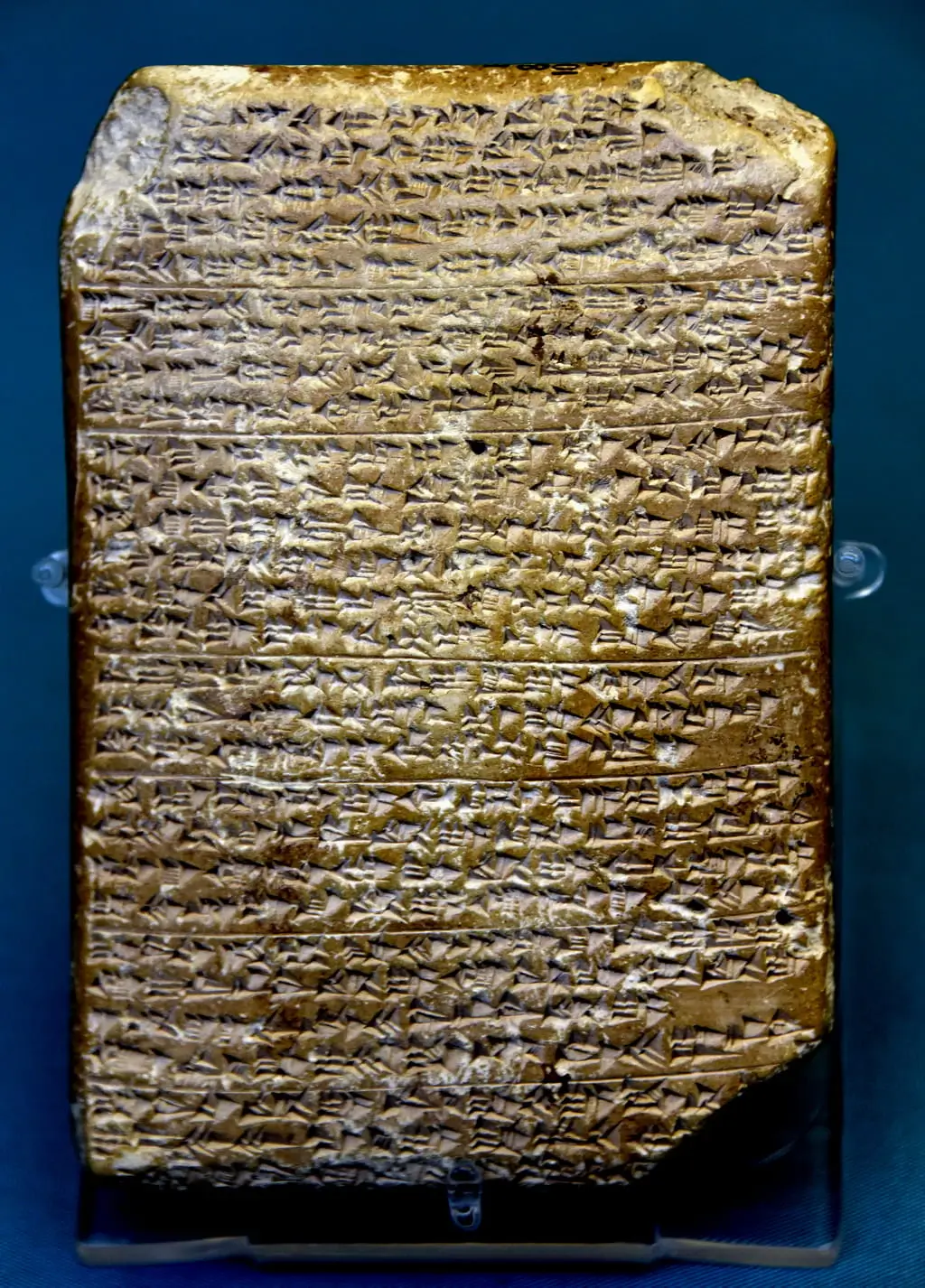
The Amarna Letters reveal a world that was surprisingly “globalized.” This was not a series of isolated kingdoms, but a single, integrated system where the rulers of Egypt, Babylonia, Mittani, the Hittites, Assyria, and Arzawa viewed themselves as a peer group. They were the Great Kings (šarru rabû).
The Language of Kinship
The most striking feature of these letters is the use of family metaphors. Rulers did not address each other by title alone; they used the term “My Brother.” * Equality: By using “Brother,” a king asserted that he was of equal status to the Pharaoh.
- The Household Metaphor: The international community was treated as an extended household. A typical opening (proem) of a letter would list the health of the “brother’s” household: “May it be well with you. May it be well with your household, your wives, your children, your nobles, your horses, and your chariots.”
- The “Vassal” Contrast: In contrast, smaller city-state rulers (like those in Jerusalem or Byblos) were “servants” or “dogs.” They would address the Pharaoh as “My Lord” and describe themselves as “the dust under your feet,” often claiming to prostrate themselves “seven times and seven times again.”