Discover the Secrets of Ancient Egyptian Governance and Duty
Imagine a handbook that details precisely how an ancient empire was managed. The Tomb of Rekhmire (commonly known by its identifier TT100) is not merely a final resting place; it is a vibrant, visual encyclopedia detailing the inner workings of the 18th Dynasty. While other tombs focus on mystical religious journeys, TT100 offers a unique, groundbreaking look at civic duty and bureaucratic precision.
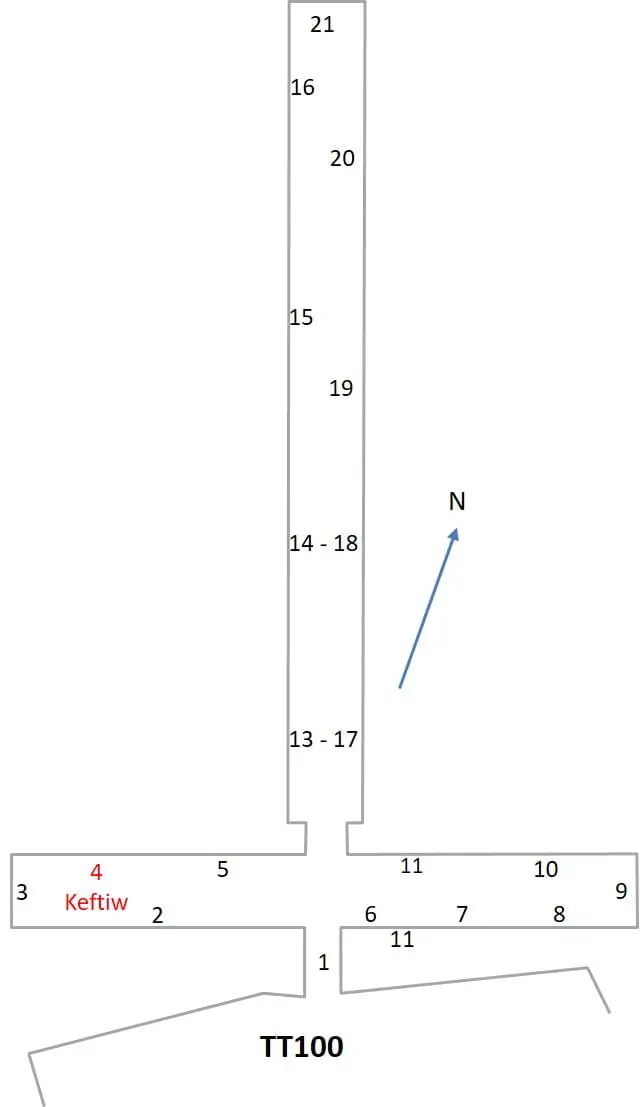
Located in the hills of Sheikh Abd el-Qurna in Luxor, this spectacular monument reveals the career of Rekhmire, the powerful Vizier serving two of Egypt’s greatest kings: Thutmose III and Amenhotep II. This authoritative guide will decode the most famous scenes ever discovered in a non-royal tomb.
Why You Must Study the Tomb of Rekhmire
Rekhmire’s tomb is the quintessential source for understanding how Ancient Egyptian administration supported a thriving empire. It is irreplaceable for three core reasons:
- The Vizier’s Job Description: The tomb preserves the singular best textual and visual “job description” ever found for a supreme court justice and head of government in antiquity.
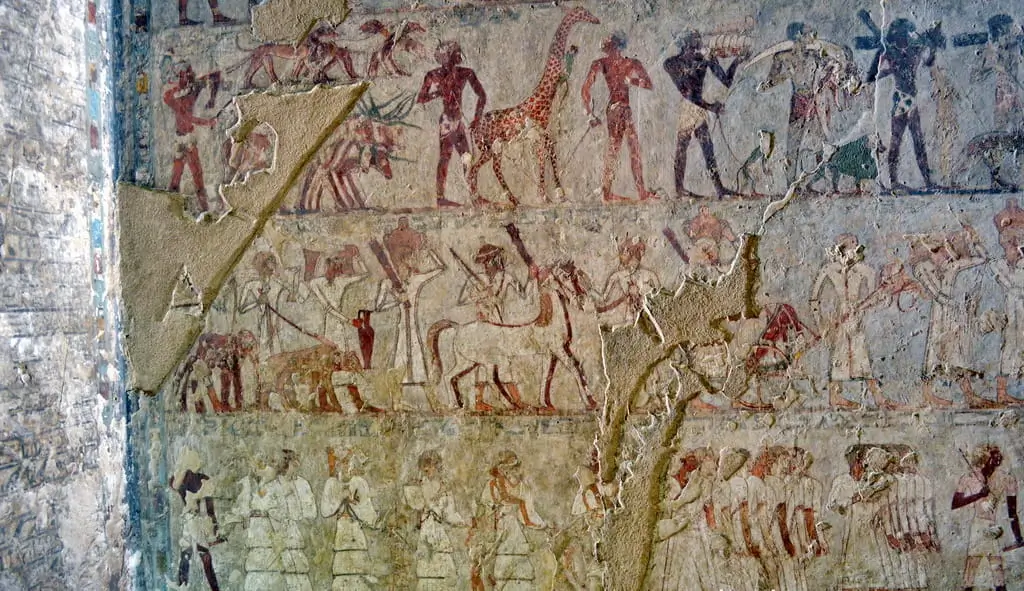
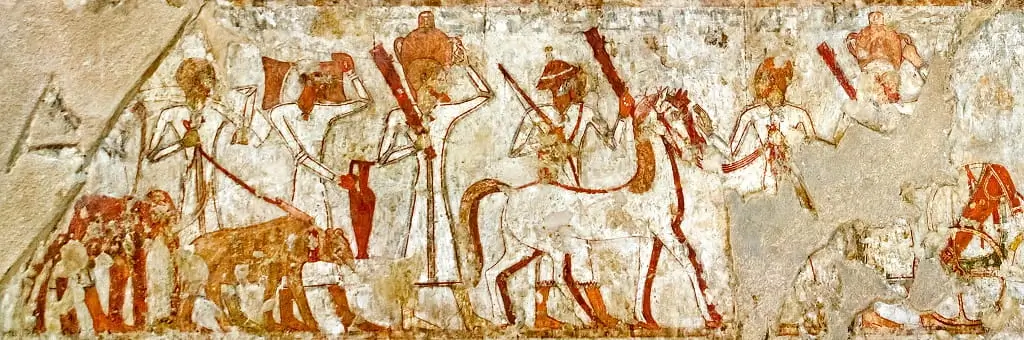
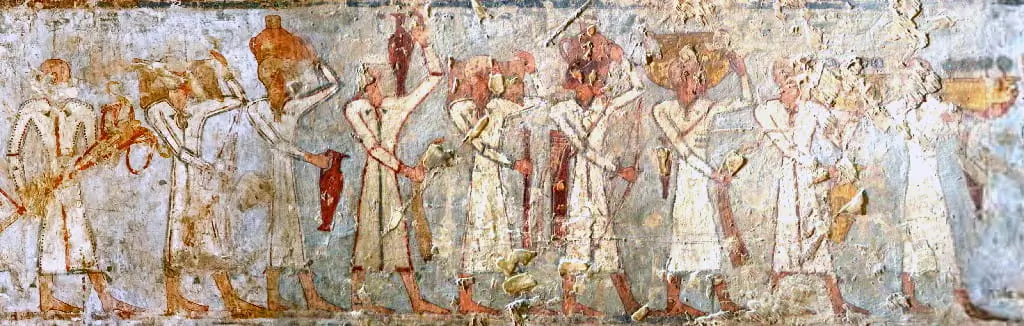
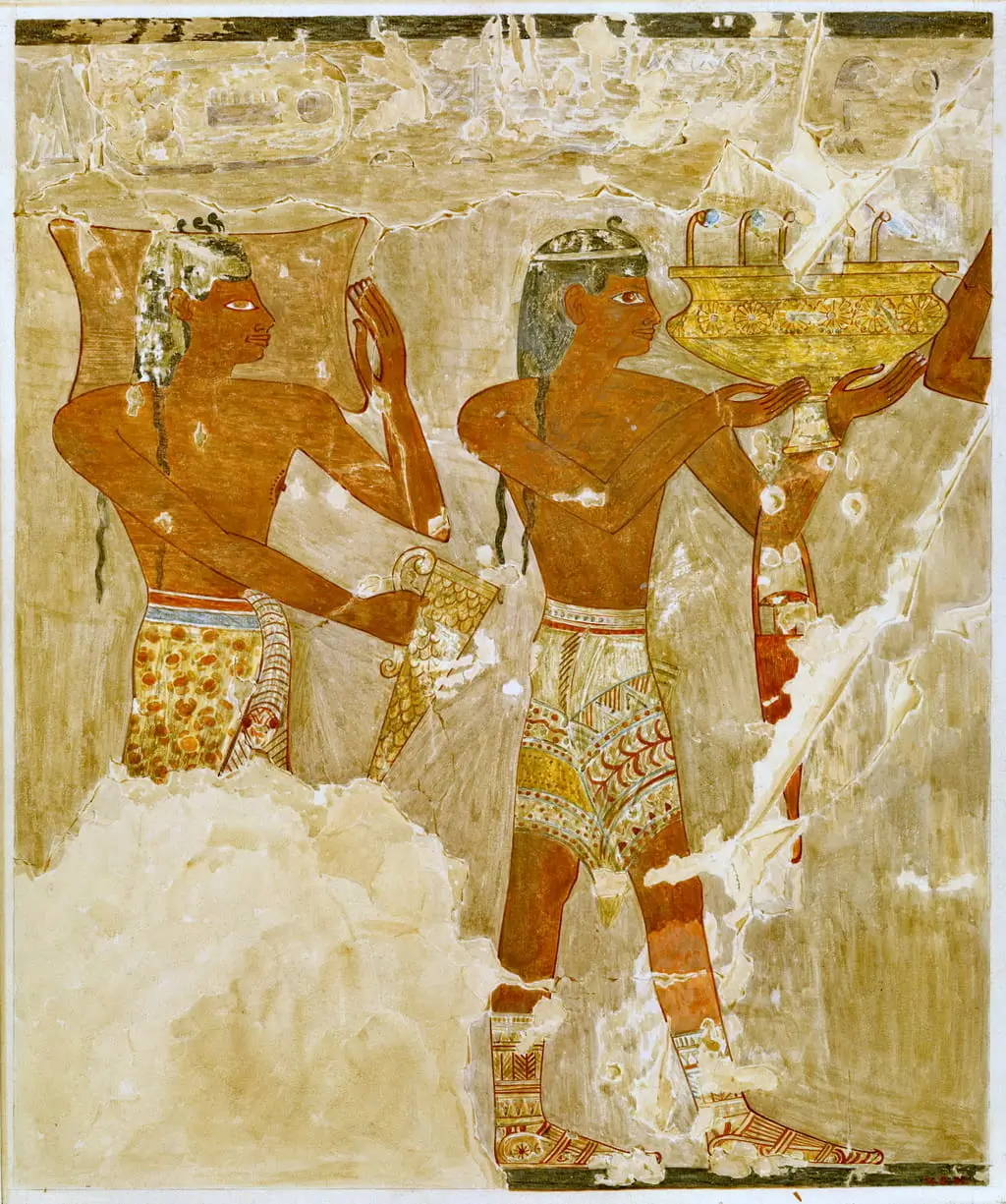
- The Foreign Tribute Scene: It showcases massive, detailed registers of delegates from Punt, Nubia, Syria, and even the Minoans (Keftiu) bearing incredible gifts.
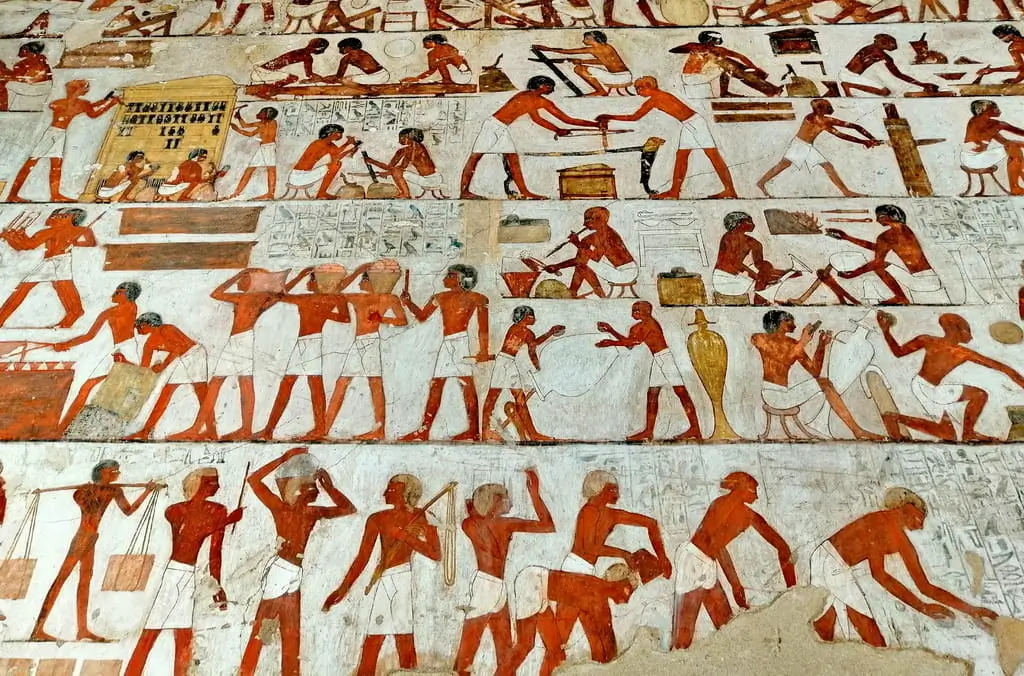
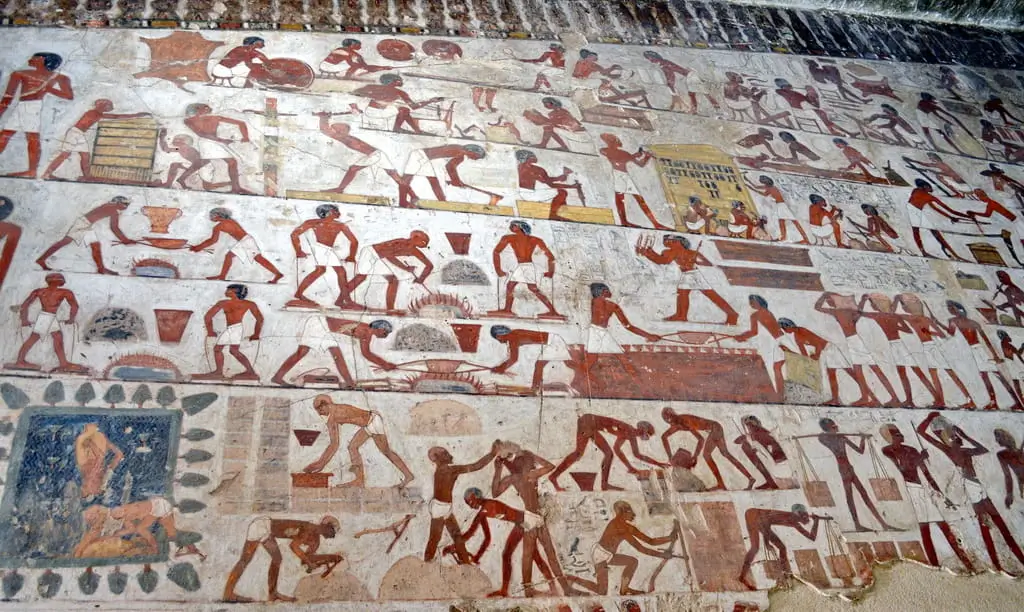
- The State Workshops: It visualizes the chain of command, detailing how goldsmiths, sculptors, and craftsmen were managed on an economic scale.
If you want to move beyond the mythology of kings and gods and truly understand the society that built the pyramids, you must explore The Tomb of Rekhmire (TT100). Our masterclass guide will lead you through every significant scene, decoding the bureaucracy that defined a golden age.
Rekhmire: The Man Who Ran the Empire
Meet the Vizier
Rekhmire was not simply a minor government official; he was the Tjaty—the Vizier of Egypt. In the intricate hierarchy of the 18th Dynasty, the Vizier ranked second only to the Pharaoh himself.
Modern historians often identify Rekhmire as the chief administrator of Thutmose III, Egypt’s great “Napoleon” pharaoh. Thutmose III expanded the Egyptian empire to its absolute greatest extent, and Rekhmire oversaw the complex internal mechanics that supported these massive military campaigns. Following Thutmose III, Rekhmire continued his supreme service under Amenhotep II.
The office of the Vizier demanded relentless activity. The ancient texts describe Rekhmire as the “eyes and ears of the King.” He managed everything from legal disputes to state economic output. In TT100, we do not simply see depictions of his power; we see evidence of his workload. He stands as the ultimate bureaucrat of the ancient world.
A Dynasty of Administration
Rekhmire did not attain this powerful office by chance. He belonged to an incredibly influential bureaucratic family that essentially monopolized the Vizierate in Upper Egypt during this era.
His grandfather, his father, and his uncles all preceded him in this exact role. This dynasty of administrators ensured stability for the throne but also consolidated immense power. When Rekhmire commissioned TT100, he did not just create a tomb; he built a final declaration of his family’s essential service to the Egyptian state.
The Location of the Monument
Rekhmire chose a prominent location for his massive, non-royal tomb. He selected the hills of Sheikh Abd el-Qurna, a section of the Theban Necropolis in Luxor. This specific hill served as the definitive “neighborhood” for high-ranking officials. By placing his tomb here, Rekhmire signaled his elite status for all eternity, ensuring his spirit would rest surrounded by his powerful peers and his family’s enduring legacy.