
The Fifteenth Dynasty of Egypt: Two Worlds on One River
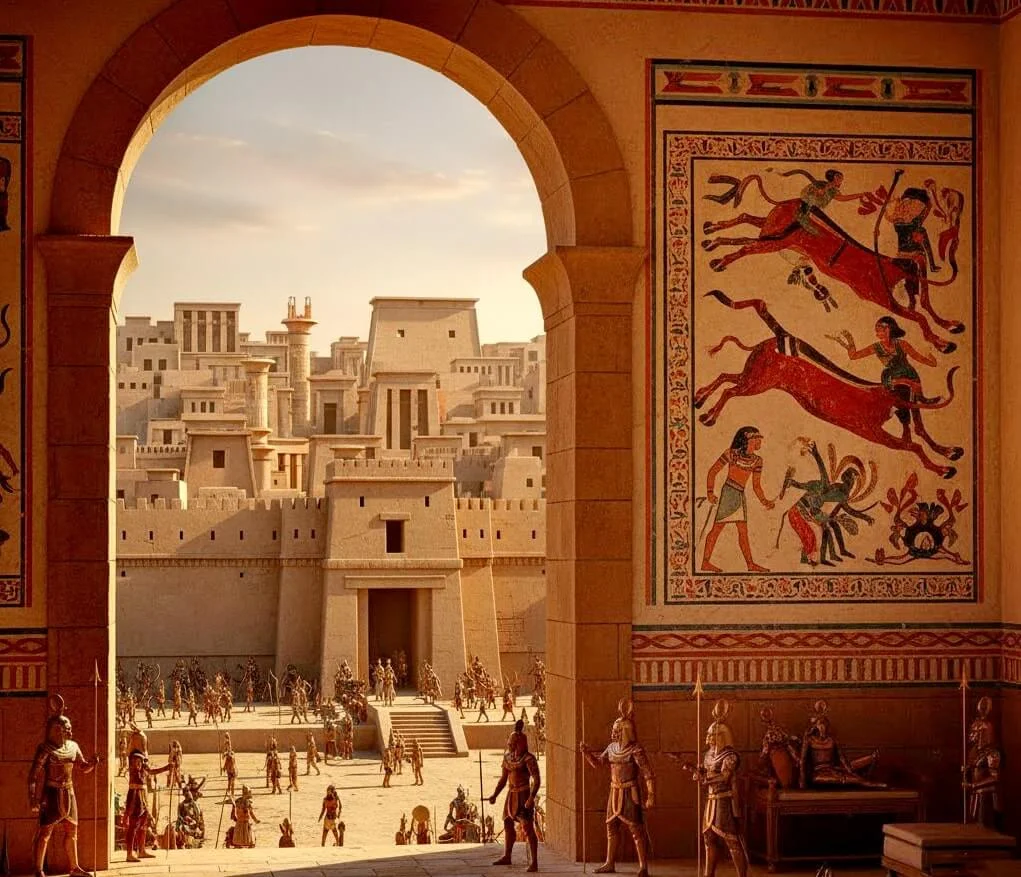
To the far north, the capital of the Fifteenth Dynasty of Egypt thrummed with the dizzying energy of a global empire. This sprawling metropolis, known as Avaris, stood in the sweltering, salt-tinged marshes of the eastern Delta. Merchant vessels from Crete, Canaan, and Cyprus clogged the busy harbor. They unloaded cedar, wine, and olive oil for the local markets. In this city, people spoke the language of the Levant more often than the native tongue of Egypt.
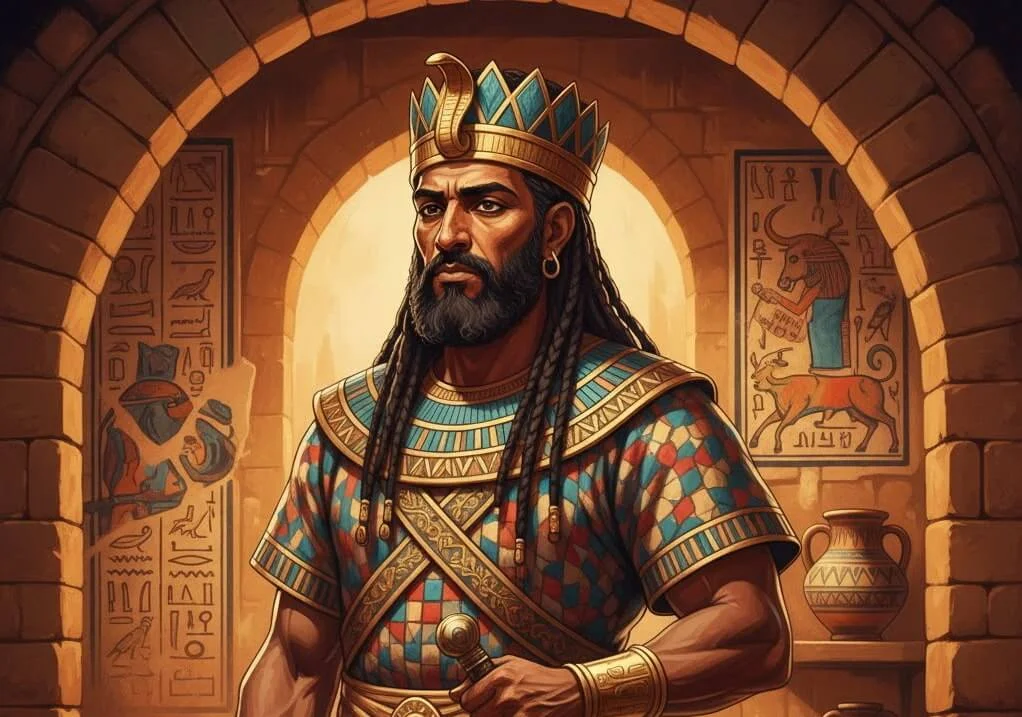
Here sat King Apepi, the absolute ruler of the Fifteenth Dynasty. He was an administrative mastermind and a generous patron of scribes. Apepi wore the double crown of Egypt with absolute confidence. Ironically, his ancestors had entered the Nile Valley as peaceful immigrants rather than as fierce conquerors.
Four hundred miles to the south, Thebes lay tucked away in the narrow sandstone canyons of Upper Egypt. It was a proud, somber city that felt like a gilded cage. For generations, the native Egyptian princes of the Seventeenth Dynasty had ruled over little more than a strip of rocks and riverbank. A humiliating geopolitical pincer completely trapped them. To their south lay the Kingdom of Kush. To their north, the Hyksos maintained an economic stranglehold.
Every year, a heavily guarded royal barge left the docks of Thebes. It carried a bitter payload of gold, grain, and linen north to Avaris. The heirs of the pyramid-builders paid this heavy tax to a king they viewed as a foreign usurper. The peace between these two courts was cold, calculating, and thin as papyrus. Mutual necessity and deep-seated resentment built this fragile stability.