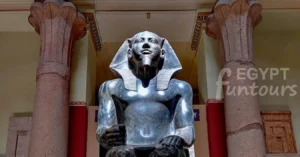
Amenhotep II: The Warrior Pharaoh & Strongman of the 18th Dynasty

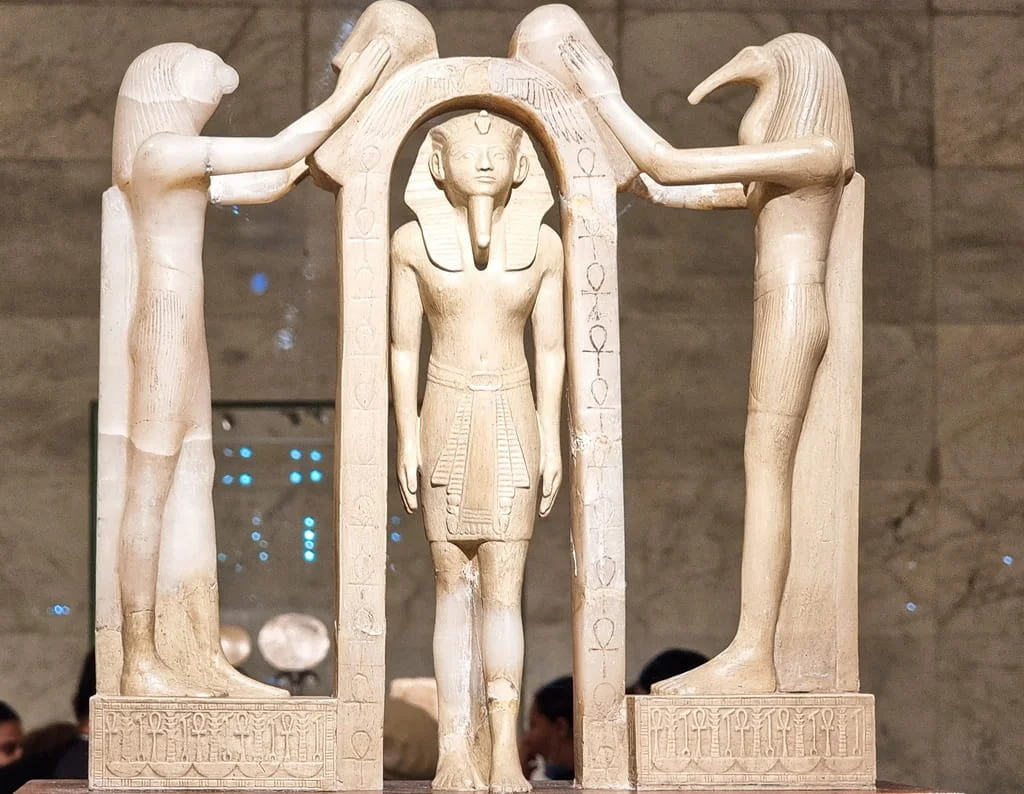
Amenhotep II ruled Egypt at the absolute peak of its imperial power during the 18th Dynasty. Succeeding his legendary father, Thutmose III, this warrior pharaoh chose a path of absolute physical dominance and uncompromising military ferocity to secure the empire. Known widely as an elite athlete, master archer, and ruthless commander, he crushed foreign rebellions with terrifying displays of force that successfully kept Egypt’s borders peaceful for his entire 26-year reign. Beyond his battlefield exploits, he left a lasting architectural footprint from Giza down into Nubia. His final resting place, tomb KV35 in the Valley of the Kings, later served as a vital ancient cache that preserved the mummies of several of Egypt's greatest pharaohs for thousands of years.
The eye of Horus
WhatsApp
Email
Print

The transfer of power in ancient Egypt always brought great danger. This was especially true after the long, monumental reign of Thutmose III. For over five decades, this legendary ruler marched his armies from the Euphrates River down to the cataracts of the Nile. He forged the largest imperial superpower the ancient world had ever seen. When he finally died, a critical question echoed through the halls of Thebes and the courts of foreign kings: could any successor hold this sprawling empire together? The definitive answer came from his son and handpicked successor, Akheperure Amenhotep II.
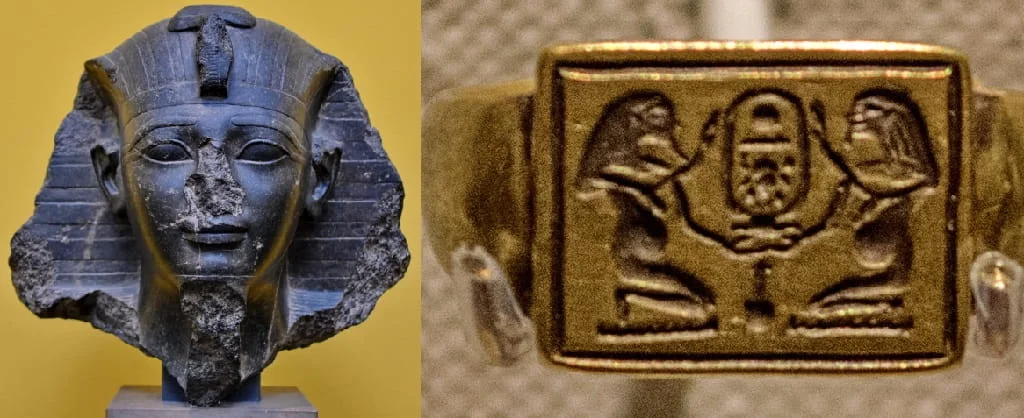
The young pharaoh stepped directly out of one of history’s largest shadows

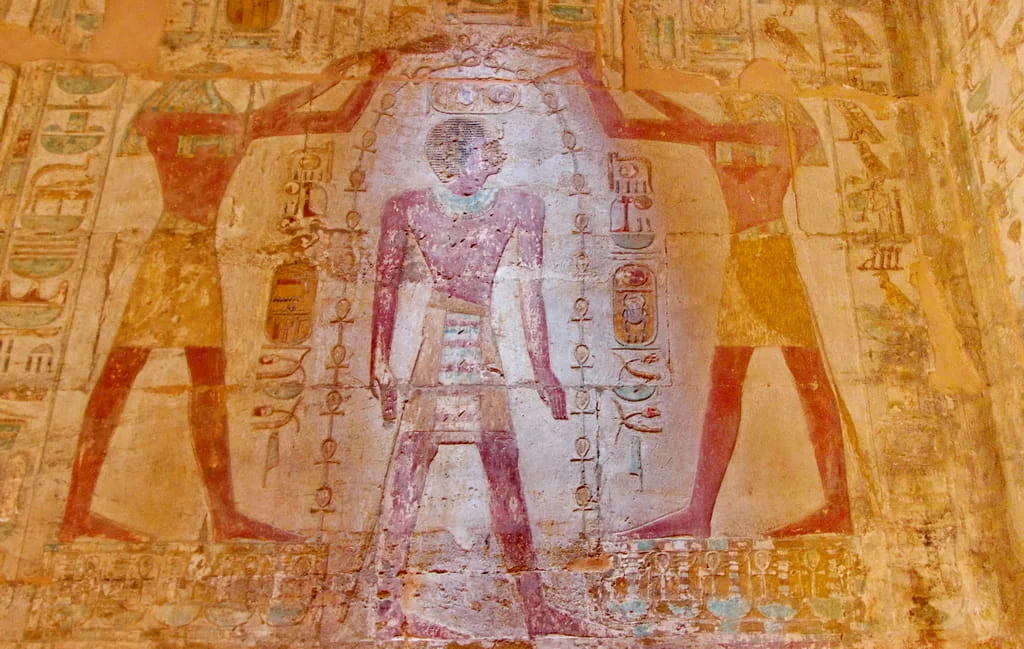
The young pharaoh stepped directly out of one of history’s largest shadows. He wasted no time establishing a terrifyingly distinct identity. He did not rely solely on his father’s established royal court. Instead, Amenhotep II projected an image of absolute physical dominance, unmatched athletic prowess, and swift military ferocity.

Amenhotep II was not a mere political administrator. He was Egypt’s ultimate strongman who viewed imperial defense as an art form of sheer intimidation. He tamed wild stallions and publicly executed rebellious princes. Through these actions, Amenhotep II spent his reign proving a vital point: an iron fist fiercely guarded Egypt’s golden age. His strength secured the wealth and borders of the 18th Dynasty for generations to come.

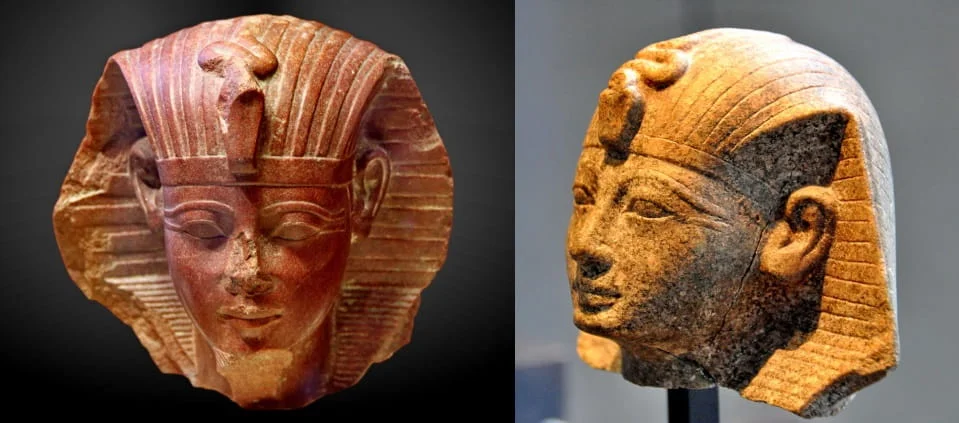
Divider

Amenhotep II: Early Life, Co-Regency, and the Succession

Amenhotep II Early Life, Co-Regency, and the Succession

Amenhotep II did not begin his life as the designated heir to the Egyptian throne. His older brother, Prince Amenemhat, held that vital position first. However, Amenemhat died tragically young. This sudden loss shifted the succession directly to Amenhotep II. The young prince was born in Memphis to Thutmose III and Queen Merytre-Hatshepsut. Following his brother’s death, the royal court meticulously groomed him for supreme leadership.

Thutmose III understood the dangers of a royal transition. To guarantee a seamless transfer of power, he took a strategic step. He appointed Amenhotep II as his junior co-regent during the final years of his life.

Father and son ruled side-by-side for roughly two years and four months. This crucial period allowed the young prince to master the massive state administration. He also secured the vital loyalty of the military elite. Because of this careful preparation, he took sole control of the throne without facing any dynastic rivalry.

The Ultimate Athlete and Strongman

The Ultimate Athlete and Strongman

Long before he achieved glory on the battlefield, Amenhotep II won the admiration of Egypt through his physical power. Ancient texts and stone stelae describe him as a man of mythical strength. He did not just enjoy sports; he used his athletic talents as a deliberate political tool.

The Master Archer and Equestrian

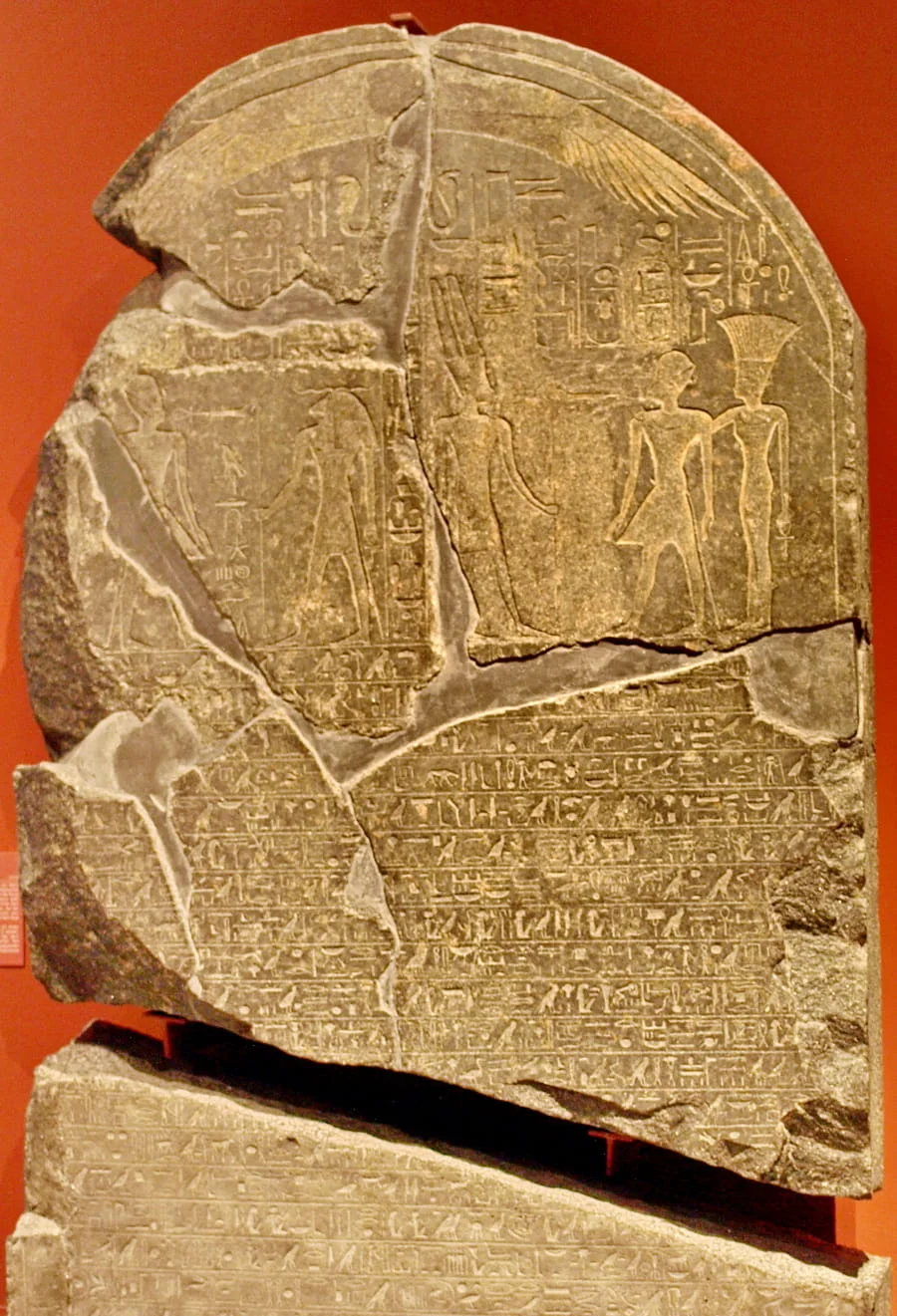
Amenhotep II was an elite marksman. A famous monumental stela at the Giza Plateau records his incredible skills with a bow. The text claims he routinely shot arrows straight through solid copper targets. These targets were a full palm thick, and still he performed this feat while driving a speeding war chariot at full gallop.

Amenhotep II also possessed a deep passion for horses. He excelled at taming and training exceptionally wild stallions. In fact, he could handle steeds that completely terrified the most experienced royal trainers.

Feats of Physical Endurance

Feats of Physical Endurance

The young pharaoh also loved water sports and feats of endurance. According to royal records, he once rowed a giant navy ship single-handedly for miles. He easily outpaced the most seasoned sailors in the Egyptian fleet.

This “strongman” persona served a highly practical purpose. By projecting an image of unmatched physical power, Amenhotep II sent a clear message to Egypt’s foreign subjects. He signaled that the new king was young, dangerous, and fully capable of crushing any rebellion.

Golden Scarab

Amenhotep II: Military Campaigns: Crushing the Rebellions

Amenhotep II Military Campaigns Crushing the Rebellions

Foreign vassals often tested the resolve of a new pharaoh upon the death of a great ruler. The passing of Thutmose III was no exception. Rebellions quickly flared up in the Levant and Syria. Amenhotep II responded with immediate, overwhelming force to secure his borders.

Campaign to Syria and the Orontes

Early in his solo reign, Amenhotep II marched his army north into Syria. He sought to crush a coalition of rebellious princes. He personally led the vanguard at the Battle of the Orontes River. His forces quickly routed the enemy. According to royal records, the pharaoh personally captured several high-ranking enemy commanders on the battlefield.

The Grim Fate of the Takhsi Princes

The Grim Fate of the Takhsi Princes

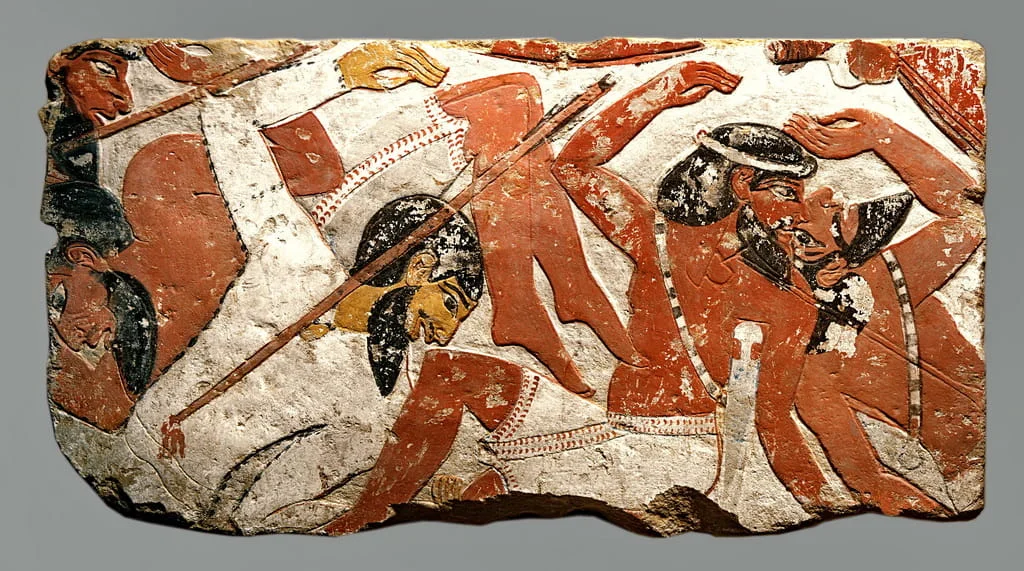
Thutmose III often favored diplomacy and political hostage-taking. In contrast, Amenhotep II treated traitors with absolute brutality. He captured seven rebellious princes in the region of Takhsi. He then bound them to the prow of his royal barge and sailed back to Egypt.

  • Six of the princes met a public execution before the altars of Amun at Thebes. The military hung their bodies from the city walls as a grim warning to the public.
  • The seventh prince traveled far south into Nubia. The army hung his body from the walls of Napata. This act made the consequences of rebellion explicitly clear to the southern groups.

This ruthless display worked perfectly. For the rest of his 26-year reign, Egypt’s borders remained completely peaceful. Wealthy rival kingdoms like Mitanni, Babylon, and the Hittites regularly sent lavish tributes to his court simply to maintain the peace.

The eye of Horus

Amenhotep II: Building Projects and Architectural Legacy

Amenhotep II Building Projects and Architectural Legacy

With the empire pacified and wealth pouring into the treasury, Amenhotep II turned his attention to honoring the gods. He launched several building projects to celebrate his military triumphs and secure his legacy.

Karnak and Thebes

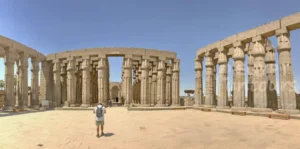
The King focused heavily on the Great Temple of Amun at Karnak. He completed several beautiful structures that his father had left unfinished. This Pharaoh also erected massive limestone and sandstone monuments to thank the priesthood for their political support.

The Giza Sphinx Stela

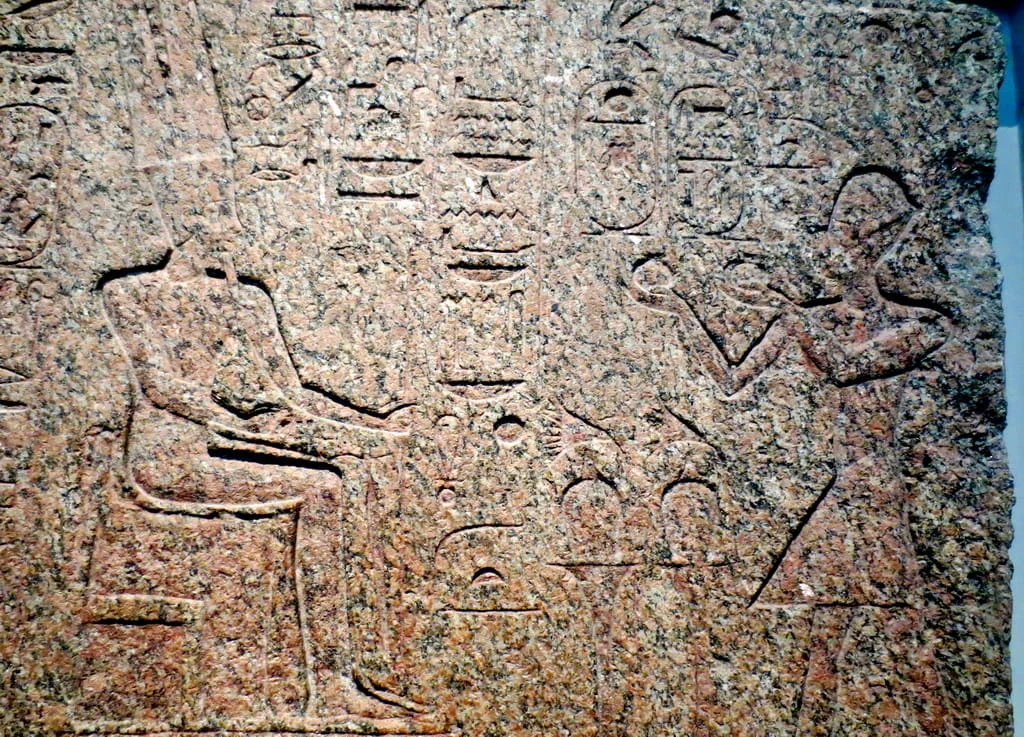
Amenhotep II held a lifelong love for the Memphis region and the Giza Plateau. Near the Great Sphinx, he commissioned a unique mud-brick temple. Inside, he erected a monumental limestone stela. This monument detailed his athletic achievements and celebrated his divine right to rule.

Nubian Temples

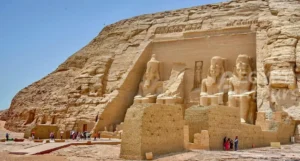
The pharaoh also expanded his architectural footprint far into the south. He commissioned and completed beautiful temple sections throughout Nubia, including sites at Amada and Kalabsha. These structures cemented Egyptian religious and economic dominance over the southern gold-rich territories.

Divider

Amenhotep II: Death, Burial, and the Valley of the Kings

Amenhotep II Death, Burial, and the Valley of the Kings

Amenhotep II died after a prosperous 26-year reign. He left Egypt at the absolute peak of its economic power. The military buried him in the Valley of the Kings. His final resting place is a magnificent rock-cut tomb known today as KV35.

The KV35 Mummy Cache

Architecturally, KV35 features deep corridors and a stunning, pillar-supported burial chamber. The tomb holds massive historical importance. During the 21st Dynasty, ancient priests used this deep tomb as a secret hiding place. They needed to protect royal mummies from rampant grave robbing.

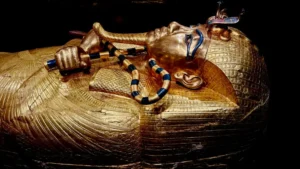
When archaeologist Victor Loret discovered KV35 in 1898, he found something spectacular. Amenhotep II still rested peacefully inside his original quartzite sarcophagus. Furthermore, Loret found the hidden bodies of several other legendary pharaohs. The cache included the mummies of Thutmose IV, Amenhotep III, and Ramesses III.

Physical Legacy

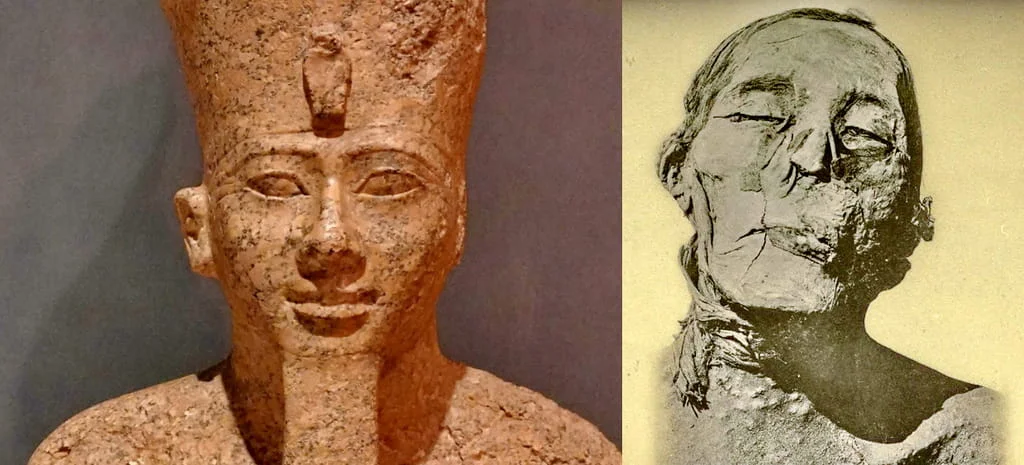
Modern scientific examinations of Amenhotep II’s mummy confirm his legendary physical stature. His physical remains reveal a tall, strongly built man. His body clearly matched the athletic descriptions celebrated during his life.

The eye of Horus

Amenhotep II: The Guardian of the Empire

Amenhotep II The Guardian of the Empire

History often sandwiches Amenhotep II between two massive figures. He ruled right after his father, Thutmose III, and right before his grandson, Amenhotep III “the Magnificent.” However, his role in the 18th Dynasty was absolutely vital.

He acted as the ultimate enforcer. He combined incredible physical skill with a ruthless military doctrine. Through these methods, Amenhotep II proved that Egypt’s golden age was no temporary success. He fiercely guarded the massive territory he inherited. His strong leadership ensured that the empire remained secure, wealthy, and dominant for centuries to come.
Divider

Great shore excursion of Cairo & Giza

We are glad that we arranged our private shore excursion with Egypt Fun tours in last week of October 2012. Booking process was very easy with Hamada and she took care of all our questions promptly just via E-mail. Our group was little worried about safety in Egypt especially because

More »

One of the best tours I have ever had!

I was thoroughly impressed by the professionalism of this tour company. I emailed to inquire about the Cairo layover tour about 30 hours before my flight was scheduled to leave from New York. I was pleasantly surprised to get a quick response confirming the tour and assuring that a guide

More »
Amir review, October, 2025

BEST EGYPT VISIT EVER

My entire family enjoyed every day of our EGYPT 🇪🇬 vacation.. Our tour guide helped us set up the entire trip from beginning to end .. He helped us in every way .. Transportation, meals , shopping , museum , history , just everything .. and my kids love him

More »

Amazing tour to the pyramids of Sakkara and Dahshur

This week we had a great tour with Mohamed to the pyramids of Sakkara and Dahshur, as well as Memphis. He tailored the tour to our preferences, took a lot of time with us, and gave us detailed background information on everything. It was also great that he never tired

More »
Premium Cairo Tour Package Egypt Fun Tours

THE MOST AMAZING TRIP

Hi Hamada! Sorry, we were so quick to say goodbye—my mom was fading 🙂 I just wanted to say thank you for THE MOST AMAZING trip… You thought of every detail, improvised, adapted, overcame every challenge, multitasked personalities, and did it all with grace, intelligence, and kindness. From the bottom

More »
God_Anubis_Icon

Top-rated Tour Packages

God_Anubis_Icon
WhatsApp
Email
Print