Decoding the Coffin Texts: Logic, the Soul’s Manual, and Democratization

Discover the revolutionary logic of the Egyptian afterlife found in the Coffin Texts. Dating to the Middle Kingdom, these inscriptions marked the moment immortality was democratized, moving the secrets of resurrection from the Pharaoh’s stone walls to the coffins of the wealthy elite. Far from being random magic, the Texts are a comprehensive user manual—a logical system defining the soul's mechanics, providing vital security protocols (like transformation spells), and including the world's first illustrated map of the underworld. Learn how this shift turned the pursuit of eternal life from an act of blind faith into an act of practical, rational engineering.

We will understand together why the ancient Egyptians used the Coffin Texts. To understand the ancient Egyptians is to understand their relentless pursuit of logic in the face of the universe’s ultimate mystery: death. In the Old Kingdom, the secrets of successful eternal life—the magical spells—were the exclusive property of the Pharaoh, inscribed high on the walls of his pyramid tomb. These Pyramid Texts cemented the king’s sole path to the celestial realm of Ra.

The Shift: Why the Pharaoh’s Monopoly Ended

However, with the social and political upheaval that marked the transition into the Middle Kingdom (c. 2055–1650 BCE), this royal monopoly was shattered. The newly empowered noble and wealthy classes demanded their own assured path to the afterlife. If the Pharaoh’s power was no longer absolute, then his exclusive plan for resurrection was insufficient for the nation’s spiritual stability.

The Egyptians engineered a solution. They took the core spells, refined them, and moved the operating system of resurrection from the tomb walls to the coffin itself. This brilliant, practical move gave birth to the Coffin Texts.

These texts—written directly on the inside of the wooden box—represent the afterlife’s first user manual. They are a collection of logical protocols, transformative instructions, and defensive spells designed to guide the deceased, now referred to as an “Osiris,” through the treacherous geography of the underworld. They answered the fundamental question of the age: How do we guarantee the resurrection of every deserving soul? The answer was a mobile, affordable, and comprehensive guidebook to immortality.

FUN

The Coffin as the Micro-Tomb: Logistics and the Coffin Texts Logic

The Coffin as the Micro-Tomb; Logistics and the Coffin Texts Logic

The Shift from Stone Walls to Wood

The Egyptians were practical. The expensive, massive stone pyramids were no longer the sole place for resurrection spells. They needed a more accessible solution. The logical choice was the coffin itself.

The wooden coffin transitioned from a mere container into a micro-tomb. It became a fully equipped, personalized afterlife chamber. Consequently, the sacred spells moved from the exclusive pyramid walls and onto the inner panels of the box.

The First Mobile Operating System

The deceased was physically laid inside the instruction manual. This was the ultimate security measure. The Coffin Texts were inscribed exactly where the body (Khat) would wait for its spiritual components. The coffin thus became the “Operating System for Resurrection.”

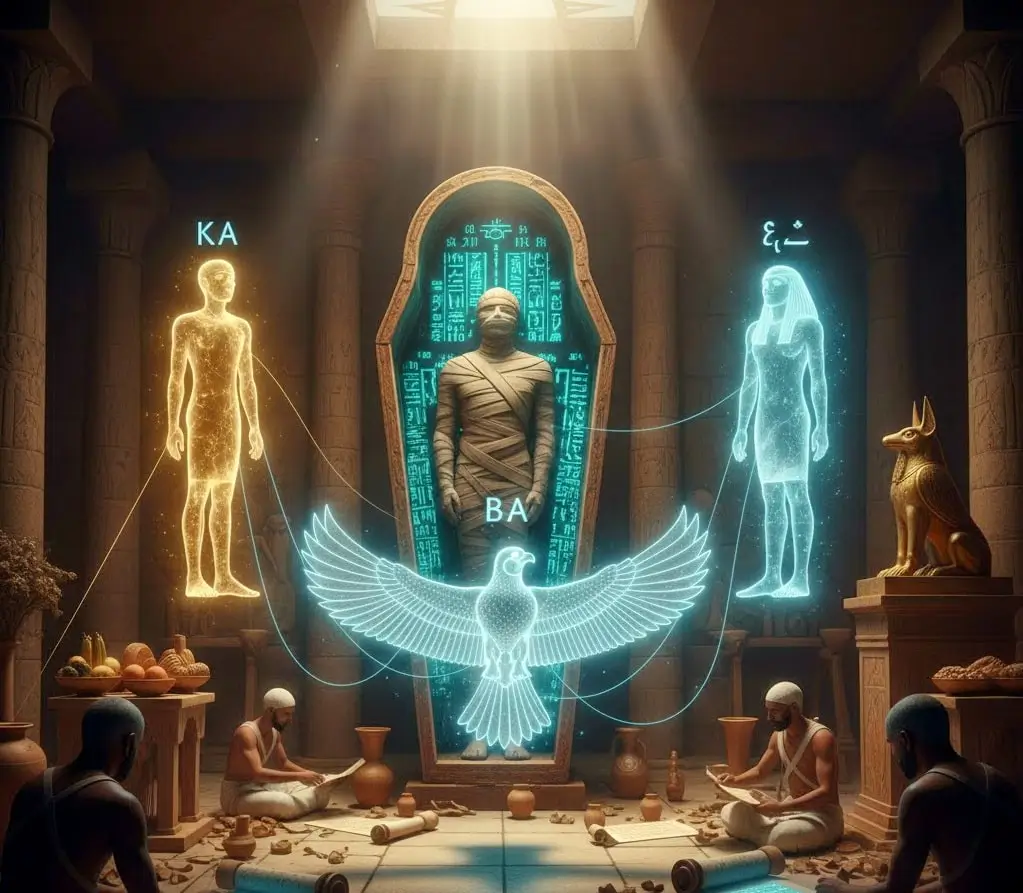
The logic was simple: the deceased, now referred to as “Osiris [Name],” needed a map and a defensive guide for the treacherous journey ahead. When the soul components (Ba and Ka) returned, they needed immediate access to the instructions for the final transformation into an Akh (the effective, reborn spirit).

Guaranteed Access for the Soul

This location guaranteed that the texts were always present. They protected the body from damage and, most importantly, guided the Ba through the underworld and back. The spells outlined specific routes, passwords for gates, and identities to assume. In essence, the Coffin Texts ensured the eternal success of the individual, regardless of the fate of their large, external tomb. This shift reflects a profound change in religious power and funeral logistics—all driven by rational necessity.

FUN

Core Logical Interpretations: Refining the Soul’s Mechanics

Core Logical Interpretations; Refining the Soul's Mechanics

The Ka and the Ba: The Resurrection Components

The Coffin Texts were instrumental in clarifying the different parts of the human spirit. The ancient Egyptians knew the physical body (Khat) was merely the housing. Resurrection required two distinct, mobile, and functional spiritual components. They systematically defined these components: the Ka and the Ba.

A. The Ka: The Sustaining Life Force

The Ka is the essential life-force. It is the spiritual double that sustained the individual in life and must be sustained in death.

  • Definition: Think of the Ka as the power source or spiritual twin.
  • Logic: The deceased body (Khat) may be preserved, but it still requires continuous energy input. Consequently, the Coffin Texts emphasize spells that ensured the Ka remained active and strong.
  • Practicality: This logic necessitated the continuation of funerary offerings. The Ka consumed the essence of the food and drink left in the tomb. If the offerings stopped, the Ka weakened, and the entire resurrection project failed.

B. The Ba: The Mobile Agent of Identity

The Ba is the component that personalizes the spirit and allows it to interact with the world outside the tomb.

  • Definition: The Ba is the personality, consciousness, and mobility of the deceased. It is often depicted as a human-headed bird.
  • Logic: The individual must be able to leave the coffin to seek nourishment, gather information, and, most importantly, find the Sun-God Ra. The physical body, sealed away, cannot perform these tasks.
  • Function: The Coffin Texts include specific spells (e.g., Spell 32) designed to empower the Ba. These spells ensure it can “come forth by day” and “go into the night” unhindered. Therefore, the texts provided the spiritual security clearance necessary for the Ba‘s movement.

The Unified Goal of the Coffin Texts Logic

Ultimately, the goal of all these spells was reunification. The Coffin Texts Logic demanded that the well-fed Ka, the mobile Ba, and the preserved physical body (Khat) must eventually successfully reunite. Only then could the deceased achieve their final, perfected form: the Akh (the effective spirit). Thus, the Coffin Texts functioned as a sophisticated technical manual to manage these spiritual components, ensuring the final transformation was successful.

The Profound Egyptian Influence on Greek Civilization

Egypt profoundly influenced ancient Greek civilization in various aspects. Key influences include religious syncretism, with...
Related post
FUN

Defensive and Navigational Protocols of the Coffin Texts

Defensive and Navigational Protocols of the Coffin Texts

A. The Transformation Spells: Security Through Identity Change

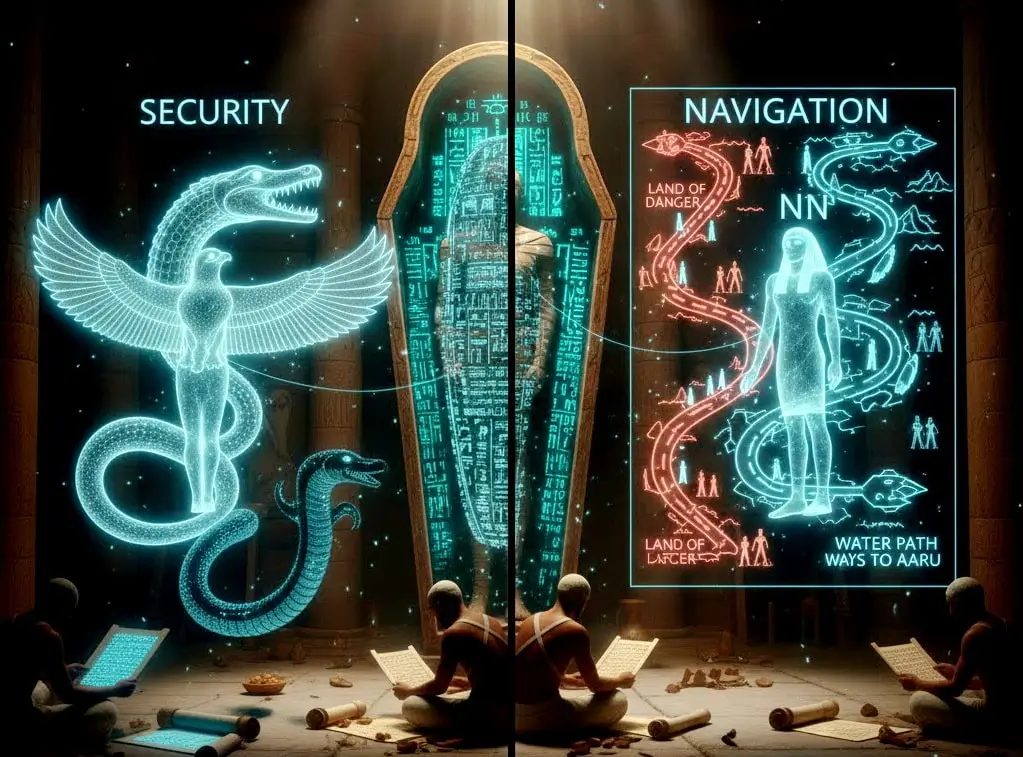
The Egyptians perceived the underworld, the Duat, as a realm filled with dangerous, often hostile deities and spirits. Navigating this space required more than just a map; it required effective camouflage and defensive posturing. This is where the Transformation Spells became logically indispensable.

  • The Ultimate Disguise: The Coffin Texts contain numerous spells enabling the deceased to shapeshift. The individual transforms into powerful animals (like a fierce crocodile, a swift falcon, or a venomous snake) or even into divine entities.
  • The Logic of Security: These transformations were not arbitrary magic. They served as vital security protocols. Assuming the form of a predator or a minor god allowed the deceased to bypass dangers, travel undetected, or intimidate hostile guardians. Therefore, the spells ensured physical survival during the journey.
  • Access to Knowledge: Furthermore, becoming certain animals granted the deceased access to specific areas or information within the Duat. The Coffin Texts Logic systematically provided the means to survive and thrive through planned identity alteration.

B. The Book of Two Ways: The First Afterlife Map

The most significant logical innovation within the texts is the inclusion of the Book of Two Ways. This feature cemented the Coffin Texts as a true navigational manual.

  • A Cartographic Guide: The Book of Two Ways was often painted directly onto the floor or inner sides of the coffin. It is recognized as the first illustrated map of the underworld in human history.

  • The Dual Path: This map graphically detailed the geography of the Duat. It showed two main routes:

    1. The Land Path: A dangerous route filled with fiery pits, guarded gates, and mythological threats.

    2. The Water Path: A safer, often blue-colored route traversing water channels.

  • Navigational Logic: The deceased required the precise knowledge provided by the map and the accompanying spells. This logical setup meant success in the afterlife was achievable not through passive goodness, but through active, informed navigation. The map provided the means; the spells provided the necessary access codes and security measures.

Ancient Egyptian Mummies: From Pharaohs to Powdered Medicine

This article explores the dark, two-sided history of Ancient Egyptian Mummies. Discover the staggering scale...
Related post
FUN

Legacy: The Bridge to the New Kingdom

A Nest of Protection, Coffins and Sarcophagi

The Coffin Texts served as a vital, logical bridge in the history of Egyptian theology. While the texts effectively democratized the afterlife for the elite during the Middle Kingdom, the system still proved cumbersome. Inscribing thousands of spells onto the inside of every coffin was time-consuming and expensive.

The Evolution into the Book of the Dead

  • Refinement and Selection: The Egyptians, driven by their consistent pragmatism, refined the system again. They meticulously selected the most effective, powerful, and frequently used spells from the expansive body of the Coffin Texts.
  • Standardization: These selected spells were standardized and organized. They became the core content of the document we now call the Book of the Dead. The Egyptians themselves named it the Peret\ em\ Heru, which translates logically as “The Book of Coming Forth by Day.”
  • Change in Medium: The shift in medium was also practical. The system shifted media. Scribes wrote the spells on papyrus scrolls, instead of painting them inside heavy coffins. These papyri were lightweight. They produced them faster. Consequently, they could mass-produce the texts for wider use. This change made the afterlife accessible to an even broader segment of society.

The Enduring Logic

Ultimately, the Coffin Texts Logic never disappeared. It was simply repackaged and streamlined.

The core principles established in these middle period texts—the necessary mobility of the Ba, the need for transformation spells, and the map-based navigation of the Duat—formed the entire basis of New Kingdom funerary practice. Therefore, when a New Kingdom Egyptian took the Book of the Dead with them, they were carrying a condensed, optimized version of the profound and revolutionary theological work begun hundreds of years earlier with the Coffin Texts.

Decoding the Sacred Names: The Royal Titulary of the Pharaohs

A pharaoh wasn't just a king; he was a living god, and his "royal titulary"...
Related post
FUN

The Practical Genius of the Coffin Texts
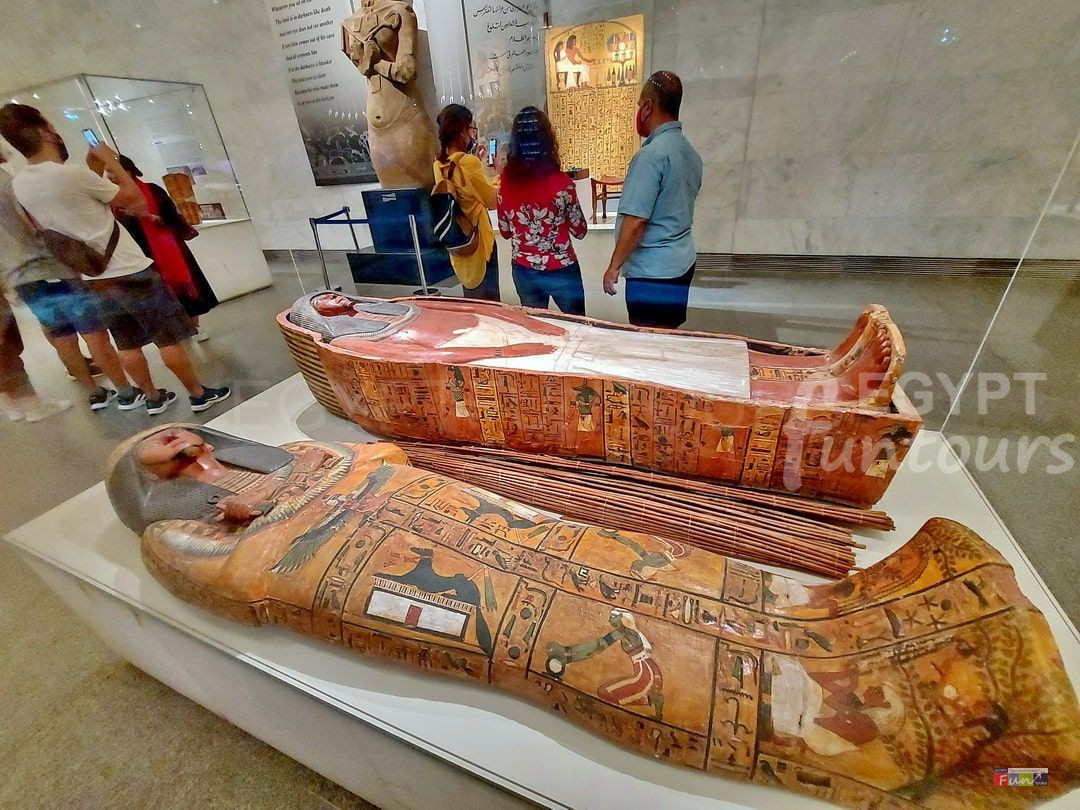
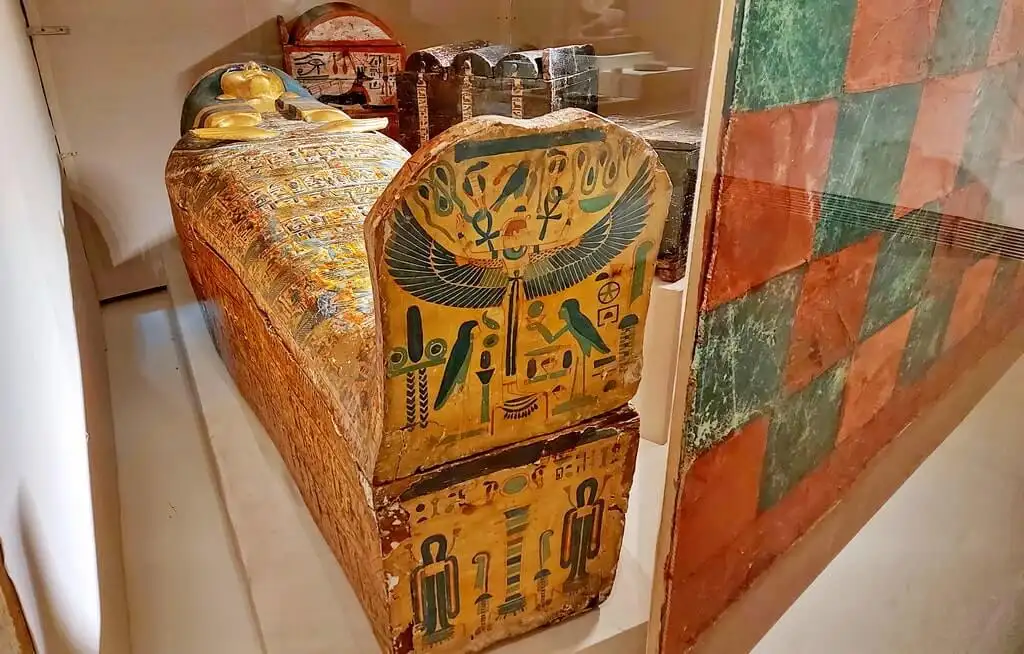
Sennedjem inner coffin NMEC Egypt Fun Tours

The Coffin Texts are far more than a collection of esoteric spells; they are the intellectual and logistical foundation of one of the world’s most enduring belief systems. Driven by the logic of a decentralized political era, the ancient Egyptians successfully democratized immortality. They created a comprehensive user manual—a portable operating system—that defined the mechanical requirements for the soul’s successful return. The texts systematically clarified the purpose of the Ka and the Ba, provided necessary security measures through transformation spells, and offered the first complete navigational guide in the Book of Two Ways. These texts prove the Egyptian quest for the afterlife was not blind faith. Instead, they reflect practical, rational, and logical engineering, guaranteeing that anyone who could afford the instruction manual achieved the promise of resurrection.

❓ Frequently Asked Questions (FAQs)

Q1: What is the main difference between the Pyramid Texts and the Coffin Texts?

A: The difference is access and scale. The Pyramid Texts were exclusive, inscribed only on the walls of the Pharaoh’s burial chamber, ensuring his sole resurrection. The Coffin Texts marked the democratization of the afterlife. They were written on the inner panels of the coffins of wealthy officials, providing them with a personal, portable user manual for immortality.

Q2: Why did the Egyptians stop painting the spells on the coffin and switch to papyrus scrolls?

A: This was a logical, practical shift based on production efficiency. Inscribing thousands of spells onto a heavy wooden coffin was time-consuming and expensive. By writing the spells on papyrus scrolls (which became the Book of the Dead), the Egyptians could mass-produce the afterlife guide faster and more affordably, making the necessary resurrection instructions accessible to a wider population.

Q3: What were the Ka and Ba, and how did the Coffin Texts define them?

A: The Coffin Texts logically defined these as the two essential components needed for resurrection. The Ka is the sustaining life-force (like a spiritual power source) that requires funerary offerings to remain strong. The Ba is the mobile personality (often depicted as a bird) that was capable of leaving the tomb to seek out the sun and navigate the Duat. The texts provided the instructions necessary to manage and eventually reunite these two components with the body.

Q4: Was the Book of Two Ways a real map? What was its purpose?

A: Yes, in a theological sense, it was the world’s first known illustrated map of the underworld (Duat). Its purpose was purely practical: to provide the deceased with navigational logic. The map detailed two paths—a dangerous land route and a safer water route—ensuring the deceased could actively choose the best route to achieve resurrection, rather than wandering.

Q5: Why did the Egyptians include transformation spells in the Coffin Texts?

A: The transformation spells served as essential security protocols for the afterlife. The Duat was considered a hostile environment. By transforming into powerful creatures (like crocodiles or falcons), the deceased could bypass dangerous guardians, travel undetected, or intimidate threats, guaranteeing their survival and successful completion of the journey.

Q6: How did the Coffin Texts influence later Egyptian beliefs?

A: The Coffin Texts formed the direct, logical foundation for all New Kingdom funerary beliefs. The core ideas—the definition of the soul, the concept of a map-based underworld journey, and the necessity of defense spells—were all selected, refined, and compiled into the famous Book of the Dead (Peret em Heru).

Explore the Wonders of Egypt and the immortal Nile River....
Enjoy exceptional adventure for 13 Days overland trip in Egypt to cover the most beautiful destinations in the land of pharaohs...

Excellent Adventure

These guys put together an amazing itinerary that allowed me see the sunrise at the sun festival in Abu Simbel, King Tut’s tomb, and mask! That was just the tip of the iceberg. Aswan, Kom Ombo, Edfu and Luxor. So much visited with plenty of rest time. An amazing trip

More »
12 Days Solo Woman Tour Package (Queen Cleopatra)

Mohamed is Very Kind Person

Mohamed. I just want to thank you again for your kindness. You made our trip memorable. Give your family and the Egypt Fun Tours crew all my love and thank them again for me. Take care. Enjoy the season! Love. Linda

More »

Valley of the Kings, Hepchepsut

I never had a more positive experience and educational time than this tours. Learning about a variety of kings and queens was amazing! The tour guide was super nice and helped me and my friend every step of the way! Including bargaining for a few souvenirs! I will never forget

More »

Excellent Tour

Really excellent tour from Mohamed, and we learned so much about Egypt and went to places we never would have found as tourists at home. My girlfriend had a 12 hour stop over on the way to Ethiopia and it was the perfect way to see Cairo. I hope people

More »
Isis with wings

Top-rated Tour Packages

Isis with wings