The Sandstone Heart of Ancient Egypt
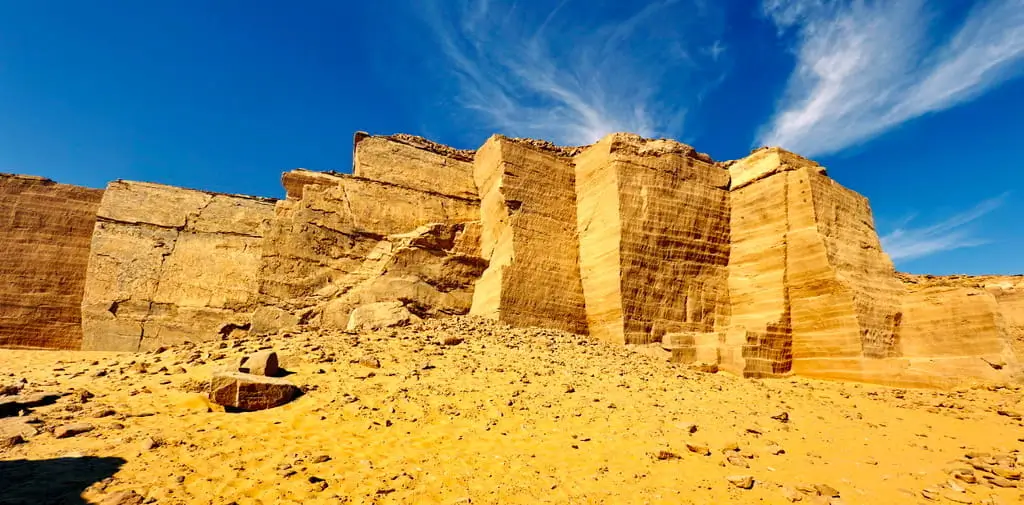
The towering pylons of Karnak and the colonnades of Luxor Temple draw millions of visitors each year. However, the true story of their creation actually begins nearly 100 miles to the south. At a narrow point in the Nile, you will find the dramatic gorge of Gebel el-Silsila. At this location, the lush valley of Upper Egypt constricts into steep sandstone cliffs. Consequently, the river’s width drops to a mere 400 meters. For the Pharaohs of the New Kingdom, this was more than a landmark. It was, in fact, the “Cradle of the Temples.”
In antiquity, the site was known as Khenu, which translates to the “Place of Rowing.” Gebel el-Silsila served as the primary source of high-quality Nubian sandstone. This material eventually replaced limestone as the preferred choice for the 18th Dynasty. Furthermore, every massive block in the Great Hypostyle Hall likely began its journey here. These stones were carved from the living rock by thousands of skilled laborers and master masons.
A Sacred Landscape of Industrial Might
Nonetheless, viewing Gebel el-Silsila merely as an industrial quarry is a mistake. To the ancient Egyptians, this area was a deeply sacred landscape. They believed the power of the Nile was most concentrated at this narrow squeeze. For this reason, many viewed it as the birthplace of the annual inundation. The gods Sobek and Hapi presided over these life-giving waters. Therefore, the site developed a dual identity as both a bustling workshop and a divine sanctuary.
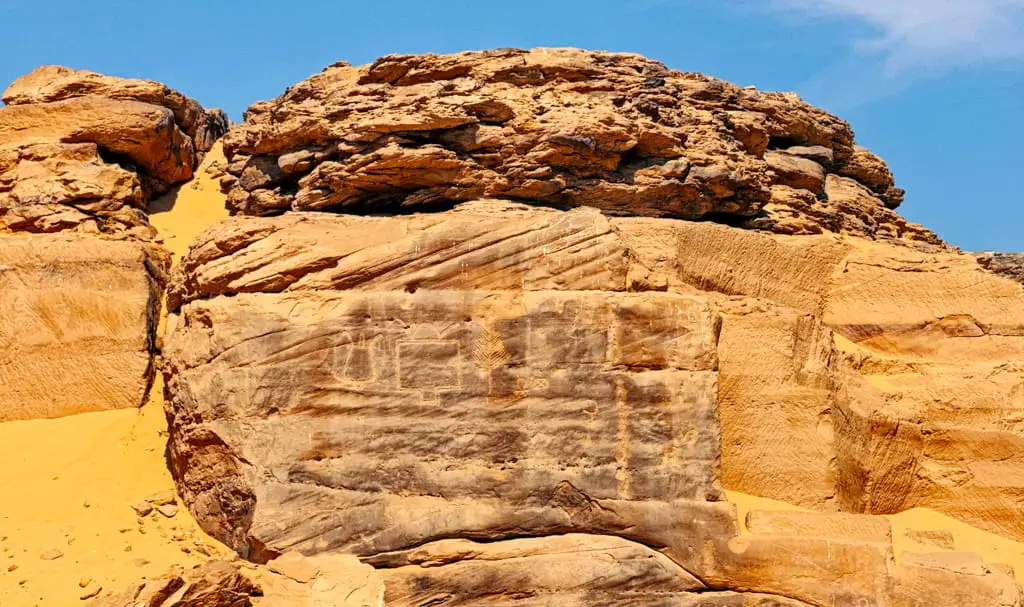
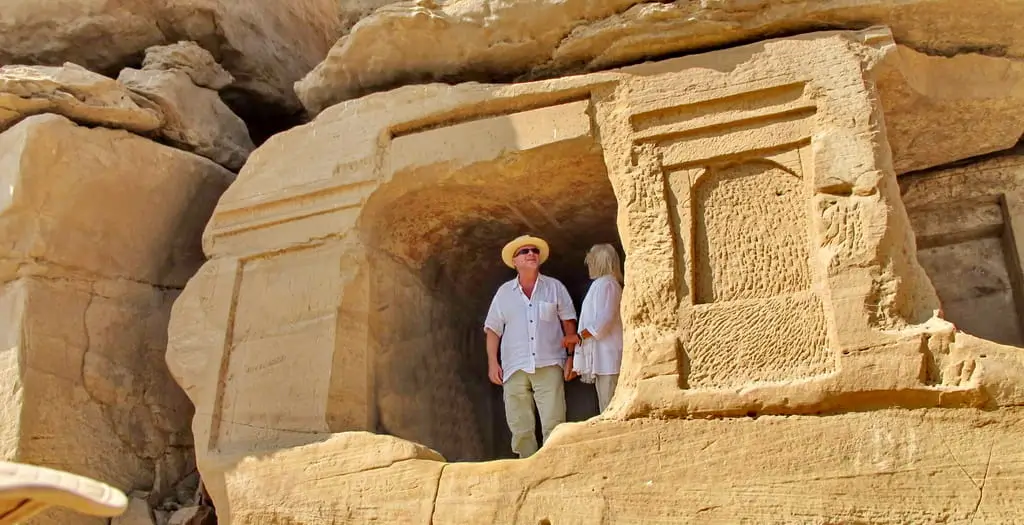
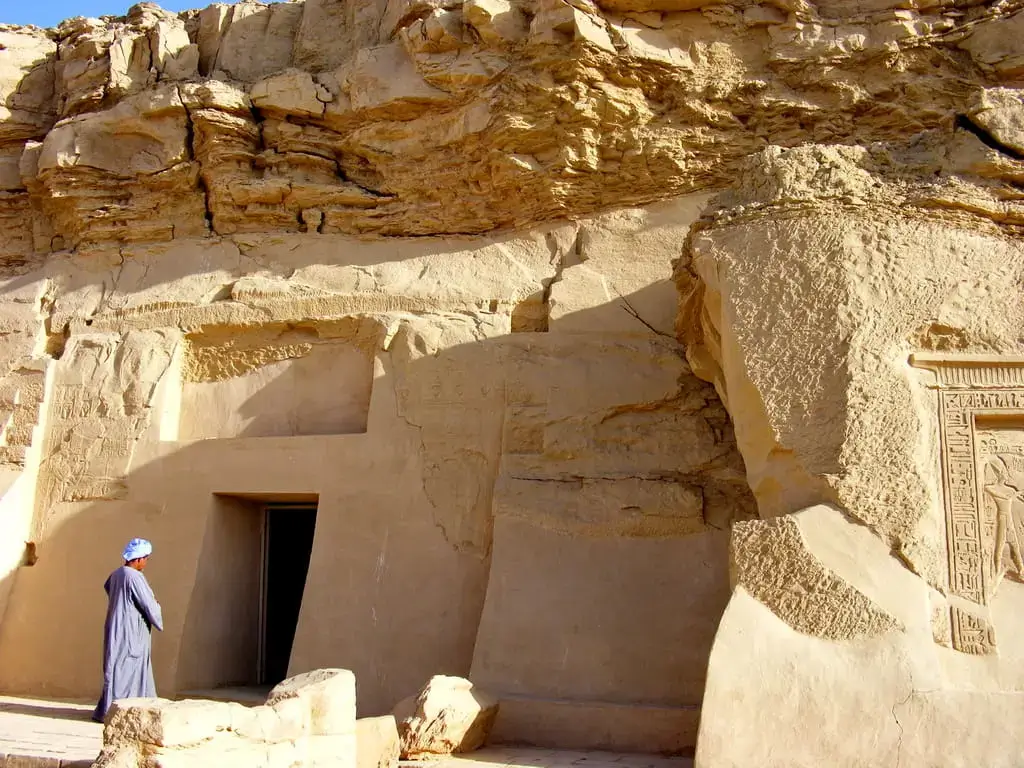
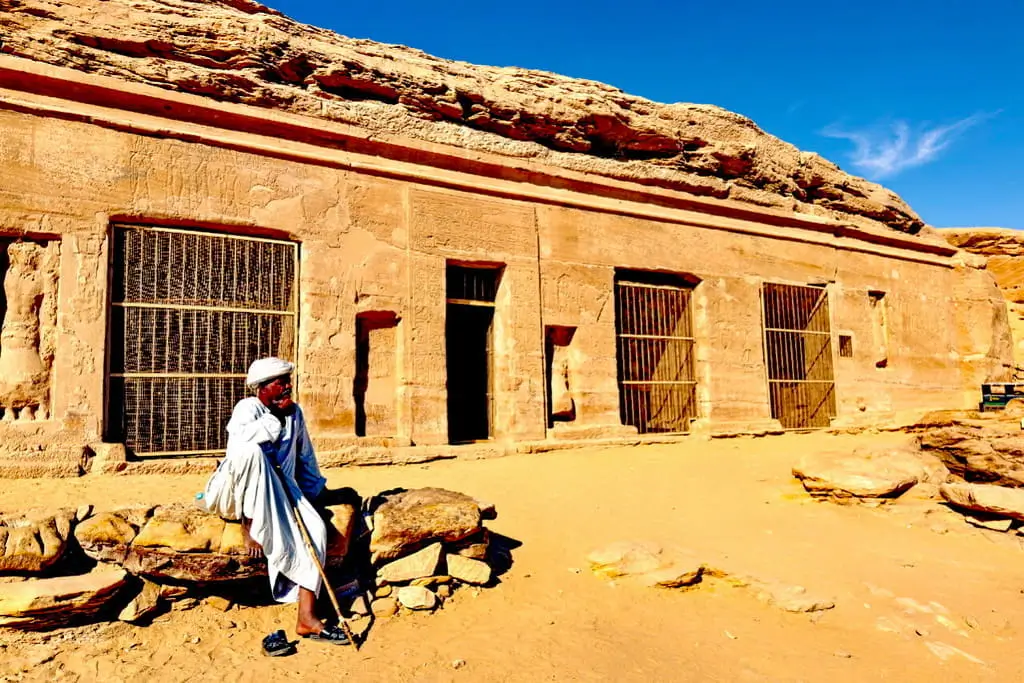
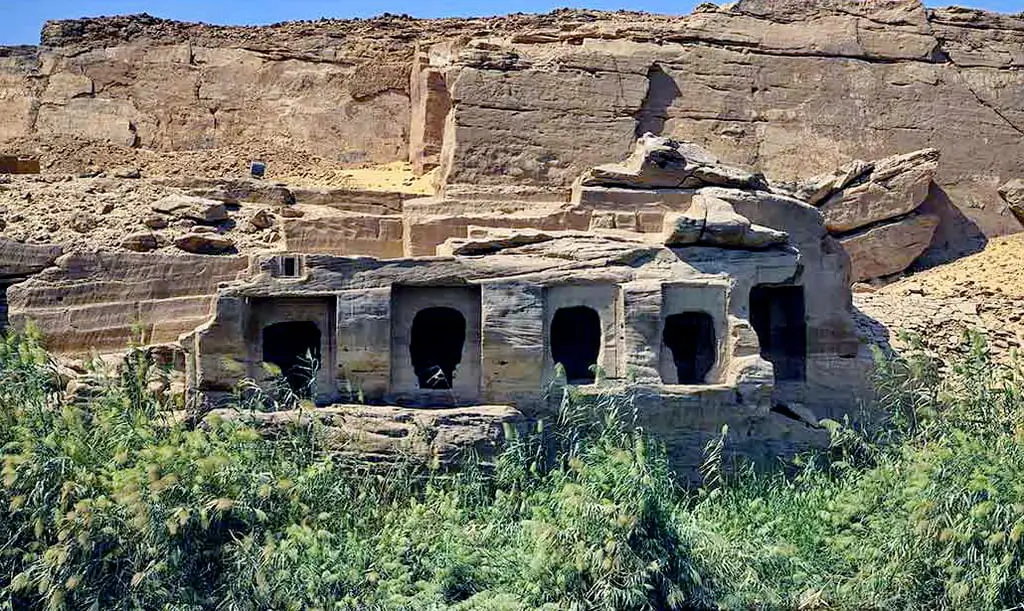
This unique history left behind a rich tapestry of rock-cut temples, royal stelae, and private shrines. These monuments offer an unparalleled look into the logistical and religious heart of the Pharaonic era. In this comprehensive guide, we will journey through the rugged cliffs of the East and West Banks. We will uncover the secrets of the Speos of Horemheb. Additionally, we will examine the latest archaeological breakthroughs that are currently rewriting the history of this hidden gem.
Key Takeaways for the Reader
- The Shift in Stone: Understand why sandstone became the “Gold Standard” for monuments.
- A Sacred Narrow: Explore the religious cults that flourished at the Nile’s narrowest point.
- Voices from the Past: Discover what the 32 rock-cut shrines reveal about ancient officials.
- Modern Discoveries: Learn how recent excavations are unearthing lost temples and worker graveyards.