God Sokar: Guide to the Enigmatic Funerary God of the Memphite Necropolis

Sokar (also spelled Seker) is an ancient Egyptian funerary god, originally the local deity of the Memphite Necropolis (Saqqara). He reigns as the Lord of the Dark Earth, ruling the deepest, darkest sections of the underworld (Duat). Sokar is primarily depicted as a mummified falcon or a mummified man with a falcon's head, symbolizing the transition of the soul between worlds. His importance grew through syncretism, culminating in the powerful composite deity Ptah-Sokar-Osiris, who represented creation, death, and resurrection. His annual festival involved solemn yet chaotic rituals that mirrored the arduous journey of the soul to rebirth.

God Sokar: An Ancient Egyptian Deity

Sokar was a profoundly important and multifaceted deity in ancient Egyptian religion, serving as the god of the necropolis and the underworld. His significance is deeply intertwined with the funerary practices, beliefs about the afterlife, and the religious cosmology of the time. While his worship was centered in Memphis, his influence extended throughout Egypt, making him a crucial figure in the eternal journey of the soul. He was a protector of the deceased, a patron of artisans, and a key component in a powerful divine triad that embodied the very essence of existence. His legacy is one of transformation and eternal hope, reflecting the ancient Egyptian belief that death was merely a transition, not an end.

FUN

The Origins and Depictions of God Sokar

The Origins and Depictions of God Sokar

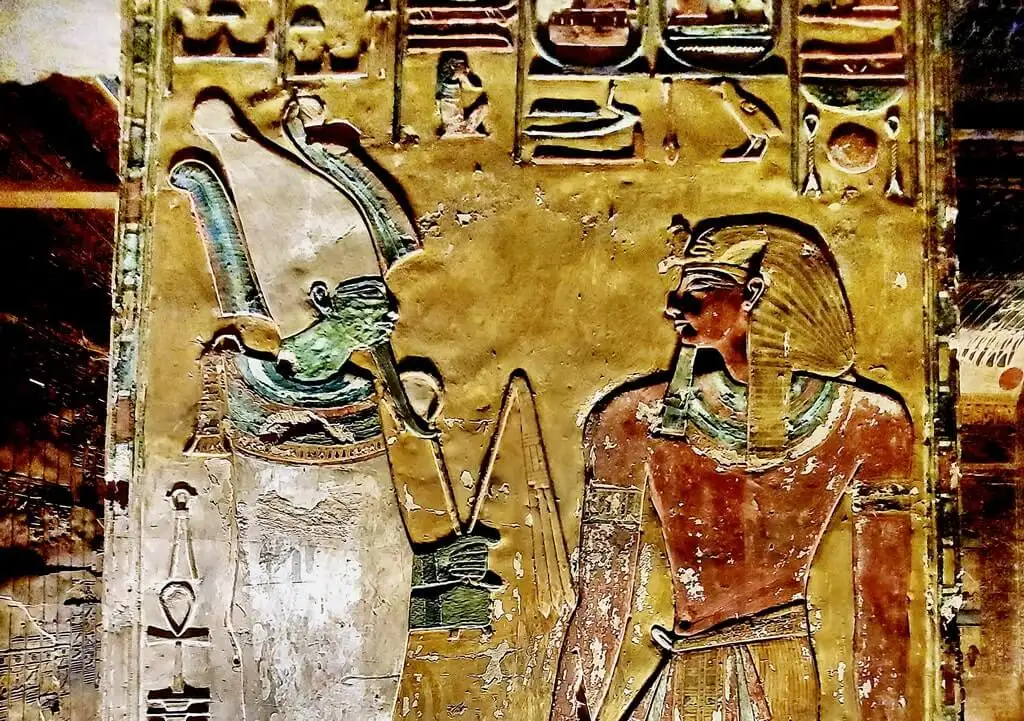
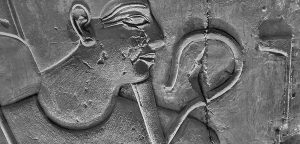
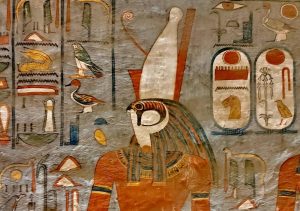
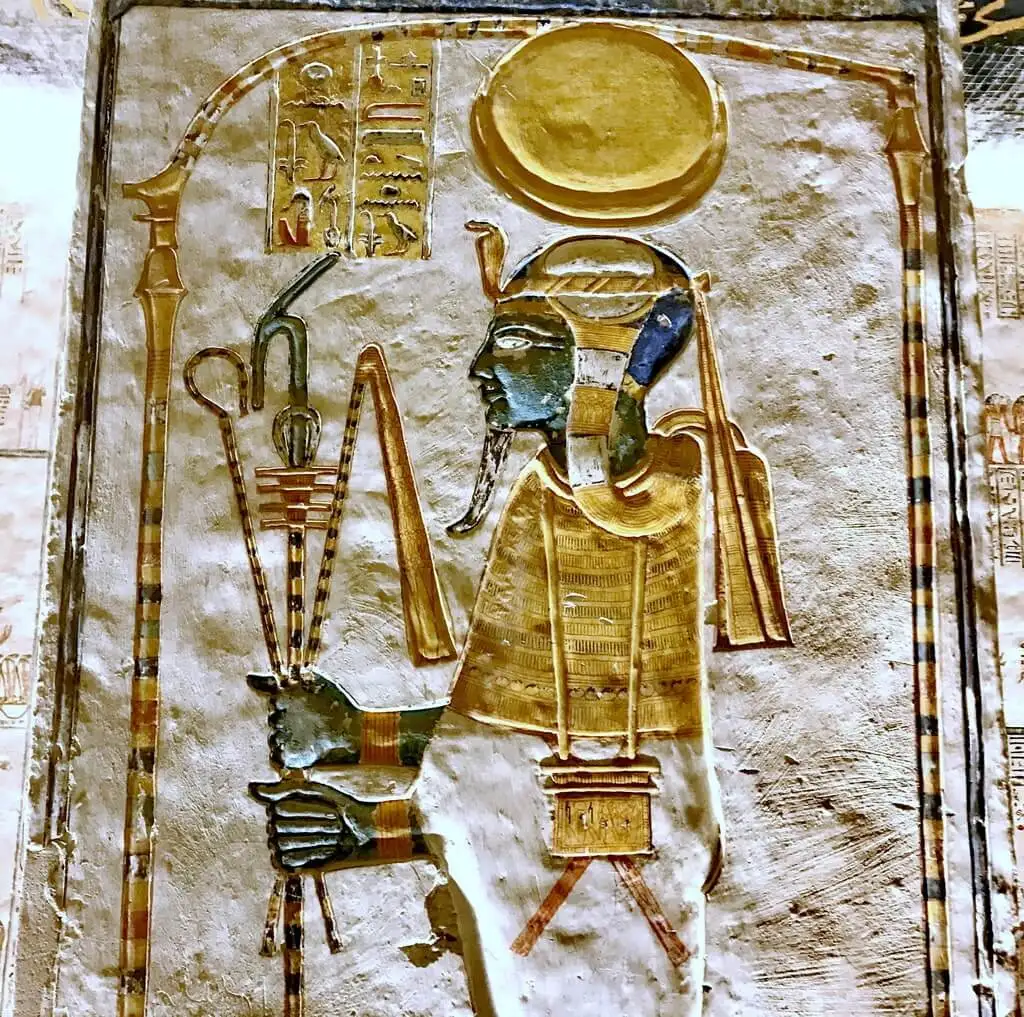
The origins of Sokar are ancient, with his worship dating back to the Old Kingdom, and he flourished particularly in the city of Memphis. As the principal deity of this major religious and administrative center, he was seen as a local god with universal importance. Sokar was most frequently depicted in two forms: as a mummified man with a falcon’s head and as a falcon perched on a mound of earth. The mummified form directly connected him to the funerary realm and his role as a guardian of the dead. It symbolized his mastery over the physical remains and his power to protect them from decay.

The falcon, a sacred animal in ancient Egypt, symbolized the divine and the soul’s ability to transcend the physical world and ascend to the heavens. This dual imagery highlighted his role as both a terrestrial and celestial deity, a guide who operated in both the tomb and the sky. His name, possibly derived from the phrase “sokar-n-re,” meaning “cleansing the mouth of Re,” alludes to his vital function in the “Opening of the Mouth” ceremony, a ritual designed to restore a person’s senses and vitality in the afterlife. Without this ritual, the spirit could neither eat nor drink, nor move, making Sokar’s role in the afterlife foundational.

FUN

The Roles and Functions of God Sokar

The Roles and Functions of God Sokar

Sokar’s influence spanned many parts of ancient Egyptian life. His main role was a protector of the dead. He was the lord of the “hidden realm.” He guided souls through the dangerous underworld. The Book of the Dead and other funerary texts feature him prominently. He resided in the deepest parts of the underworld. He offered protection against chaotic forces. This protective role was very important. Even the sun god Ra relied on Sokar’s guidance. Ra transformed into Sokar’s form to navigate the most difficult regions. This showed Sokar’s authority over the chthonic realm.

Patron of Craftsmen

Beyond his role in the afterlife, Sokar was a divine patron of craftsmen. His link with Memphis, a major craft center, connected him to creating sacred objects. Artisans who worked with precious metals and stone especially revered him. They believed he made the gold and silver vessels for funerary rites. This connection to craftsmanship highlighted his role as a god of order. He ensured burial objects were crafted meticulously. They aided the deceased on their journey. People believed Sokar’s divine hand inspired the intricate details on sarcophagi, statues, and amulets.

Egyptian Phoenix Bennu: Myth, Symbolism, and Legacy

Forget the fire. The original legend is even better. Meet the Bennu, the Egyptian Phoenix....
Related post
FUN

The Ptah-Sokar-Osiris Triad: A Symbol of Eternity

The Ptah-Sokar-Osiris Triad, A Symbol of Eternity

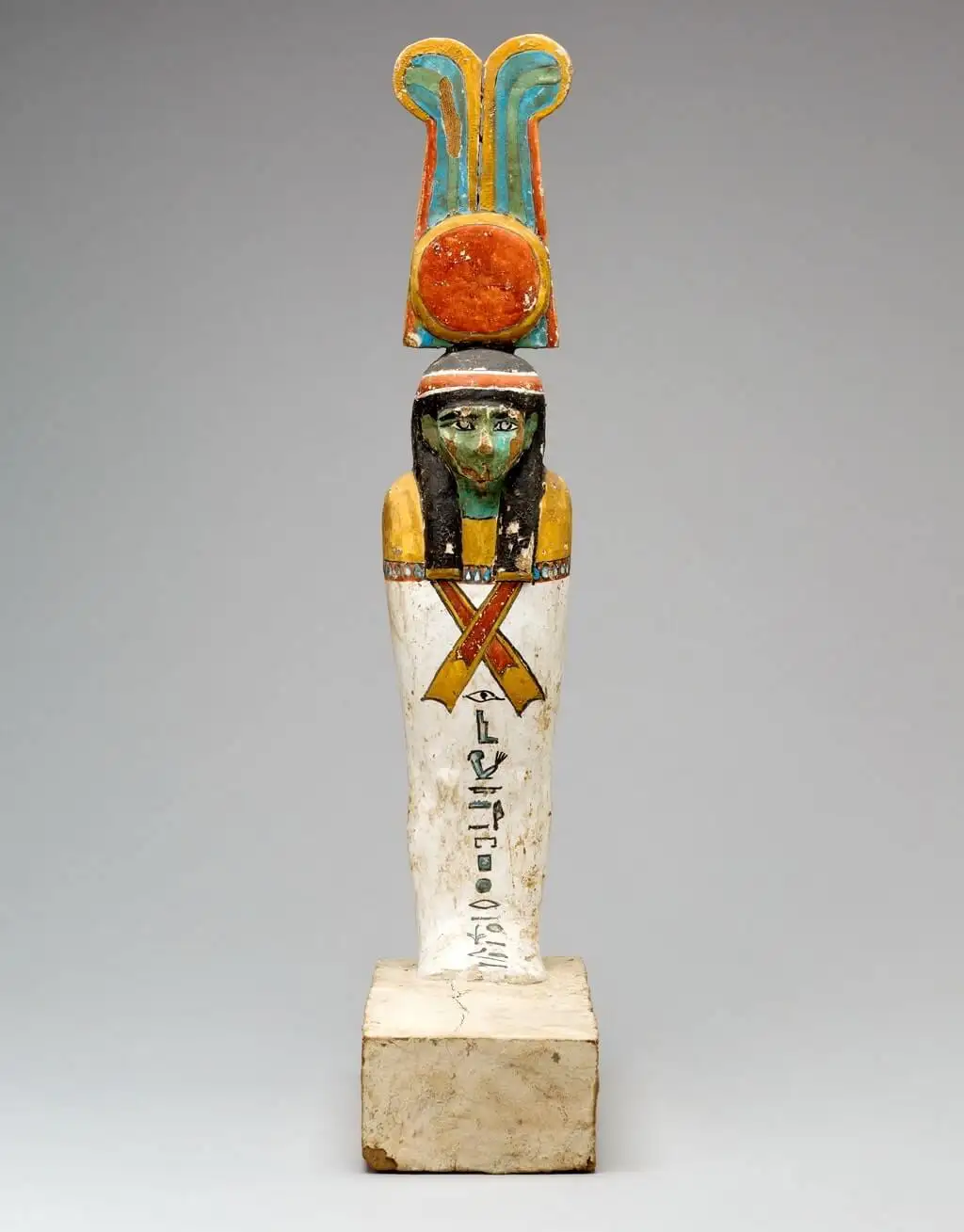
Sokar’s most profound importance stemmed from his fusion with two other major deities: Ptah and Osiris. This syncretism resulted in the composite deity Ptah-Sokar-Osiris, a powerful symbol of the complete cycle of existence and the ancient Egyptian belief in eternal life.

  • Ptah, the creator god of Memphis, represented the beginning of all things and the divine act of creation.
  • Sokar represented the earthly realm, the underworld, and the process of death, serving as the bridge between life and the afterlife. He was the force that guided the body back to the earth.
  • Osiris, the god of rebirth and the afterlife, represented the ultimate goal of eternal life and resurrection. He was the ultimate destination of the soul, a place of peace and renewal.

People commonly depicted this powerful triad on funerary figures and sarcophagi. These figures served as a divine guarantee for the deceased. People believed that placing Ptah-Sokar-Osiris in a tomb ensured the individual would successfully navigate death’s challenges. They would achieve a glorious and eternal existence in the afterlife. People often hollowed out the figures to hold papyrus scrolls with magical spells. This reinforced their protective and transformative power.

God Thoth: The Egyptian God of Wisdom, Writing, and the Moon

Thoth (or Djehuty) is one of the most important and powerful ancient Egyptian gods. He...
Related post
FUN

Worship, Festivals, and Legacy

Ancient Egyptians formalized the worship of Sokar through significant festivals. The Henu festival was the most notable event. People often celebrated it in the fourth month of the inundation season. The festival involved elaborate processions and rituals. Participants would “till the earth” to symbolize rebirth and new life. This ritual served as a powerful metaphor for the deceased’s resurrection.

The Henu barque, a special boat, played a key role in the procession. It symbolized the journey through the underworld. These public celebrations reinforced the community’s belief in the cycle of life and death, with Sokar as its central figure. Sokar’s legacy is enduring. It appears in ancient Egyptian texts and tombs. It also lives on in the very concept of an ordered, cyclical cosmos. He remains a powerful symbol of protection, transformation, and eternal hope. Sokar represents the profound Egyptian belief that death was a necessary step toward a new, glorious existence.

Current weather in Egypt

The Jackal Anubis and Mummification in Ancient Egypt

Anubis stands as the undisputed master of the Egyptian afterlife, guiding souls through the critical...
Related post
FUN


Magical White Desert Camping Adventure starting from Cairo...
13-Day Honeymoon Tour Package to Egypt Highlights...

Excellent Adventure

These guys put together an amazing itinerary that allowed me see the sunrise at the sun festival in Abu Simbel, King Tut’s tomb, and mask! That was just the tip of the iceberg. Aswan, Kom Ombo, Edfu and Luxor. So much visited with plenty of rest time. An amazing trip

More »
3-day desert safari trip from Cairo—Egypt Fun Tours

Book with Egypt Fun Tours!!

In April 2011, my husband and I, after great debate, took a trip to Egypt. Because of the political situation, we decided to book a tour for our time in Cairo and Luxor. We are very happy that we did, since these are two cities that should not be missed.

More »

Day trip to Wadi el Hitan and Wadi el Rayan

We went on a full-day trip to Wadi el Hitan and Wadi el Rayan with Mohamed (Hamada). Mohamed was a wonderful guide, always making sure we had plenty of water and enough to eat, and providing us with information about the area and Egypt more generally. He also gave us

More »

Amazing Experience

Hamada was incredible! So knowledgeable and kind. He had information about every item, street corner, and relic we looked at. Any questions we had, he had answers! He even made sure to give us tips while walking through the crowds so that we would feel more comfortable when being approached

More »

The best holiday ever!

The Nile cruise, Luxor, and Aswan were amazing sites to see, especially when you have the best tour guide in Egypt. Hamada was absolutely fantastic, lots of information, and some of it not spoken by others. This guy was not only a simple tour guide for us, but he also

More »
Isis with wings

Top-rated Tour Packages

Isis with wings