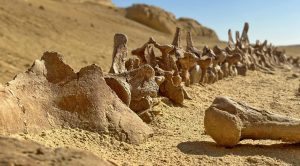
The Greco-Roman Period of Egypt: The Ultimate Historical Guide

The Greco-Roman Period (332 BCE – 641 CE) represents the final, spectacular chapter of ancient Egyptian history, where the traditions of the Pharaohs merged with the emerging powers of the West. Initiated by the conquest of Alexander the Great and immortalized by the reign of Cleopatra VII, this era saw Egypt become the intellectual and economic heart of the Mediterranean. While the rulers were Greek and later Roman, they governed as Pharaohs, commissioning massive stone temples and blending classical philosophy with ancient Egyptian theology. Ultimately, the Greco-Roman Period was a time of unprecedented globalization, producing a unique cultural synthesis that forever changed the course of Western civilization.

The Greco-Roman Period of Egypt (332 BCE – 641 CE) is a spectacular era of history. This nearly thousand-year span represents a deep merger of civilizations. During this time, the ancient traditions of the Nile met the rising powers of the Mediterranean. Specifically, the wisdom of the Pharaohs joined the logic of the Greeks and the military might of Rome. Consequently, Egypt became the intellectual and economic heart of the ancient world.

A Bridge Between Two Worlds

Far from being a period of decline, this era transformed the region. The rulers realized they could not govern by force alone. For this reason, the Greek Ptolemies and Roman Emperors embraced Egyptian culture. They built massive stone temples and supported local priests. Furthermore, they depicted themselves as divine kings on temple walls. This strategic move created a unique “hybrid” society. In this world, Greek philosophy lived side-by-side with Egyptian mummification.

The Legacy for Modern Travelers

For travelers today, the Greco-Roman Period of Egypt offers incredible monuments. Many of these sites are better preserved than the older pyramids. Because these structures are younger, they still have intact roofs and vibrant colors. Visitors can see legendary figures like Alexander the Great and Cleopatra VII come to life. Moreover, these sites show how the ancient world transitioned into the Christian and Islamic eras. Understanding this period is essential for anyone who wants to see the full story of the Nile.

FUN

The Macedonian Conquest: Alexander the Great in Egypt
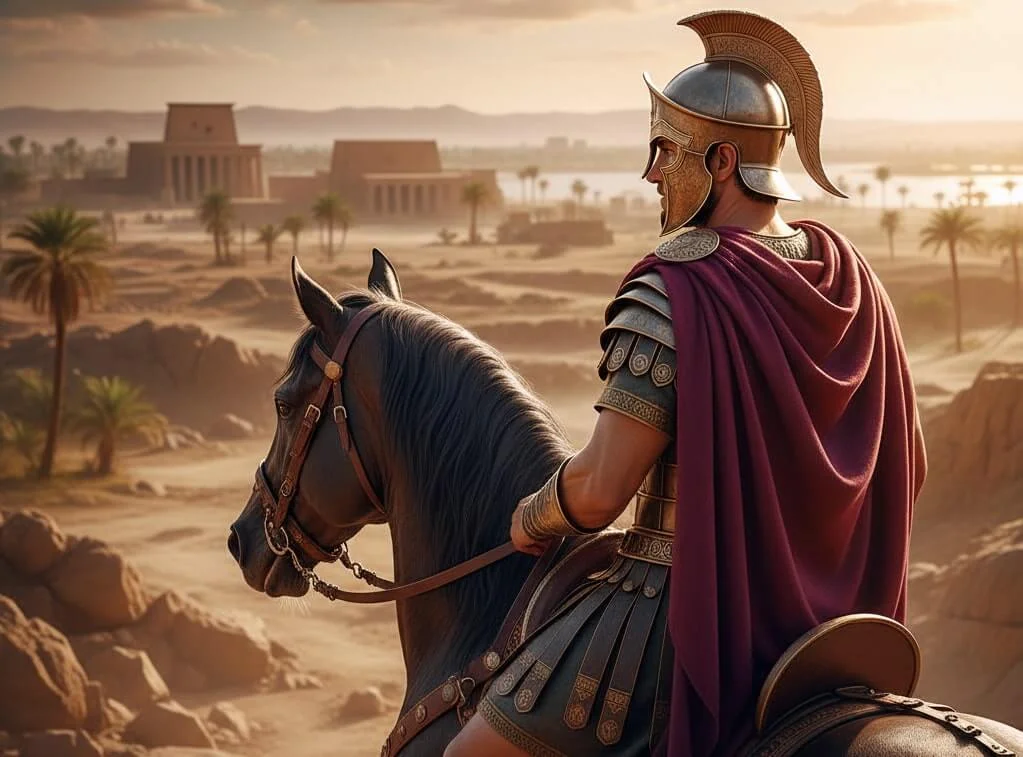
Alexander the Great The Man Behind the Legend

The Greco-Roman Period of Egypt began with a massive shift in global power. In 332 BCE, Alexander the Great arrived at the Egyptian border. At that time, Egypt was under the harsh rule of the Persian Empire. The local population felt oppressed and unhappy. Therefore, they welcomed Alexander as a liberating hero. He did not have to fight a single battle to take the country. Instead, he marched straight to Memphis to secure his claim to the throne.

Seeking Divine Legitimacy

Alexander knew that military strength was not enough. To rule effectively, he needed the support of the Egyptian gods. Consequently, he made a dangerous journey across the desert to the Siwa Oasis. He went there to consult the Oracle of Amun. During this visit, the priests declared Alexander the “Son of Amun.” This title was vital. It officially transformed him from a foreign conqueror into a legitimate Pharaoh. By accepting this divine status, Alexander ensured that the Egyptian people would remain loyal to his new government.

The Strategic Foundation of Alexandria

Before Alexander left Egypt to continue his conquests, he made a decision that changed history. He founded the city of Alexandria on the Mediterranean coast. He chose this specific location for two main reasons. First, it provided a deep-water harbor for his navy. Second, it connected the wealth of the Nile Valley directly to the markets of Greece. Alexandria soon became the administrative heart of the Greco-Roman Period of Egypt. It grew into a metropolis of marble, science, and trade, eventually becoming the most famous city in the ancient world.

The Rise of the Ptolemaic Dynasty: Ptolemy I Soter
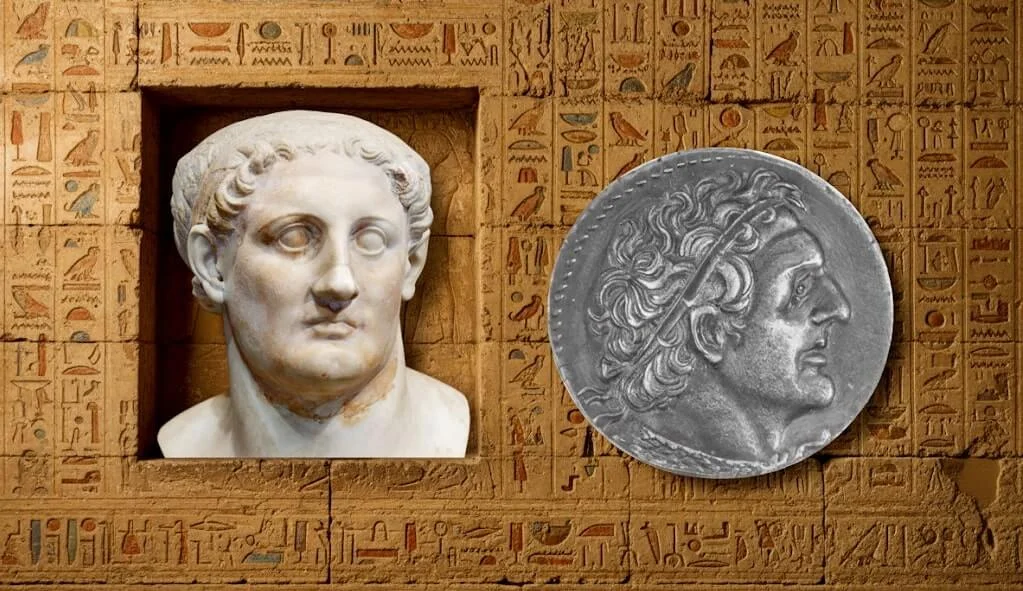
Ptolemy I Soter

After the sudden death of Alexander in 323 BCE, his vast empire faced a crisis. His top generals, known as the Diadochi, began to fight for control. Among them was Ptolemy I Soter, a childhood friend and trusted military leader of Alexander. Ptolemy was clever and far-sighted. He realized that Egypt was the most stable and wealthy region of the empire. For this reason, he moved quickly to secure the province for himself.

Securing the Throne

Ptolemy did not become king immediately. At first, he ruled as a governor. However, he worked tirelessly to build a strong local power base. He famously intercepted Alexander’s funeral cortege and brought the conqueror’s body to Egypt. By burying Alexander in Memphis (and later Alexandria), Ptolemy signaled that he was the rightful heir to Alexander’s legacy. Finally, in 305 BCE, he officially took the title of King. This moment marked the formal start of the Ptolemaic Dynasty, which would rule for nearly 300 years.

A New System of Governance

Ptolemy I established a dual-layered administration that defined the Greco-Roman Period of Egypt. He maintained a Greek military and social elite in Alexandria. Meanwhile, he kept the traditional Egyptian bureaucracy in the countryside. He knew that the grain harvest was the source of his power. Therefore, he focused on efficient tax collection and canal maintenance. This balanced approach allowed the kingdom to prosper. It turned Egypt into the most powerful and stable Hellenistic state in the Mediterranean world.

The Cultural Hybrid: Ptolemaic Architecture and Religious Fusion
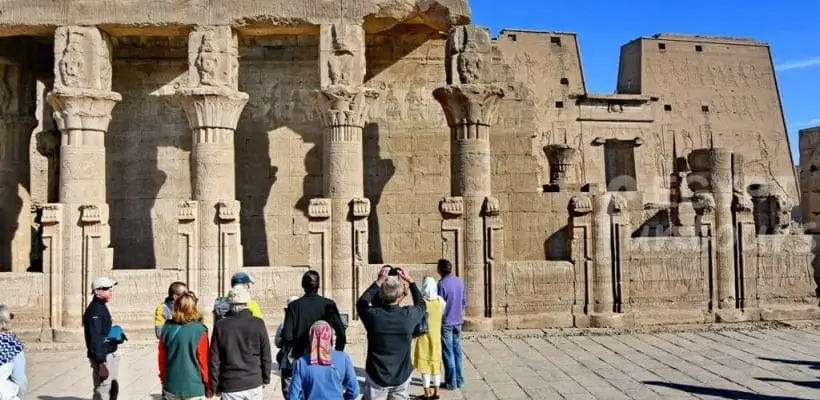
Edfu-temple-of-horus-9-day Egypt tour package

The Greco-Roman Period of Egypt thrived because the Ptolemies were masters of cultural adaptation. They did not try to make Egyptians act like Greeks. Instead, the Greek kings began to act like Egyptians. This strategy created a unique cultural hybrid. This blend of styles is most visible in the massive temples and new religious cults of the era.

Building the Great Ptolemaic Temples

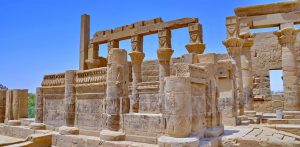
During this time, the Ptolemies funded the construction of massive stone temples. Interestingly, most of the “ancient” temples tourists visit today were built during the Greco-Roman Period of Egypt. These kings wanted to show their devotion to the local gods. Consequently, they built sites like the Temple of Edfu and the Temple of Philae.

  • First, they used traditional Pharaonic designs to please the local priests.
  • Second, they added Greek artistic touches, such as more realistic carvings of faces and bodies.
  • Third, they added “Mammisi,” or birth houses, to celebrate the divine birth of the king.

Because of this investment, the Egyptian religion did not just survive; it flourished. These temples were the heart of the community, serving as banks, schools, and granaries.

The Invention of Serapis

To unite their Greek and Egyptian subjects, Ptolemy I introduced a new god named Serapis. This was a calculated political move. Serapis combined the Egyptian gods Osiris and Apis with the Greek gods Zeus and Hades.

  • For the Greeks, Serapis looked like a majestic, bearded philosopher-god.
  • For the Egyptians, he represented the sacred bull and the powers of the afterlife.

The main temple for this god was the Serapeum in Alexandria. It became one of the most famous religious sites in the world. This fusion of faith helped keep the peace in a multicultural society. It proved that the Greco-Roman Period of Egypt was an age of religious innovation.

FUN

Alexandria: The Intellectual Capital of the World

The Founding of Alexandria, A New World Capital

While the countryside remained traditionally Egyptian, Alexandria was a Greek-style metropolis. It was the most modern city of the Greco-Roman Period of Egypt. In fact, it served as the world’s first global think tank.

The Great Library and the Musaeum

The Ptolemies wanted to collect all the knowledge in the world. Therefore, they built the Great Library of Alexandria. They sent agents to every port to buy or copy every scroll they could find.

  • Specifically, they created the Musaeum, which was a research institute for scientists.
  • Furthermore, the state paid for the world’s best scholars to live and work there.
  • As a result, Alexandria became the birthplace of modern science and geometry.

Scholars here calculated the circumference of the Earth and mapped the constellations. This intellectual boom made the Greco-Roman Period of Egypt the most advanced era of its time.

The Pharos Lighthouse: An Engineering Marvel

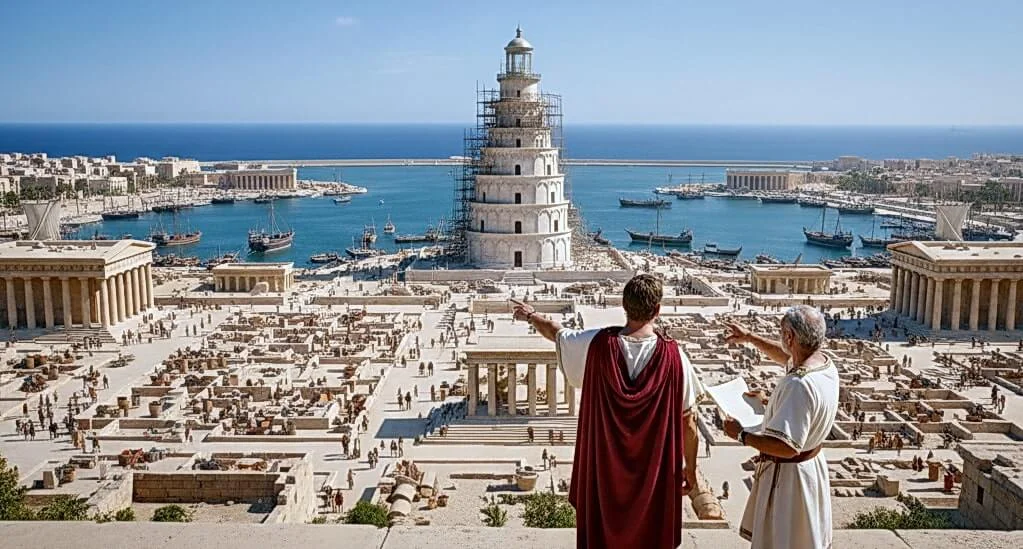
To protect the massive trade ships coming to Egypt, the Ptolemies built the Pharos Lighthouse. It was one of the Seven Wonders of the Ancient World.

  • Notably, it stood over 100 meters tall.
  • Additionally, it used a massive mirror to reflect firelight far out into the sea.
  • Clearly, this structure symbolized the power and technology of the Greco-Roman Period of Egypt.

The lighthouse guided ships filled with silk, spices, and grain into the busiest port on Earth. It was a beacon of progress for nearly a thousand years.

The Reign of Cleopatra VII: The Final Ptolemaic Stand

Queen Cleopatra Egypt Fun Tours

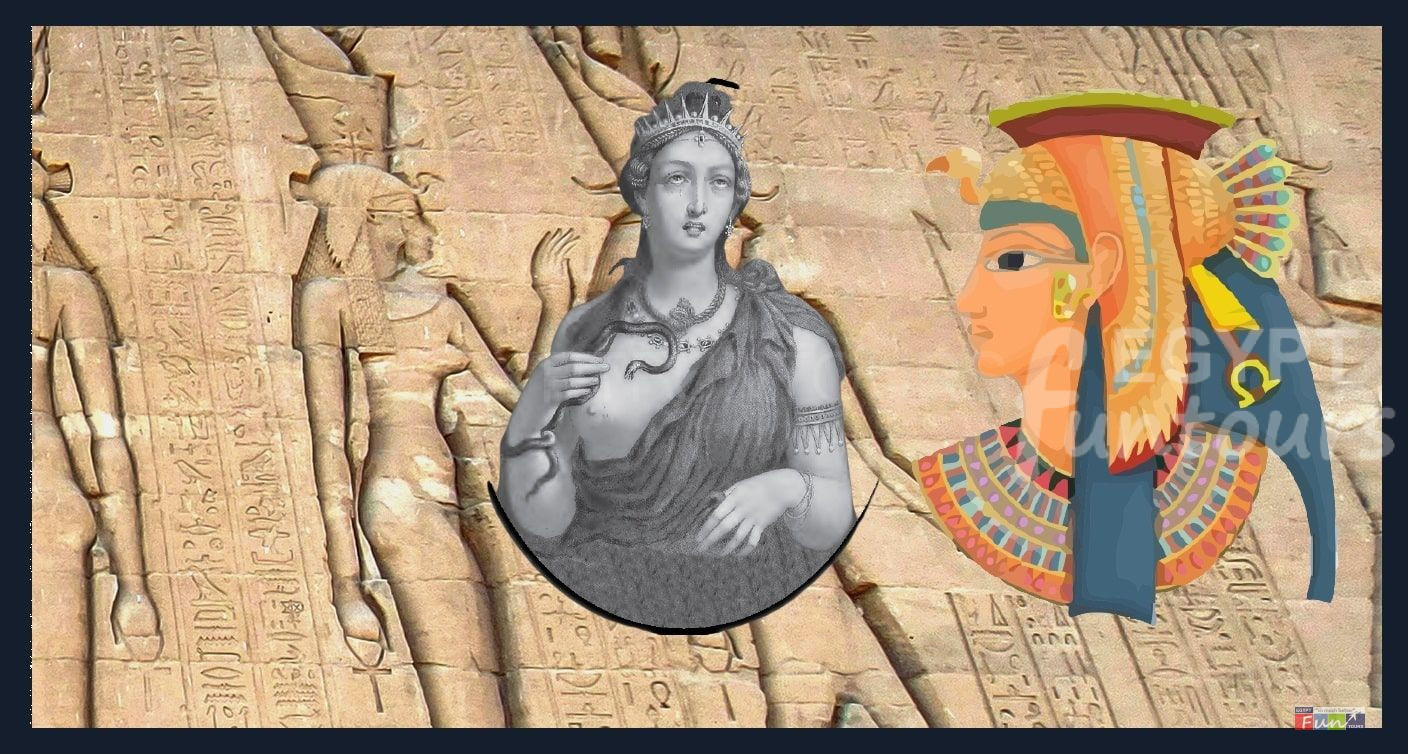
The most famous figure of the Greco-Roman Period of Egypt is undoubtedly Cleopatra VII. Her reign represented the final, desperate attempt to keep Egypt independent. Unlike many rulers before her, Cleopatra was a brilliant politician and a master of languages. For example, she was the first Ptolemaic monarch to speak the native Egyptian language. This skill won her the deep loyalty of the Egyptian people. She did not see herself as a Greek ruler of an Egyptian land. Instead, she presented herself as a living goddess and a true Pharaoh.

Alliances with the Roman Giants

Cleopatra knew that the Roman Republic was the greatest threat to her throne. Therefore, she used her intellect and charisma to form strategic alliances.

  • First, she allied with Julius Caesar. This partnership helped her defeat her brother and secure the throne.
  • Second, she formed a powerful bond with Mark Antony. Together, they dreamed of building a massive Eastern empire based in Alexandria.
  • However, these moves made her an enemy of Rome’s rising leader, Octavian.

The Battle of Actium and the Death of a Dynasty

The tension eventually led to the Battle of Actium in 31 BCE. This massive naval battle changed the course of history.

  • To start, the combined forces of Cleopatra and Antony faced Octavian’s fleet.
  • Unfortunately, they suffered a crushing defeat.
  • Consequently, they fled back to Alexandria. With no way to win, both Antony and Cleopatra took their own lives in 30 BCE. This tragic end marked the official conclusion of the Ptolemaic Dynasty. It also ended three millennia of independent Pharaonic rule.

The Third Intermediate Period and the Age of Foreign Rule

Egypt's Third Intermediate Period (c. 1070–664 BCE) was marked by political fragmentation and internal conflict,...
Related post
FUN

Roman Egypt: The Imperial Breadbasket

Roman and Byzantine Egypt - Egypt Fun Tours

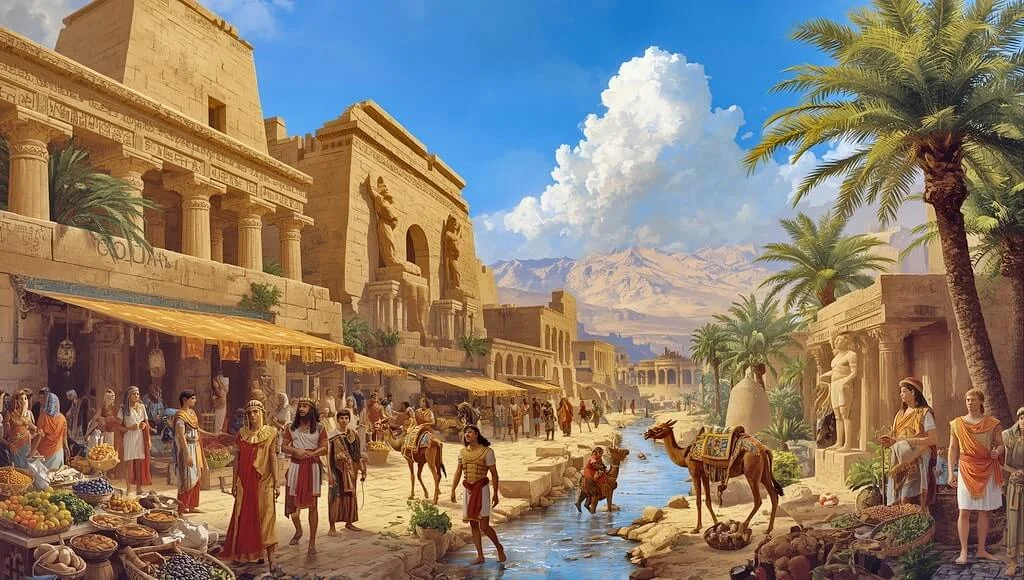
After Cleopatra’s death, Octavian became Augustus Caesar, the first Emperor of Rome. He immediately annexed Egypt. However, he did not treat it like a normal province. He viewed the Greco-Roman Period of Egypt as his private property. He forbade Roman senators from visiting without his permission. He knew that whoever controlled the Nile controlled the food supply of Rome.

Feeding the Roman Empire

The Romans turned Egypt into a massive industrial farm. Specifically, they focused on grain production.

  • Moreover, they required Egypt to send a massive “Annona” (grain tribute) every year.
  • As a result, Egyptian grain fed the city of Rome for four months out of every twelve.
  • Furthermore, the Romans improved the irrigation canals to ensure the highest possible yields. This focus on extraction made Egypt the wealthiest and most vital province in the Roman world.

A Rigid New Social Order

Under Roman rule, the social structure became much stricter. The Greco-Roman Period of Egypt saw the population divided into clear legal classes.

  1. Roman Citizens: These were the elite rulers and soldiers.
  2. Greek Residents: These people lived in the Greek cities and paid lower taxes.
  3. Native Egyptians: These were the farmers and laborers who bore the heaviest tax burden. This system was designed to keep the wealth flowing toward Rome. However, it also led to local resentment and occasional revolts against the Roman governors.

The Artistic Fusion: Fayum Mummy Portraits

The Artistic Fusion; Fayum Mummy Portraits - Greco-Roman Period of Egypt

During the Greco-Roman Period of Egypt, the collision of cultures produced a unique form of art. This is most evident in the Fayum Oasis region. As the Roman period progressed, traditional Egyptian burial customs began to blend with Roman artistic realism. The result was the famous Fayum Mummy Portraits. These were not the stylized golden masks of the ancient Pharaohs. Instead, they were incredibly lifelike paintings of the deceased on wooden boards.

Realism Meets the Afterlife

Artists used a technique called encaustic, which involved mixing pigment with hot wax. This method allowed them to create depth, shadow, and vivid skin tones. Consequently, these portraits look like modern photographs of people from two thousand years ago. They depict individuals with Roman hairstyles, Greek jewelry, and Egyptian funerary wrappings. Interestingly, these faces show the true diversity of the Greco-Roman Period of Egypt. They prove that the population was a mix of many ethnicities living together under one belief system.

Preserving the Egyptian Soul

Even though the art style was Roman, the purpose remained deeply Egyptian. The families commissioned these portraits to ensure the “Ka,” or the soul, could recognize its body in the afterlife. Therefore, the Greco-Roman Period of Egypt shows a fascinating survival of core beliefs. People adopted the trendy fashions of the Mediterranean, but they never abandoned their hope for eternal life in the fields of Iaru. These portraits are now considered the oldest surviving portrait paintings in the world.

The Transformation of Faith: The Rise of Christianity

Ancient Egypt and Christianity

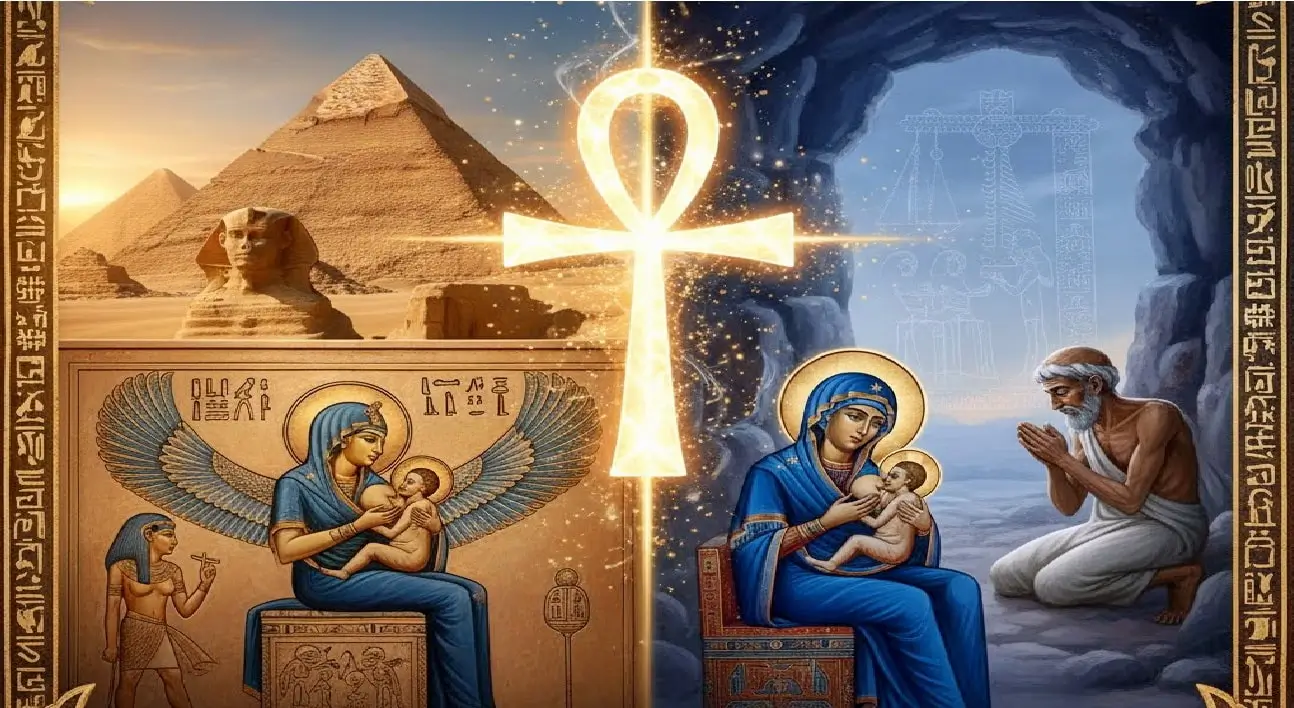
Religion underwent a massive transformation during the later centuries of the Greco-Roman Period of Egypt. For thousands of years, the Nile was the home of many gods. However, in the 1st century CE, a new faith arrived in Alexandria. Tradition states that St. Mark brought the teachings of Christianity to Egypt. Initially, this new religion spread among the people with low income and the oppressed. It offered a message of hope and equality that was very different from the rigid Roman social classes.

The Birth of the Coptic Church

As Christianity grew, it began to clash with the traditional Egyptian priesthood and the Roman state. Many Egyptians began to turn away from the old temples of the Greco-Roman Period of Egypt. Instead, they joined the emerging Coptic Church. To make the scriptures accessible, scholars developed the Coptic script. They used the Greek alphabet but added seven characters from the ancient Demotic Egyptian language. This move was revolutionary. It allowed the Egyptian language to be written and read by common people, not just elite scribes.

The Desert Fathers and Monasticism

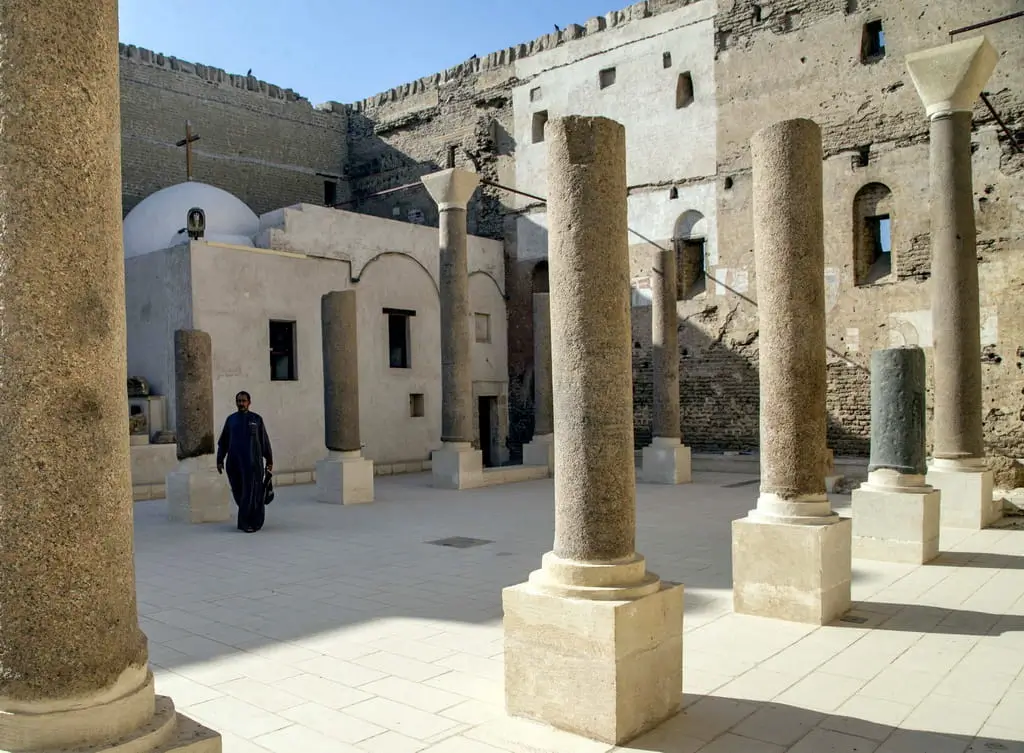
Egypt soon became the spiritual center of the Christian world. Specifically, the Egyptian desert became the birthplace of monasticism. Figures like St. Anthony and St. Pachomius fled the busy cities to live in caves and remote valleys. They sought a life of prayer and silence. Soon, thousands of followers joined them, leading to the construction of the first monasteries. These sites, such as the Monastery of Saint Anthony, are still active today. They represent a major legacy of the late Greco-Roman Period of Egypt.

The Late Period of Egypt: Final Renaissance and Struggle for Independence

The Late Period of Egypt stands as a testament to the enduring strength of Egyptian...
Related post
FUN

The Byzantine Era: Egypt Under Constantinople

The Byzantine Era Egypt Under Constantinople - Greco-Roman Period of Egypt

In the 4th century CE, the Roman Empire underwent a major change. Emperor Constantine legalized Christianity and moved the capital to Constantinople. This began the Byzantine phase of the Greco-Roman Period of Egypt. Egypt was no longer ruled from Rome. Instead, it was governed by the Eastern Roman Empire. During this time, the ancient temples were officially closed. The famous Edict of Theodosius ordered the destruction of “pagan” statues and the end of the old priesthoods.

Religious Tensions and Decline

The Byzantine era was a time of great architectural beauty but also great tension. The state in Constantinople often disagreed with the Coptic Church in Alexandria over religious doctrines. Consequently, the native Egyptians felt persecuted by their own government. This internal conflict weakened the country significantly. Furthermore, the high taxes required to fund Byzantine wars left the population exhausted. By the end of this stage of the Greco-Roman Period of Egypt, the country was ready for a major change.

The Twilight of an Era: The Sassanid Invasion and the Arab Conquest

The final century of the Greco-Roman Period of Egypt was marked by intense global conflict. Two massive superpowers, the Byzantine Empire and the Sassanid Persians, fought for control of the Mediterranean. In 619 CE, the Persians successfully invaded Egypt. They captured Alexandria and held the country for a decade. Although the Byzantine Emperor Heraclius eventually reclaimed the province, the war left Egypt’s economy and military defenses in ruins. The local population felt no loyalty to their Byzantine rulers, who continued to demand high taxes and religious conformity.

This exhaustion paved the way for the most significant turning point in Egyptian history. In 639 CE, an Arab army led by the general ‘Amr ibn al-‘As entered the Nile Valley from the east. The Byzantines retreated to the massive Babylon Fortress in what is now Cairo. After a long siege, the fortress fell. Finally, in 641 CE, the city of Alexandria surrendered. This event officially ended the Greco-Roman Period of Egypt. The transition was relatively peaceful because many Coptic Christians preferred Arab rule over Byzantine persecution. This shift marked the beginning of Islamic Egypt and the end of the classical world.

The Middle Kingdom of Egypt: The Complete History of the Classical Age

Discover the Middle Kingdom, often called Egypt’s "Classical Age" of culture and stability (c. 2055–1650...
Related post
FUN

Architectural and Scientific Legacy of the Greco-Roman Period

Roman Amphitheater in Kom Eddeka Best day trip to Alexandria from cairo Egypt Fun Tours

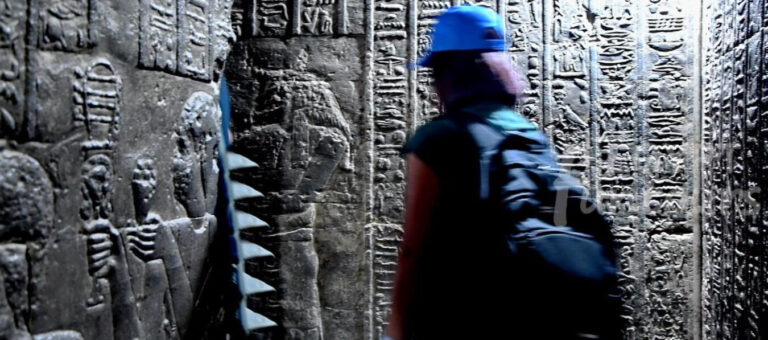
Even though the political era ended, the cultural impact of the Greco-Roman Period of Egypt never truly vanished. The Greek and Roman rulers left a physical mark on the landscape that defines the Egyptian tourism industry today. Most of the famous temples along the Nile, such as Dendera, Esna, and Kom Ombo, reached their final, magnificent forms during this millennium. These sites are essential for understanding the peak of ancient stone-working and astronomical science.

Furthermore, the intellectual achievements of Alexandria laid the groundwork for modern civilization. During the Greco-Roman Period of Egypt, scholars translated the Hebrew Bible into Greek, a version known as the Septuagint. Scientists in the Musaeum discovered the principles of geometry and the mechanics of the solar system. These works were later translated into Arabic and eventually sparked the European Renaissance. Therefore, the Greco-Roman era was not just a period of transition; it was a preservation chamber for the world’s most vital knowledge.

The Enduring Spirit of Greco-Roman Egypt in the Modern World

The Enduring Spirit of Greco-Roman Period of Egypt in the Modern World

Today, the influence of the Greco-Roman Period of Egypt is woven into the very fabric of Egyptian life. The Coptic language, which is still used in church services, is the direct descendant of the ancient Egyptian tongue written in Greek characters. This linguistic survival is a testament to the resilience of the local culture during centuries of foreign rule. Moreover, the city of Alexandria remains a Mediterranean gem, still following the urban grid designed by Alexander the Great thousands of years ago.

The archaeological remains of this era continue to surprise us. Submerged cities like Thonis-Heracleion and Canopus were rediscovered in the Mediterranean Sea during the late 20th century. These “underwater museums” contain massive statues of Ptolemaic kings and queens, preserved in the silt for nearly two millennia. These discoveries prove that the Greco-Roman Period of Egypt still has many secrets left to tell. For the modern visitor, exploring these ruins offers a rare chance to see how the splendor of the Pharaohs evolved to meet the challenges of a changing world.

Experience the Greco-Roman Period with Egypt Fun Tours

kom esh shokafa alexandria - 9-day egypt tour - Greco-Roman Period of Egypt

Visiting Egypt without exploring its Greco-Roman heritage is like reading a book but skipping the final chapter. At Egypt Fun Tours, we specialize in showing you the intricate details that make this era so fascinating. We take you beyond the Pyramids to see the vibrant blue ceilings of Dendera and the mysterious underground tombs of Alexandria.

Our expert guides explain the complex history of the Greco-Roman Period of Egypt in a way that is easy to understand. We help you see the hidden Greek symbols on Egyptian statues and the Roman military engineering in ancient fortresses. Whether you are interested in the romance of Cleopatra or the science of the Great Library, we create a custom itinerary that brings this glorious millennium to life.

Are you ready to walk in the footsteps of Alexander the Great and Cleopatra? Contact us today to book your journey through the Greco-Roman Period of Egypt and discover the bridge between the ancient and modern worlds.

Live your dream vacation by discovering the beauty of Egypt in Cairo, Luxor, and Alexandria...
Embark on a special journey for 12 days UNESCO Tour...

HANDS DOWN, the best cultural experience I’ve ever had

Thank you, Egypt Fun Tour, for a most memorable trip. I admit I didn’t do any of the planning (it was all done by my boyfriend), but as you can read in the reviews below, Hani (the owner of Egypt Fun Tours) is superbly organized and accommodating with scheduling. My

More »

Absolutely the best

We visited Cairo over a 15-hour layover. Egypt Fun Tours organized a customized and wonderful experience for us. We could not be happier. The day included a visit to all the great sites, the marketplace, dinner, a boat ride on the Nile, and a host of other special requests. I

More »
hani ahmed 1

Hani Was our Awesome Tour Guide!

We had an 11-hour layover in Cairo on 12/15/2011. We wanted to go to see the Pyramids, Tahrir Square, and possibly the museum. We were so lucky to have a guide, Hani from Egypt Fun Tour, who made it possible to see all the above, plus the Bazaar, and time

More »
Ancient Egyptian Sarcophagus - Egypt Fun Tours

Unforgettable experience with Fun Tours – Highly recommended!

Hello everyone! We would like to share our extremely positive experience with Fun Tours. Our tour was a complete success thanks to our guide, Osama, and our driver Hassan. Osama proved to be an enthusiastic and knowledgeable guide who answered all of our questions and catered to our individual wishes

More »
Isis with wings

Top-rated Tour Packages

Isis with wings