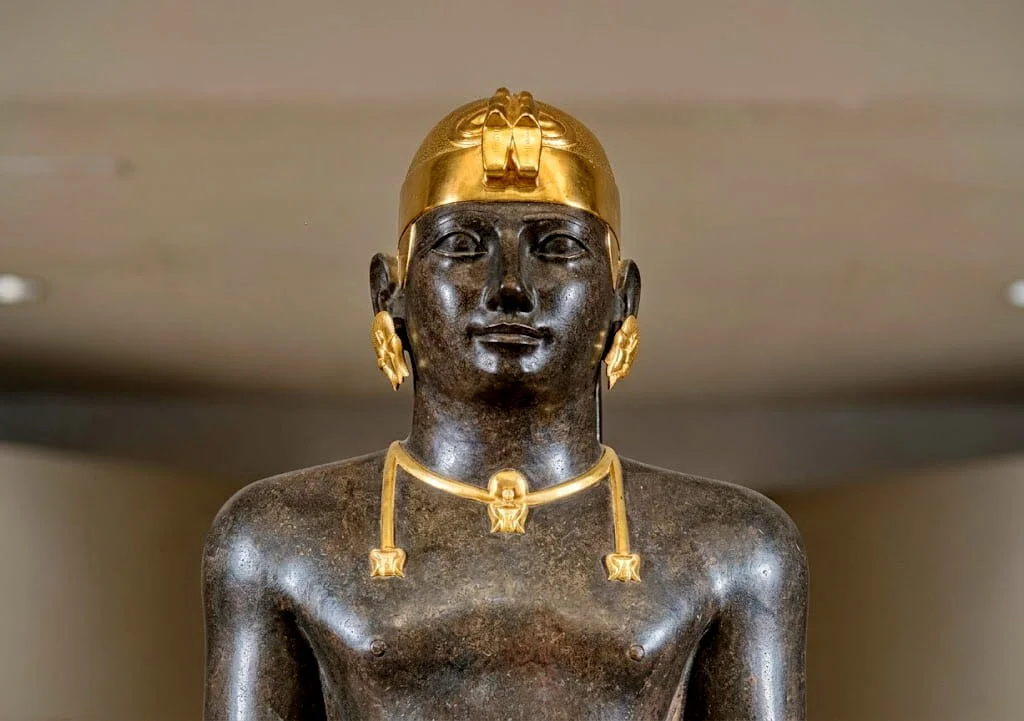
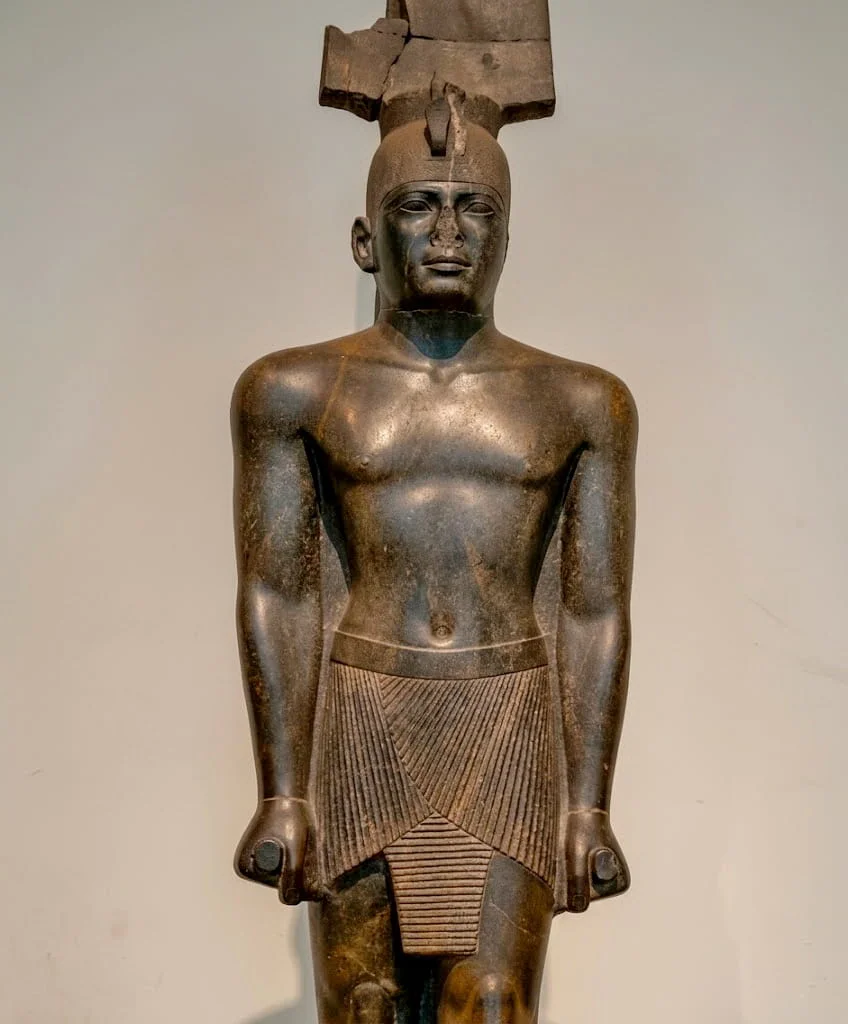
King Taharqa: The African Emperor Who Restored Egypt’s Glory

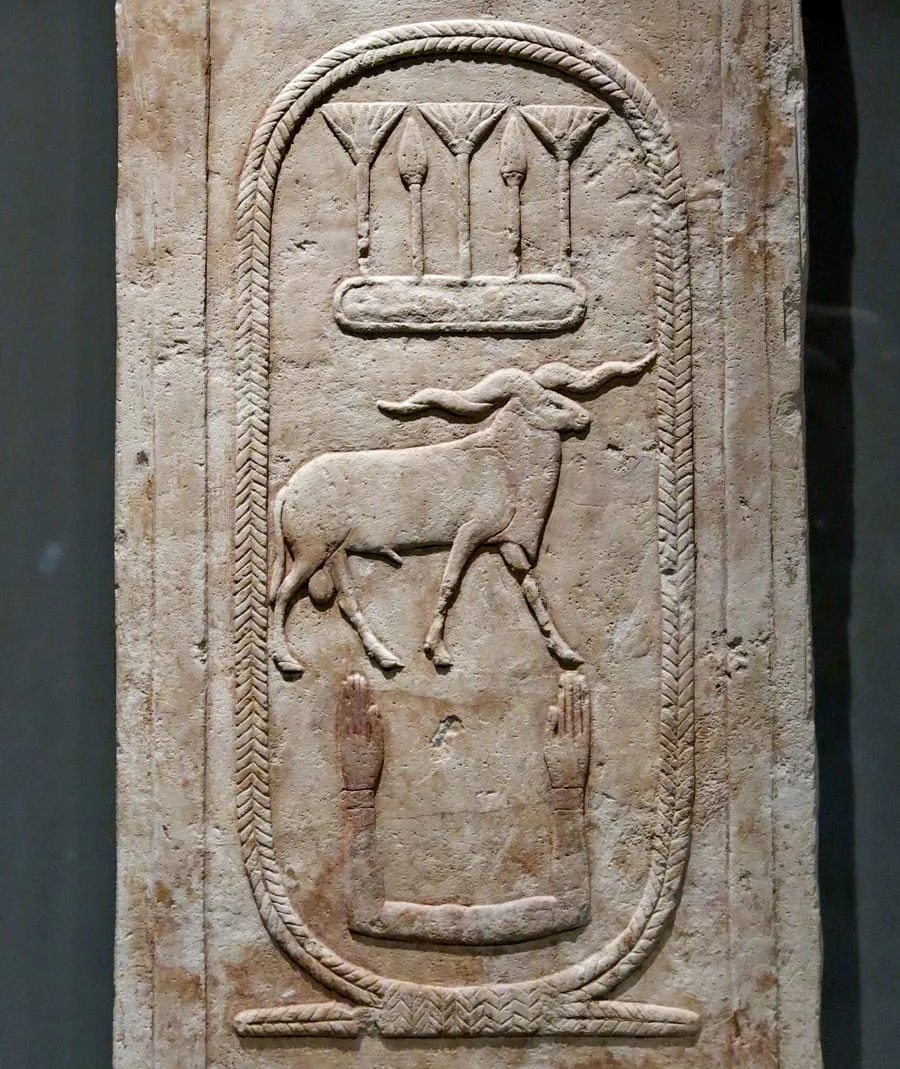
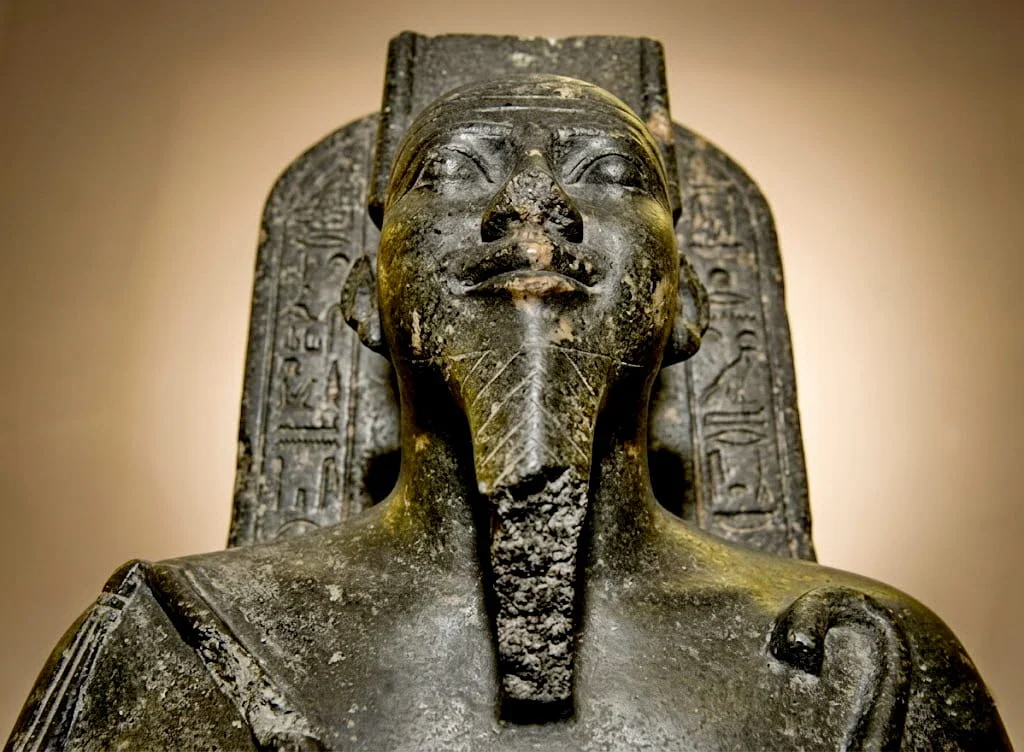
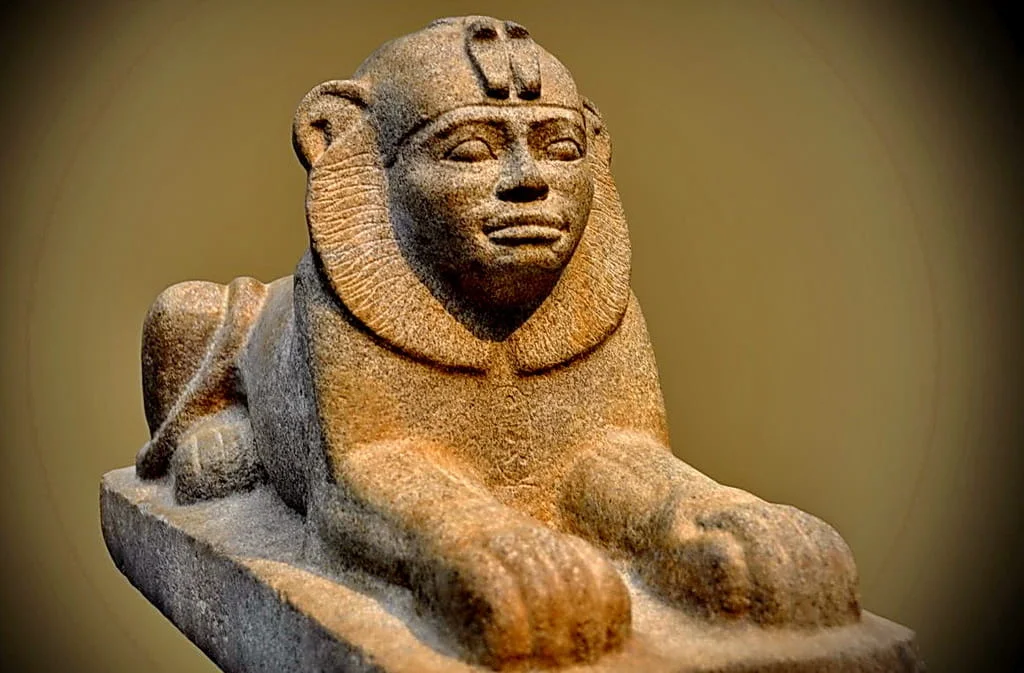
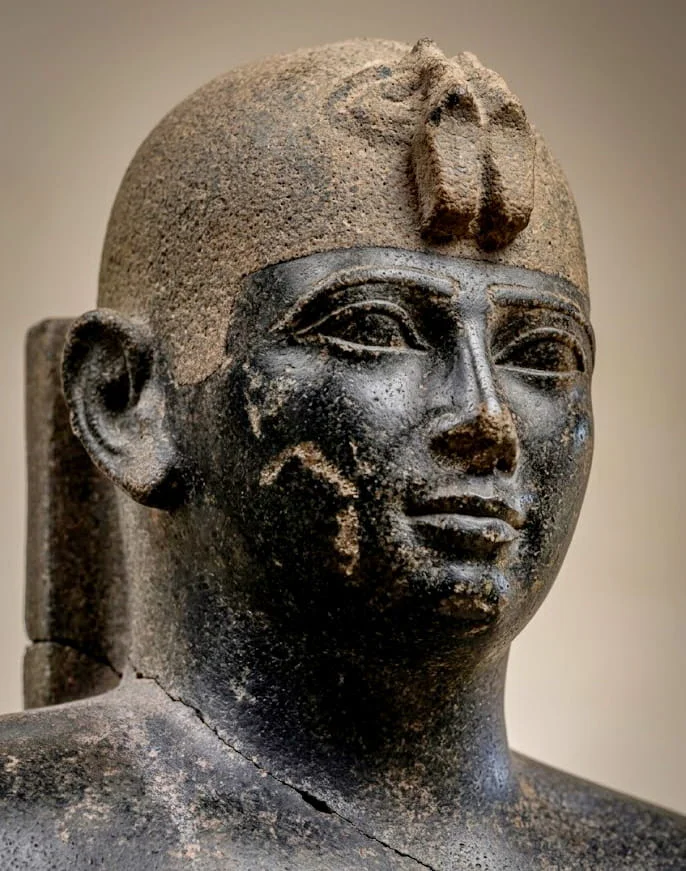
King Taharqa was the most formidable ruler of the 25th Dynasty, governing a vast, unified superpower that stretched from modern Sudan to the Mediterranean Sea. His early reign sparked a spectacular golden age of agricultural abundance and monumental architecture, marked by extensive building programs at Karnak and the sacred mountain of Jebel Barkal. However, his peaceful renaissance eventually collided with the expansion of the ruthless Neo-Assyrian Empire. Despite winning an early, stunning victory and famously marching north to shield Jerusalem from annihilation, Taharqa was ultimately forced to withdraw south to his Nubian homeland under intense Assyrian pressure. He passed away around 664 BC and broke with tradition by building the largest, most imposing pyramid in ancient Nubia at the new royal necropolis of Nuri, leaving behind an indelible legacy as a powerful African emperor who shaped the destiny of the ancient world.
The eye of Horus
WhatsApp
Email
Print

For more than half a century, powerful rulers from the heart of Africa sat upon the throne of the pharaohs. Consequently, they completely rewrote the geopolitical landscape of the ancient Near East. At the absolute peak of this golden era stood one extraordinary man: King Taharqa. As the most formidable ruler of the 25th Dynasty, Taharqa did not merely conquer Egypt. Instead, he completely resurrected its dying culture. He ruled over a massive, unified empire. This grand superpower stretched from the deep waters of modern Sudan all the way to the Mediterranean Sea. Therefore, his reign sparked a spectacular renaissance of art, monumental architecture, and military muscle.

To the ancient world, Taharqa was a true colossus. For instance, the biblical Old Testament immortalizes him as Tirhakah, the mighty “King of Ethiopia.” The scriptures record that his sweeping armies marched north to shield Jerusalem from destruction. Meanwhile, his own subjects viewed him as the chosen favorite of the god Amun. He was a deeply pious builder-pharaoh. Because of this devotion, he restored crumbling temples from Karnak to Napata. Furthermore, he blanketed the entire Nile Valley with towering testaments to Kushite power.

However, Taharqa’s glorious age was destined to collide with a ruthless enemy. The brutal Neo-Assyrian Empire brought a terrifying new machine of iron warfare to his doorstep. What followed was a titanic, decades-long clash of global superpowers. This conflict fiercely tested the limits of Kushite endurance. Ultimately, it altered the course of African history forever. This is the epic story of Taharqa—the master builder, the fierce warrior, and the visionary African emperor who stood as the final shield against the greatest conquerors of his era.
Divider

The Rise of a Kushite Prince: Early Life and Royal Lineage

The Rise of a Kushite Prince Early Life and Royal Lineage

King Taharqa did not ascend the throne by mere chance. Instead, he belonged to a magnificent royal lineage born in the heart of the Kingdom of Kush. He was the son of King Piye, the legendary Kushite monarch who had first conquered Egypt and established the 25th Dynasty. Therefore, royalty and military strategy filled Taharqa’s childhood. He grew up in the royal courts of Napata, learning the art of leadership from a very young age.

However, his path to the crown required patience. After King Piye passed away, the throne did not go directly to Taharqa. Instead, his uncles Shabaka and later Shebitku ruled the empire first. During this time, the young prince honed his skills. He became a trusted commander within the royal army. This long period of preparation ensured that when his time finally came, he was a mature, battle-tested leader.

Furthermore, Taharqa received his true military baptism when he was only twenty years old. A massive crisis erupted in the Levant as the terrifying Neo-Assyrian Empire began invading neighboring kingdoms. King Shebitku ordered the young prince to lead a massive Kushite army northward into Palestine. This campaign became legendary. In fact, his dramatic arrival to protect local allies earned him a direct mention in the biblical Old Testament as Tirhakah, King of Ethiopia. This early expedition proved his bravery on the international stage. Consequently, when King Shebitku passed away around 690 BC, the entire empire eagerly embraced the young warrior-prince as their ultimate savior and new Pharaoh.

Golden Scarab

The Golden Age of the 25th Dynasty under Pharaoh Taharqa

FAQs About the Twenty-Fifth Dynasty of Egypt

When Taharqa assumed full power, he ushered in a spectacular golden age for both Egypt and Kush. He officially wore the double crown, which symbolized his total control over a vast, unified superpower. His early years on the throne brought incredible prosperity. For example, ancient records celebrate ideal Nile floods that occurred during his reign. These perfect floods created massive agricultural abundance, which the people viewed as a direct blessing from the gods.

Because the economy was thriving, Taharqa could focus on his true passion: monumental architecture. He quickly became one of the most prolific builders in ancient history. He felt a deep spiritual duty to restore the sacred traditions of the Nile Valley. Therefore, he launched a massive building program that stretched over hundreds of miles.

Architect of the Gods: The Great Building Programs

Taharqa concentrated much of his architectural effort on the sacred Temple of Amun at Karnak in Thebes. He wanted to leave an unforgettable mark on this historic holy site. To achieve this, he constructed a magnificent, towering kiosk in the temple’s first court. Today, a single surviving column from this grand structure still stands as an iconic symbol of his immense power. Furthermore, he added massive colonnades, restored crumbling walls, and gifted precious treasures to the priesthood.

However, Taharqa did not limit his vision to Egypt alone. He traveled south to his homeland in Nubia to build equally grand monuments. He paid special attention to Jebel Barkal, a striking, flat-topped mountain in Sudan. The Kushites believed this mountain was the literal birthplace and prime home of the god Amun. Taharqa carved spectacular temples directly into the living rock of the mountain. He even overlaid a portion of the mountain’s pinnacle with pure gold leaf so that it would gleam brilliantly in the desert sun. Through these monumental works, Taharqa successfully revived the classic art forms of the Old Kingdom, blending traditional Egyptian styles seamlessly with powerful, authentic African imagery.

The eye of Horus

Clash of Superpowers: King Taharqa vs. the Neo-Assyrian Empire

Clash of Superpowers King Taharqa vs. the Neo-Assyrian Empire

Taharqa’s peaceful golden age could not last forever. Eventually, a dark shadow grew over the ancient Near East. The Neo-Assyrian Empire was rapidly expanding its territories. This brutal empire possessed a highly trained military machine with advanced iron weapons. Therefore, a massive clash between these two global superpowers became entirely inevitable.

Taharqa understood the growing threat perfectly. Instead of waiting for an attack, he chose a highly aggressive defense strategy. He formed powerful alliances with local kingdoms in the Levant, including Phoenicia and Philistia. He supplied these states with military funding and Kushite troops. By supporting these smaller nations, Taharqa sought to create a strong buffer zone. He wanted to halt the Assyrian advance before it ever reached the Egyptian border.

The Biblical Ally: Tirhakah’s Campaigns

This bold foreign policy directly connected Taharqa to some of the most famous events in biblical history. During this era, the Assyrian king Sennacherib led a terrifying siege against the city of Jerusalem. The Judean defenders faced total annihilation. However, hope arrived from the south.

Taharqa marched his formidable army northward to confront the Assyrian forces. This dramatic intervention forced the Assyrians to turn their attention away from Jerusalem. Because of this historic rescue, the biblical Old Testament explicitly honors him. The scriptures record his valuable assistance to King Hezekiah of Judah. This fierce campaign cemented Taharqa’s international reputation as a legendary warrior-king who successfully shielded his allies from brutal conquest.

The Brutal Defenses of Memphis and Thebes

However, the Assyrian empire soon sought ultimate revenge. In 674 BC, the new Assyrian king, Esarhaddon, launched a full-scale invasion directly aimed at Egypt. Taharqa met the invaders at the border with incredible ferocity. Consequently, the Kushite army won a stunning victory, completely repelling the first wave of Assyrian troops.

Unfortunately, this triumph was short-lived. Three years later, in 671 BC, Esarhaddon returned with an even larger, more relentless army. The Assyrians swept through the delta and captured the strategic city of Memphis. They seized the royal court and took several of Taharqa’s family members as valuable hostages.

Despite this catastrophic loss, Taharqa refused to surrender. He retreated south to the holy city of Thebes to rebuild his shattered forces. He launched several fierce counter-offensives over the following years. Nevertheless, the relentless Assyrian onslaught continued under a new ruler, Ashurbanipal. The invading army pushed deeper into Upper Egypt and eventually sacked the city of Thebes. Facing overwhelming numbers, the aging Pharaoh was forced to withdraw further south into his secure Nubian homeland.

Divider

The Legacy of the Black Pharaohs and the Pyramid of Nuri

The Legacy of the Black Pharaohs and the Pyramid of Nuri

Taharqa passed away around 664 BC in the city of Meroë, leaving behind an indelible mark on ancient history. Even in death, this great leader of the Black Pharaohs chose a bold and revolutionary path. Instead of choosing a burial plot in the traditional royal cemetery of el-Kurru alongside his ancestors, Taharqa chose a brand-new sacred location. He traveled north to Nuri and established a grand new royal necropolis.

At Nuri, he ordered the construction of a spectacular, steep-sided monument. His final resting place became the largest and most imposing pyramid ever built in ancient Nubia. By choosing this distinct site, Taharqa started a powerful new tradition. For generations after his death, subsequent Kushite kings followed his example, choosing Nuri as their ultimate resting place.

Today, modern historians and archaeologists celebrate Taharqa as a uniquely African emperor who stood as a formidable shield against the greatest military superpowers of his era. He proved that the Kingdom of Kush was not just a mere shadow of Egypt. Instead, under his visionary leadership, Kush emerged as a sophisticated, independent empire that shaped the destiny of the entire ancient world.
The eye of Horus

FAQs About King Taharqa

FAQs About King Taharqa

Who was King Taharqa?

King Taharqa was the most powerful Pharaoh of the 25th Dynasty of Egypt. He belonged to the royal family of the Kingdom of Kush, an ancient African civilization located in modern-day Sudan and southern Egypt. He ruled a massive, unified empire for over twenty-five years during the 7th century BC.

Is Taharqa mentioned in the Bible?

Yes, Taharqa appears directly in the biblical Old Testament. The scriptures refer to him as Tirhakah, King of Ethiopia. The text records that he marched his powerful army north into the Levant to protect King Hezekiah of Judah from a brutal siege by the Assyrian army.

What did King Taharqa build?

Taharqa was a prolific builder who launched monumental construction programs across Egypt and Nubia. His most famous works include the iconic single-columned Kiosk at the Temple of Amun in Karnak. Additionally, he carved spectacular temples directly into the sacred mountain of Jebel Barkal in Sudan.

Where is King Taharqa buried?

Taharqa broke with royal family traditions and chose a brand new burial site at Nuri in modern-day Sudan. He built a spectacular, steep-sided monument there. This structure remains the largest and most imposing pyramid ever constructed in the ancient Nubian region.

Why is King Taharqa important to history?

Taharqa is incredibly important because he represents the zenith of African geopolitical power in the ancient world. His visionary leadership proved that the Kingdom of Kush was a sophisticated, independent superpower. He successfully revived ancient cultural traditions while fiercely defending his empire against the ruthless Assyrians.


Divider

HANDS DOWN, the best cultural experience I’ve ever had

Thank you, Egypt Fun Tour, for a most memorable trip. I admit I didn’t do any of the planning (it was all done by my boyfriend), but as you can read in the reviews below, Hani (the owner of Egypt Fun Tours) is superbly organized and accommodating with scheduling. My

More »

Well Done

All aspects of the experience were considered and well taken care of. Knowledgeable and friendly guide and organized itinerary.

More »

2 week group private tour – Egypt and Jordan

Our US-based agency takes small groups of experienced travelers to the most beautiful and exotic places in the world. In Dec ’19 – Jan ’20, we used the services of Egypt Fun Tours to plan, organize, and conduct an amazing trip to Cairo, Giza, Saqqara, Luxor, and Aswan. The New

More »

7 night Egypt Experience Cairo, Aswan, Luxor

Trip of a lifetime!! COVID SAFE!! Knowledgeable guide who loves to share the magic of Egypt with tourists. Friendly and accommodating. This company goes to the extreme to make clients feel welcome and help them. A family company that takes good care of its support staff. Must book the 7-night

More »

Day Trip to Alexandria

An enjoyable drive from Cairo to Alexandria. It was an enriching trip. I learnt so much history about the ancient civilisation. The tour guide explained the history of each site we visited. There is so much to see. I would definitely highly recommend visiting Alexandria. It’s rich in history. The

More »
God_Anubis_Icon

Top-rated Tour Packages

God_Anubis_Icon
WhatsApp
Email
Print