Lahun Pyramid: Architectural Revolution of the Faiyum
Many travelers envision the majestic silhouettes of Egypt’s pyramids as the limestone giants of Giza. Others may think of the ancient Step Pyramid of Djoser. However, tucked away on the edge of the lush Faiyum Oasis lies a different marvel. This structure is the Lahun Pyramid, located about 100 kilometers south of Cairo. It represents an innovative period in human engineering known as the Middle Kingdom. Furthermore, this site is also called the Pyramid of Senusret II. It remains a masterclass in ancient “cyber-security” and environmental adaptation.
For the modern explorer, Lahun is not just another pile of weathered stone. Instead, it is a testament to a Pharaoh who changed the rules of royal burial. Senusret II built this monument during the 12th Dynasty ($c. 1897–1878$ BC). Notably, he turned his back on the traditional northern necropolises of Memphis. He chose to embrace the fertile promise of the Faiyum region. Consequently, his legacy is tied to the irrigation and transformation of this desert landscape.
Why Lahun Pyramid Changes Everything
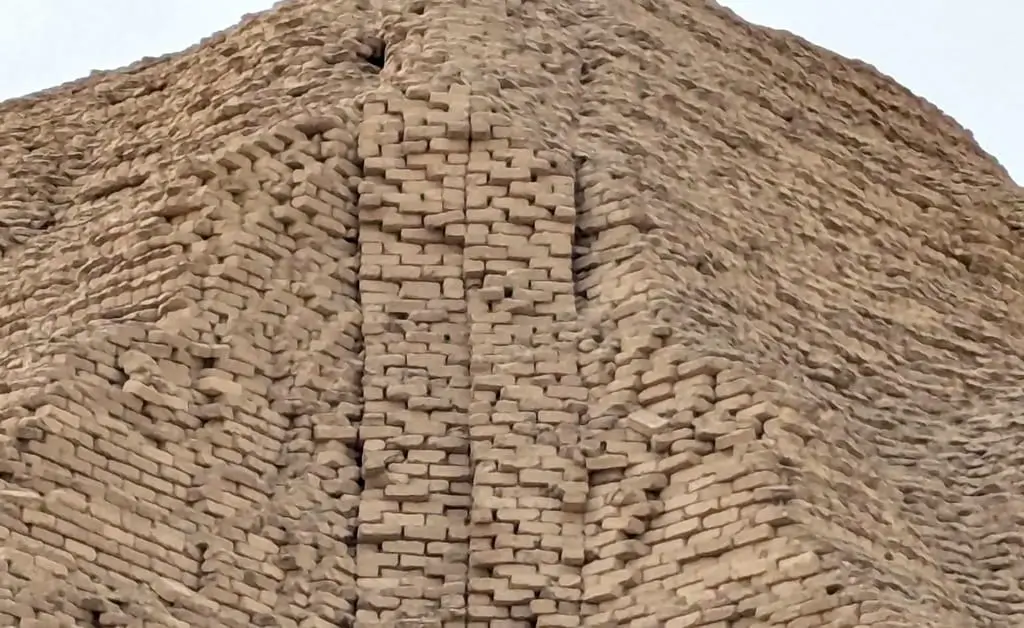
In contrast to Old Kingdom Pharaohs, Senusret II was a practical leader. Those earlier rulers relied on sheer mass and millions of tons of solid rock. By comparison, Senusret II utilized a sophisticated mudbrick core. This core was reinforced by a “skeleton” of limestone retaining walls. As a result, this technique allowed for faster construction. It did so without sacrificing the imposing scale required for a god-king. Moreover, the true genius of Lahun lies deep beneath the surface.
Tomb robbers had already plundered the Great Pyramids of the north. Therefore, Senusret II’s architects abandoned the traditional north-facing entrance. To illustrate their brilliance, they constructed a bewildering network of vertical shafts. They also designed complex horizontal tunnels. In addition, they hid the true entrance in a location so obscure it remained a secret for millennia. Ultimately, this was a security masterpiece designed to protect the king for eternity.
Lahun Pyramid: The Gateway to the Middle Kingdom
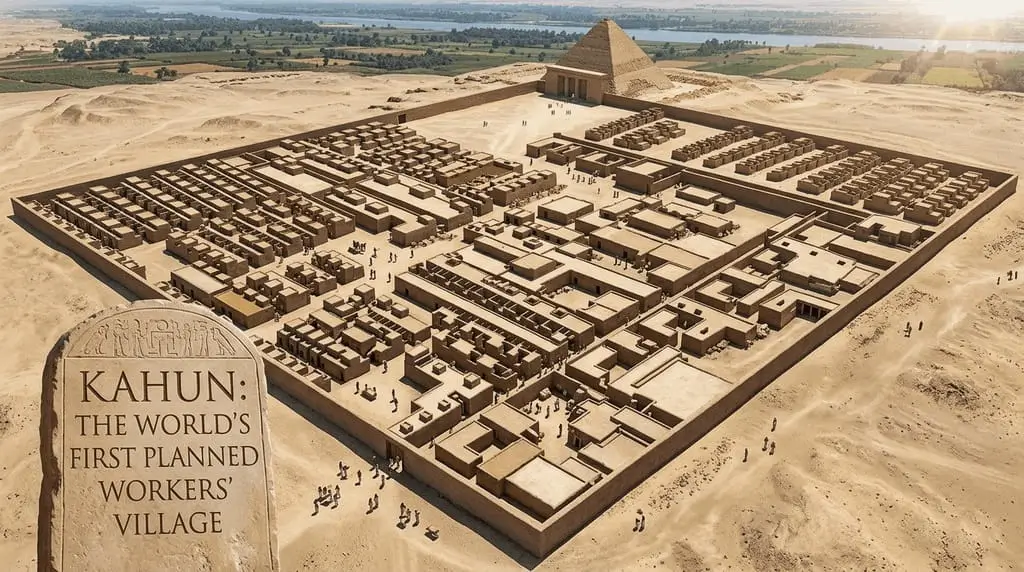
Today, visiting the Lahun Pyramid offers a rare encounter with Egypt’s “Golden Age.” This was a time of great advancements in literature and science. For instance, the nearby ruins of Kahun represent the world’s first planned workers’ village. Similarly, the pink granite burial chamber has recently been reopened to the public. Thus, Lahun provides a narrative that Giza simply cannot match. It tells the story of the people, the pioneers, and the brilliant minds of the era.
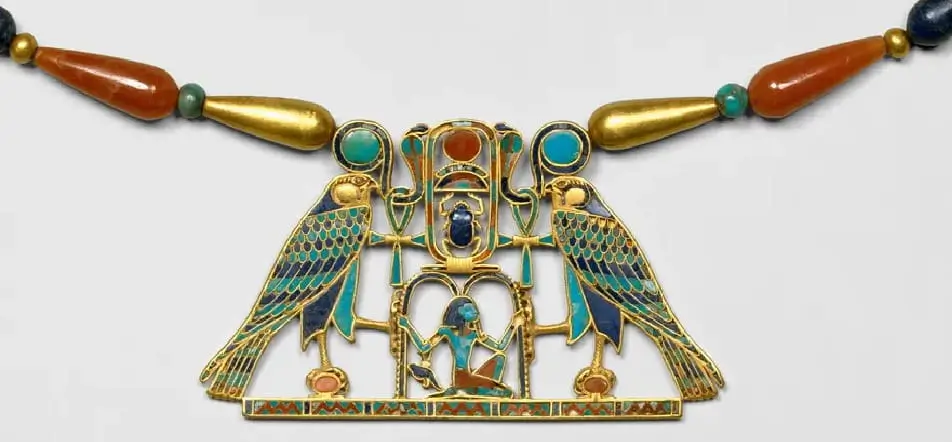
In this definitive guide, we will peel back the layers of sand and mudbrick. We will explore the technical brilliance of Senusret II in detail. Additionally, we will discuss the exquisite “Treasure of Lahun” discovered by Flinders Petrie. In conclusion, you will see why this site remains a cornerstone of Egypt Fun Tours’ most exclusive itineraries.
Lahun Pyramid: Quick Facts for the Explorer
| Feature | Details |
| Pharaoh | Senusret II (12th Dynasty) |
| Location | El-Lahun, Faiyum Governorate |
| Construction | Mudbrick core with limestone retaining walls |
| Original Height | 48.6 meters (160 feet) |
| Discovery | First excavated by Sir Flinders Petrie in 1889 |
| Key Attraction | The hidden southern entrance & granite burial chamber |