
Mentuhotep II: Egypt’s Unifier and Founder of a Golden Age
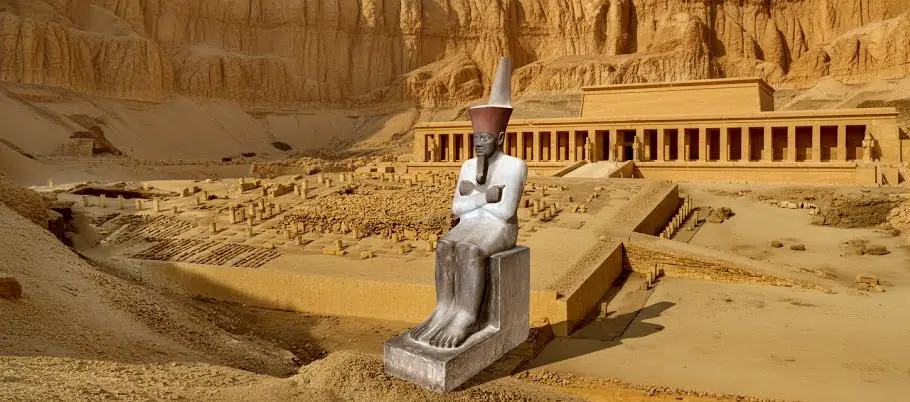
Discover Pharaoh Mentuhotep II, the warrior king who ended a century of civil war. He reunified the nation, launched a new golden age known as the Middle Kingdom, and built a revolutionary terraced temple at Deir el-Bahari, cementing his legacy as one of Egypt’s greatest unifiers.
The Story of Sinuhe: An Ancient Egyptian Masterpiece
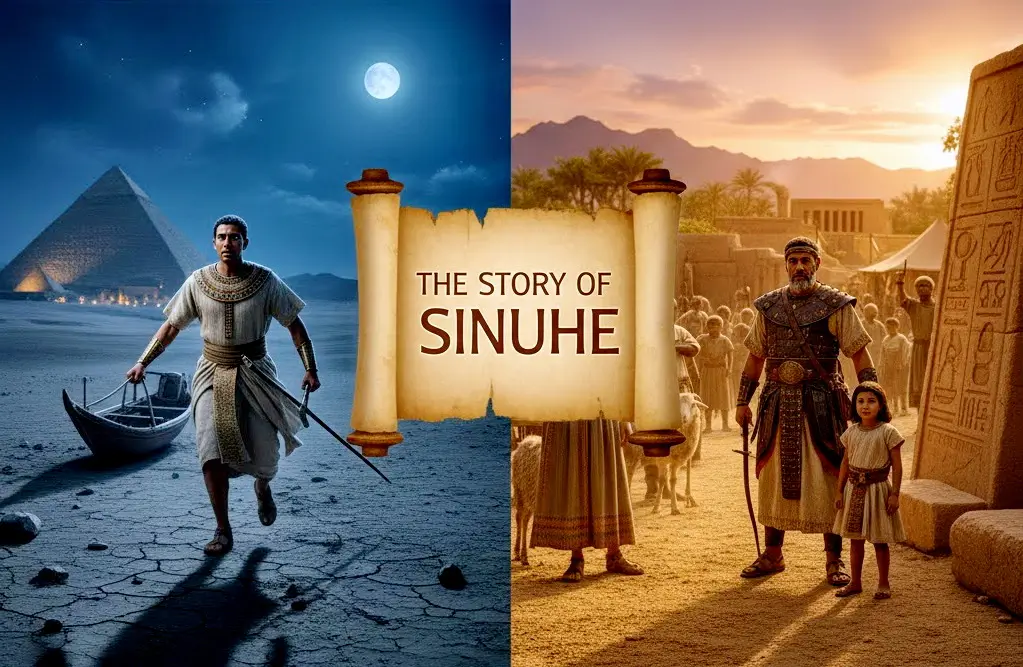
The Story of Sinuhe tells of a high-ranking Egyptian official who panics after the king’s assassination and flees into a self-imposed exile. He builds a new, successful life abroad but, as an old man, is overcome by a deep longing to return for a proper burial. Pleading for a royal pardon, he is welcomed back to Egypt by the pharaoh. Sinuhe is restored to a position of great honor, securing his tomb and guaranteeing his eternal place in the afterlife.
The Black Pharaohs: The Kushite Kings of Nubia’s 25th Dynasty
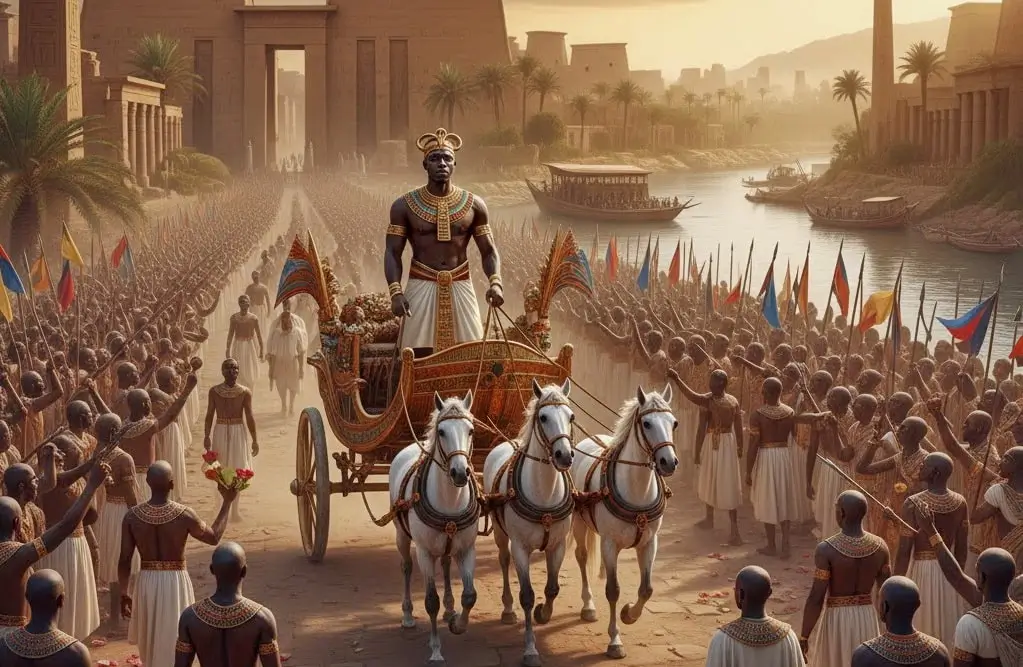
For nearly a century, the Kushite Kings from Nubia, known as the Black Pharaohs, established Egypt’s 25th Dynasty. Driven by religious piety, they reunited a fractured Egypt and sparked a cultural renaissance, reviving ancient traditions like pyramid building. Their powerful reign restored glory to the Nile Valley before falling to Assyrian invaders.
The Third Intermediate Period and the Age of Foreign Rule
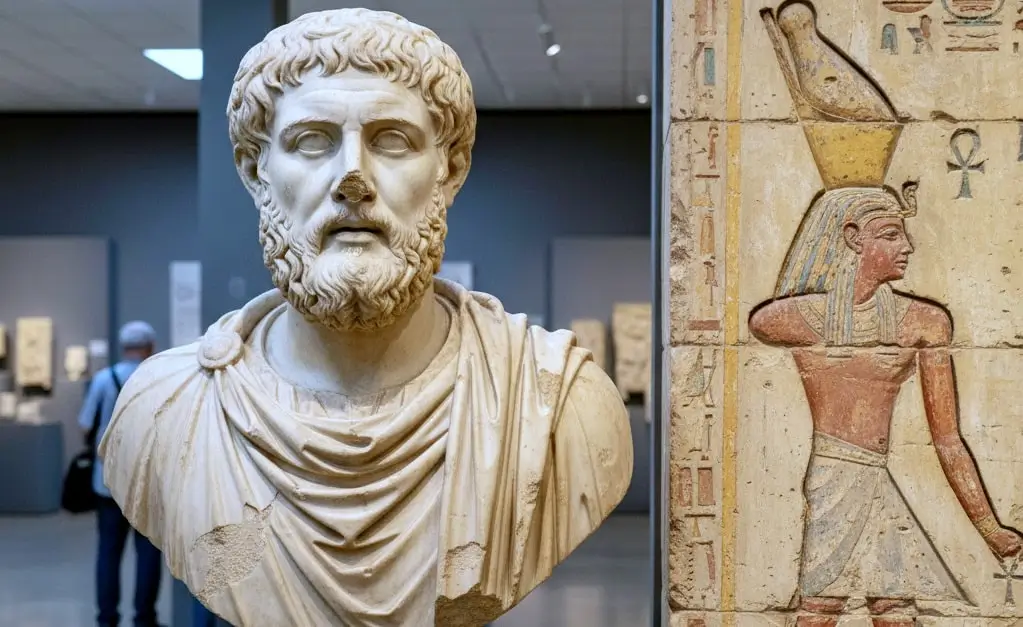
Egypt’s Third Intermediate Period (c. 1070–664 BCE) was marked by political fragmentation and internal conflict, leading to the Age of Foreign Rule. Successive dynasties from Libya and Kush (Nubia) and, finally, Persia controlled Egypt, ending the era of unified Egyptian sovereignty.
Ancient Egypt Intermediate Periods: Crisis and Conquest
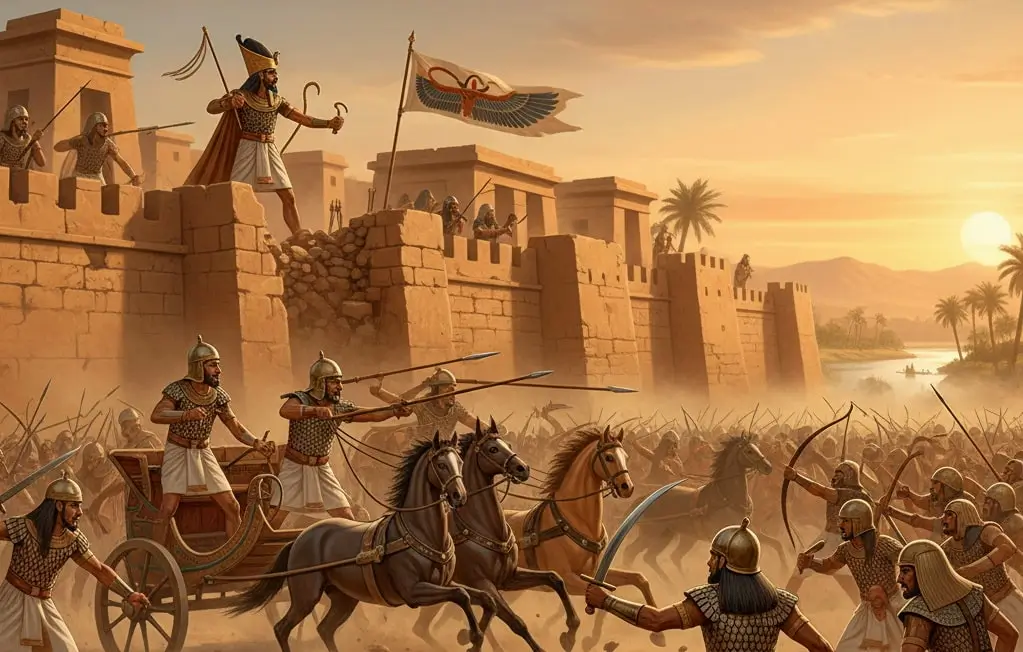
The Ancient Egypt Intermediate Periods saw centralized power collapse (FIP), followed by the foreign Hyksos invasion (SIP). The Hyksos introduced revolutionary military technology like the chariot and composite bow. The Theban dynasty then used these tools to expel the invaders and establish the powerful New Kingdom.
Christmas Tours in Egypt: Your Ultimate Guide
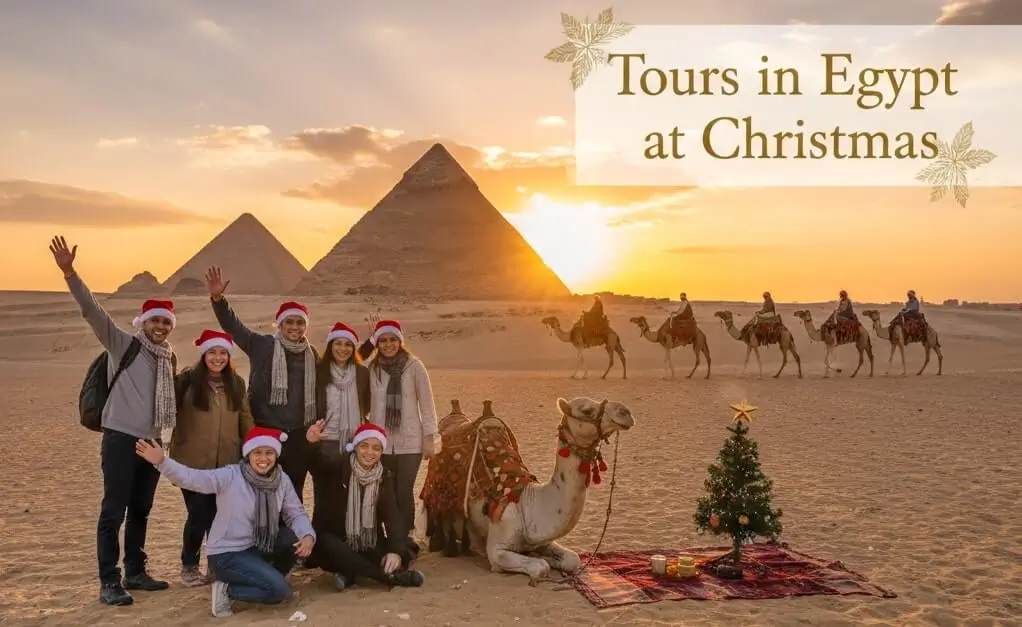
Escape to Egypt this Christmas for a unique holiday tour combining ancient wonders with festive cheer. Most itineraries feature Cairo’s pyramids, a luxurious Nile River cruise between Luxor and Aswan’s majestic temples, and coastal relaxation in the Red Sea resorts. Enjoy mild winter weather and special holiday celebrations in a historically rich setting.
Ancient Egyptian Obelisk: History & Surviving Monuments
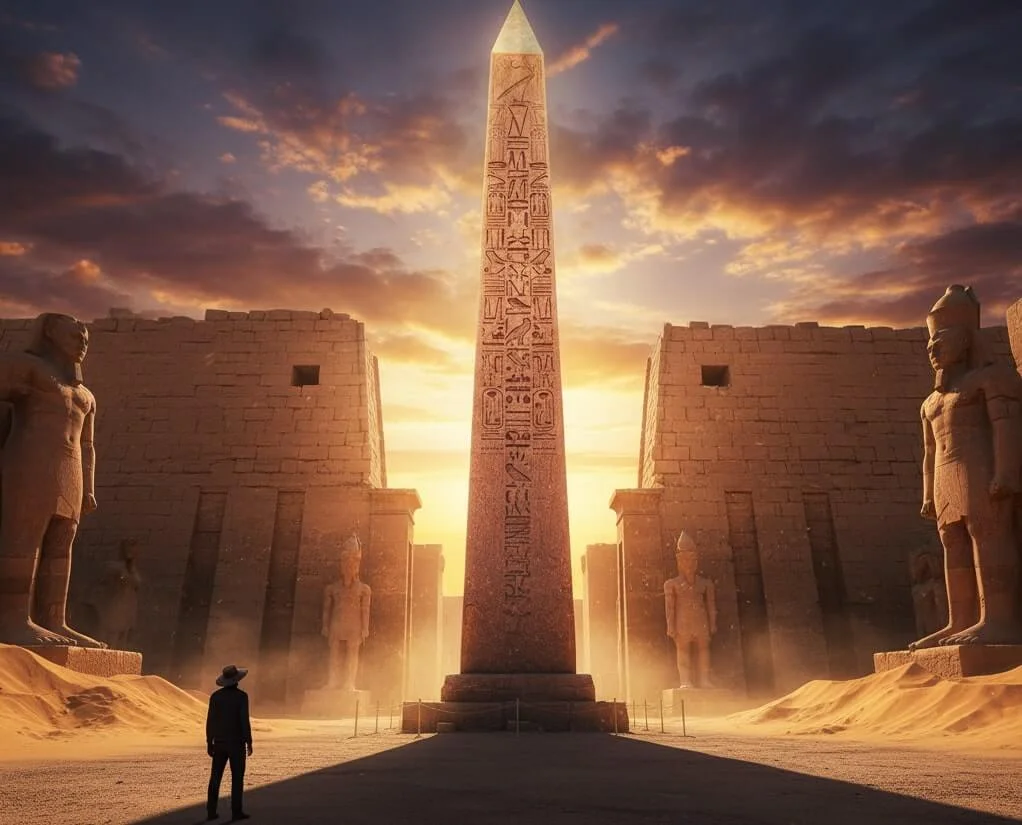
The Ancient Egyptian Obelisk is a monolithic granite pillar and a powerful symbol of the sun god Ra. This engineering marvel represents ancient ambition, from its quarrying in Aswan and transport via the Nile to its current status as a global relic, found in cities from Egypt to Rome and New York.
Sham El Nessim Spring Festival: History & Traditions
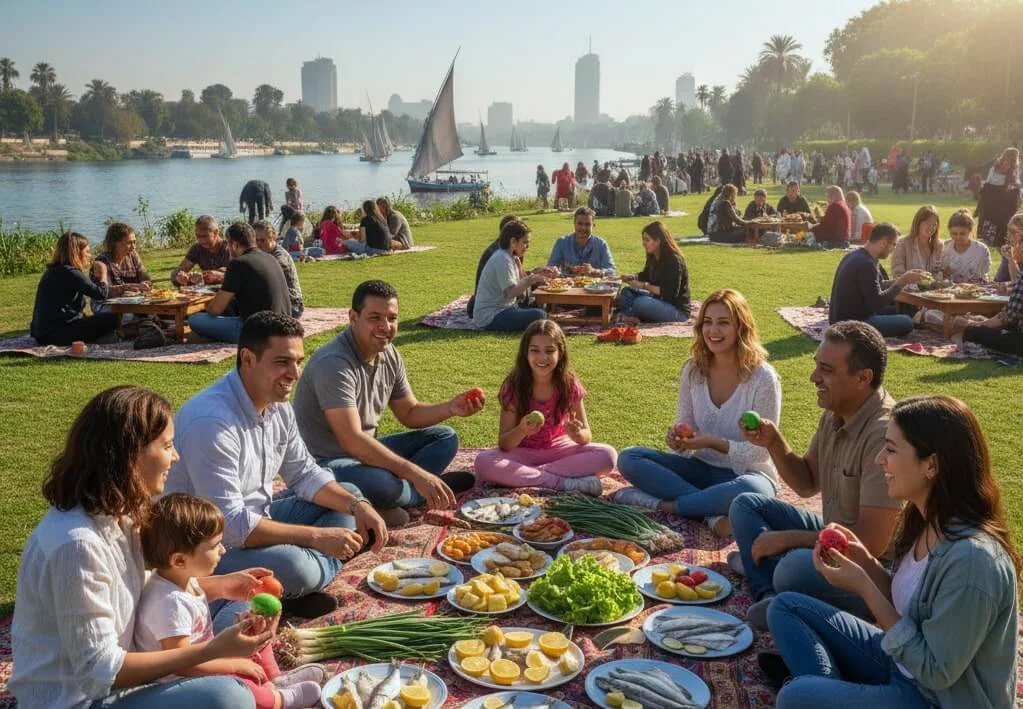
Sham El Nessim is one of the world’s oldest Egyptian Festivals, dating back to the Pharaonic era (2700 BCE). This secular national holiday translates to “smelling the breeze” and unites all Egyptians as they flock outdoors. Families celebrate with picnics, enjoying symbolic foods like decorated eggs and the traditional, pungent fish called feseekh. This powerful holiday actively affirms cultural unity and the promise of spring.
Solo Female Travel in Egypt: Is It Safe? A Complete Guide

This guide is your essential resource for a safe and empowering solo female travel Egypt experience, providing all the practical advice and cultural insights you need to navigate your adventure with confidence.
Egypt on a Budget: Experience the Best of Egypt for Less
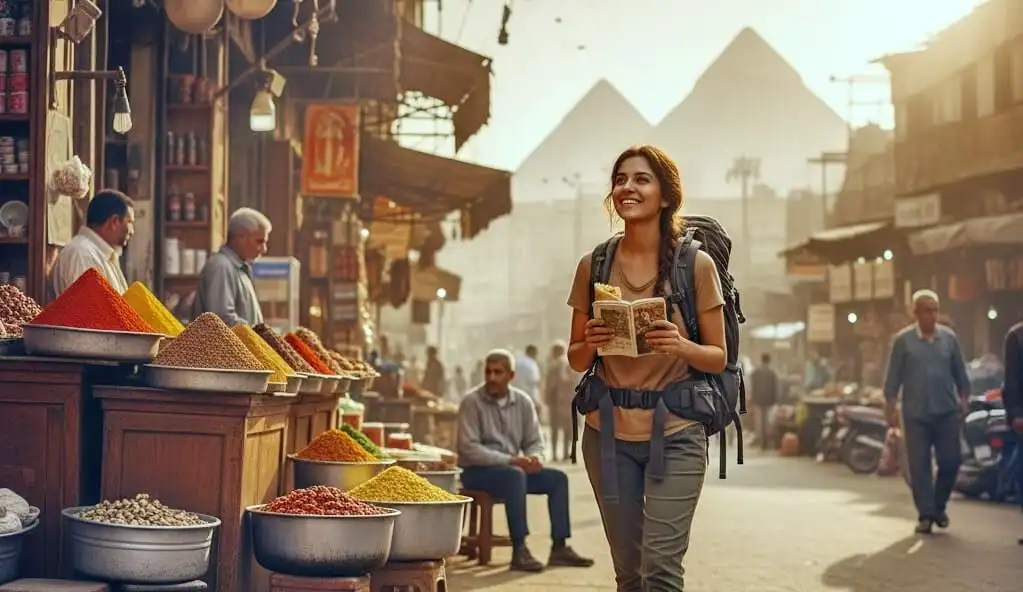
Experience Egypt’s magic without breaking the bank. This guide provides smart, practical tips on how to save money on everything from food and transportation to iconic sites, proving you can enjoy a full adventure on a budget.
Hidden Gems of Egypt: Beyond the Pyramids
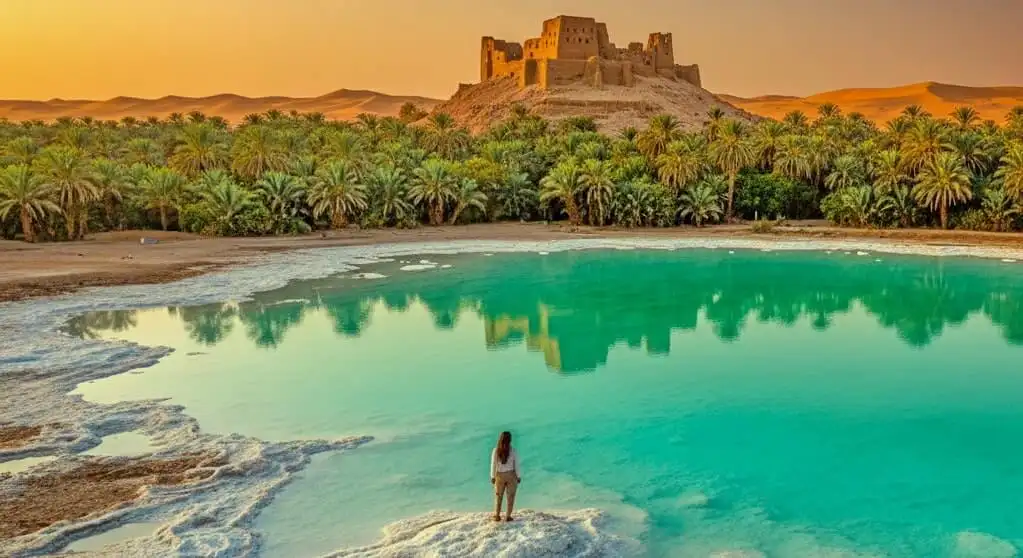
While the Pyramids are an unforgettable starting point, Egypt’s true magic lies in its lesser-known wonders. From the tranquil Siwa Oasis to the otherworldly White and Black Deserts, the sacred solitude of St. Catherine’s Monastery, and the serene Red Sea coastline, this article is your guide to a different side of Egypt—a journey of unexpected beauty and discovery far from the typical tourist trail.
Navigating Egyptian Currency: A Beginner’s Guide
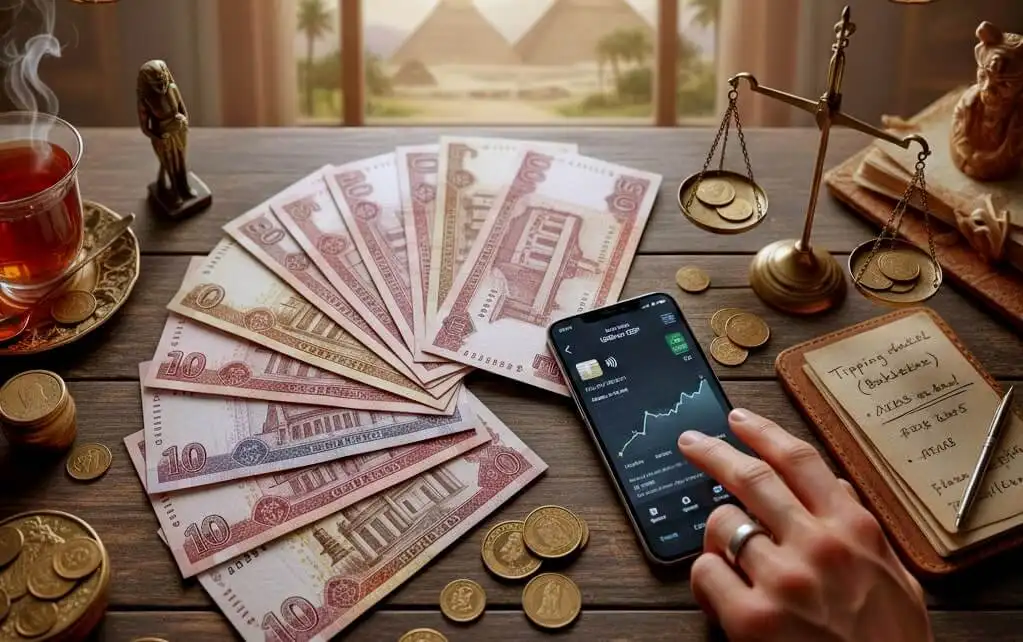
The Egyptian Pound (EGP) is the official currency. Cash is essential for most purchases and tipping, though credit cards are accepted at larger places. ATMs are widely available, and it’s best to exchange money at banks for the best rates.