Decoding the Sacred Names: The Royal Titulary of the Pharaohs

A pharaoh wasn't just a king; he was a living god, and his "royal titulary" of five names proved it. This sacred naming convention was a blueprint for his reign, establishing his divine authority. It began with the Horus Name, declaring him the god on earth, and the Nebty Name, which unified the two lands of Egypt under his rule. His most famous names, the Throne Name (Prenomen) and Birth Name (Nomen), were written inside the iconic cartouche to protect them for eternity.

Unraveling the Titles of the Pharaohs

Explaining the many titles of the Pharaohs from the ancient Egyptian culture, their meaning, symbolism, and how they were written. From the sun-drenched sands of Egypt, a powerful civilization emerged, led by a figure who was more than just a king. The Pharaoh was a living god, a bridge between humanity and the divine. To capture this immense authority, a complex system of titles and names was developed. These titles were not mere formalities; they were deeply symbolic, reflecting the Pharaoh’s cosmic role, his divine lineage, and his connection to the gods.

Understanding these titles is key to unlocking the true nature of ancient Egyptian kingship. Let’s delve into the five great names, the core components of the pharaonic titulary, and explore the rich history behind them.

FUN

Titles of the Pharaohs: A System of Divine Kingship

The full set of five names, known as the “Pharaonic Titulary,” evolved. Early on, Egyptian rulers used only a few names, but by the Middle Kingdom, the complete set became standard. Each name served a distinct purpose, defining the ruler’s relationship with the gods and the kingdom itself. This system solidified the concept of divine kingship, a cornerstone of Egyptian society for millennia.

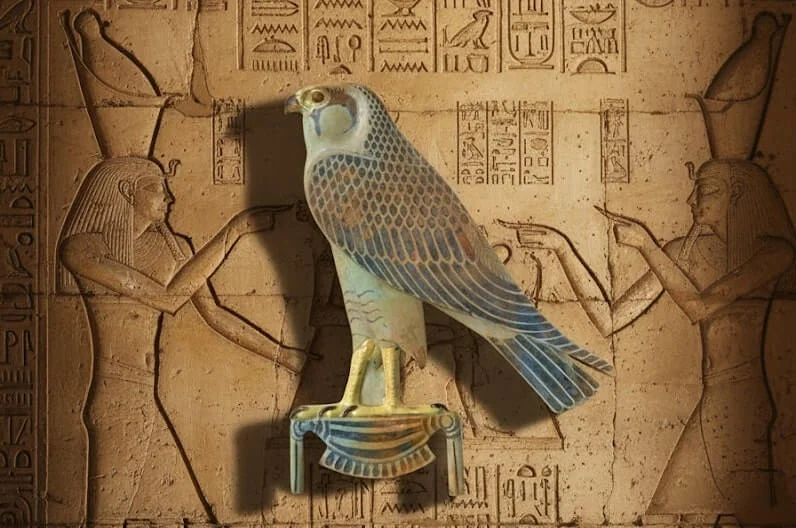
1. The Horus Name: The Falcon King

Serekh of King Narmer Ancient Egyptian Cartouche

This was the oldest and most important of the Pharaoh’s titles. The Horus Name linked the Pharaoh directly to the god Horus, the falcon-headed deity associated with kingship, the sky, and protection.

  • How it was written: The name was enclosed within a serekh, a rectangular frame representing the palace facade. Atop the serekh perched the falcon god Horus.
  • What it meant: The Horus Name signified the king’s earthly manifestation of Horus. It declared him the rightful ruler and protector of Egypt. It was a declaration of his divine right to rule.
  • Examples: The famous Horus name of Tutankhamun was “Tutankhamun,” which means “Living Image of Amun.
FUN

2. The Nebty Name: The Two Ladies

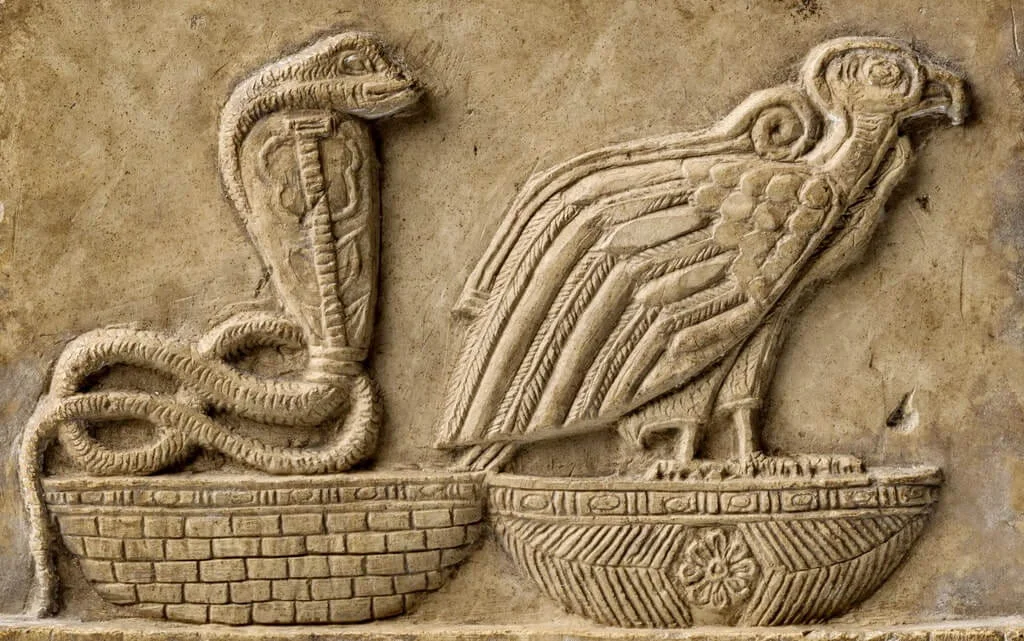
The Nebty Name The Two Ladies

The Nebty Name, or “Two Ladies Name,” connected the Pharaoh to the two patron goddesses of Upper and Lower Egypt: Nekhbet, the vulture goddess of Nekheb (Upper Egypt), and Wadjet, the cobra goddess of Buto (Lower Egypt).

  • What it meant: This title symbolized the Pharaoh’s unified rule over both parts of Egypt. It represented the political and divine union of the two lands. The Pharaoh was the master of both the Vulture and the Cobra.
  • Examples: The Nebty name of Amenhotep III was “He who raises his splendor.”

3. The Golden Horus Name: The Triumph of the Gods

The Golden Horus Title - Hr Nbu

The Golden Horus Name remains a title shrouded in some mystery, but it is believed to be a powerful symbol of the pharaoh’s divinity and triumph over his enemies.

Scribes wrote this name using the image of a falcon sitting on the hieroglyph for gold. Ancient Egyptians considered gold the flesh of the gods. The Golden Horus Name, therefore, proclaimed the pharaoh’s divine and eternal nature. It might also refer to Horus’s triumph over his uncle Set. Ramesses II’s Golden Horus name was “User-maat-re Setep-en-re,” which means “The justice of Re is powerful, chosen by Re.”

The Unification Battle by King Narmer

The Unification Battle by King Narmer The unification battle of King Narmer is shown on...

Related post
FUN

4. The Prenomen: King of Upper and Lower Egypt

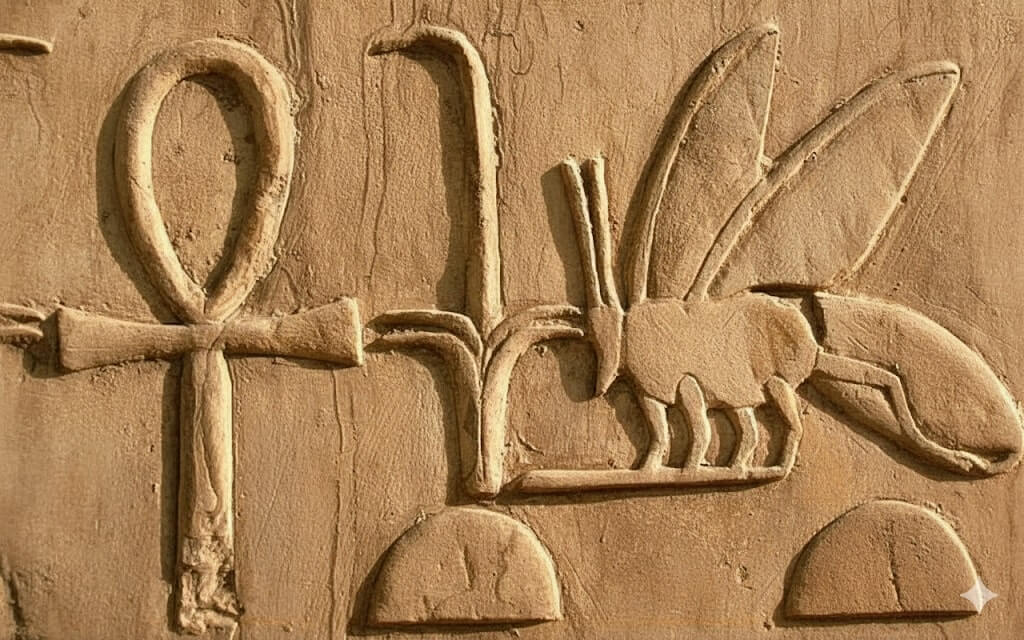
Nisut-Bity title of the pharaohs

The Prenomen, or “Throne Name,” was the first of two names a pharaoh wrote inside a cartouche, a loop of rope symbolizing eternity and the protection of the universe. A pharaoh took this name upon ascending the throne. Scribes enclosed it in a cartouche and preceded it with the title “Nisut-Bity,” which means “He of the Sedge and Bee,” a powerful reference to Upper and Lower Egypt. The Prenomen was the king’s official public name. It often contained a reference to the sun god Ra, reflecting the king’s close relationship with the most powerful deity. For example, Tutankhamun’s Prenomen was “Nebkheperure,” which means “Lord of the Manifestations of Ra.”

5. The Nomen: Son of Ra

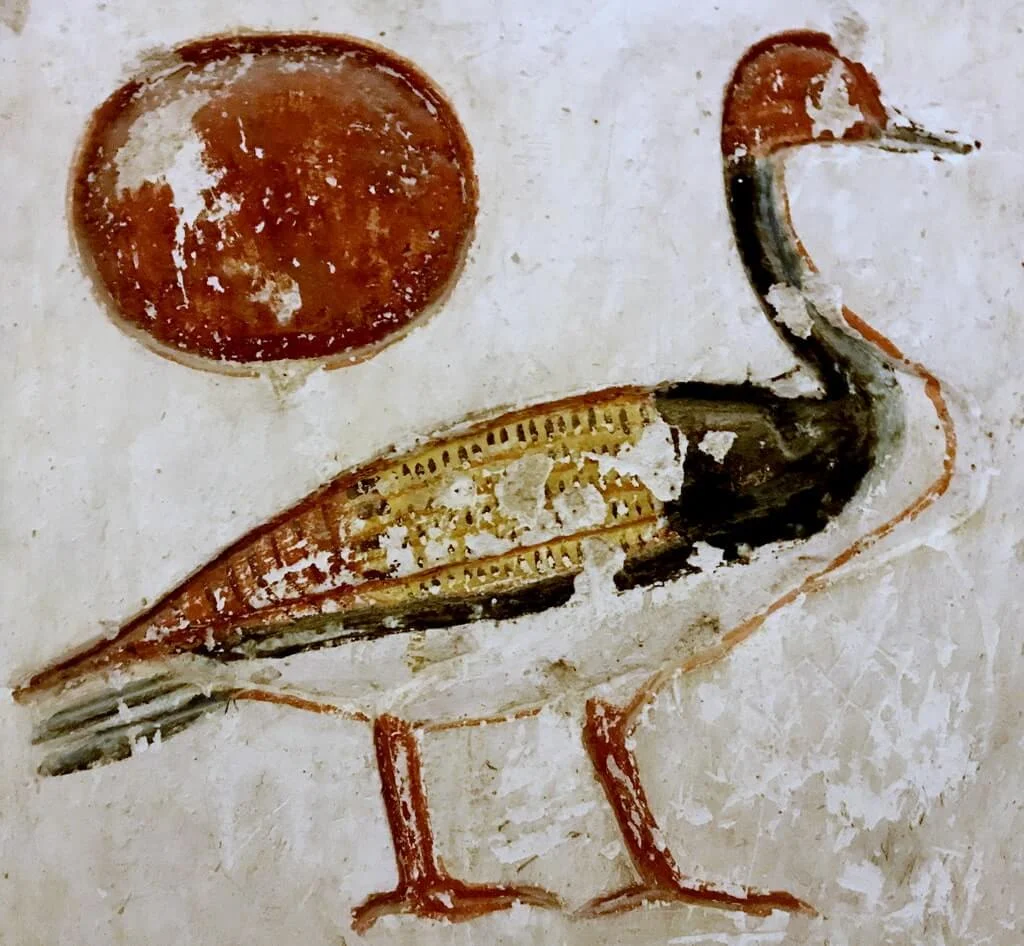
Son of Ra Title - Sa Ra - Titles of the Pharaohs

A pharaoh’s nomen, or “birth name,” was the name his parents gave him at birth. The pharaoh’s nomen was also enclosed in a cartouche and was preceded by the title “Sa-Re,” meaning “Son of Ra.” The Egyptians wrote the name like the prenomen, enclosed in a cartouche. This title reinforced the pharaoh’s divine lineage and showed that they were a direct descendant of the sun god Ra. It was the personal name the king was known by before his coronation. For example, Tutankhamun’s nomen was “Tutankhaten,” meaning “Living Image of Aten,” which he later changed to reflect the return to the worship of Amun.

Queen Tuya: The Royal Matriarch of the 19th Dynasty

Queen Tuya stands as the definitive matriarch of the 19th Dynasty, serving as a vital...
Related post
FUN

The Power of the Cartouche

Cartouche in ancient Egyptian Jewelry

The cartouche (from the French word for “cartridge”) was a crucial element of the pharaonic titulary. This oval ring, with a line at one end, was used exclusively for the Prenomen and Nomen. Its shape symbolized the infinite nature of the universe and the sun’s path, protecting the royal name within it for all eternity. It was a clear and powerful sign of royal identity.

Ma’at: Harmony, Order, and Cosmic Balance in Ancient Egypt

To stand amidst the wonders of Egypt is to encounter an entire civilization rooted in...
Related post
FUN

Beyond the Titles of the Pharaohs

These five names were more than a list of titles. They were a theological statement. They defined the Pharaoh’s responsibilities:

  • Maintaining Ma’at: The Pharaoh was responsible for upholding Ma’at, the divine concept of truth, justice, and cosmic order.
  • Mediating with the Gods: The Pharaoh was the chief priest, performing rituals and building temples to ensure the gods’ favor.
  • Protecting Egypt: As the earthly Horus, he was the military leader, safeguarding the kingdom from enemies.

The titles of the Pharaohs reveal a society obsessed with order, divinity, and legacy. They were a testament to a unique form of kingship, where the ruler was not just a political leader but a living deity, a cosmic force, and the very embodiment of the Egyptian state.

Weather in Egypt

Classically exquisite and inspired by the golden period of Nile exploration....
Explore the glory of Pharaohs, and witness the amazing nature of El Fayoum....
FUN
God_Anubis_Icon

7 night Egypt Experience Cairo, Aswan, Luxor

Trip of a lifetime!! COVID SAFE!! Knowledgeable guide who loves to share the magic of Egypt with tourists. Friendly and accommodating. This company goes to the extreme to make clients feel welcome and help them. A family company that takes good care of its support staff. Must book the 7-night

More »

Tour of Cairo

Despite a late start due to car trouble, Mohamed more than made up for it with his incredible knowledge and dedication. His explanations were detailed and thoughtful, and he went above and beyond to make sure we had a great experience. A memorable and informative tour, thanks to Mohamed’s hard

More »

Alexandria! Wow!

Muhammad is the best! He showed me a world I never thought possible! The tombs in Alexandria, by far, were my favorite! I never knew there was a place on earth that contained both Greek and Egyptian carvings in the same tombs! The history and culture of Egypt is so

More »
Souqs and Markets in Egypt - Egypt Fun Tours

Cairo walking tours

After a rocky start (the driver had been in an accident on his way to pick me up,) the company very quickly sent another driver/guide named Mohammed, who was a real pro. Thoroughly enjoyed my first day in Egypt!

More »
God_Anubis_Icon

Top-rated Tour Packages

God_Anubis_Icon