
The Anfushi Tombs: Alexandria’s Subterranean Art Gallery
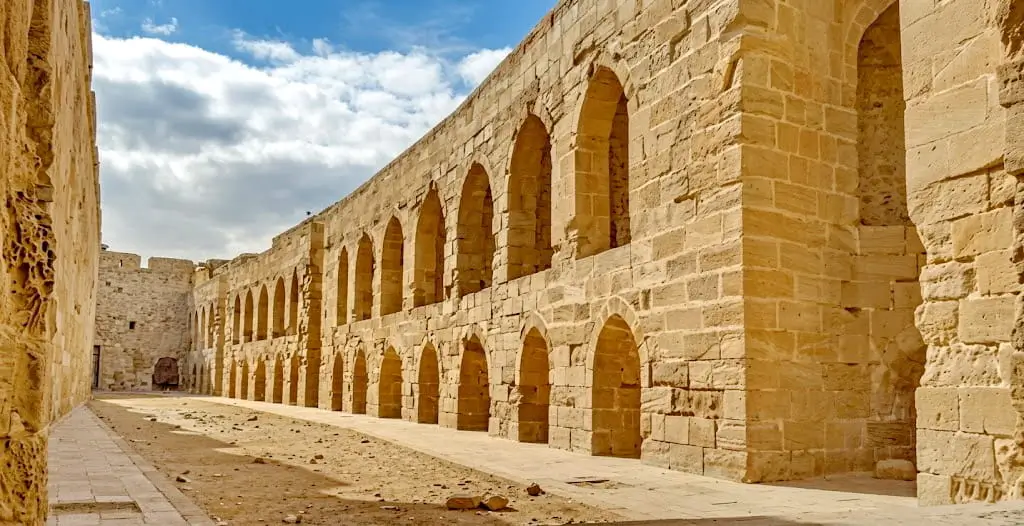
The Anfushi Tombs represent a rare artistic bridge where the Greek spirit met the Egyptian soul. By carving their homes for the afterlife into the limestone of Pharos Island, the ancient Alexandrians created a lasting legacy of cultural fusion. Today, these vibrant chambers offer travelers more than just a history lesson; they provide a direct connection to the cosmopolitan heart of the ancient Mediterranean. Whether you admire the clever wall paintings or the architectural precision, Anfushi stands as a testament to the city’s enduring role as a crossroads of civilizations.
Shatby: Where Ancient History Meets the Intellectual Heart of the City

Shatby represents more than a mere coordinate on a map; it stands as the physical manifestation of Alexandria’s identity. The district refuses to let a single era define it, drawing strength from ancient Greek roots, medieval spiritual guardians, and its modern status as an educational powerhouse. Ultimately, whether you descend into a Ptolemaic tomb or gaze at the futuristic curve of the Great Library, Shatby reminds us that knowledge and history form the city’s true foundations.
The Ultimate Guide to Qena: Egypt’s Heart of Ancient Wonders
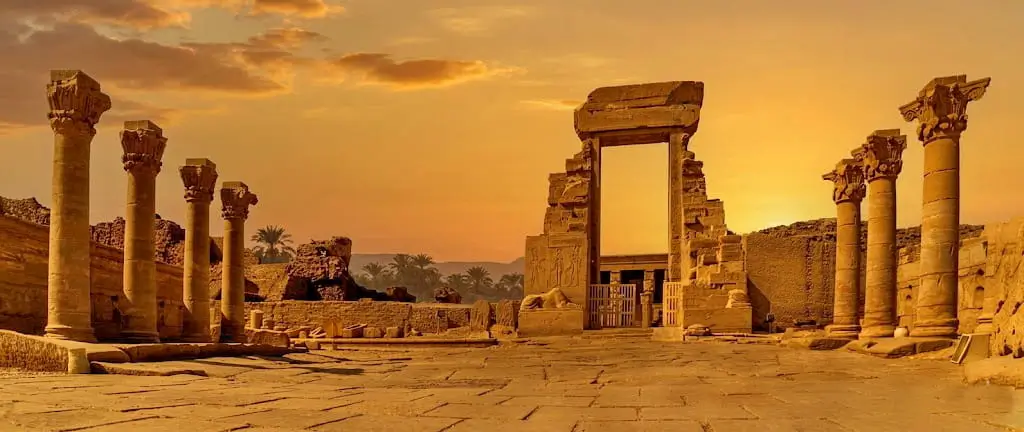
Situated at a dramatic bend in the Nile, Qena serves as the vital bridge between Egypt’s prehistoric dawn and its Greco-Roman architectural peaks. While often overlooked by those rushing toward the monuments of Luxor, this province holds some of the most impeccably preserved treasures in the world. From the Dendera Temple Complex, where 2,000-year-old astronomical ceilings still glow with their original Egyptian Blue pigment, to the ancient grounds of Naqada, the archaeological cradle of Pharaonic civilization, Qena offers a journey through time that is both deep and vividly colorful. Whether you are exploring the mysterious “Dendera Light” in subterranean crypts or witnessing the living heritage of Sufi traditions at the Sidi Abdel Rahim Mosque, Qena provides an authentic, immersive look at the soul of Upper Egypt. This guide explores the monuments, history, and local secrets that make Qena an essential destination for every serious explorer.
The Legend of Isadora: A Journey into the City of the Eight

Step into ancient history with the touching story of Isadora, the ‘Juliet of the Nile.’ Perfect for families and young explorers, this guide explores her life in Hermopolis Magna and her lasting legacy at Tuna el-Gebel. Discover a tale of bravery, devotion, and the beauty of ancient Egypt.
El Ashmunein Guide: Hermopolis Magna & The Temple of Thoth
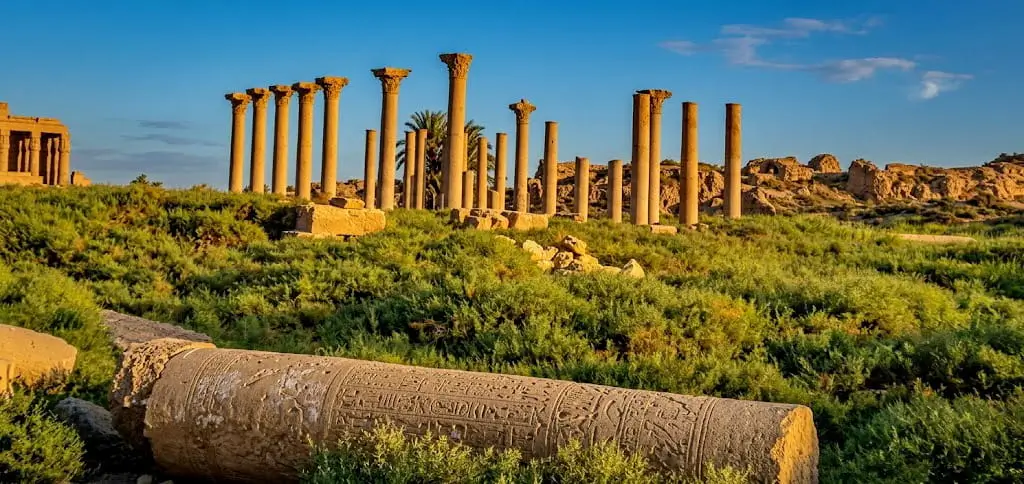
El Ashmunein, once known as Hermopolis Magna, is a spiritually significant site in Middle Egypt that served as the primary cult center for Thoth, the god of wisdom. The city is famous for its Ogdoad cosmology, a creation myth involving eight primordial deities who brought order to the universe. Visitors can explore unique architectural layers, including the massive New Kingdom colossi of Thoth in baboon form and the ruins of a grand Roman Basilica. Located near Tuna el-Gebel, El Ashmunein offers a profound look into the “Intellectual Heart” of ancient Egypt and the origins of its philosophical traditions.
Tuna el-Gebel Guide: Catacombs of Thoth & the Tomb of Petosiris
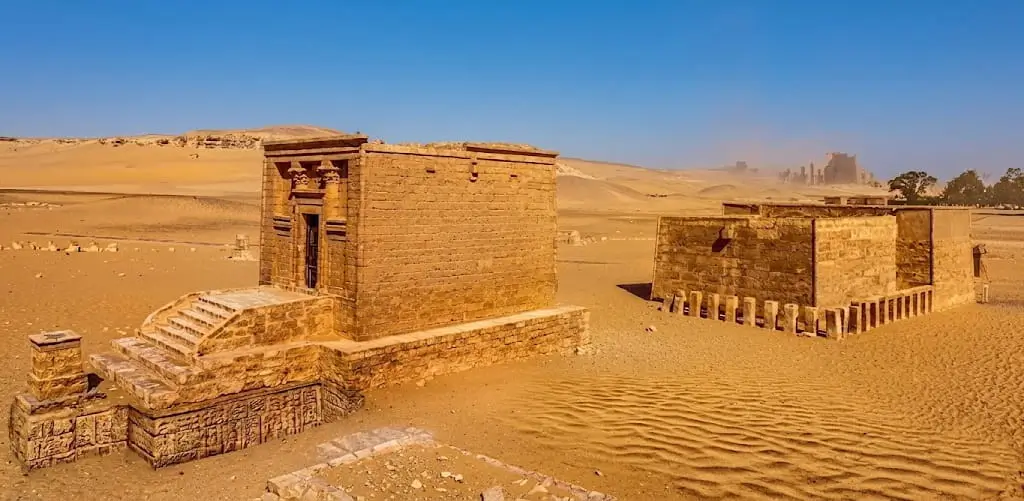
Tuna el-Gebel serves as the vast, hauntingly beautiful necropolis for the ancient city of Hermopolis Magna. This site stands as a vital spiritual and cultural crossroads, showcasing the seamless transition between traditional Pharaonic beliefs and the Greco-Roman world. Visitors can explore the massive subterranean catacombs housing millions of sacred ibises and baboons dedicated to the god Thoth. Additionally, the site features the world-renowned Tomb of Petosiris, which blends Egyptian architectural forms with Greek artistic realism, and the tragic Tomb of Isadora. Ultimately, Tuna el-Gebel offers an intimate and intellectual look at the ancient Egyptian pursuit of wisdom, justice, and eternal memory.
Akhmim: The City of Min and the Silk of the Pharaohs

Akhmim serves as a unique destination where ancient Pharaonic grandeur meets a vibrant living culture. As the home of the 11-meter colossus of Meret Amun, the city stands as a testament to the monumental legacy of the Ramses era. Beyond its archaeological ruins, Akhmim remains the textile capital of Egypt, where local artisans continue a weaving tradition that has thrived for over four millennia. For any traveler exploring the Sohag Governorate, Akhmim offers an essential look at the craftsmanship and spiritual history that define the heart of Upper Egypt.
Sohag National Museum: The Guardians of Middle Egypt’s Identity
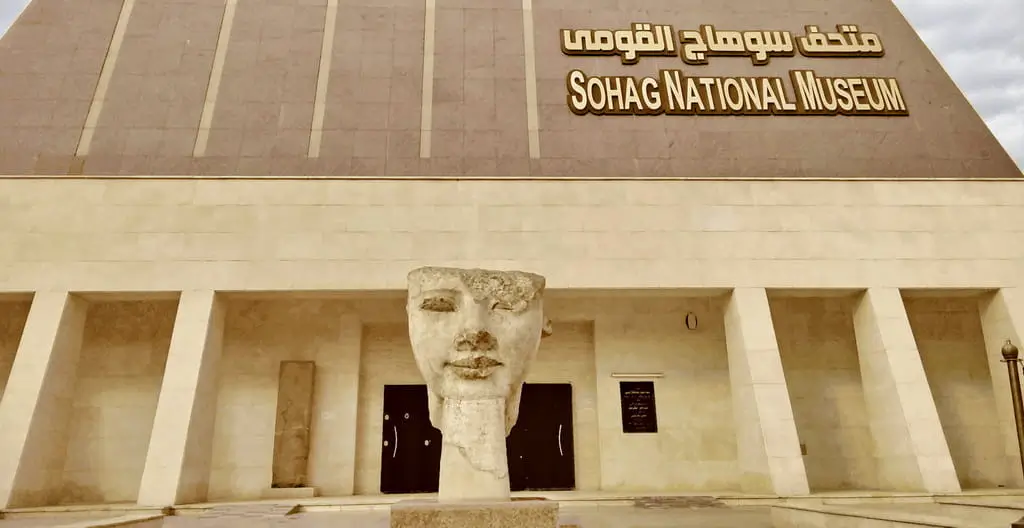
The Sohag National Museum serves as the definitive guardian of Middle Egypt’s cultural identity, housing over 3,000 artifacts that span from the Pre-Dynastic Period to the Islamic era. Strategically located on the Nile Corniche, the museum’s architecture pays homage to Pharaonic design while providing a modern home for local treasures from Abydos and Akhmim. By exploring its seven thematic halls—covering topics from the dawn of kingship to ancient textile industries—visitors gain the essential historical and social context needed to truly appreciate the sacred sites of the region. Ultimately, the museum acts as a vital gateway for travelers, connecting the ancient roots of the Egyptian state with the living traditions of Upper Egypt today.
The White and Red Monasteries of Sohag: The Twin Pillars of Coptic Heritage
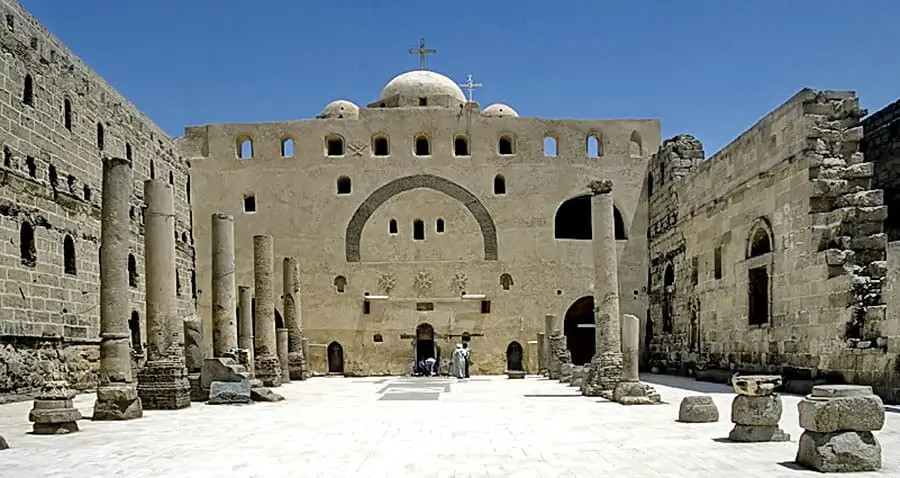
The White and Red Monasteries of Sohag represent the absolute pinnacle of early Christian monasticism in Egypt. Situated on the edge of the desert near the ancient city of Athribis, these “twin” sanctuaries offer a profound physical record of the transition from Pharaonic traditions to Byzantine spirituality. Because the White Monastery (Deir el-Abiad) reflects the […]
Sohag, Egypt: An Authoritative Guide to the Birthplace of Kings
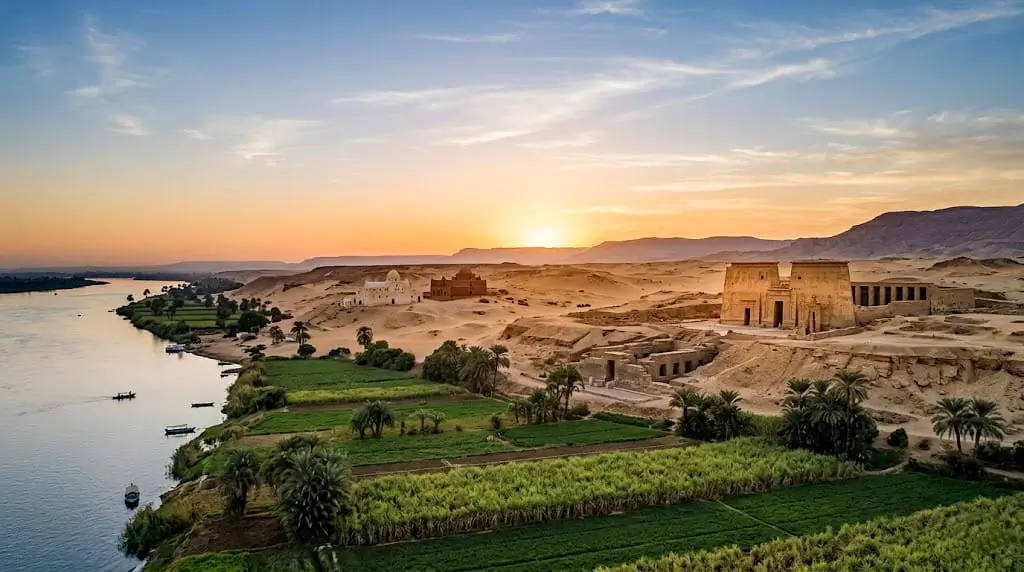
Sohag represents the bridge between the dawn of the Pharaonic state and the heights of Coptic artistry. By visiting the sacred district of Abydos and the Red and White Monasteries, you witness the spiritual evolution of Egypt firsthand. Additionally, the city of Akhmim offers a rare look at living history through its colossal statues and ancient weaving traditions. Ultimately, choosing Sohag allows you to escape the crowds and discover the authentic heart of the Nile. It is the perfect destination for any traveler who values deep historical insight and genuine cultural connections.
Queen Tuya: The Royal Matriarch of the 19th Dynasty
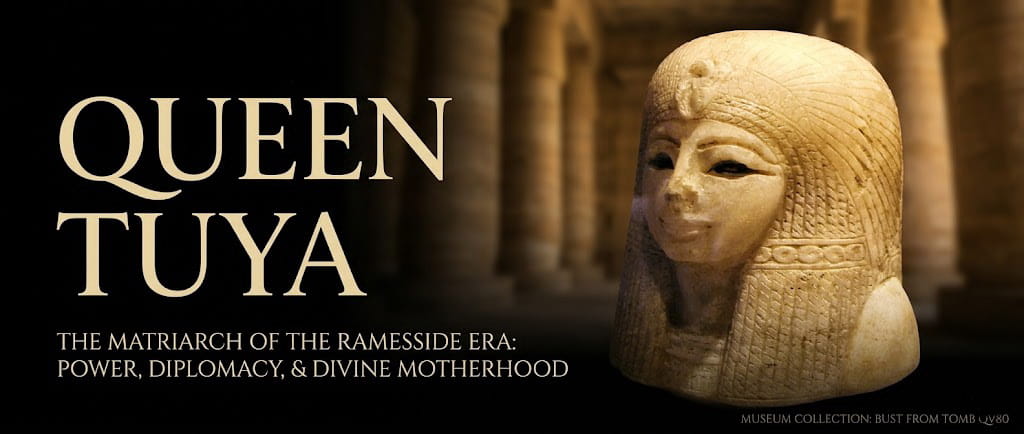
Queen Tuya stands as the definitive matriarch of the 19th Dynasty, serving as a vital bridge between the military foundations of her family and the imperial heights of the New Kingdom. As the Great Royal Wife of Seti I and the mother of Ramesses the Great, she wielded unprecedented influence that transcended domestic life. Specifically, she acted as a high-level diplomat, famously exchanging letters with the Hittite Queen Puduhepa to solidify the world’s first major peace treaty. Because she was central to the “Divine Birth” theology at the Ramesseum, she transitioned from a mortal royal to a semi-divine figure during her lifetime. Consequently, her legacy is preserved not only in the colossal statues that flank her son’s temples but also in the sophisticated artistry of her final resting place, tomb QV80 in the Valley of the Queens. For the researcher, Tuya represents a unique era where royal motherhood was a primary pillar of Egyptian statecraft and religious stability.
Bubasteion Saqqara: The Sacred Sanctuary of Cats and Viziers
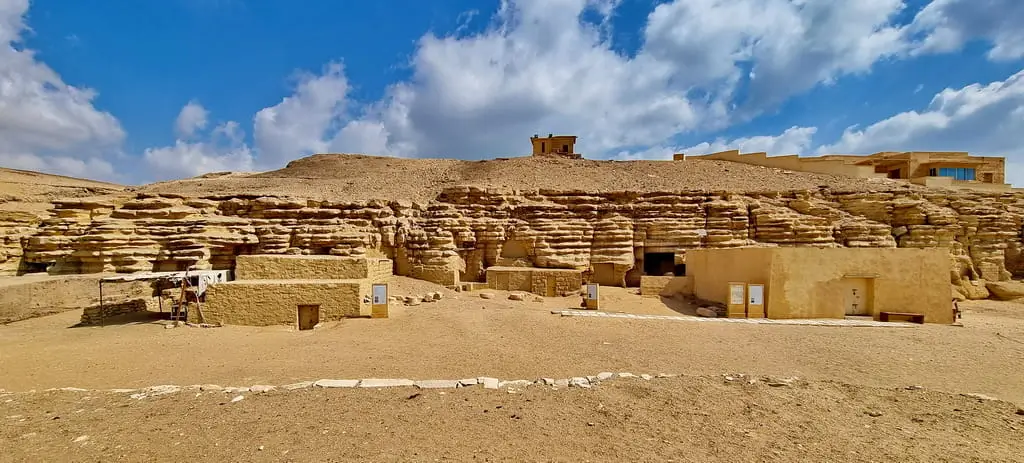
The Bubasteion Saqqara stands as a fascinating monumental bridge between the elite political world of the New Kingdom and the fervent animal cults of the Late Period. Originally a prestigious cliffside cemetery for high-ranking officials—most notably Maia, the wet nurse of Tutankhamun—the site was later transformed into a sprawling sanctuary dedicated to the goddess Bastet. Because of this religious shift, thousands of feline mummies and rare lion cubs were interred within repurposed rock-cut tombs, earning the area its legendary name, the “Gates of the Cats.” For the visitor in 2026, the Bubasteion offers a unique opportunity to explore masterfully carved private chapels while witnessing the massive scale of ancient Egypt’s ritual industry. Consequently, it remains an essential highlight of the Saqqara plateau, blending royal history with the deep mysteries of the sacred animal catacombs.