The 10 Plagues of Egypt: Biblical Miracle, Natural Disaster, or Both?

Uncover the history, science, and theology behind the 10 Plagues of Egypt. This guide dissects the biblical battle between Moses and Pharaoh, revealing how every plague—from the Nile turning to blood to the darkening of the sun—was a calculated assault on specific Egyptian gods. We also dive into modern scientific explanations, investigating if a toxic "Red Tide" or the massive Thera volcanic eruption triggered this legendary chain of destruction. From ecological collapse to the death of the firstborn, discover the cataclysm that broke an empire.

Chaos on the Nile: The Event That Broke an Empire

Imagine the Nile River, the lifeblood of the greatest civilization on Earth, suddenly turning into a torrent of blood. Picture the sky turning pitch black at noon, blotting out the sun god Ra. This is not just a story; it is the account of the 10 Plagues of Egypt, a cataclysmic series of events that brought a superpower to its knees.

The context is legendary. The Israelites were held in bondage, their labor fueling the empire’s monuments. Moses, an adopted prince turned prophet, stood before Pharaoh (often identified as Ramesses II) with a simple demand: “Let my people go.” When Pharaoh refused, a divine war began.

This guide will explore the 10 Plagues of Egypt from every angle. We will analyze the biblical narrative, examine the scientific “Domino Theory” that suggests a natural chain reaction, and reveal how each plague was a targeted military strike against specific Egyptian gods.

Key Takeaways

  • The Narrative: The plagues were a divine punishment designed to force Pharaoh to release the enslaved Israelites.
  • Spiritual Warfare: Each plague targeted a specific Egyptian deity (e.g., the Nile turning to blood mocked Hapi, the spirit of the Nile).
  • Scientific Theories: Many scientists propose a “chain reaction” starting with a toxic algae bloom (Red Tide) or the fallout from the massive Thera Volcanic Eruption.
  • The Climax: The final plague, the Death of the Firstborn, broke Pharaoh’s will and led directly to the Exodus.
FUN

The 10 Plagues of Egypt: A Chronology of Destruction
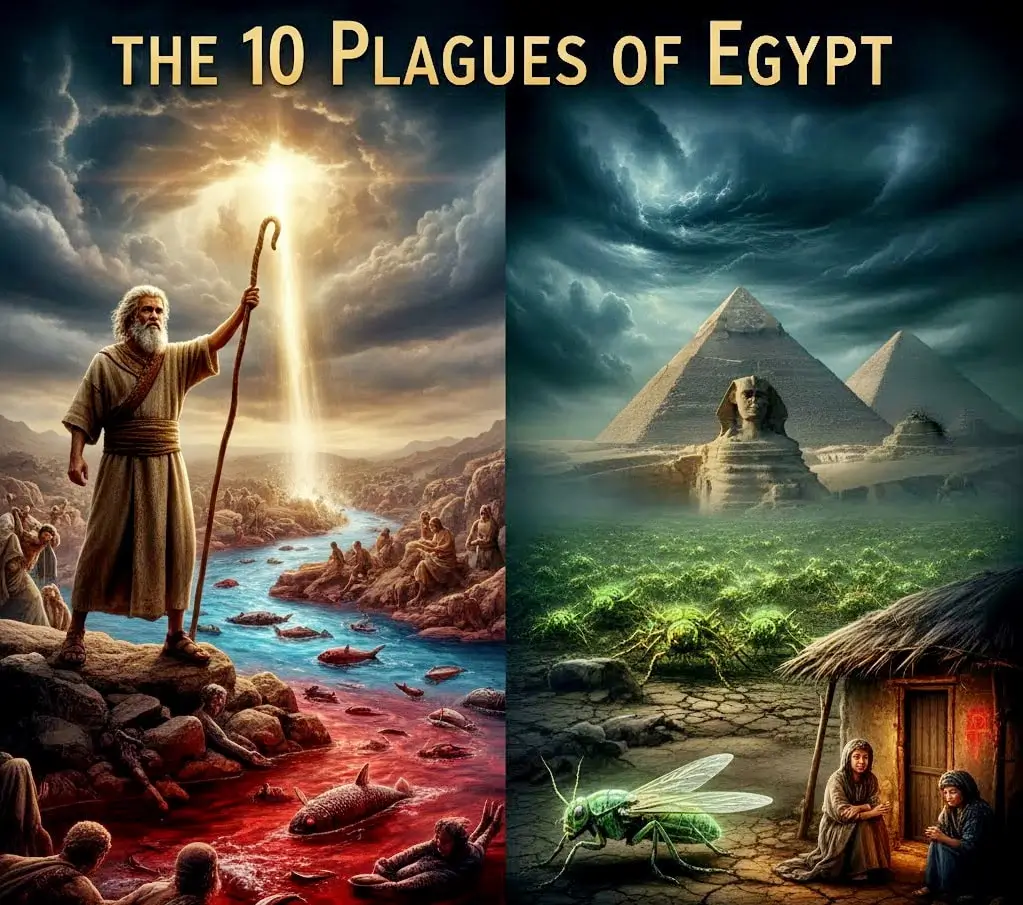
The Ten Strikes; A Chronology of Destruction

To understand the full impact of the 10 Plagues of Egypt, we must view them as a calculated military campaign. They unfolded in three distinct “rounds,” with each strike escalating in intensity and targeting specific Egyptian deities. Consequently, this was not just a physical punishment; it was a theological dismantling of the Egyptian pantheon.

Round 1: Assault on the Ecosystem
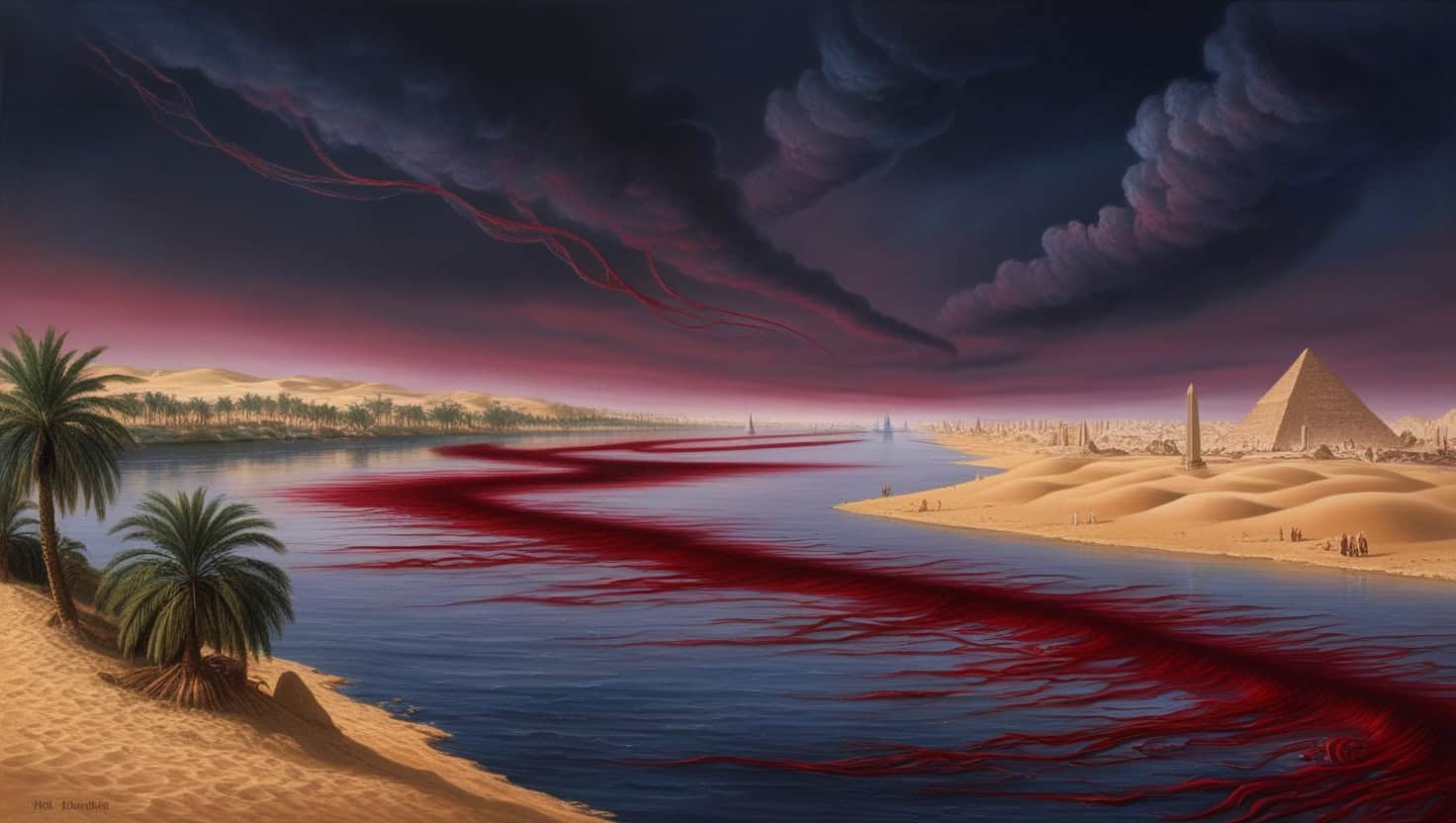
Water turning into blood ten plagues of Egypt Egypt Fun Tours

First, the attack began by disrupting the fundamental source of life in Egypt: the land and the river.

1. Water into Blood: Aaron struck the Nile with his staff, and the river turned instantly into a torrent of blood. The fish died, and the water became undrinkable.

  • The Target: This directly mocked Hapi, the spirit of the Nile who brought fertility, and Khnum, the guardian of the river’s source.

2. Frogs: Next, hordes of frogs swarmed out of the river, invading bedrooms, ovens, and kneading bowls. While Egyptians revered frogs as symbols of fertility, this plague turned a blessing into a curse.

  • The Target: This humiliated Heket, the frog-headed goddess of birth and fertility.

3. Lice (or Gnats): Then, Aaron struck the dust of the earth, and it transformed into biting lice (or gnats) that tormented man and beast.

  • The Target: This challenged Geb, the god of the earth.

Round 2: Pain and Pestilence
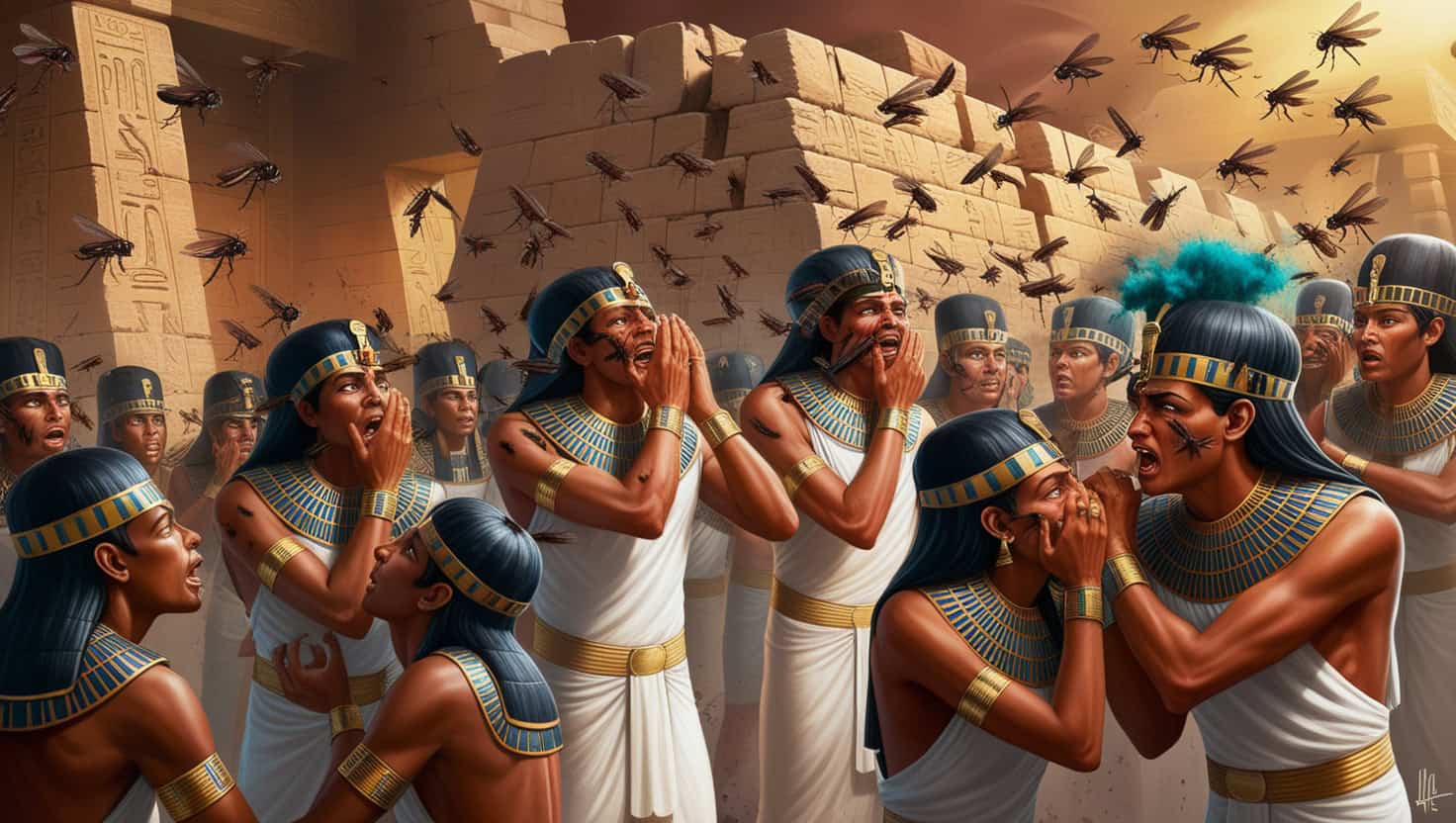
Flies Ten Plagues of Egypt Egypt Fun Tours

Furthermore, the second cycle shifted focus from the environment to the physical bodies of the Egyptians and their animals.

4. Flies: Swarms of biting insects attacked the people. Significantly, this plague marked a turning point: it did not affect the land of Goshen, where the Israelites lived.

  • The Target: This mocked Khepri, the god of resurrection often depicted as a beetle or fly.

5. Pestilence of Livestock: Subsequently, a terrible disease swept through the Egyptian herds, killing horses, donkeys, camels, cattle, and sheep.

  • The Target: This struck directly at Hathor (the cow goddess) and Apis (the sacred bull god).

6. Boils: Moses tossed soot into the air, and it caused festering boils to break out on all Egyptians. Even the magicians could not stand before Moses because of their pain.

  • The Target: This proved the powerlessness of Sekhmet (goddess over disease) and Imhotep (god of medicine).

Round 3: Cosmic Destruction
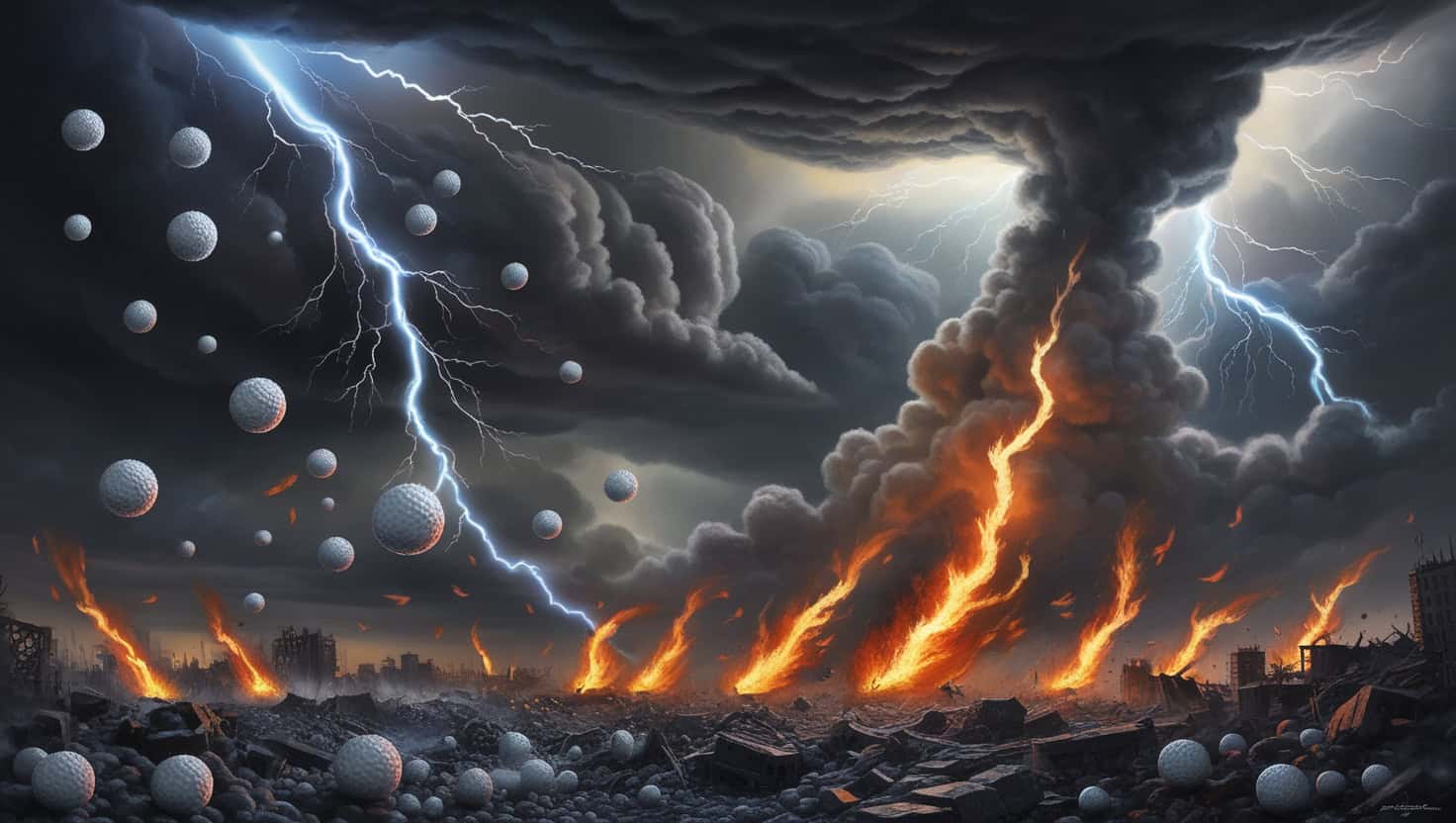
Thunder of Hail 10 plagues of Egypt Egypt Fun Tours

Finally, the plagues escalated to cosmic levels, attacking the sky and the atmosphere.

7. Hail and Fire: Then, a terrifying storm of thunder, hail, and fire rained down, destroying the flax and barley crops.

  • The Target: This defeated Nut, the goddess of the sky.

8. Locusts: After the storm, a massive wind brought clouds of locusts. They devoured every green thing that the hail had left behind.

  • The Target: This overpowered Seth (god of storms) and Nepri (god of grain).

9. Darkness: Suddenly, a thick, palpable darkness covered Egypt for three days. While the Egyptians stumbled in blackness, the Israelites had light in their dwellings.

  • The Target: This was the ultimate insult to Ra, the supreme Sun God and chief deity of Egypt.

The Finale: The Ultimate Price

However, Pharaoh’s heart remained hard. Therefore, one final, devastating blow became necessary.

10. Death of the Firstborn: In the middle of the night, death swept through the land, taking the firstborn son of every Egyptian household, from the slave girl to Pharaoh himself.

  • The Target: This attacked Pharaoh himself, who was considered a living god, and Osiris, the giver of life. Ultimately, this tragedy broke the empire’s will and triggered the Exodus.

FUN

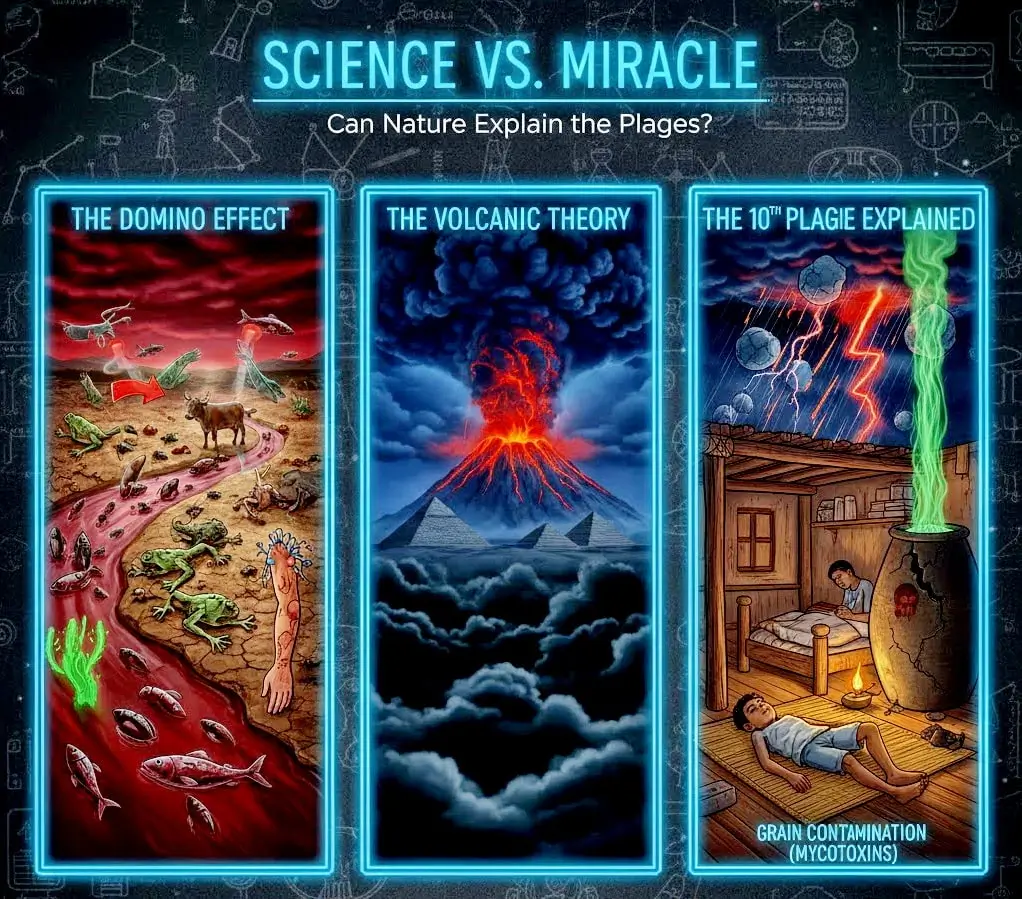
Science vs. Miracle: Can Nature Explain the Plagues?

Science vs. Miracle; Can Nature Explain the Plagues

For centuries, scholars have asked: were the 10 Plagues of Egypt purely supernatural, or could they be natural disasters interpreted as divine wrath? Many scientists now believe that a specific chain of natural events, a “domino effect,” can explain almost every plague.

The “Domino Effect” (Natural Chain Reaction)

This theory suggests that the plagues were not separate events, but a single, cascading ecological disaster.

  • It starts with the Nile: Researchers propose that a toxic freshwater algae bloom (known as a Red Tide) turned the river blood-red. This killed the fish and made the water undrinkable (Plague 1).
  • The Chain Reaction: Because the water was toxic, the frogs were forced to flee the river and die on land (Plague 2). Consequently, the rotting piles of dead fish and frogs created the perfect breeding ground for lice and flies (Plagues 3 & 4). Inevitably, these insects spread disease to the livestock and humans, causing the pestilence and boils (Plagues 5 & 6).

The Volcanic Theory (Thera/Santorini)

Another compelling theory looks north to the Mediterranean. Geologists know that the massive volcanic eruption of Thera (Santorini) occurred roughly during this era.

Evidence suggests that the fallout from this cataclysm could explain the “cosmic” plagues.

  • Hail and Fire: Volcanic eruptions often trigger violent thunderstorms with hail and “fire” (lightning or volcanic debris).
  • Darkness: A massive plume of volcanic ash could have drifted south, blotting out the sun for days and plunging Egypt into the “thick darkness” described in the Bible (Plague 9).

The Explanation for the 10th Plague

But how can science explain the death of only the firstborn? Epidemiologists offer a theory based on cultural habits.

They suggest that the previous plagues (hail and locusts) destroyed the fresh crops, forcing the Egyptians to eat grain stored in damp silos. This grain likely developed deadly mycotoxins (mold) or released heavy gasses. Because the firstborn son traditionally ate first (or slept on the ground floor where heavy gases settle), they would have been the first to succumb to the poisoning, while others survived.

The Unification Battle by King Narmer

The Unification Battle by King Narmer The unification battle of King Narmer is shown on...

Related post
FUN

Digging for Truth: Is There Evidence Outside the Bible?

Digging for Truth; Is There Evidence Outside the Bible

Naturally, historians and archaeologists ask: if the 10 Plagues of Egypt decimated the greatest empire on earth, why isn’t it on the front page of Egyptian history? The answer lies in how ancient history was written.

The Egyptian Silence

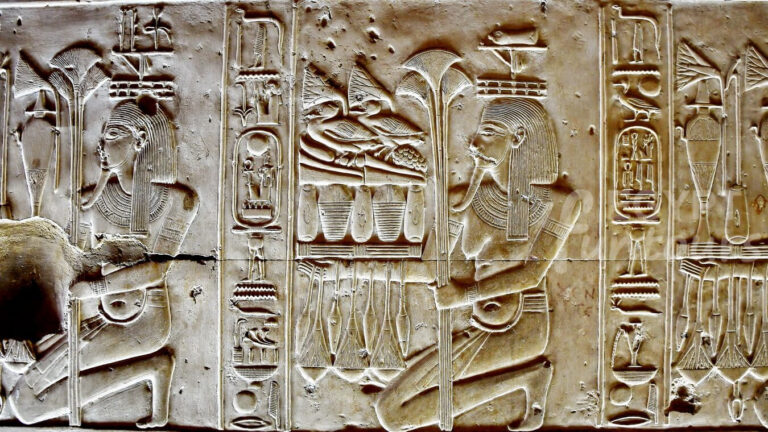
First, you must understand that Egyptian pharaohs were not historians; they were propagandists. They never recorded defeats, embarrassments, or the death of their firstborn sons. They only commissioned monuments to celebrate victories and eternal stability. Therefore, it is entirely consistent with Egyptian custom to erase any record of a national humiliation like the Exodus.

The Ipuwer Papyrus: A Voice from the Chaos?

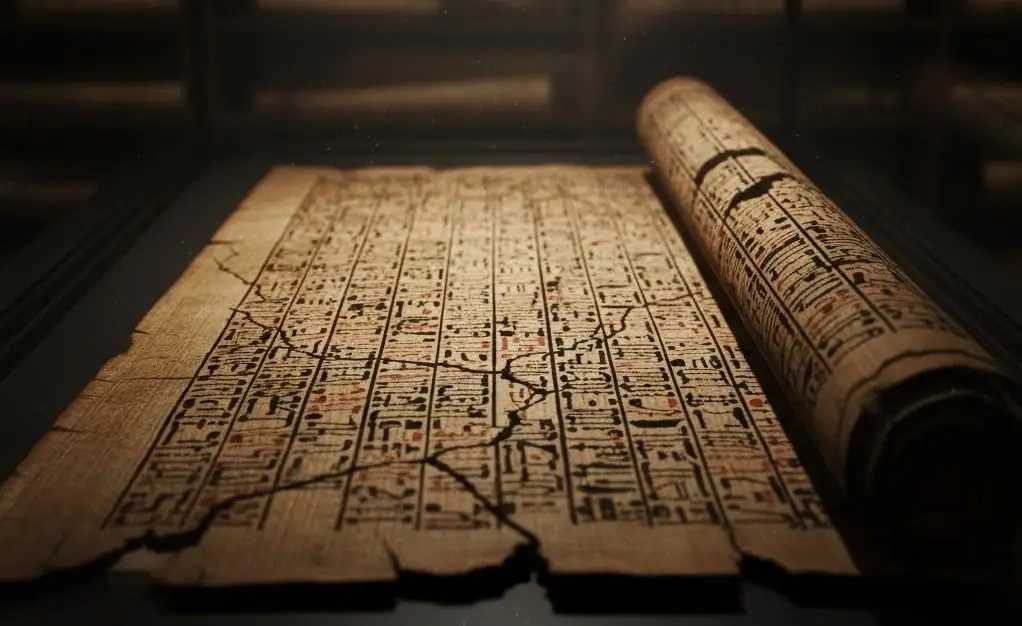
However, one controversial document has captured the attention of scholars: the Ipuwer Papyrus (Leiden 344). This ancient text describes Egypt in a state of total chaos that eerily parallels the biblical account.

Consider these lines from the papyrus:

  • “The river is blood. If one drinks of it, one rejects it as human and thirsts for water.” (Matches Plague 1)
  • “Plague is throughout the land. Blood is everywhere.”
  • “Nay, but the son of the high-born man is no longer to be recognized.” (Matches Plague 10)
  • “The slave takes what he finds… Gold and lapis lazuli, silver and malachite… are strung on the necks of maidservants.” (Matches the Israelites asking for gold/jewelry before leaving).

While some scholars date this text to the First Intermediate Period (centuries before the Exodus), others argue it is an eyewitness account of the calamity described in the Bible.

The Stele of the Tempest

Additionally, archaeologists have studied the “Stele of the Tempest,” erected by Pharaoh Ahmose I. It describes a massive storm of rain and darkness that destroyed tombs and pyramids. Some researchers link this description to the atmospheric fallout of the Thera eruption, connecting it to the biblical plagues of hail and darkness.

Legend of Westcar Papyrus: Royal Magic and the Prophecies of Khufu

The Westcar Papyrus is a masterpiece of Ancient Egyptian literature that weaves together historical legend,...
Related post
FUN

A War of Gods: The Theological Significance

Beyond the science and the history, the 10 Plagues of Egypt carry a profound theological meaning. They were not random acts of destruction. Instead, they were a systematic military dismantling of the Egyptian worldview.

In the ancient world, a battle between nations was actually a battle between their gods. Therefore, each plague was a calculated sniper shot aimed at a specific Egyptian deity. By turning the Nile to blood, the God of Israel defeated Hapi. By blotting out the sun, He humiliated Ra.

Ultimately, the plagues were designed to prove a single point to Pharaoh: that the God of Israel was superior to the gods of nature, the gods of the cosmos, and even the “living god” on the throne.

The Legacy of the Exodus: 10 Plagues of Egypt

Whether you view them as a literal series of divine miracles or a catastrophic natural chain reaction, the 10 Plagues of Egypt mark one of the most significant turning points in human history.

This event shattered the invincibility of the Egyptian empire and marked the birth of a new nation: Israel. Today, 3,000 years later, the story remains a powerful symbol of liberation, justice, and the triumph of freedom over tyranny.

Atum: The Self-Created God Who Rose From Chaos (Creator of the Ennead)

God Atum is the central figure in the Heliopolitan creation myth, regarded as the ultimate...
Related post
FUN

FAQs About the 10 Plagues of Egypt

Here are the quick, direct answers to the most common questions about the 10 Plagues of Egypt.

Q: What are the 10 plagues in order?

A: 1. Water to Blood, 2. Frogs, 3. Lice (Gnats), 4. Flies, 5. Livestock Pestilence, 6. Boils, 7. Hail & Fire, 8. Locusts, 9. Darkness, 10. Death of the Firstborn.

Q: Which Pharaoh did Moses face?

A: The Bible does not name him, but most historians and theologians identify him as Ramesses II (The Great) or possibly Thutmose III.

Q: Is there scientific proof of the plagues?

A: There is no definitive “smoking gun,” but scientists have proposed strong theories. The “Red Tide” theory explains the first six plagues as an ecological chain reaction, while the Thera Volcanic Eruption explains the darkness and hail.

Q: Why did the Nile turn to blood?

A: Biblically, it was a miracle to strike at the heart of Egyptian life. Scientifically, it was likely a bloom of toxic red algae (Oscillatoria rubescens) which kills fish and turns water red.

Q: Did the plagues affect the Israelites?

A: The first three plagues affected everyone. However, starting with the fourth plague (Flies), the Bible states that the land of Goshen (where the Israelites lived) was miraculously spared from the destruction.

Current weather in Egypt

Explore the marvels of Cairo and Alexandria....
Discover the wonders of the Nile River's valley....

A great day!!!!

Thank you Hamada for an incredible day! Thank you for the stories and the history, you are so knowledgeable and we didn’t feel rushed at all or like we missed out on things, will definitely be recommending this tour to everyone 🙂

More »

Alexandria! Wow!

Muhammad is the best! He showed me a world I never thought possible! The tombs in Alexandria, by far, were my favorite! I never knew there was a place on earth that contained both Greek and Egyptian carvings in the same tombs! The history and culture of Egypt is so

More »
Souqs and Markets in Egypt - Egypt Fun Tours

Cairo walking tours

After a rocky start (the driver had been in an accident on his way to pick me up,) the company very quickly sent another driver/guide named Mohammed, who was a real pro. Thoroughly enjoyed my first day in Egypt!

More »
9-day tour package - Egypt Fun Tours

You’re in “GREAT HANDS” with Egypt Fun Tours!

We first went to Egypt in July 2010. We were to pass through Cairo on our way to Africa, and we had arranged to be picked up from the Cairo airport and shown around the city during our 6-hour layover. This was arranged through emails with Hamada, of Egypt Fun

More »

Great layover Tour!!

I had an excellent layover tour with Hani. He is knowledgable, fun, and passionate about his city. I went for a tour of the pyramids, sphinx, and to a papyrus factory which were all great. Ask him any question about Egyptian history and he will surely know the answer! Also

More »
Isis with wings

Top-rated Tour Packages

Isis with wings