Amenhotep I: The Architect of the New Kingdom and the Pax Egyptiaca

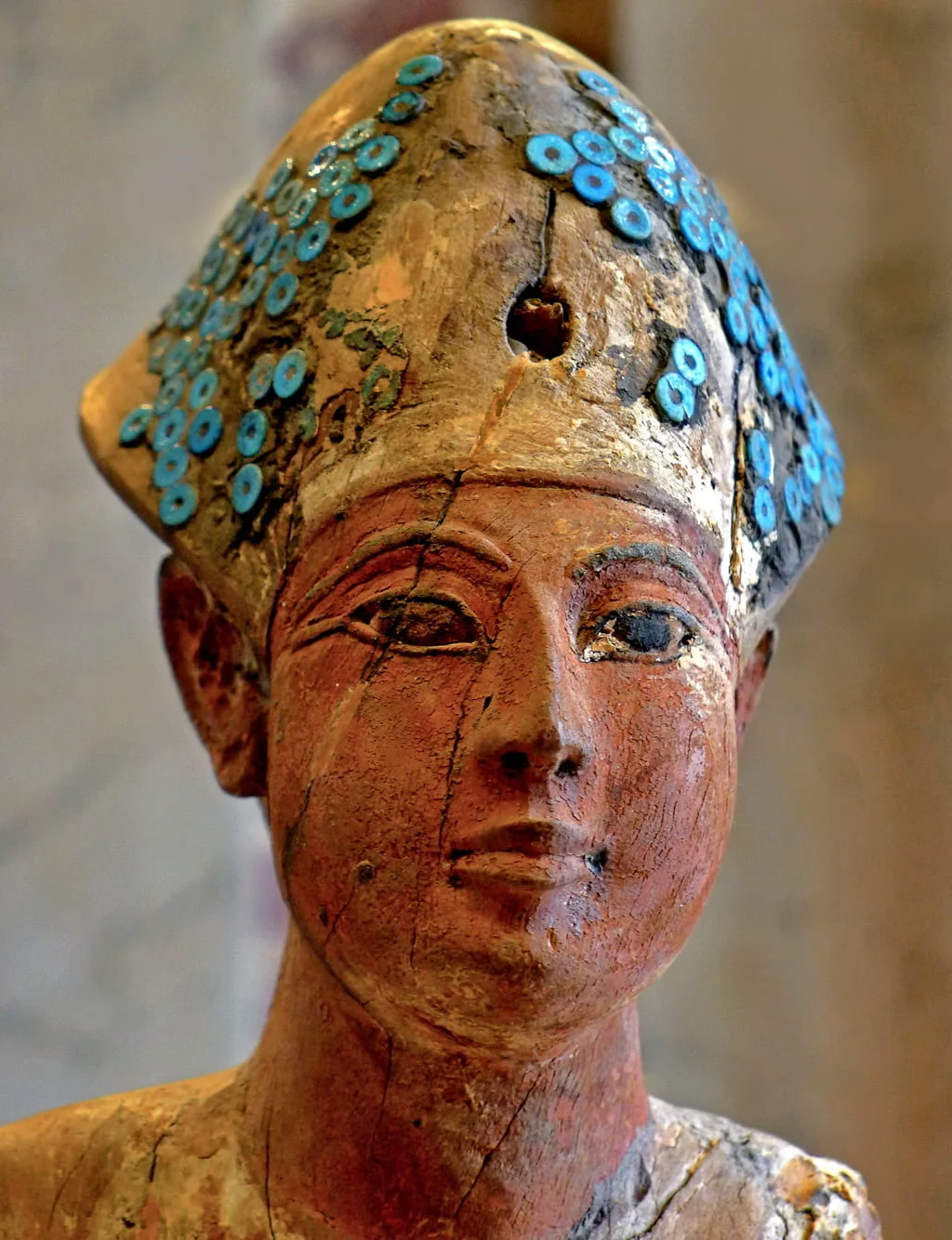
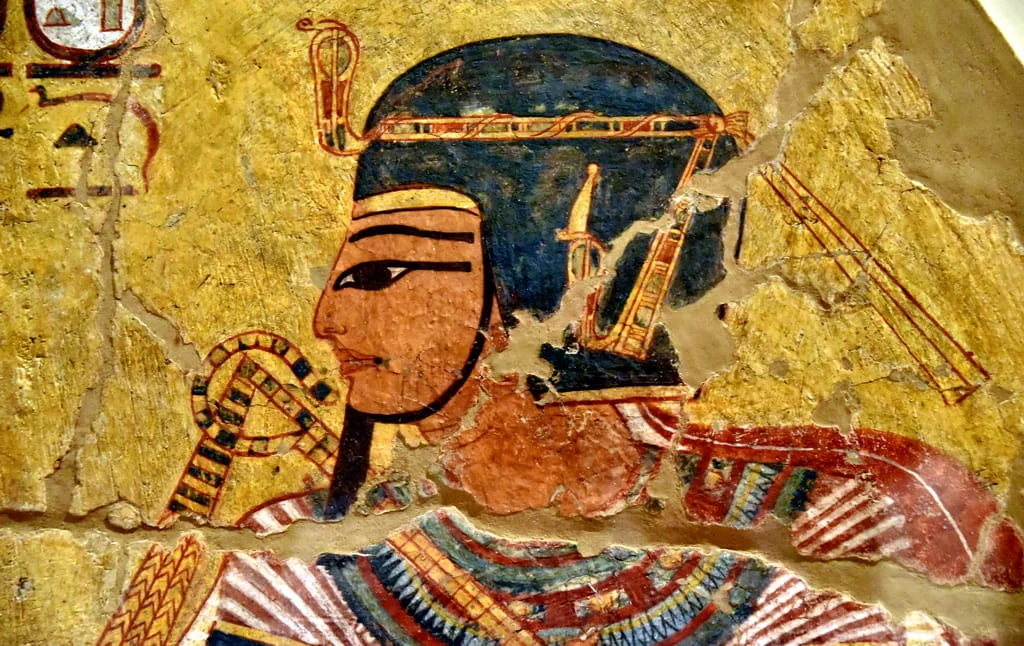
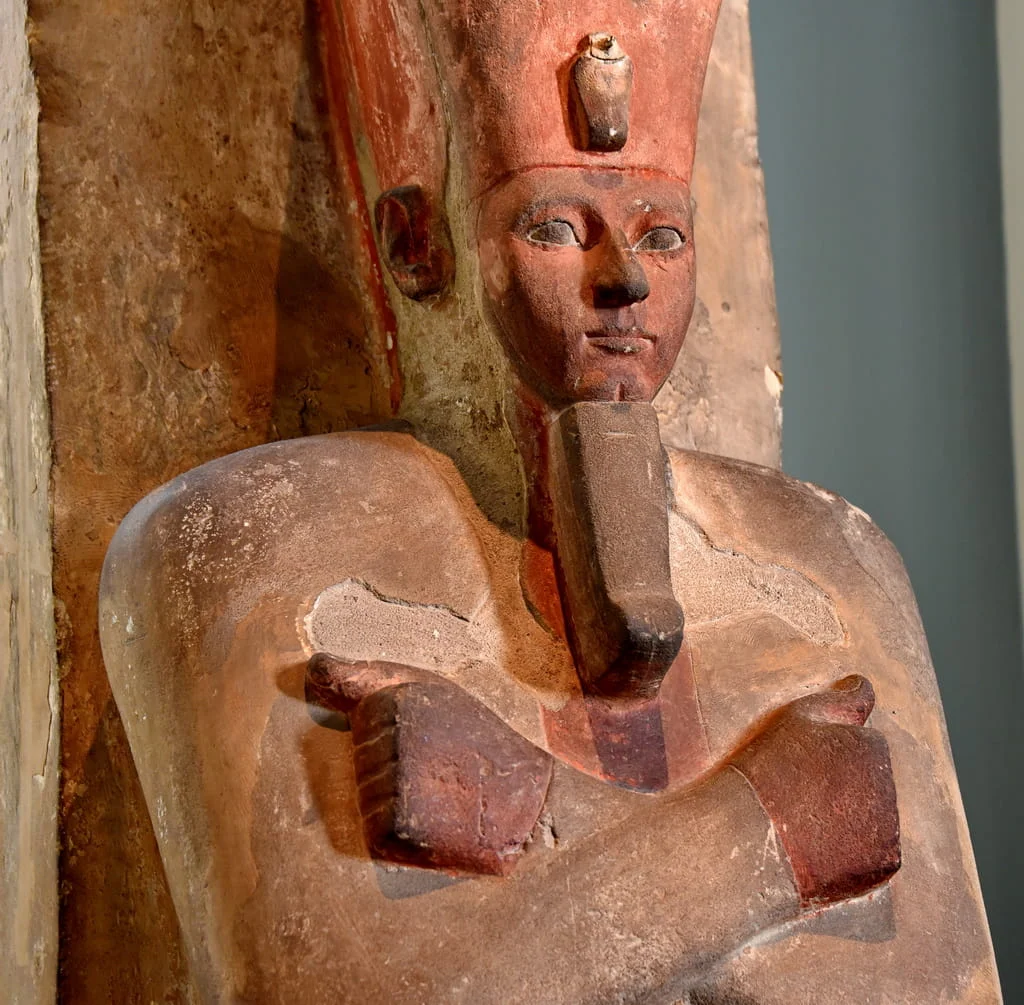
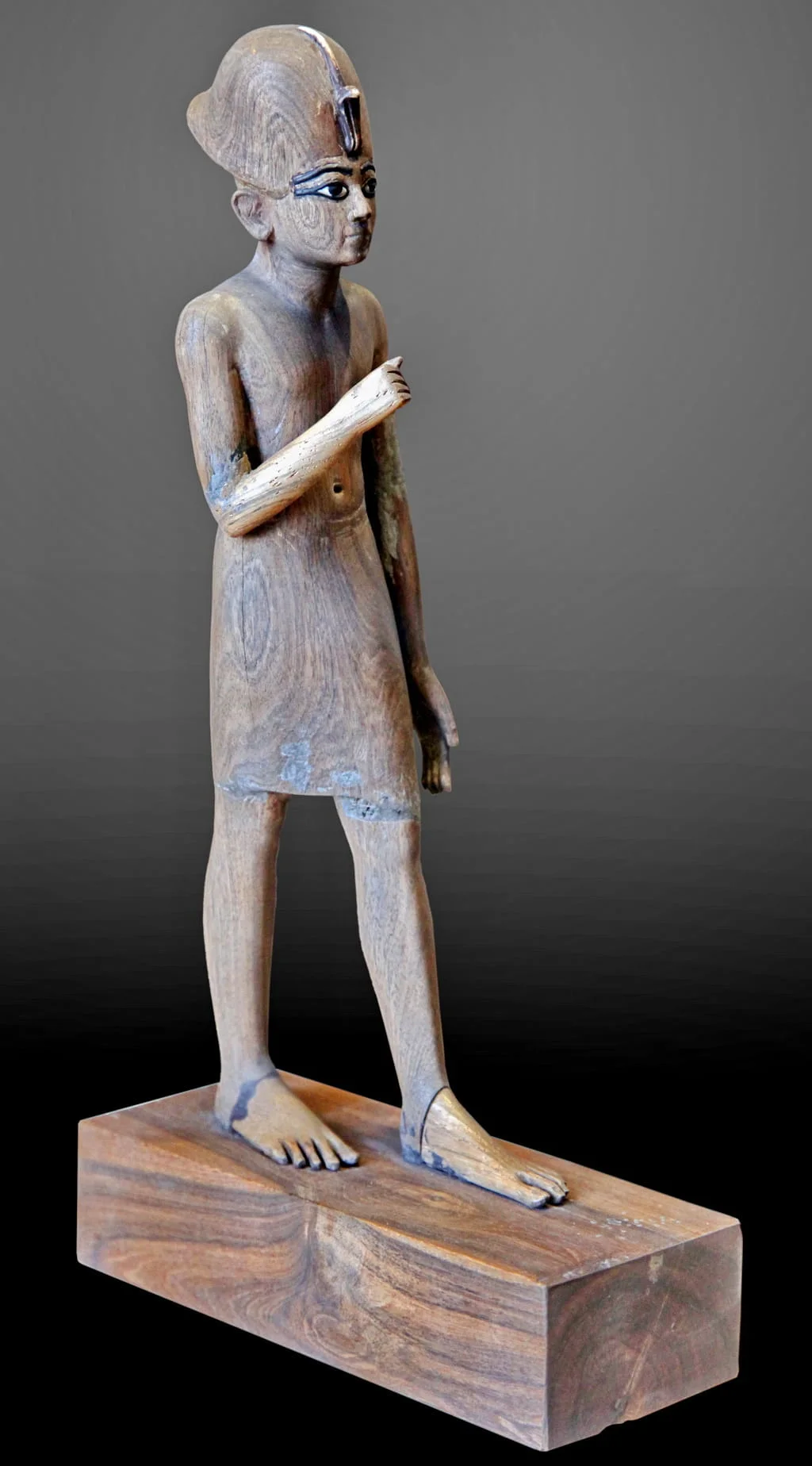
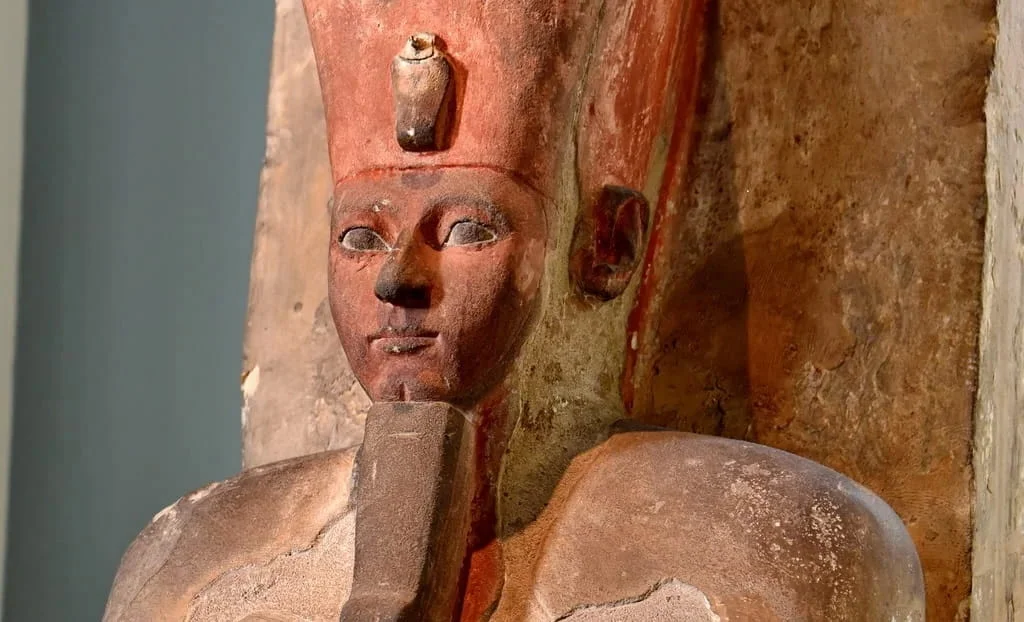
Amenhotep I was the second pharaoh of Egypt's 18th Dynasty, reigning during a mostly peaceful and prosperous period of internal consolidation following the expulsion of the Hyksos invaders by his father, Ahmose I. Co-ruling early on alongside his influential mother, Ahmose-Nefertari, his reign was marked by defensive military campaigns in Nubia and Libya to secure Egypt's borders, extensive temple restoration projects (particularly at Karnak), and the foundation of the artisan village at Deir el-Medina. He also revolutionized royal funerary practices by pioneering the separation of the royal tomb from its mortuary temple. Following his death, Amenhotep I and his mother were posthumously deified as patron gods of the Theban necropolis and its cemetery workers.
The eye of Horus
WhatsApp
Email
Print

Amenhotep I: The Architect of the Golden Age

Great historical shifts often hide in the shadow of the wars that preceded them. While historians rightly celebrate King Ahmose I as a brilliant liberator, the true structural rebirth of Egypt began with his successor, Amenhotep I. Ahmose I served as the military vanguard who broke the century-long power of the Hyksos invaders. He besieged their capital at Avaris and reunited a fractured nation under a single banner. However, a war of liberation merely clears the ground. The sword can carve out borders, but it cannot run a country.

Beyond the Conquest

When Ahmose I closed his eyes around 1525 BCE, he left behind a raw, fragile empire. The legendary infrastructure of the Old and Middle Kingdoms had vanished during decades of foreign occupation and civil conflict. Temples stood depleted, the civil service was archaic, and the southern frontier at Elephantine faced threats from a rising Kingdom of Kush. Egypt did not just need another conqueror. The country desperately required a master administrator, a high priest of political stability, and a visionary builder.

Amenhotep I: Djeserkare Ascends the Throne

Amenhotep I Djeserkare Ascends the Throne

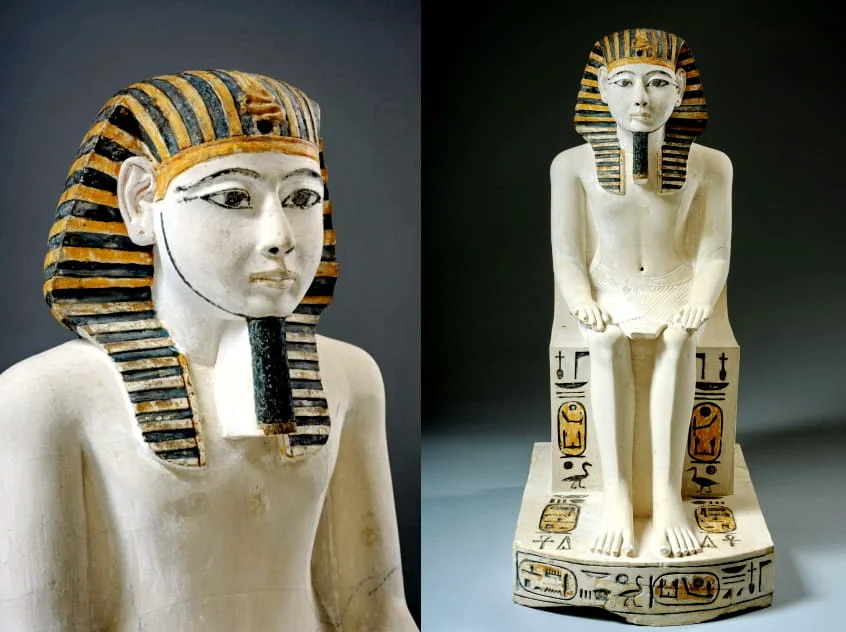
Amenhotep I stepped into this vacuum. Taking the throne name Djeserkare—meaning “Holy is the Soul of Ra”—he became the second pharaoh of the Eighteenth Dynasty. He ruled during a critical twenty-one-year window of consolidation from roughly 1525 to 1504 BCE.

If his father was the kinetic force that forged the New Kingdom, Amenhotep I was the steady hand that cast its permanent mold. His reign represents a vital shift from defensive militarism to organized imperialism. Under his stewardship, the famous Pax Egyptiaca (Egyptian Peace) was truly born.

Amenhotep I: The Imperial Engine

Amenhotep I The Imperial Engine

Rather than exhausting national resources on reckless foreign wars, Amenhotep I looked inward. He recognized that true imperial longevity required a powerful ideological engine. He systematically bound the royal family to the cult of Amun-Ra at Thebes. This move transformed a local god into the supreme king of the Egyptian pantheon.

Furthermore, he re-engineered the civil service and initiated a complete architectural overhaul of Upper Egypt. This specialized state infrastructure later supported the legendary conquests of Thutmose III and Amenhotep III. Amenhotep I did not merely inherit a kingdom; he codified the structural, religious, and political template that defined Egypt’s Golden Age for the next five centuries.

Divider

The Boy King and the Great Matriarch – The Regency of Ahmose-Nefertari

The Boy King and the Great Matriarch – The Regency of Ahmose-Nefertari

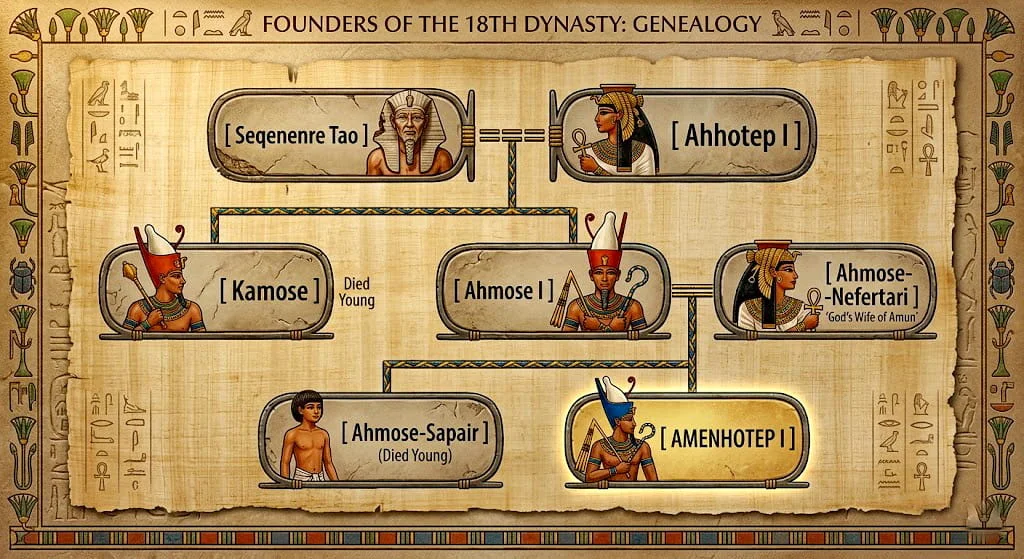
The dawn of Amenhotep I’s sovereignty began with a sudden dynastic crisis. He was never supposed to wear the double crown. The line of succession originally belonged to his older brother, Crown Prince Ahmose-Sapair, who trained for leadership during their father’s final years. However, Ahmose-Sapair died unexpectedly young, which suddenly thrust the adolescent Amenhotep into the role of heir.

A Threat of Rebellion

When Ahmose I died shortly after, Amenhotep I inherited a vast, complex realm while still a teenager. An untested young king on the Horus Throne always invited trouble. Regional governors, known as nomarchs, immediately saw an opportunity to reassert their ancestral autonomy and break away from central Theban rule. To prevent Egypt from sliding back into civil chaos, the royal court needed an immediate, unassailable anchor of legitimacy.

That anchor came in the form of his mother, Queen Ahmose-Nefertari.

The Matriarch’s Rise

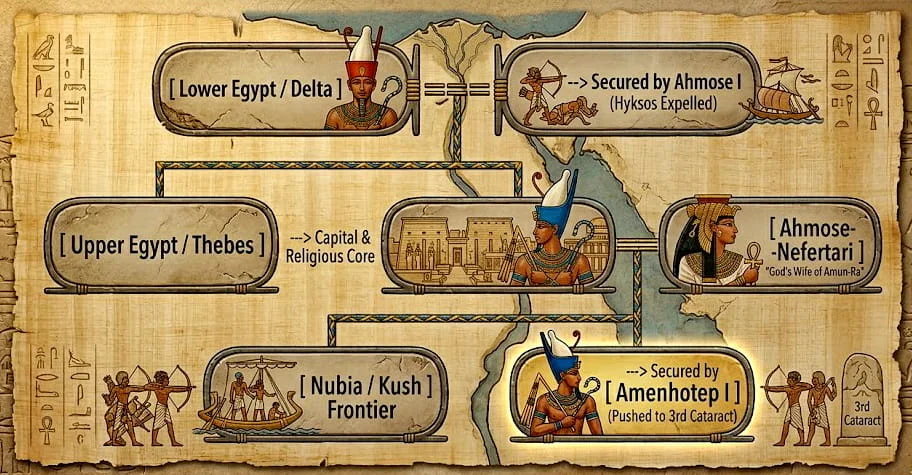
Ahmose-Nefertari stands out as the most politically significant woman of the early New Kingdom. Her bloodline carried the absolute right to rule. She was the daughter of Seqenenre Tao—the king who died fighting the Hyksos—and the sister-wife of Ahmose I. Because of her son’s youth, Ahmose-Nefertari assumed the formal regency, effectively wielding the scepter of state while Amenhotep I came of age.

Her authority went far beyond a temporary family favor. She institutionalized her power through a brilliant masterstroke of religious and economic restructuring: the creation of the title God’s Wife of Amun (Hemetnetjer en Amun).

Amenhotep I: The Power of the Donation Stela

Amenhotep I The Power of the Donation Stela

The royal couple completely revolutionized this office, as documented on the famous Donation Stela at Karnak. Ahmose I purchased the prestigious office of the “Second Prophet of Amun” for a massive sum of gold, silver, grain, and land. He then legally transferred this property and spiritual authority to Ahmose-Nefertari and her female heirs forever.

The Donation Stela of Karnak: “Given to the God’s Wife of Amun, Ahmose-Nefertari… establishing for her an independent estate, free from royal taxes, to be passed down from daughter to daughter, queen to queen.”

This was not just an honorary religious title. It was a profound economic realignment. As God’s Wife of Amun, Ahmose-Nefertari gained personal control over vast agricultural tracts, independent treasuries, granaries, and a dedicated administrative staff. She became entirely self-funded and independent from the main royal treasury.

A Lasting Blueprint for Female Power

This office successfully merged the financial muscle of the rising Amun priesthood with the absolute legitimacy of the royal bloodline. When she stood beside her young son, she did not merely represent his mother. She stood as the divine will of Amun-Ra on earth. This religious shield protected Amenhotep I from domestic rebellions during his vulnerable early years.

The political synergy between Amenhotep I and his mother defined his early reign. Together, they operated a highly successful co-regency of stabilization. They appear side-by-side on early monuments at Karnak, in the sandstone quarries of Western Silsila, and within the turquoise mines of the Sinai.

Ahmose-Nefertari’s presence was so formidable that she continued to sign state documents and advise the king long after he reached maturity and married his sister, Queen Ahmose-Meritamon.

By executing this delicate, shared balance of power, Amenhotep I and Ahmose-Nefertari created a bold new precedent for female political authority. The immense power concentrated in this religious office laid the constitutional and ideological foundations for the great female pharaohs who followed, most notably Hatshepsut. Together, the young king and the great matriarch stabilized the palace, filled the state coffers, and prepared the military to secure the vulnerable borders of their reborn realm.

Golden Scarab

Securing the Frontiers – Military Campaigns of Consolidation

Securing the Frontiers – Military Campaigns of Consolidation

Amenhotep I understood that domestic stability required secure borders. His father had driven the Hyksos out of Egypt, but threats still lingered on all sides. Instead of launching wild wars of conquest across Asia, the young pharaoh focused on strategic consolidation. He wanted to secure his borders, protect trade routes, and establish permanent military buffer zones.

Amenhotep I: The Kushite Threat and the Southern Border

Amenhotep I The Kushite Threat and the Southern Border

The most pressing threat came from the south. During the chaotic Second Intermediate Period, the Kingdom of Kush had grown incredibly powerful. They had pushed their northern borders deep into Egyptian territory, reaching as far as Elephantine. Ahmose I had begun the pushback, but Amenhotep I completed the task.

Around his seventh regnal year, the king led a massive naval expedition up the Nile into Nubia. He sought to crush the rebellious Kushite groups and secure Egypt’s access to the rich gold mines of the region. The famous veteran general, Ahmose, son of Ebana, recorded this campaign on the walls of his tomb at El-Kab.

Ahmose, Son of Ebana, Recalls the Nubian Campaign: “I conveyed the King of Upper and Lower Egypt, Djeserkare, justified, when he sailed south to Kush to enlarge the borders of Egypt. His Majesty captured that Nubian nomad in the midst of his army.”

Amenhotep I personally led his troops from the front lines. The Egyptian army decisively defeated the Kushite forces. This victory pushed Egypt’s southern frontier past the Second Cataract all the way down to the Third Cataract. To secure this territory permanently, the king established a new administrative post: the “King’s Son of Kush” (the Viceroy of Nubia). This office gave a single royal official full military and economic control over the southern lands.

Amenhotep I: Defending the Western Delta

With the south secure, the king turned his eyes to the northwest. Libyan groups had started taking advantage of Egypt’s recent political instability. They frequently raided the rich agricultural settlements in the Western Delta.

Amenhotep I marched his forces into the western desert. He successfully repelled the Libyan incursions and secured the vital desert oases. This victory prevented nomadic groups from destabilizing the northern breadbasket of Egypt.

Amenhotep I: Exploring the Levant

Amenhotep I Exploring the Levant

Historical debates still surround Amenhotep I’s activities in Western Asia. Unlike later pharaohs, he left behind no major campaign stelae in Syria or Canaan. However, later texts suggest he did lead troops into the Levant.

The biography of another veteran soldier, Ahmose of Pen-Nekhbet, mentions a campaign in Kedmi, a region located in modern-day Syria or Jordan. This minor expedition was likely a reconnaissance mission. The king wanted to display Egyptian power and test the strength of the local Canaanite city-states. This strategic move laid the groundwork for the massive Asiatic empires built by his successors.

The eye of Horus

The Spiritual Rebirth – Religious Innovation and the Rise of Amun

The Spiritual Rebirth – Religious Innovation and the Rise of Amun

Securing the borders was only half the battle. Amenhotep I knew that true imperial power needed a divine justification. He needed a theology that united the elite, satisfied the people, and celebrated the power of the central state. To achieve this, he systematically elevated a local god into a supreme national deity.

Amenhotep I: The Transformation of Amun-Ra

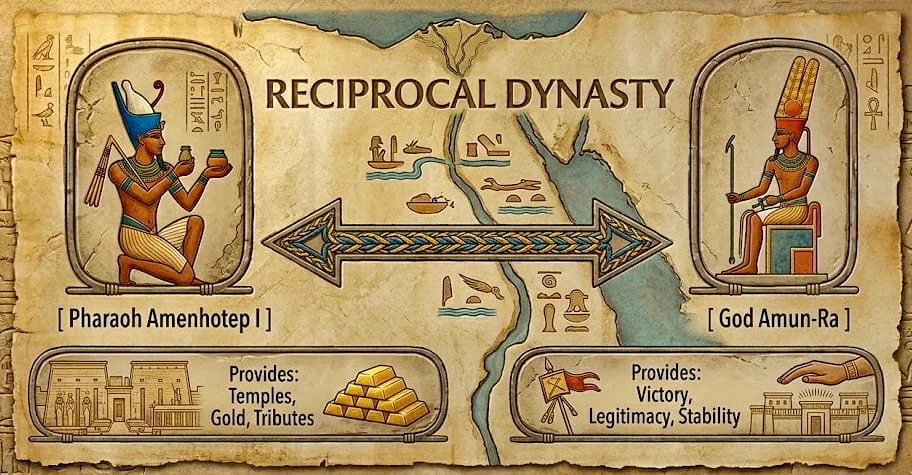
Before the New Kingdom, Amun was primarily a regional god worshipped in Thebes. During the wars against the Hyksos, the Theban royal family adopted Amun as their divine protector. Amenhotep I took this concept to a whole new level. He fused Amun with the ancient sun god Ra, creating Amun-Ra: the King of the Gods.

This new theology directly connected military victory with divine will. Amun-Ra gave the pharaoh the power to conquer enemies. In return, the pharaoh poured foreign wealth back into Amun’s temples. This brilliant loop transformed the cult of Amun into the theological engine of the New Kingdom.

Amenhotep I: The Overhaul of Karnak

Amenhotep I The Overhaul of Karnak

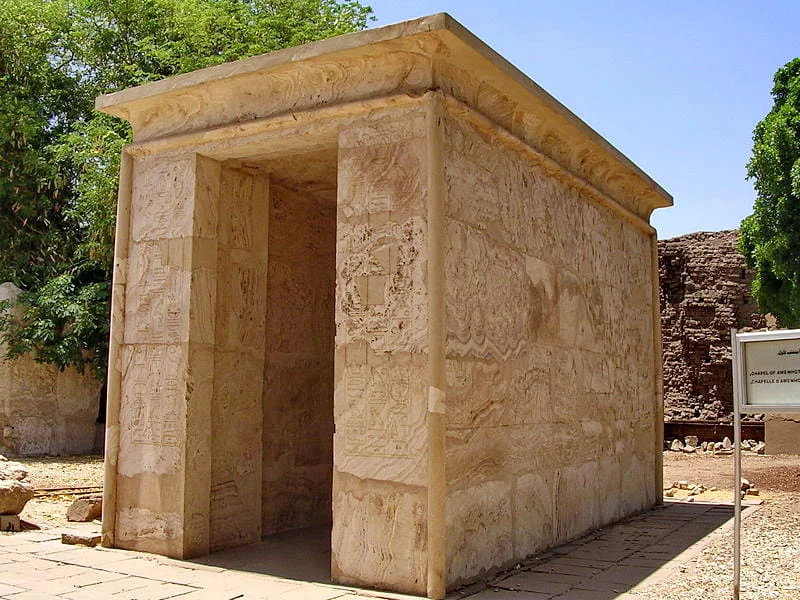
Amenhotep I expressed this new theology through a massive building program at the Temple of Amun-Ra in Karnak. He hired the master architect Ineni to supervise the project. The king utilized fine white limestone from the quarries of Tura to construct a beautiful new gateway and a sacred chapel.

The Alabaster Bark Shrine

His finest architectural achievement at Karnak was the famous Alabaster Bark Shrine. Artists carved this small, elegant building from solid blocks of white calcite. It served as a resting place for the divine boat of Amun-Ra during religious festivals.

The beautiful relief carvings on the shrine show Amenhotep I presenting gifts directly to the god. These images sent a clear political message: the king was the ultimate intermediary between humanity and the divine cosmos.

Amenhotep I: Unifying the Priesthood

Amenhotep I Unifying the Priesthood

Through these extensive building projects, Amenhotep I achieved a vital political goal. He bound the powerful priesthood of Thebes directly to the royal house. By funding their temples and expanding their estates, he turned the priests into loyal servants of the crown.

This smart alliance brought internal peace to Egypt. It allowed the young state to focus its energy on building a grand, unified empire that would last for centuries.

Divider

Founding the Necropolis Elite – Deir el-Medina

Founding the Necropolis Elite – Deir el-Medina

Imperial expansion and massive building programs created a practical dilemma for Amenhotep I. The sprawling, highly decorated royal tombs required incredible technical skill and ultimate secrecy. Past pharaohs had suffered from rampant tomb robbing. To protect his eternal resting place, the king enacted a revolutionary labor and security strategy.

The Specialized Artisan Settlement

The pharaoh founded a restricted, walled village in the desert hills of western Thebes. Today, we know this famous archaeological site as Deir el-Medina.

He gathered Egypt’s finest stonecutters, painters, sculptors, and draftsmen into this single, isolated community. They received regular grain wages directly from the royal treasury. Their sole responsibility was to cut and decorate the royal tombs hidden deep within the limestone valleys.

Securing Royal Secrets

Isolation served a vital security purpose. By separating the artisans from the general public, Amenhotep I controlled the flow of information. The craftsmen lived behind thick walls under the strict supervision of the royal vizier.

This smart setup kept the exact locations and layouts of the royal burials completely secret. The strategy proved highly effective, protecting the royal treasures from immediate theft.

The Deification of the Royal Matriarchs

The Deification of the Royal Matriarchs

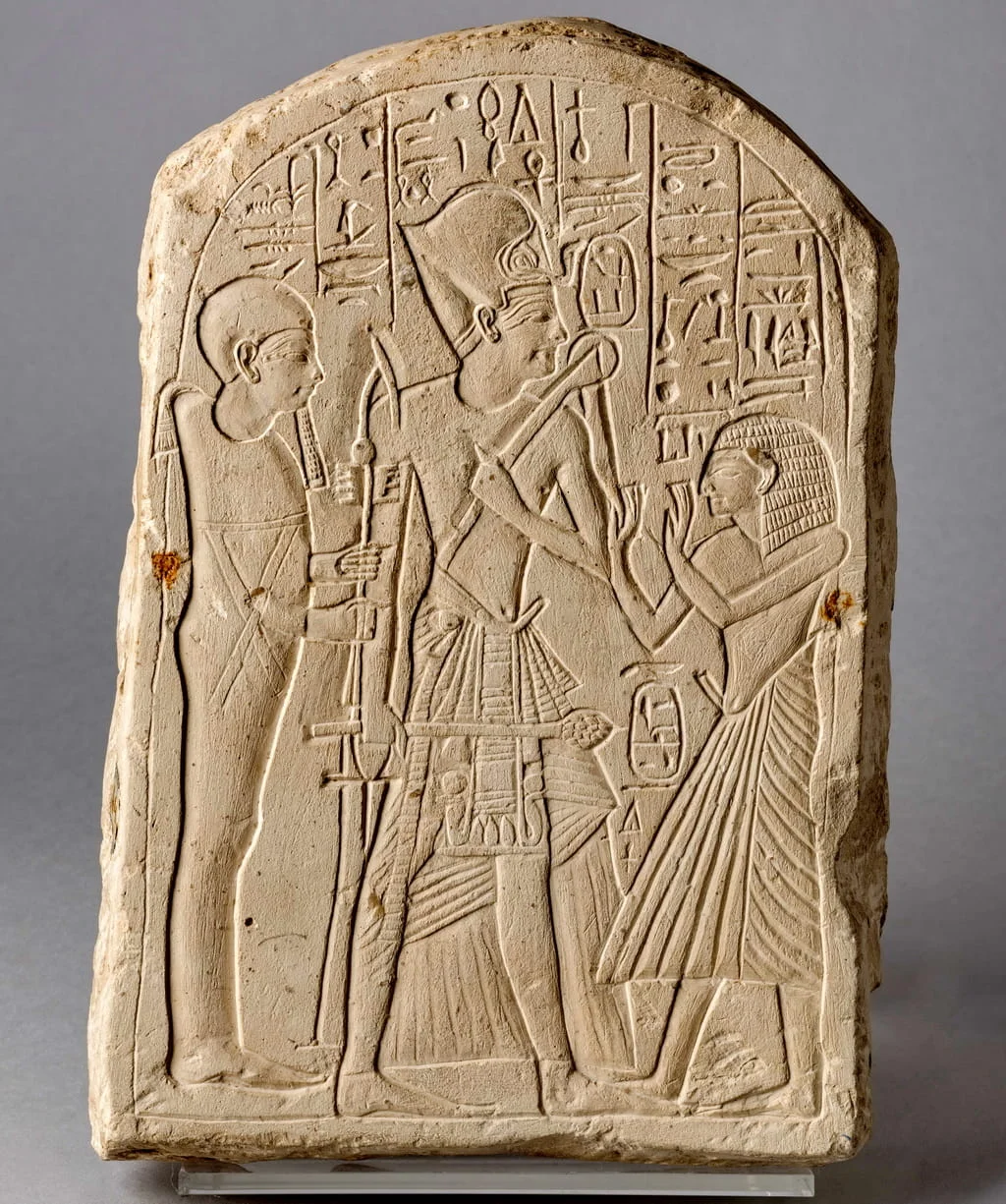
This labor experiment profoundly transformed the culture of the workforce. The artisans did not merely view Amenhotep I and his mother, Queen Ahmose-Nefertari, as remote earthly rulers. They worshipped them as living gods.

The community built dedicated shrines to the mother-son duo inside the village. For more than four centuries, workers prayed to their spirits for protection, legal justice, and medical healing. This unique cult made the village of Deir el-Medina a loyal, spiritually driven epicenter of royal craftsmanship.

The eye of Horus

The Eternal Mystery – KV39 vs. ANB (The Missing Tomb)
The Eternal Mystery – KV39 vs. ANB (The Missing Tomb)

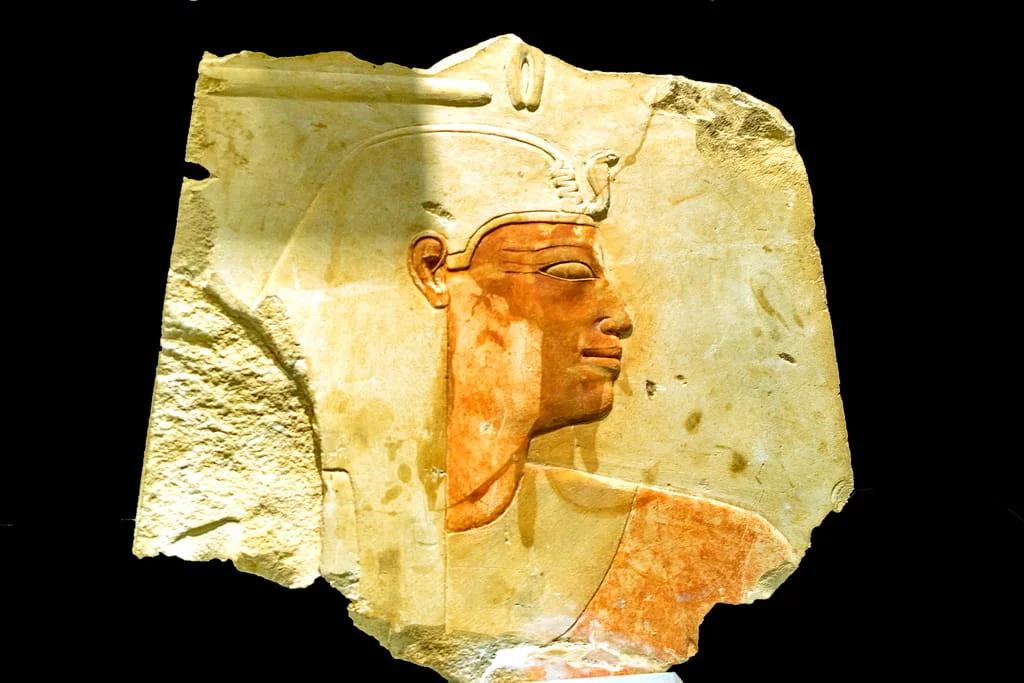
While Amenhotep I successfully revolutionized the construction of royal tombs, his own final resting place remains a major archaeological mystery. He broke completely away from Old and Middle Kingdom traditions. He chose not to build a massive pyramid or clear monument over his burial shaft. Instead, he separated his mortuary temple from his actual physical grave.

The Great Architectural Divide

Before this reign, pharaohs always attached their memorial temples directly to their tombs. Amenhotep I realized this practice acted as a giant map for ancient tomb robbers.

Therefore, he built his mortuary temple down by the edge of the cultivation fields. He then hid his actual tomb far back in the jagged cliffs. This clever separation created a confusing puzzle that Egyptologists are still trying to solve today.

The Two Candidate Sites

Modern scholars generally divide their arguments between two specific locations in western Thebes. Both sites show strong historical evidence, but neither has provided absolute proof.

Candidate Tomb Location Primary Academic Argument
Tomb ANB Dra Abu el-Naga Contains massive stone vessels inscribed with the names of Amenhotep I and Ahmose-Nefertari. Fits the geographical descriptions found in the ancient Abbott Papyrus tomb-inspection reports.
Tomb KV39 Valley of the Kings Located in an isolated, deep-cut ridge high above the valley floor. Early 18th-dynasty architectural design suggests it was the very first hidden royal tomb built in the Valley of the Kings.

The Discovery in the Royal Cache

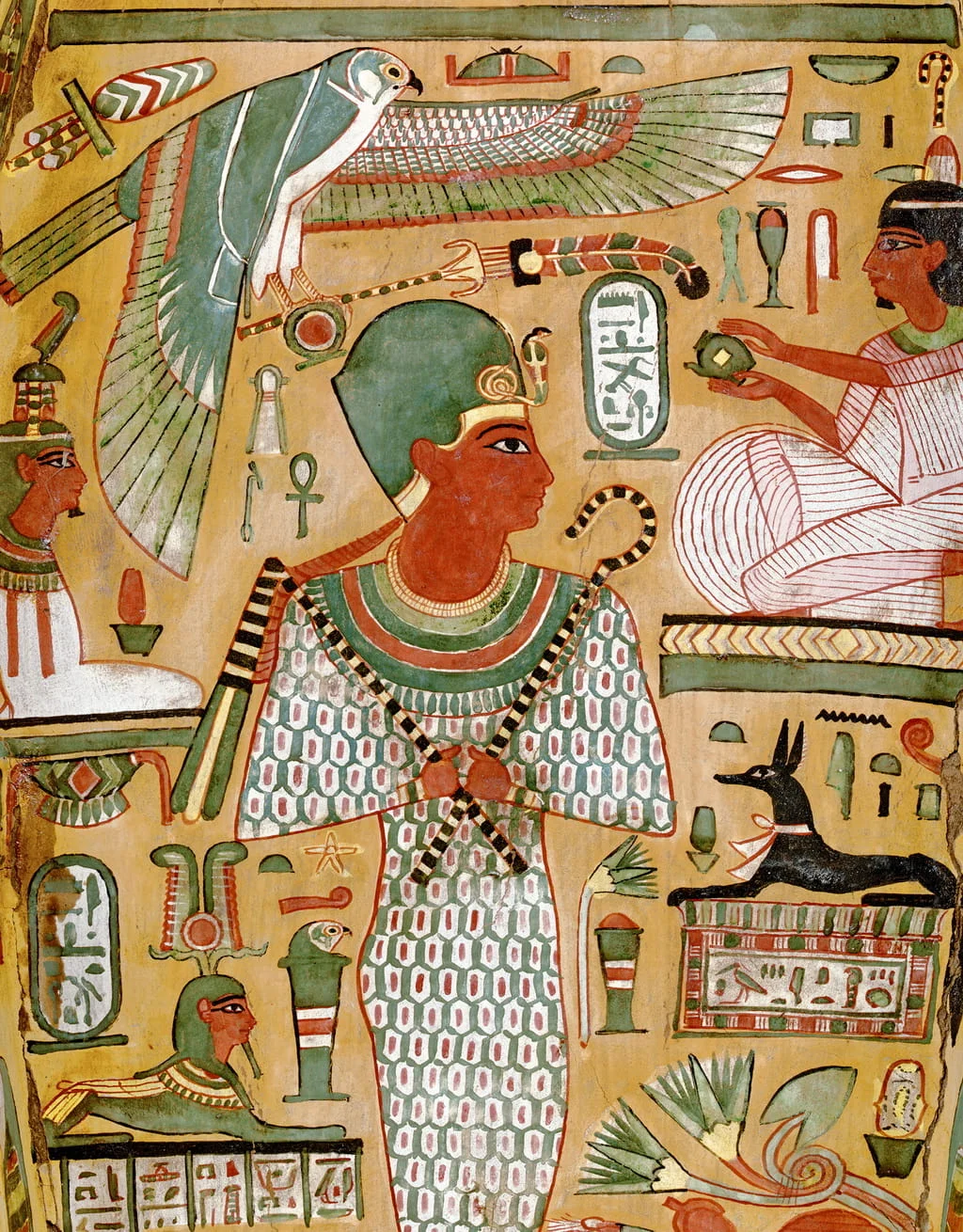
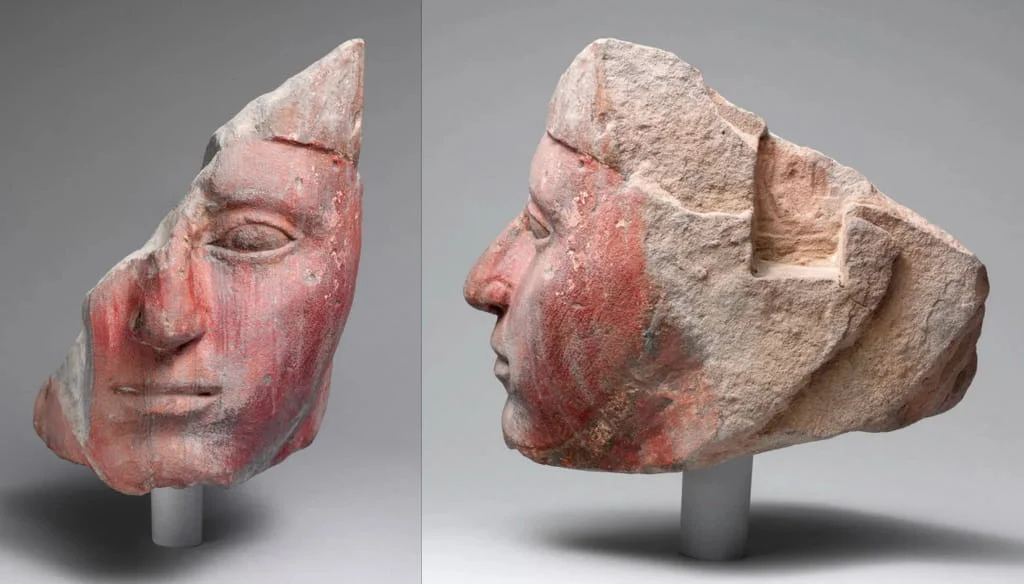
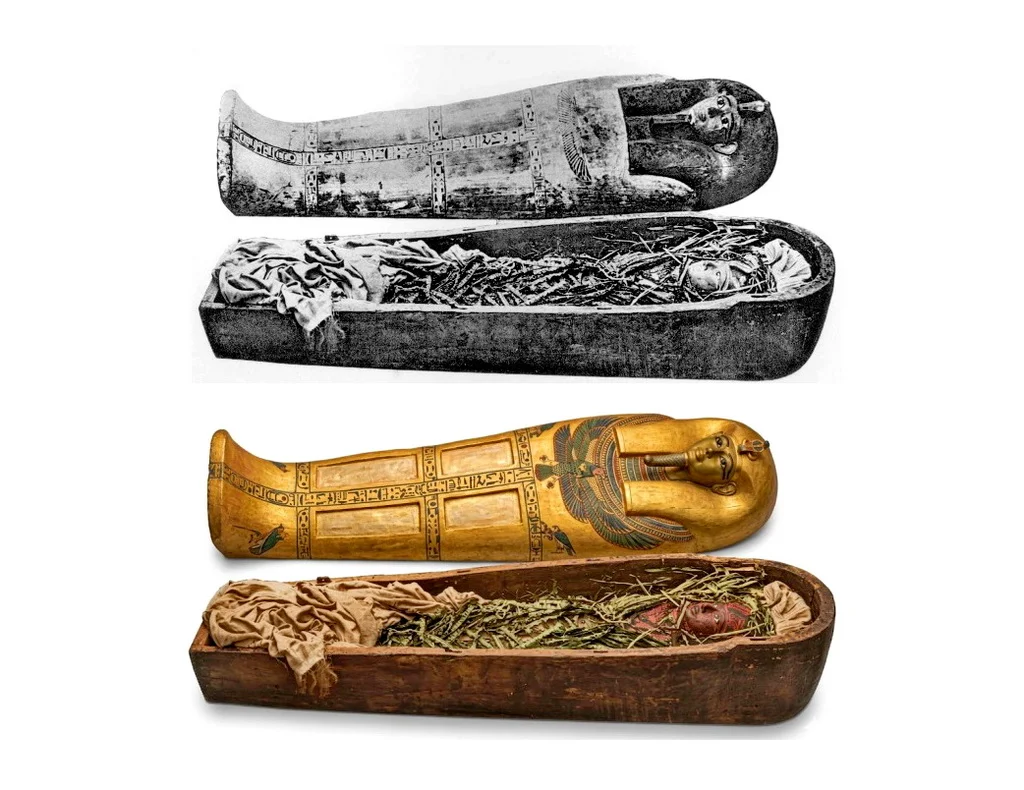
Though the exact location of his original tomb remains heavily debated, we know his physical body survived the ages. During the late 20th Dynasty, rampant civil unrest forced high priests to rescue royal mummies from desecrated graves. They moved Amenhotep I to the secret Deir el-Bahari royal cache, known today as DB320.

When archaeologists discovered the cache in 1881, his mummy stood out immediately. He was the only royal mummy left completely wrapped and undisturbed.

The body features a beautifully painted wooden face mask adorned with real floral garlands. Because the wrappings are so perfectly preserved, scientists refuse to physically unwrap him. Modern CT scans show he died around the age of 35, leaving behind a perfectly stabilized empire for his chosen successor.

Succession and Legacy – Passing the Scepter to Thutmose I
Succession and Legacy – Passing the Scepter to Thutmose I

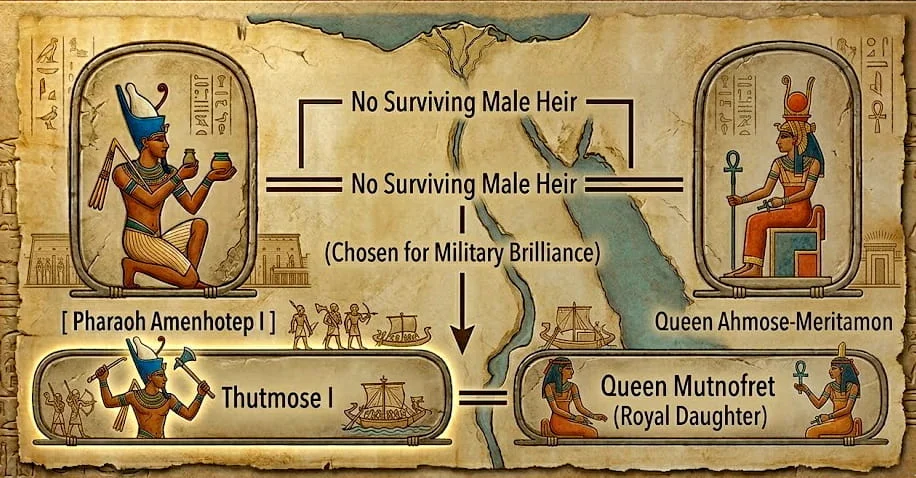
Every great ruler faces one ultimate test: ensuring a peaceful transition of power. A sudden vacancy on the throne could easily undo decades of meticulous state-building. As Amenhotep I approached the end of his twenty-one-year reign, he faced a critical dynastic challenge. He had no surviving male heirs to naturally inherit the double crown.

Solving the Bloodline Dilemma

His primary wife and sister, Queen Ahmose-Meritamon, had not given birth to a surviving son. In earlier periods, a lack of a direct royal heir often triggered violent civil wars among rival royal branches.

To prevent a political crisis, Amenhotep I prioritized national stability over strict family bloodlines. He looked outside his immediate household and selected a powerful military general named Thutmose.

To secure this choice legally, the king likely arranged a marriage between Thutmose and Princess Mutnofret, a minor daughter of the royal line. This strategic union smoothly transferred the crown to the future Thutmose I, successfully launching the brilliant Thutmosid era.

An Unbroken Path to Empire
An Unbroken Path to Empire

This peaceful handoff proved to be an incredible success. Thutmose I did not have to waste precious time fighting domestic rebellions or fixing internal palace disputes.

Instead, he inherited a wealthy, highly organized, and perfectly secure state apparatus. Because Amenhotep I had already stabilized the domestic economy and secured the immediate borders, the new pharaoh could focus entirely on unprecedented external expansion.

Thutmose I immediately marched his armies deep into the Levant, crossing the Euphrates River and setting the stage for Egypt’s ultimate golden age as a global superpower.

The Quiet Foundations of Imperial Greatness
The Quiet Foundations of Imperial Greatness

History often favors flashy conquerors over careful administrators. In the grand timeline of the Eighteenth Dynasty, names like Thutmose III and Hatshepsut regularly capture the public imagination.

Yet, none of their spectacular achievements would have been possible without the quiet, methodical governance of Amenhotep I. He served as the essential bridge between a bloody war of national liberation and the birth of a grand international empire.

By working closely with his formidable mother, Queen Ahmose-Nefertari, he provided a masterclass in political crisis management. He did not merely rebuild old institutions; he reinvented them. He restructured the economy through the office of the God’s Wife of Amun, created the elite artisan workforce at Deir el-Medina, and established a powerful national theology centered on Amun-Ra at Karnak.

When Amenhotep I passed away around 1504 BCE, he left behind a deeply transformed nation. He took a raw, scarred kingdom and reshaped it into a highly sophisticated, unified imperial engine. If his father, Ahmose I, was the sword that fought for Egypt’s freedom, Amenhotep I was the brilliant architect who built its lasting golden age.


Divider

Valley of the Kings, Hepchepsut

I never had a more positive experience and educational time than this tours. Learning about a variety of kings and queens was amazing! The tour guide was super nice and helped me and my friend every step of the way! Including bargaining for a few souvenirs! I will never forget

More »

Cairo Day Trip

My day trip to Cairo was brilliant, and close to the best one-day experience of my life. Hani was an amazing ambassador for his city and country; his wealth of knowledge, courtesy, and good humour was awesome. The itinerary was perfect, I visited most of the famous landmarks as well
More »
12 Days Solo Woman Tour Package (Queen Cleopatra)

Mohamed is Very Kind Person

Mohamed. I just want to thank you again for your kindness. You made our trip memorable. Give your family and the Egypt Fun Tours crew all my love and thank them again for me. Take care. Enjoy the season! Love. Linda

More »

7 night Egypt Experience Cairo, Aswan, Luxor

Trip of a lifetime!! COVID SAFE!! Knowledgeable guide who loves to share the magic of Egypt with tourists. Friendly and accommodating. This company goes to the extreme to make clients feel welcome and help them. A family company that takes good care of its support staff. Must book the 7-night

More »
God_Anubis_Icon

Top-rated Tour Packages

God_Anubis_Icon
WhatsApp
Email
Print