Tomb of Neferronpet (TT178): Gold, Metalworking & The Treasury of Amun

The Tomb of Neferronpet (TT178) provides an essential look at the internal mechanics of the 19th Dynasty. As Scribe of the Treasury under Ramesses II, Neferronpet managed the immense wealth of the Temple of Amun. His tomb acts as a visual manual of ancient industry, featuring rare scenes of gold weighing and metalworking workshops. Beyond these professional records, the artwork offers a humanizing glimpse into the elite lifestyle, famously depicting Neferronpet playing the strategic game of Senet. Ultimately, while the Tomb of Huy (TT40) documents how Egypt acquired its wealth, TT178 immortalizes the sophisticated administration and craftsmanship required to process it.

The Ledger of the Empire – Inside the Tomb of Neferronpet (TT178)

While the grand monuments of Luxor celebrate the divine power of the Pharaohs, the Tomb of Neferronpet (TT178) offers a rare and intimate look at the men who kept the empire running. Located in the El-Khokha hill of the Theban Necropolis, this tomb belonged to a high-ranking official during the golden age of Ramesses II. Neferronpet, also known by his shorter name Kenro, held the critical title of “Scribe of the Treasury in the Estate of Amun-Re.”

In the ancient world, the Temple of Amun at Karnak functioned as the nation’s central bank, and Neferronpet was its chief accountant. His tomb serves as a fascinating visual “audit” of the 19th Dynasty, trading typical mythical scenes for detailed snapshots of industry, wealth, and the daily hustle of a royal treasury.

A Window into Ancient Industry

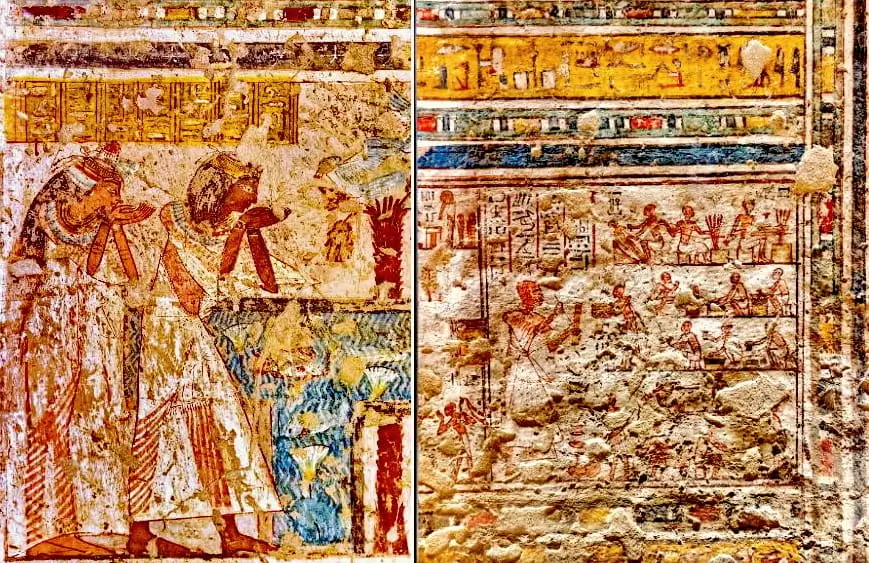
What makes TT178 a standout for historians and visitors alike is its focus on production and logistics. The wall paintings act as a primary source for understanding how the Egyptians processed the vast wealth flowing into Thebes. From the intense heat of metalworking furnaces to the precise weighing of gold rings, the tomb captures the technical mastery of ancient craftsmen.

Unlike the broader political themes found in the Tomb of Huy (TT40), Neferronpet’s burial place focuses on the internal machinery of Egypt. It answers the question: What happened to the gold once it arrived from the south?

The Art of the Ramesside Era

Artistically, the tomb is a masterpiece of the Ramesside style. It features vibrant colors and a sense of movement that feels almost modern. The figures are dynamic, often shown in mid-action—stoking fires, recording weights, or playing a strategic game of Senet with family. These scenes humanize the elite class of the New Kingdom, blending their professional achievements with their personal joys.

For anyone researching the Ancient Egyptian economy, jewelry manufacturing, or the administrative genius of the reign of Ramesses the Great, the Tomb of Neferronpet is an essential chapter. In this section of our guide, we will explore the technical details of the “House of Gold,” the social status of the Scribe of the Treasury, and the unique artistic flourishes that make TT178 a hidden gem of the West Bank.

FUN

The “House of Gold”: Metalworking and Administrative Mastery

The House of Gold Metalworking and Administrative Mastery

In the 19th Dynasty, the “Estate of Amun-Re” functioned as the economic heartbeat of Egypt. Within the walls of TT178, we see exactly how Neferronpet managed this vast wealth. The tomb contains some of the most descriptive scenes of ancient metallurgy and bookkeeping ever discovered in the Theban Necropolis.

1. The Weighing of the Wealth

One of the most vital scenes depicts the “House of Gold,” the high-security area of the temple treasury. Here, the art captures the meticulous nature of Egyptian bureaucracy:

  • Precision Scales: Scribes use large, sophisticated balance scales to weigh massive gold rings and ingots. These rings served as a standardized form of currency for high-value trade.
  • The Scribe’s Audit: Neferronpet appears with his palette and papyrus, recording every transaction. This scene highlights the transition of wealth from raw material to accounted asset, proving that the Egyptians maintained a complex and rigorous accounting system.

2. The Smelting and Casting Process

Neferronpet’s artists provide a technical blueprint of the metalworking industry. The registers show the intense physical labor required to transform raw ore into temple treasures:

  • Bellows and Furnaces: Workers use foot-operated bellows or long blowpipes to stoke the furnace fires, reaching the high temperatures necessary to melt copper and gold.
  • Casting and Shaping: After smelting, the scenes show the liquid metal being poured into molds or beaten into thin sheets to gild statues and temple doors. This illustrates the specialized labor force Neferronpet supervised—a group of elite artisans who worked exclusively for the gods.

3. Jewelry and Fine Craftsmanship

Beyond heavy metalwork, the tomb details the creation of fine luxury goods. This section of the treasury was responsible for:

  • Bead-Making: Craftsmen drill and polish semi-precious stones like carnelian, turquoise, and lapis lazuli.
  • Assembly: Men are shown stringing these beads into the broad Usekh-collars that defined the fashion of the Ramesside elite.
  • Sculptural Finishing: We see artists adding the final touches to statues and furniture, likely intended for the Karnak Temple complex.
FUN

The Human Side of the Treasury: Daily Life and the Game of Senet

The Human Side of the Treasury Daily Life and the Game of Senet

While the industrial scenes showcase Neferronpet’s professional success, the tomb also provides a deeply personal look at the man behind the ledger. Consequently, the artwork shifts from the heat of the furnace to the cool, quiet intimacy of his home life. These scenes are essential because they humanize the high-ranking officials of the 19th Dynasty, revealing their leisure activities and spiritual hopes.

The Strategic Game of Senet

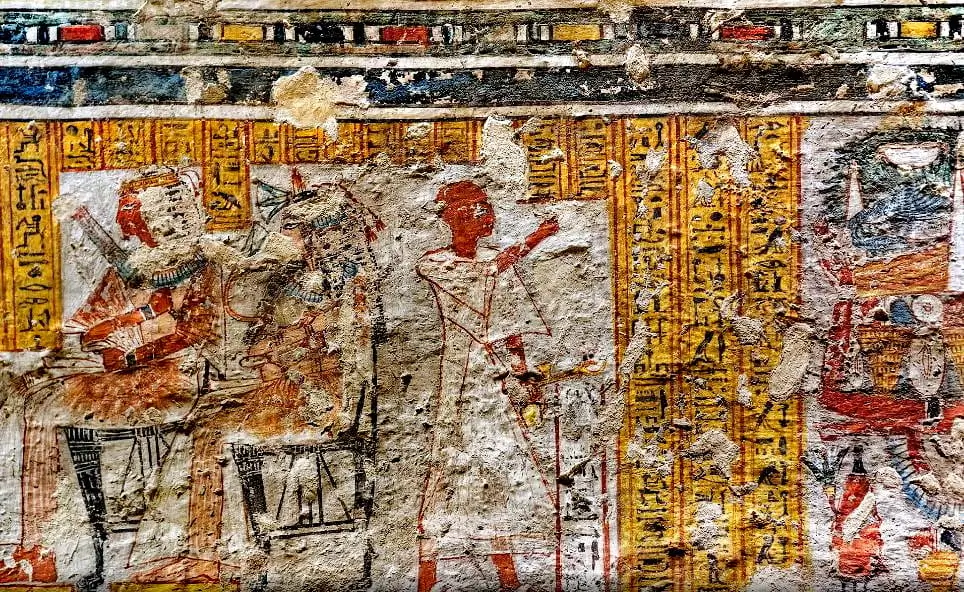
In one of the most charming and well-preserved sections of the tomb, Neferronpet and his wife, Mutemwia, sit together to play the board game Senet. This was not merely a pastime; rather, it carried significant religious weight.

  • The Physical Game: The painting depicts them seated on elegant chairs, moving pieces across a grid of 30 squares. Furthermore, the inclusion of a small cat gnawing on a bone beneath Mutemwia’s chair adds a touch of domestic realism that breaks through the typical formality of Egyptian art.
  • The Spiritual Journey: Beyond entertainment, playing Senet symbolized the deceased’s journey through the underworld. Therefore, winning the game represented the soul’s ability to navigate the trials of the Duat and successfully enter the afterlife.

Family and Social Status

In addition to the game scenes, the tomb emphasizes Neferronpet’s lineage and his standing within Theban society. Throughout the registers, we see several key social interactions:

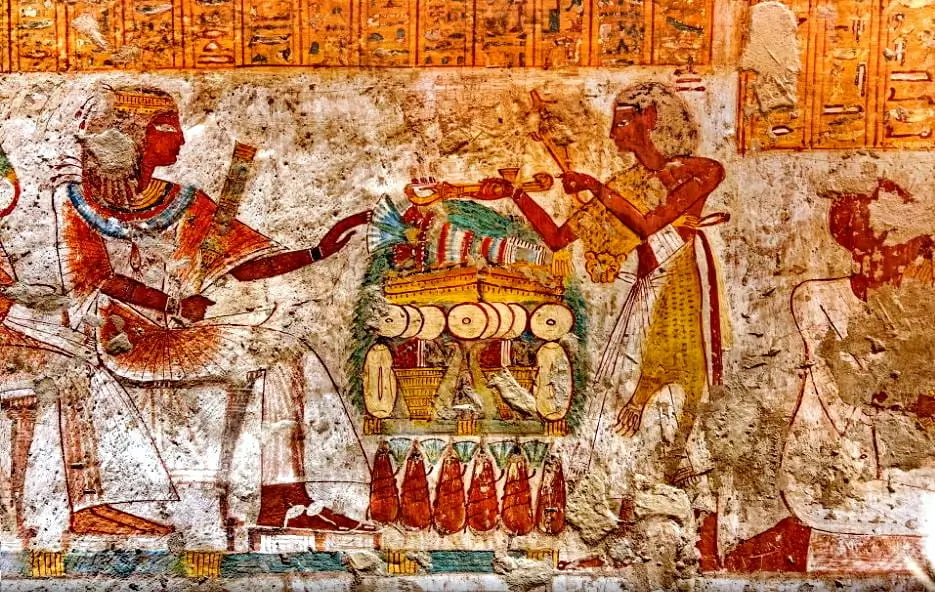
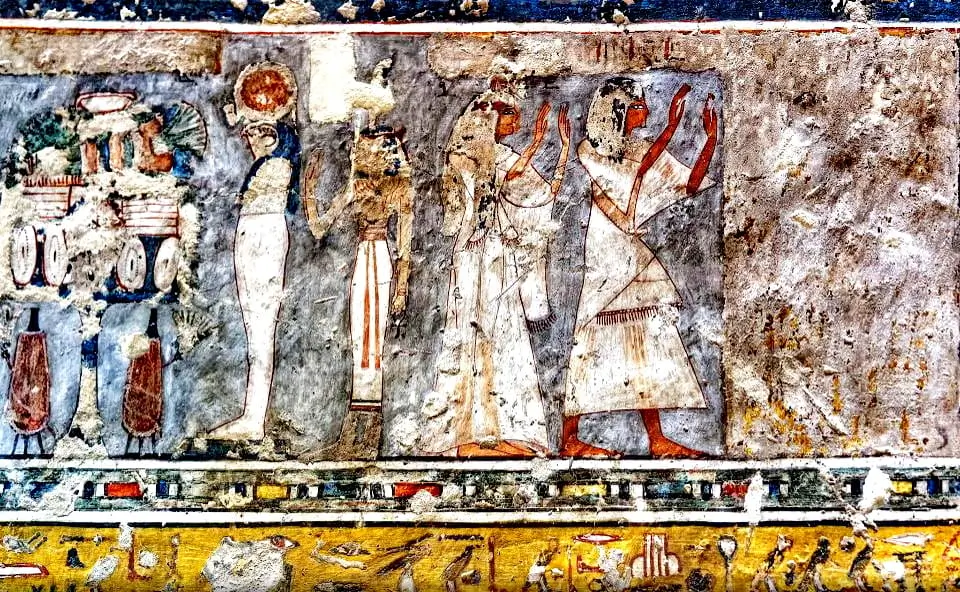
  • Feasting Scenes: Guests and family members appear in rows, often wearing fine linen garments and heavy wigs topped with scented fat cones. These depictions serve to highlight his wealth and the hospitality he could afford.
  • Affectionate Portraits: The artists captured a genuine sense of partnership between Neferronpet and Mutemwia. For instance, they are frequently shown with their arms around each other, a standard but powerful symbol of eternal companionship in Egyptian iconography.

The Catacombs of Kom Esh-Shokafa: Roman-Egyptian Underworld

Descend into one of the "Seven Wonders of the Middle Ages" at the Catacombs of...
Related post
FUN

Religious Rituals: Securing the Eternal Future

Religious Rituals Securing the Eternal Future

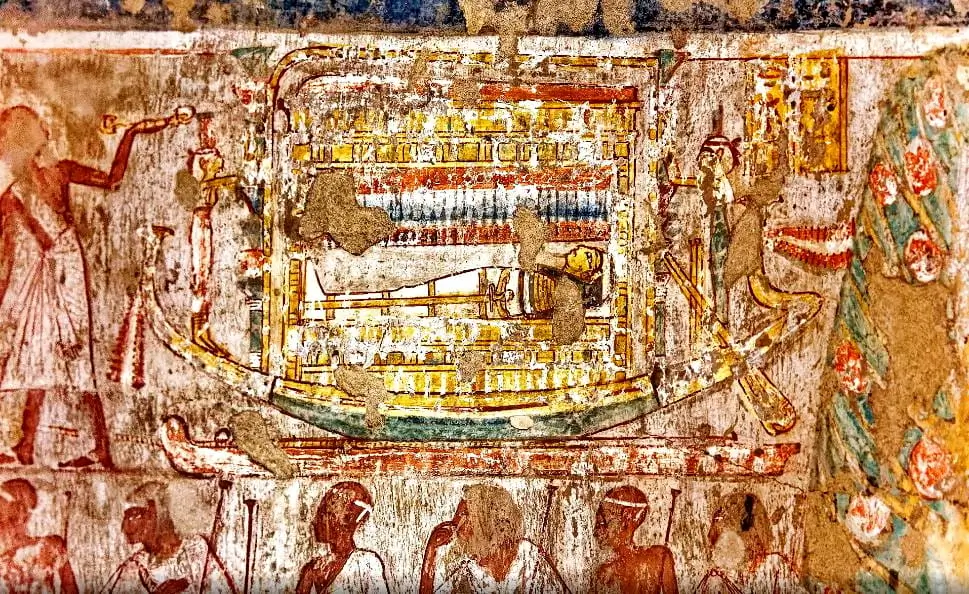
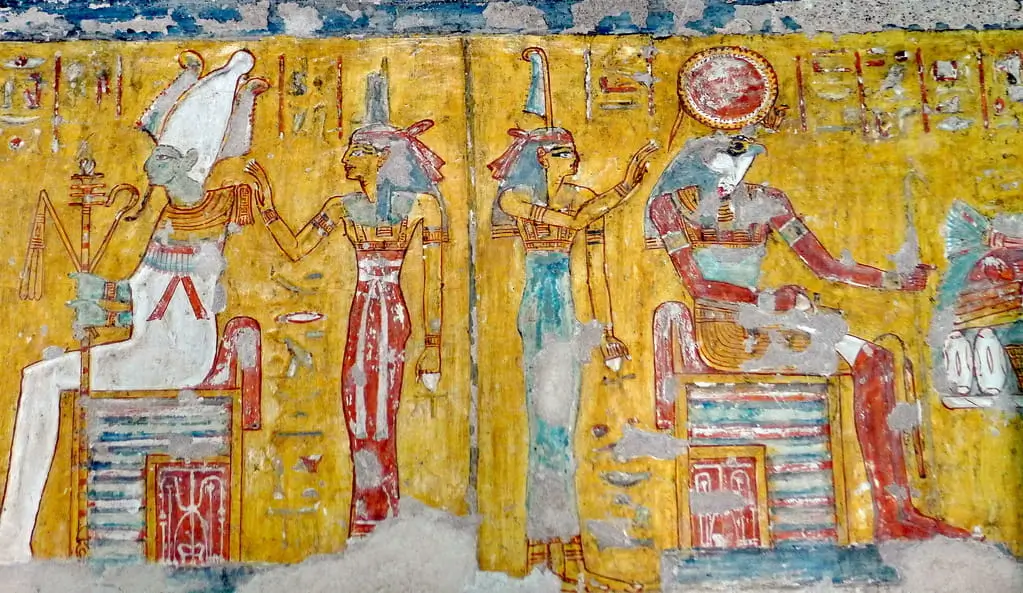
In order to ensure his transition into the afterlife, Neferronpet dedicated significant wall space to the Book of Gates and other sacred rituals. These scenes provide the spiritual counterpoint to his earthly success in the treasury.

The Opening of the Mouth Ceremony

Near the entrance, the tomb depicts the “Opening of the Mouth” ritual. This ceremony was vital because it was believed to restore the senses to the deceased’s spirit, allowing them to eat, speak, and breathe in the next world. Moreover, the presence of various priests and family members in this scene underscores the importance of community in the mortuary cult.

The Tree-Goddess Scene

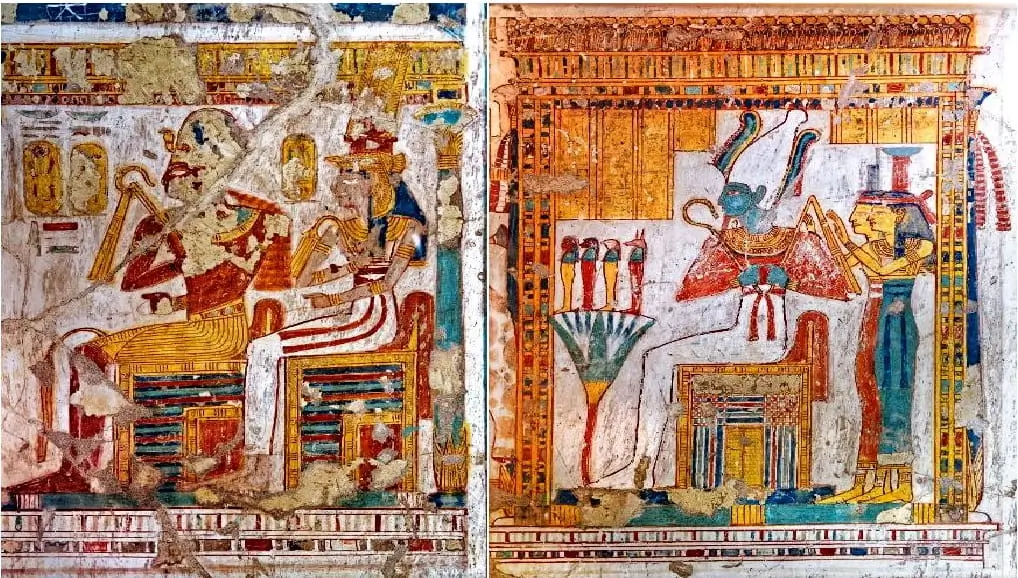
Another spiritually significant motif found in TT178 is the Tree-Goddess scene. In this depiction, a goddess (often Nut or Hathor) emerges from a sycamore tree to pour water and offer food to Neferronpet and his wife. As a result of this divine nourishment, the deceased is revitalized for their journey through the afterlife.

Summary of Neferronpet’s Legacy (TT178)

Summary of Neferronpet’s Legacy (TT178)

Ultimately, the Tomb of Neferronpet is a masterclass in balance. On one hand, it documents the industrial and economic might of the Ramesside era through its treasury and metalworking scenes. On the other hand, it preserves the personal and spiritual aspirations of a man who loved his family and his faith.

By including TT178 in your pillar content, you provide your readers with a holistic view of Ancient Egyptian life. Specifically, you show that the same hands that weighed the Pharaoh’s gold also moved the pieces on a Senet board and reached out for the blessings of the gods.

Tomb of Neferhotep (TT49): The Chief Scribe & Ancient Karnak

The Tomb of Neferhotep (TT49) stands as one of the most significant architectural archives of...
Related post
FUN

Comparative Analysis: The Wealth of the 18th vs. 19th Dynasties

Comparative Analysis The Wealth of the 18th vs. 19th Dynasties

When you examine the Tomb of Huy (TT40) and the Tomb of Neferronpet (TT178) together, you gain a comprehensive view of how the Egyptian economy evolved over two centuries. While both men managed the Pharaoh’s riches, their roles highlight two different phases of the “Life Cycle of Gold” in the New Kingdom.

The Source vs. The System

First, consider the geographical and functional differences between these two officials. Huy, as the Viceroy of Kush, operated at the source. His job was the acquisition of raw wealth—capturing wildlife, mining gold, and securing ebony from the deep south. In contrast, Neferronpet, as the Scribe of the Treasury, managed the distribution and processing of that wealth within the Temple of Amun.

  • Huy (18th Dynasty): Focuses on the “Tribute Procession,” emphasizing the empire’s reach and its dominance over foreign lands.
  • Neferronpet (19th Dynasty): Focuses on the “House of Gold,” emphasizing internal auditing, industrial smelting, and high-end jewelry manufacturing.

Artistic and Cultural Shifts

Furthermore, the transition from the late 18th Dynasty (Tutankhamun) to the 19th Dynasty (Ramesses II) is visible on the very walls of these tombs. While Huy’s tomb still carries the elegant, experimental fluidity of the Post-Amarna style, Neferronpet’s tomb exhibits the Ramesside style. This later style is characterized by more dynamic, “busy” compositions and a focus on the hustle of daily temple life. Consequently, the art of TT178 feels more industrial and organized, reflecting the mature bureaucracy of Ramesses the Great.

The Tomb of Qar at Saqqara: Home of the World’s Oldest Surgery

The discovery of the world's oldest surgical kit within the Tomb of Qar in Saqqara...
Related post
FUN

FAQs: Theban Tombs & The Egyptian Economy

FAQs Theban Tombs & The Egyptian Economy

Who was the Viceroy of Kush?

The Viceroy of Kush, known in ancient Egyptian as the “King’s Son of Kush,” was the highest-ranking official in the southern territories. He acted as the Pharaoh’s governor, managing everything from military security and temple construction to the extraction of gold from the Nubian mines.

Why is the Tomb of Huy (TT40) famous?

The Tomb of Huy is world-renowned for its vivid tribute scenes. It provides rare visual evidence of unfamiliar African wildlife—most notably a giraffe—and massive quantities of gold being presented to Pharaoh Tutankhamun. It serves as a primary source for understanding ancient international trade.

What did a Scribe of the Treasury do?

A Scribe of the Treasury, like Neferronpet (TT178), was essentially a chief accountant. In the “Estate of Amun-Re,” these officials managed the temple’s wealth, audited the weighing of gold, and supervised industrial workshops where metalworkers and jewelers created sacred artifacts.

Where are the tombs of Huy and Neferronpet located?

Both tombs are situated on the West Bank of Luxor. Specifically, the Tomb of Huy (TT40) is in the Qurnet Murai necropolis, while the Tomb of Neferronpet (TT178) is located in the El-Khokha area.

Practical Visitor’s Guide: Exploring Khokha and Qurnet Murai

Practical Visitor’s Guide Exploring Khokha and Qurnet Murai

If you are planning a visit to these historical gems, keep in mind that they are often less crowded than the Valley of the Kings, offering a much more intimate experience.

1. Logistics and Tickets

  • Ticket Office: You must purchase tickets at the central Antiquities Inspectorate (Mauretania) ticket office before heading to the tombs.
  • Groupings: Tombs in El-Khokha are usually sold in “bundles.” For example, your ticket for TT178 (Neferronpet) will likely include access to TT296 (Nefersekheru) and TT295 (Dutmose), as they share a single courtyard.

2. What to Look For

  • In TT40 (Huy): Focus on the western wall of the hall. This is where the famous giraffe and the prince of Miam are depicted. Bring a small flashlight to see the details of the monkeys and the intricate gold rings.
  • In TT178 (Neferronpet): Look for the small registers showing the scales and the metalworking furnaces. The detail of the cat under the chair during the Senet game is located near the depictions of his wife, Mutemwia.

3. Photography and Etiquette

  • Photography: While rules change frequently, a “Photography Pass” is generally required for professional cameras. However, many sites now allow cell phone photography without a flash.
  • Climate: These tombs can be quite warm and narrow. Visit in the early morning (between 6:00 AM and 8:00 AM) to avoid the desert heat and the larger tour groups.
Discover the mesmerizing Egypt where the wonders live....
Immerse yourself in the captivating history, culture, and wonders of Egypt....
FUN
God_Anubis_Icon
9-day tour package - Egypt Fun Tours

You’re in “GREAT HANDS” with Egypt Fun Tours!

We first went to Egypt in July 2010. We were to pass through Cairo on our way to Africa, and we had arranged to be picked up from the Cairo airport and shown around the city during our 6-hour layover. This was arranged through emails with Hamada, of Egypt Fun

More »

AMAZING Layover Tour

We had the MOST amazing layover tour with Egypt Fun Tours. Hanni was amazing, and we loved every moment. Pyramids, authentic food, and Islamic Cairo – amazing!

More »

Amazing layover Tour

We had 12 hour layover in Cairo, and our guide Hani waited patiently for us when we had a few visa issues entering the country! We got on our tour, and had the best experience ever! We saw the pyramids, the sphinx, Islamic Cairo and rode through the city! We

More »

Pyramids in the Mist, Egypt Adventure

Our long drive from Cairo turned into a terrifying flight through Alexandria’s impossibly crowded streets. Our minivan miraculously avoided hitting pedestrians, donkey carts, and old Lada cars. We arrived at the port gates with only 10 minutes to spare. But the guards ignored our U.S. passports, and they refused to

More »
God_Anubis_Icon

Top-rated Tour Packages

God_Anubis_Icon