The Tomb of Tia and Tia at Saqqara: The Royal Sister of Ramesses II

The Tomb of Tia and Tia in Saqqara is a 19th Dynasty masterpiece. It belonged to Princess Tia, sister of Ramesses II, and her husband, the royal treasurer. This unique "temple-tomb" features a rare stone pyramid at the rear. Lost for centuries, it was rediscovered in 1982 by an Anglo-Dutch mission. Its vibrant reliefs include precious images of Queen Tuya. Today, it remains a vital link to the royal family of the Ramesside era.

A Royal Paradox: The Mystery of the Two Tias

In the elite southern necropolis of Saqqara, one monument stands out for its unique historical curiosity: the Tomb of Tia and Tia. This 19th-century masterpiece belonged to a high-profile couple who not only shared a life and a burial place but also shared the same name.

Identity and Lineage

To understand this tomb, we must first distinguish between the two individuals. Tia (the wife) was a woman of immense political importance. She was the daughter of Pharaoh Seti I and the elder sister of Ramesses the Great (Ramesses II). Her marriage to a man also named Tia (the husband) created a powerful alliance between the royal family and the state bureaucracy. While Princess Tia brought the prestige of the 19th Dynasty bloodline, her husband Tia held the keys to the empire’s wealth. He served as the “Overseer of the Treasury” and the Royal Scribe,” managing the vast resources required for Ramesses II’s ambitious building projects.

A Move from the Capital

Historically, members of the royal family during the Ramesside period often preferred burial in Thebes. However, Tia and Tia chose Saqqara. This decision highlights the renewed importance of Memphis as a secondary capital and an administrative hub during the 19th Dynasty.

The Significance of the Shared Name

In ancient Egyptian culture, the name (ren) was a vital part of the soul’s identity. The fact that this couple shared a name served to emphasize their unity in the eyes of the gods. Furthermore, it has provided a fascinating puzzle for modern Egyptologists. By examining the inscriptions within the tomb, researchers have successfully untangled their individual roles, revealing a partnership that balanced royal blood with administrative mastery.
FUN

The Royal Connection: Serving Ramesses the Great

The Royal Connection Serving Ramesses the Great

Because Tia was the sister of the reigning Pharaoh, the tomb reflects a level of artistic luxury usually reserved for royalty. Ramesses II clearly held his sister and brother-in-law in high regard, as evidenced by the high-quality limestone used in the construction and the inclusion of the royal family in the tomb’s decoration.

The Tomb of Tia and Tia: Representations of Queen Tuya

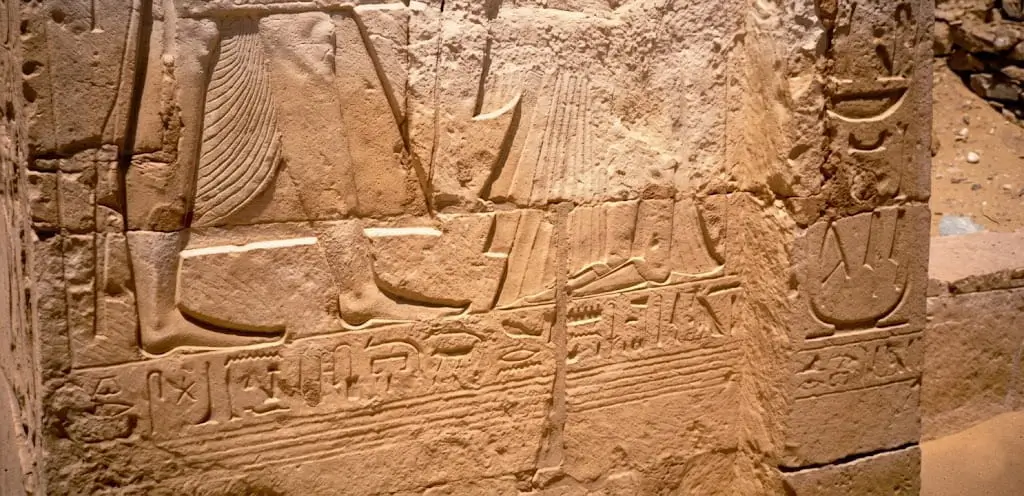
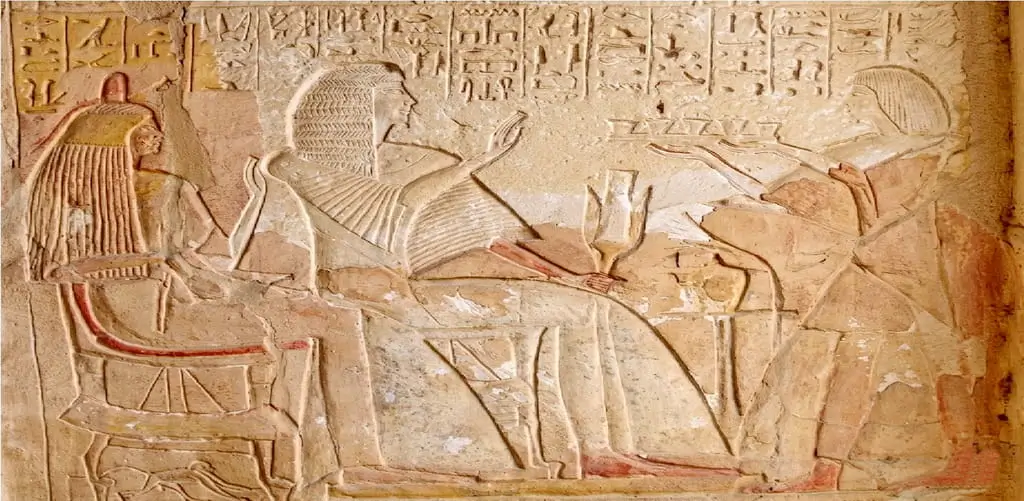
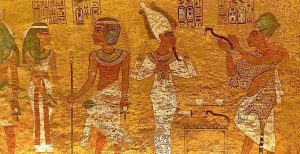
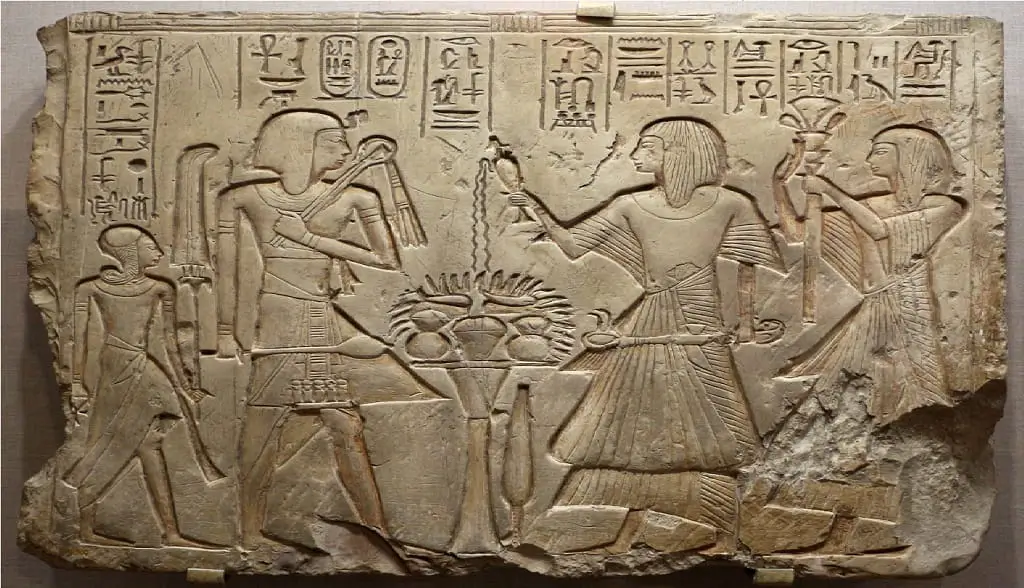
Notably, the tomb walls feature reliefs of Queen Tuya, the mother of Ramesses II, and Princess Tia. These depictions are crucial for historians. Since they show the Queen Mother interacting with her daughter and son-in-law, they provide rare evidence of the domestic and religious life of the Ramesside royal family outside of the formal palace setting.

Titles of the Husband Tia

While the Princess provided the royal link, her husband held titles that proved his personal merit. His role as “Fan-bearer on the King’s Right Hand” placed him in the immediate inner circle of Ramesses II. Consequently, the tomb acts as a physical representation of the “New Kingdom Elite”—a class of people who were neither fully royal nor commoners, but who held the true power of the state.

The Architecture: A Temple in Miniature

The Tomb of Tia and Tia follows the “Temple-Tomb” style. It sits directly next to the famous tomb of Horemheb. This location was a deliberate choice. It placed the couple near the greatest figures of the previous dynasty.

The Pylon and First Courtyard

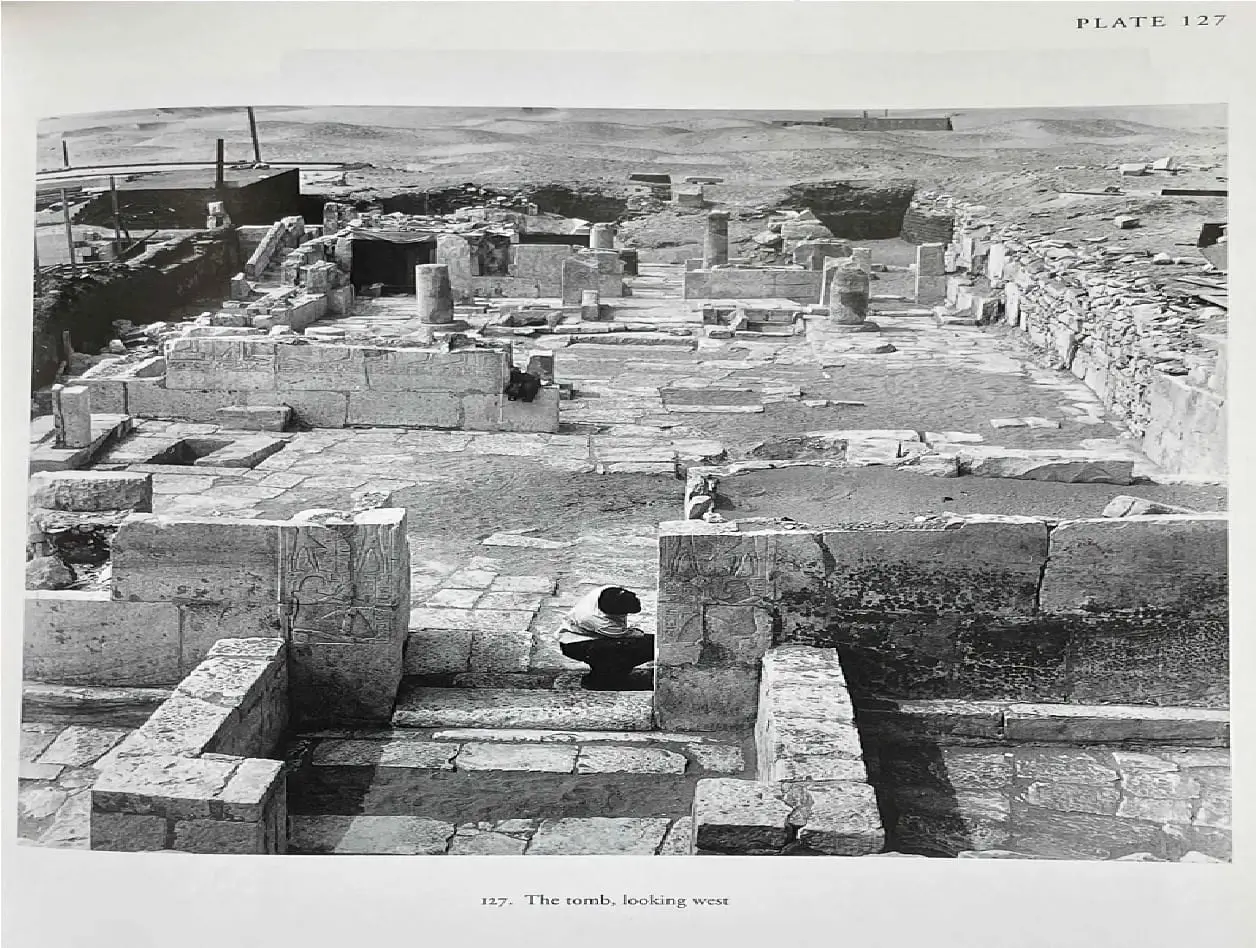
Visitors first encounter a massive mudbrick pylon. This gateway stood as a grand entrance. It led into a large open courtyard. Originally, fine limestone slabs lined these walls. These slabs showcased the couple’s high status.

The Second Courtyard and Sanctuary

Beyond the first court lies a second, smaller courtyard. This area served a more private religious purpose. It leads directly to the cult chapels. Here, priests performed daily rituals. They offered food and prayer to the spirits of the two Tias.

FUN

The Pyramid: A Royal Signature

The Tomb of Tia and Tia at Saqqara The Royal Sister of Ramesses II

The most striking feature of this tomb is the pyramid. A small stone pyramid stood at the rear of the structure. It sat directly above the main sanctuary.

Symbolism of the Shape

In the New Kingdom, private individuals often added pyramids to their tombs. This shape symbolized the sun god, Ra. It also connected the deceased to the concept of resurrection.

The Pyramidion

A carved capstone, or pyramidion, once sat at the very top. Archaeologists recovered this piece during excavations. It features beautiful reliefs of Tia adoring the sun. This artifact is now a key piece in the Cairo Museum. It proves the high level of craftsmanship available to the royal family.

The Tomb of Tia and Tia: The Subterranean World

The burial chambers lie deep underground. A vertical shaft in the courtyard leads down to them.

The Burial Chamber

The main chamber is carved into the bedrock. Unlike the bright reliefs above, this area was for the dead alone. It once held the couple’s heavy stone sarcophagi.

Protection and Design

The builders designed these rooms to be secure. They used heavy stone lids to deter tomb robbers. Unfortunately, thieves reached the burial anyway. They took the precious jewelry and amulets. However, the wall inscriptions survived. These texts tell us exactly who was buried there.

The Catacombs of Kom Esh-Shokafa: Roman-Egyptian Underworld

Descend into one of the "Seven Wonders of the Middle Ages" at the Catacombs of...
Related post
FUN

Artistic Mastery: The Ramesside Style

Artistic Mastery The Ramesside Style

The art in this tomb represents the peak of the 19th Dynasty. It is different from the tomb of Maya. The lines are bolder. The figures are more stylized.

Detailed Reliefs

The reliefs show Tia and Tia together. They often stand before the gods of the underworld. The artists paid great attention to their clothing. You can see the fine pleats in their linen robes. You can also see their elaborate wigs.

Color and Preservation

Some sections still hold their original color. The blues and reds remain visible on the limestone. These colors bring the ancient scenes to life. They show the vibrancy of a royal funeral in Saqqara.

The Daily Life of a Royal Treasurer

Tia the husband held one of the most stressful jobs in Egypt. He managed the “Treasury of the Lord of the Two Lands.” This was not just a title. It was a massive responsibility.

Managing the Empire’s Wealth

Tia oversaw the collection of taxes. These taxes came in the form of grain, cattle, and precious metals. He monitored the state granaries. These buildings held the food supply for the entire nation. If the harvest failed, the burden fell on Tia to manage the reserves.

Supervision of Trade

He also managed foreign trade. Ships arrived from the Levant and Punt. They brought cedar, incense, and gold. Tia ensured every item was weighed and recorded. He used a vast team of scribes to track these assets.

Life at the Royal Court

Living as a royal brother-in-law meant constant public appearances. The couple lived in Memphis but traveled often to the new city of Pi-Ramesses.

The Role of the Princess

Princess Tia was not just a figurehead. As a “Songstress of Amun,” she led temple rituals. She spent her days in the cool halls of the Temple of Ptah. She played the sistrum during sacred ceremonies. Her presence linked the royal family to the divine.

Social Status and Luxury

The couple lived in a sprawling villa. They enjoyed the finest luxuries of the 19th Dynasty. Their home featured lush gardens and private pools. They ate a diet of honey, waterfowl, and imported wines. Their clothing used the finest Egyptian linen, often dyed with expensive pigments.

The Tomb of Merefnebef at Saqqara: A Complete Guide to the Vizier’s Masterpiece

The Tomb of Merefnebef (Fefi) is a masterclass in Sixth Dynasty funerary art and architecture....
Related post
FUN

Tomb of Tia and Tia: The Professional Partnership

Tomb of Tia and Tia; The Professional Partnership

The two Tias worked as a team. The husband managed the silver, while the wife managed the social influence.

Interaction with Ramesses II

The husband Tia met with the King regularly. He provided reports on the cost of the King’s wars. He also funded the construction of the Ramesseum. Because he married into the family, the King trusted him deeply. This trust gave the couple immense power in the royal court.

The Household Administration

Even their private household was a business. They owned large estates and many servants. Tia the husband applied his treasury skills to his own land. He ensured his family remained the wealthiest in Saqqara.

The Religious Duty

Daily life was deeply religious. The couple spent hours each day in prayer. They prepared for the afterlife long before they died.

Building the Tomb

Construction on their Saqqara tomb lasted for years. Tia visited the site often. He inspected the progress of the stonemasons. He chose the specific scenes for the walls. This project was his final duty to his wife and himself.

Festive Celebrations

They participated in the “Beautiful Feast of the Valley.” They joined grand processions across the Nile. These events were both religious and social. They allowed the couple to show their loyalty to the gods and the Pharaoh.

The 1982 Rediscovery: Rising from the Dust

The story of the Tomb of Tia and Tia took a dramatic turn in the late 20th century. For centuries, the desert sands of Saqqara kept the monument hidden. It sat just meters away from the tomb of the famous General Horemheb.

The Anglo-Dutch Mission

In 1982, an international team arrived at the site. This was a joint mission between the Egypt Exploration Society and the Rijksmuseum van Oudheden. The mission was led by the renowned archaeologist Dr. Geoffrey Martin. They were originally clearing the area around Horemheb’s monument. They did not expect to find a royal sister’s tomb so close by.

The Moment of Discovery

As the team removed the heavy drifts of sand, they struck mudbrick walls. Then, they found the limestone pylon. The quality of the carvings immediately signaled a royal connection. When they read the names “Tia” and “Tia” on the doorjambs, they knew they had found something extraordinary.

A Puzzle of Broken Stone

The excavation was not easy. The tomb had suffered greatly over time. Ancient tomb robbers had broken into the burial shafts. Later, people used the site as a quarry for building stone.

Finding the Pyramidion

During the dig, the team found a significant piece of stone. It was the pyramidion that once capped the tomb’s small pyramid. This discovery was a breakthrough. It confirmed that the tomb featured a pyramid, a privilege usually kept for the highest elite. The stone showed Tia praying to the gods, a classic scene of the Ramesside era.

Reassembling the Reliefs

Many of the wall reliefs were in fragments. The archaeologists spent months piecing them back together. They found scenes of the couple’s family. Most importantly, they found the rare depictions of Queen Tuya. These fragments helped historians reconstruct the 19th Dynasty family tree.

Valley of the Kings: Descend into the Pharaohs’ Golden Afterlife

Descend into the world's most famous burial ground, the Valley of the Kings. This is...
Related post
FUN

The Final Mystery: Where is Tia?

The Final Mystery; Where is Tia

Despite finding the tomb, the bodies of the couple were missing. This is common in the necropolis of Saqqara.

Looting in Antiquity

Thieves entered the tomb thousands of years ago. They searched for gold and precious amulets. In the process, they destroyed the mummies. The team found only small fragments of funerary equipment. They found broken shabti figures and pieces of the sarcophagi.

The Missing Sarcophagus

Curiously, a sarcophagus belonging to Tia (the husband) was found elsewhere. It was discovered in a different part of Egypt years earlier. This suggests that the tomb might have been reused. Or, perhaps, parts of the burial equipment were moved for safety. This mystery continues to fascinate researchers today.

The Legacy of the Two Tias

The Tomb of Tia and Tia is a bridge between the world of the living and the world of the Pharaohs. It shows that even the sister of the great Ramesses II chose to rest in Saqqara.

Ultimately, this monument proves the importance of Memphis in the 19th Dynasty. It serves as a masterpiece of Ramesside art. It also tells a story of a unique partnership. Two people, shared by name and by blood, built a golden eternity in the sand.

Today, visitors can walk through the restored courtyards. They can see the same reliefs that Geoffrey Martin uncovered in 1982. The names of Tia and Tia remain etched in stone, exactly as they intended over 3,000 years ago.

Sailing across a series of one-kind temples & tombs....
The best tour in Egypt of a 7-day duration....
God_Anubis_Icon
A Royal Commission The History of Al-Rifa'i Mosque

Highly recommended

Salam, This company is very responsive and accommodating. From the moment we started to chat via email, to the moment we left Egypt at the airport, these fellows were very professional. The tour covered most of what we wanted to see! We customized it to our needs and added some

More »

Valley of the Kings, Hepchepsut

I never had a more positive experience and educational time than this tours. Learning about a variety of kings and queens was amazing! The tour guide was super nice and helped me and my friend every step of the way! Including bargaining for a few souvenirs! I will never forget

More »

Great layover tour

First things first…I was in Cairo about a week before the protests of 2011 started. As far as the tour was concerned, I was very pleased. I was met at the airport by a knowledgeable guide (Sara) who spoke great English and a driver. They took me to Giza first,

More »

Cairo Day Trip

Great trip organised. I had a 12-hour layover in Cairo and had a great time with Sherif, who answered every question I had on ancient Egypt. Highly recommend.

More »
God_Anubis_Icon

Top-rated Tour Packages

God_Anubis_Icon