The Museum of Islamic Art (MIA) in Cairo is widely regarded as one of the world’s greatest museums, housing an unparalleled collection of artifacts that span the entirety of the Islamic world—from Al-Andalus and North Africa to Central Asia and China. Located in the heart of historic Cairo, this institution is not just a museum but a testament to the scientific, artistic, and cultural heights of Islamic civilization.
A Legacy of Preservation
The museum was established in 1881 and moved to its current neo-Mamluk building in Bab al-Khalq in 1903. Over the decades, it has survived challenges, including a major restoration following a nearby explosion in 2014, and has emerged more vibrant and technologically advanced than ever. Today, it showcases over 100,000 artifacts, with roughly 4,500 on permanent display.
Navigating the Collections
The museum is organized both chronologically (by era) and thematically (by subject), allowing visitors to see how art and science evolved across different dynasties, including the Umayyad, Abbasid, Fatimid, Ayyubid, Mamluk, and Ottoman periods.
1. The Masterpieces of Craftsmanship
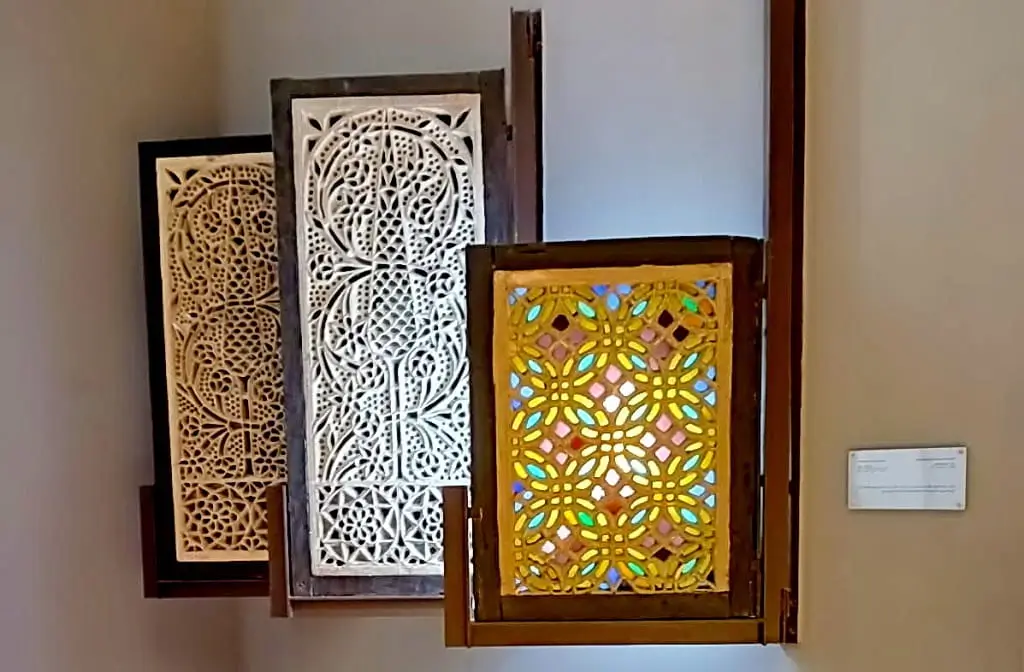
- Woodwork & Joinery: One of the museum’s strongest suits. Look for the intricately carved Fatimid wooden panels and Mamluk “mashrabiya” screens.
- Ceramics & Pottery: From lusterware that shines like metal to the iconic blue-and-white tiles of Iznik, the collection shows the mastery of kilns across centuries.
- Metalwork: Incredible displays of inlaid brass and silver, including astronomical tools like astrolabes, which demonstrate the Islamic world’s contributions to navigation and science.
2. The Art of the Book
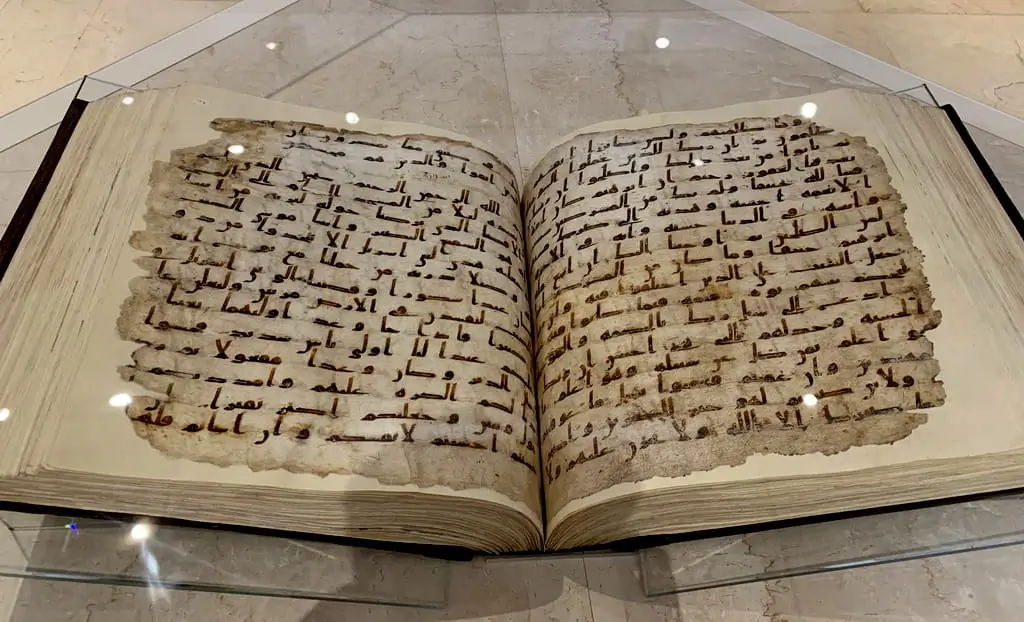
The MIA holds some of the world’s rarest illuminated manuscripts and Qurans. The calligraphy sections showcase the transition from early Kufic script to the flowing Naskh and Thuluth styles, decorated with real gold leaf and vibrant lapis lazuli pigments.
3. Science and Medicine
Islamic scholars were pioneers in medicine and engineering. The museum displays surgical instruments, apothecary jars, and complex water clocks, highlighting the era’s intellectual curiosity.
Top 5 “Must-See” Highlights
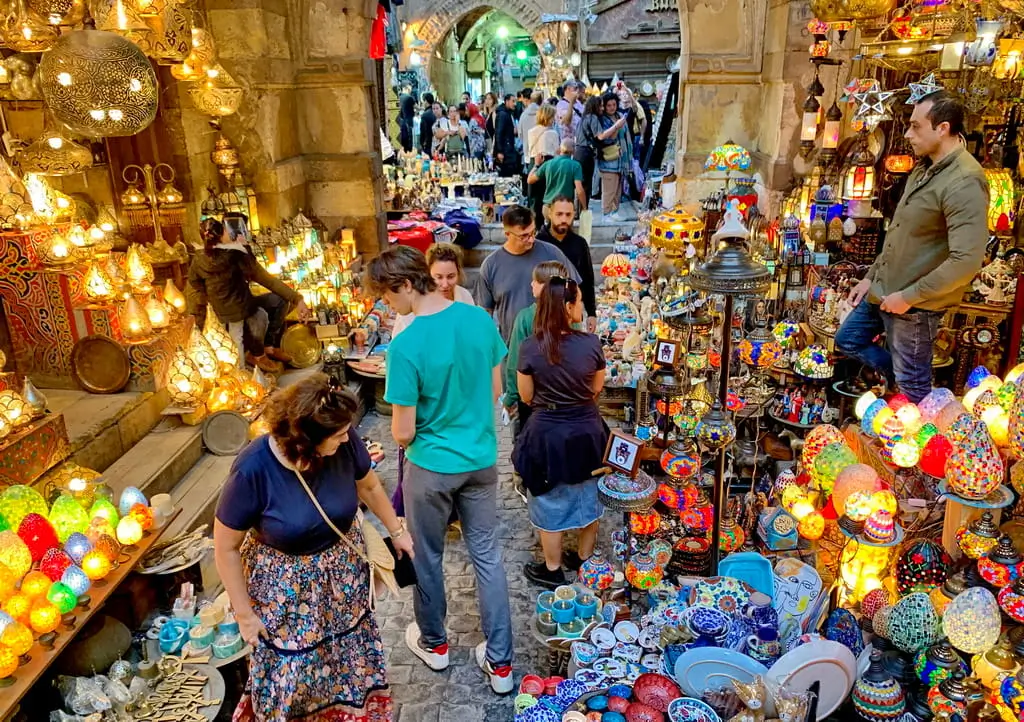
- The Mamluk Lanterns: Stunning glass lamps decorated with enamel and gold, originally hung in the Great Mosques of Cairo.
- The Rare Quranic Manuscripts: Including early parchments written without dots or vowel marks.
- The Ottoman Armour: Intricately decorated helmets and shields that were as much pieces of art as they were protection.
- The Key to the Kaaba: A highly significant religious artifact from the Mamluk era.
- The Fountain Garden: The central courtyard features a beautiful marble fountain that reflects the tranquil architectural style of Islamic palaces.
Visitor Information (2026 Update)
| Feature | Detail |
| Location | Port Said Street, Bab al-Khalq, Historic Cairo. |
| Opening Hours | Daily: 9:00 AM – 5:00 PM (Friday: 9:00 AM – 11:30 AM & 1:30 PM – 5:00 PM). |
| Average Visit | 2 to 3 hours. |
| Facilities | Gift shop, cafe, and multilingual audio guides available. |
Ticket Pricing:
- Foreign Adults: ~240 EGP
- Foreign Students: ~120 EGP (with a valid ISIC card)