Pompey’s Pillar

Pompey’s Pillar

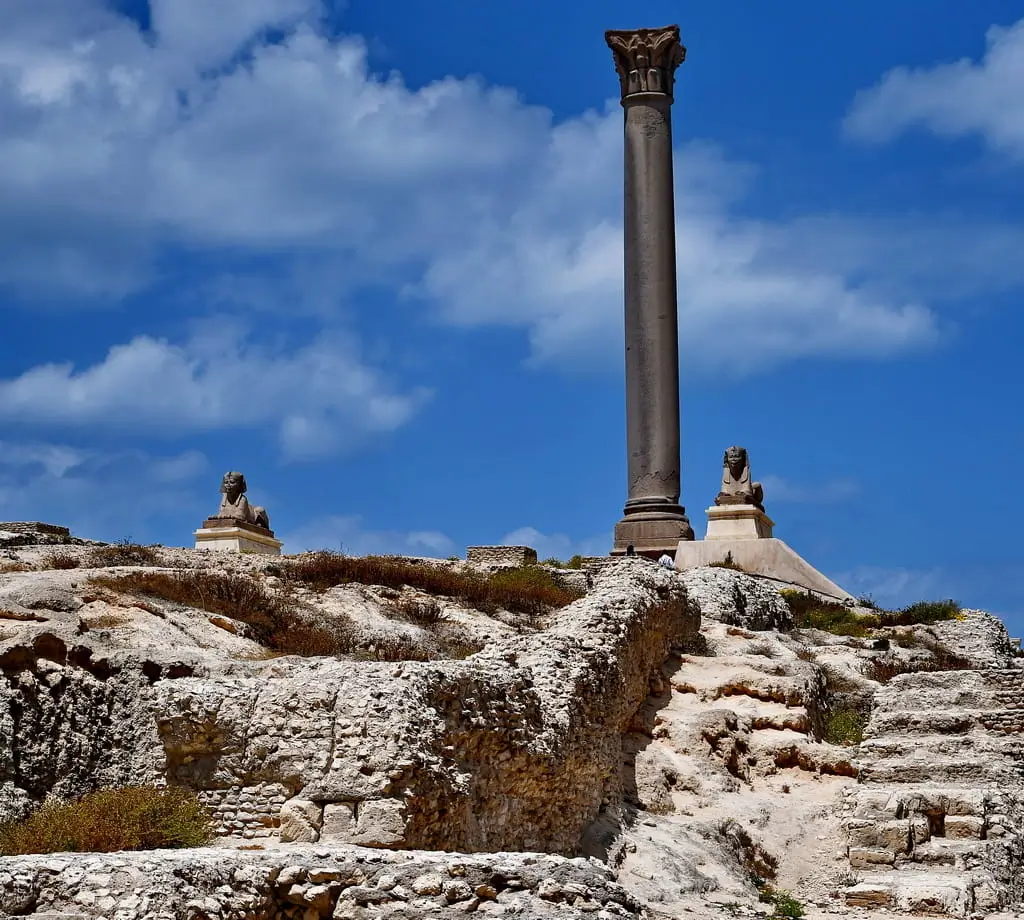
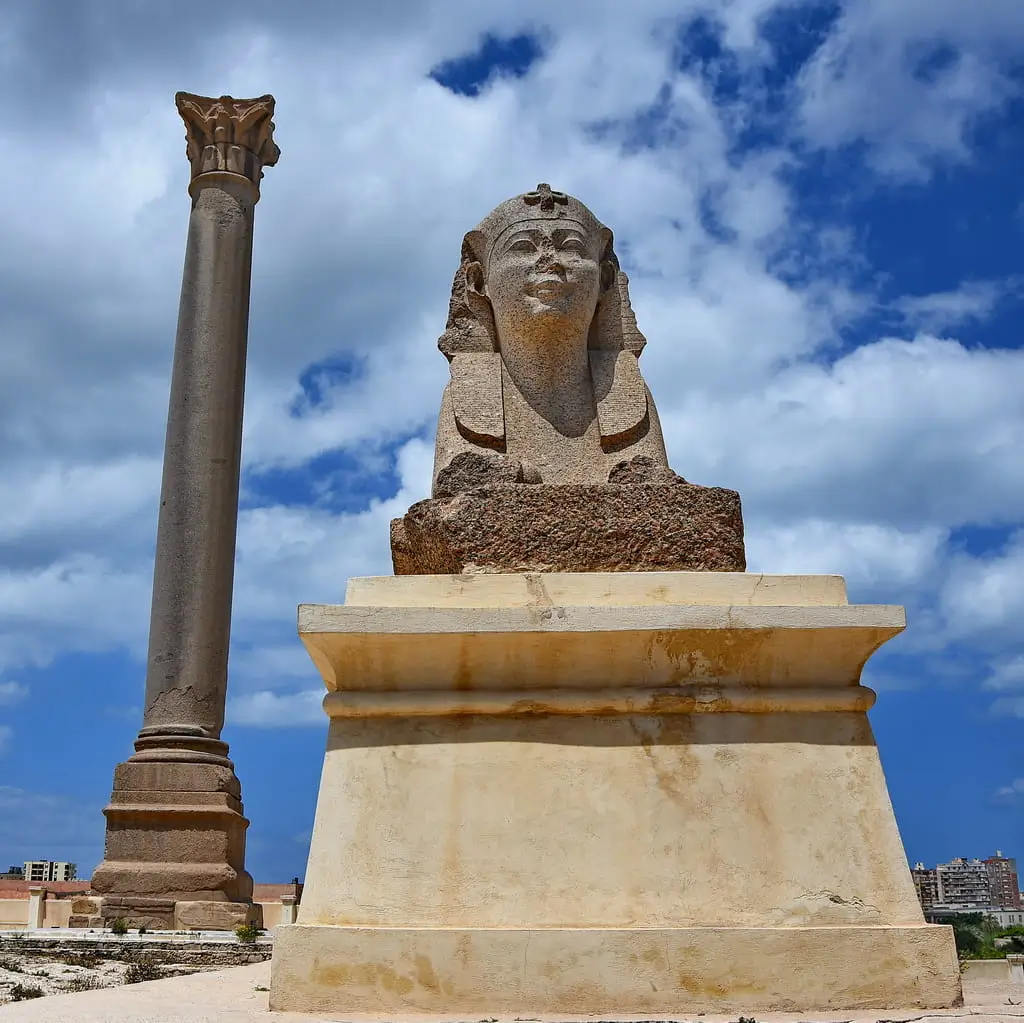
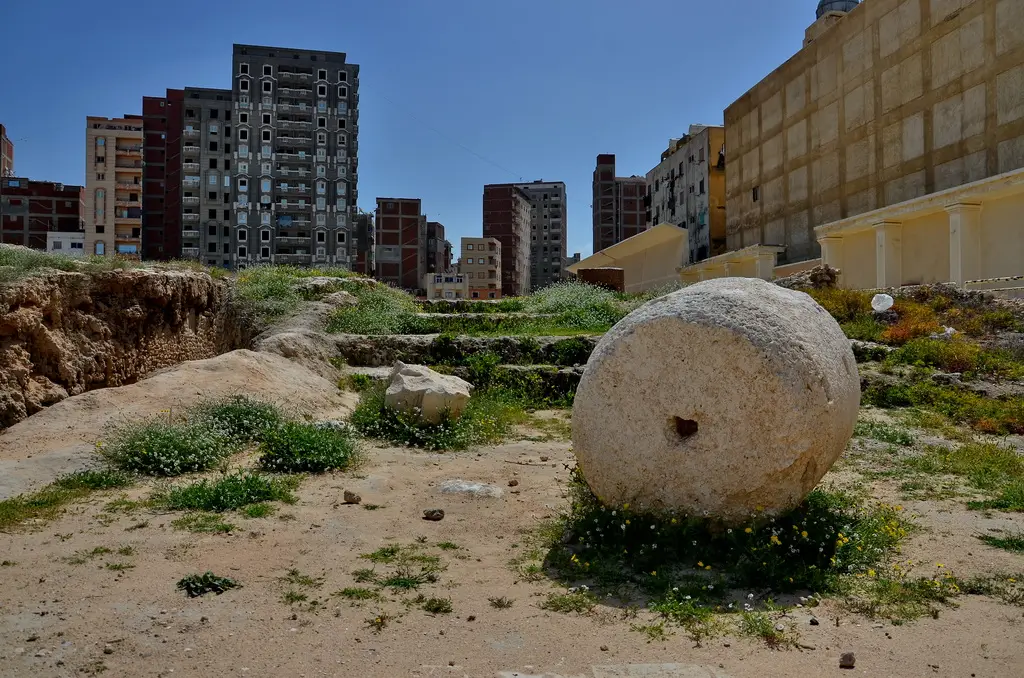
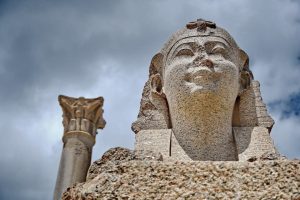
The pillar is considered the largest ancient monument in Alexandria. It is rising from the ruins of the ancient and famous secretion (temple of Serapis). This column of red Aswan granite with a Corinthian capital, standing on a badly ruined substructure, rises to a height of almost 28 m.

Pompey’s Pillar: A Monument to History in Alexandria

Nestled in the heart of Alexandria, Egypt, Pompey’s Pillar stands as a testament to ancient architecture’s grandeur. It is a symbol of the city’s rich historical tapestry. This impressive monument is often overlooked by tourists. They tend to focus on Alexandria’s more famous landmarks. However, it offers a unique glimpse into the past. It reflects the cultural and political dynamics of its time.

A Brief History

In AD 297, Egyptian people constructed Pompey’s Pillar to honor Roman Emperor Diocletian, celebrating his role in restoring stability to the Roman Empire. Despite its name, the pillar has no direct connection to Pompey the Great, the Roman general Julius Caesar defeated. People believe the name originated from a misunderstanding; they thought a nearby tomb belonged to Pompey, but it actually belonged to a different figure.

The pillar stands at an impressive height of 26.85 meters (about 88 feet). Workers made it from red Aswan granite, and it weighs approximately 285 tons. Its construction showcased the advanced engineering techniques of the time. A Corinthian capital tops the pillar, and intricate carvings adorn it, highlighting the artistry of ancient craftsmen.

Architectural Significance

Pompey’s Pillar is not only remarkable for its height but also for its architectural details. The base of the pillar is adorned with inscriptions in both Greek and Latin, celebrating the achievements of the emperor. The pillar itself is a prime example of Roman engineering, designed to withstand the test of time. Indeed, the use of granite and the precision of its construction have allowed it to endure centuries of natural elements and human activity.

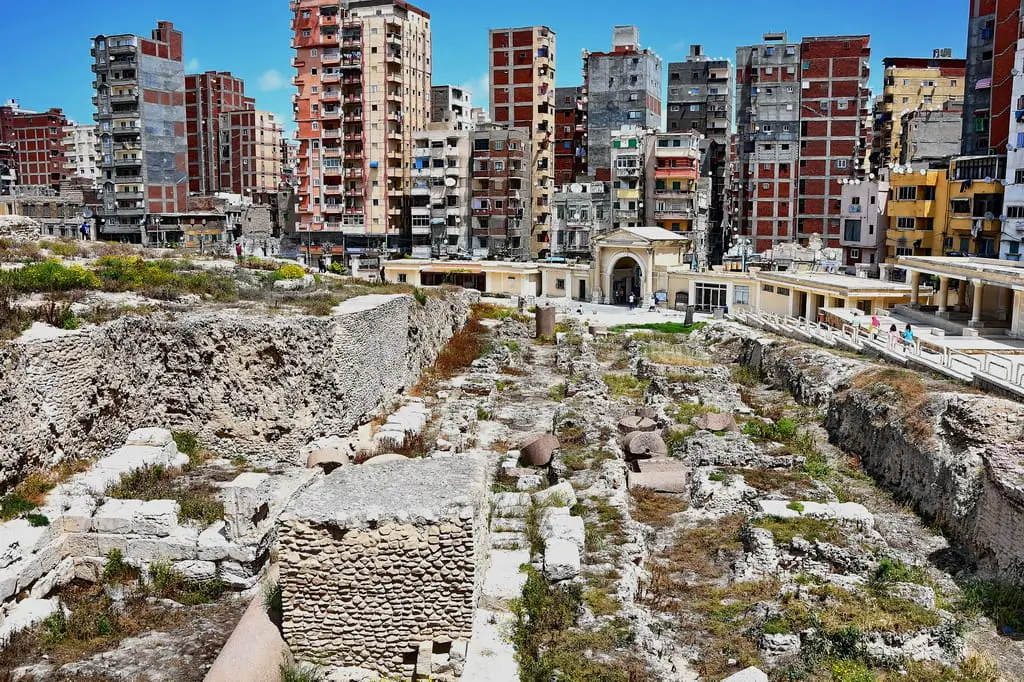
Meanwhile, surrounding the pillar are remnants of the ancient Serapeum, a temple dedicated to the Greco-Egyptian god Serapis. This complex was once a significant religious site, and it housed a library that rivaled the famous Library of Alexandria. However, although much of the Serapeum has been lost to time, the area remains a site of archaeological interest, with ongoing excavations revealing more about Alexandria’s storied past.

Cultural Impact

Pompey’s Pillar has served as a focal point for various historical narratives, ranging from Roman conquests to the spread of Christianity in Egypt. For instance, during the Byzantine period, the pillar became a Christian symbol, marking the transition of power and belief in the region. Consequently, today, it stands as a reminder of the city’s multicultural heritage, reflecting the various civilizations that have left their mark on Alexandria.

As a result, the site attracts visitors from around the world, eager to witness the grandeur of this ancient monument. Its significance extends beyond tourism; indeed, it serves as a vital piece of the puzzle in understanding the historical evolution of Alexandria and its role in the Mediterranean world.

The essence of Alexandria

Pompey’s Pillar is more than just a towering column. It’s a monument that encapsulates Alexandria’s rich history. If you’re an archaeology enthusiast, a history buff, or just a curious traveler, this remarkable site offers a chance to connect with the ancient world. Standing before the pillar, you can’t help but feel the weight of history. You’ll sense the stories that unfolded in the shadows of this magnificent structure. In an ever-changing world, Pompey’s Pillar remains a steadfast reminder of human achievement and cultural exchange.

Useful links:

  1. Guide for wise tipping in Egypt
  2. Egypt Fun Tours blog
  3. Check out Egypt Travel Guide the largest travel guide in the world
FUN
FUN
FUN
FUN
FUN
4 Days Luxor Tour Package Including Dendera and Abydos...
Marvel at the wonders of ancient and modern Egypt....

Amazing layover Tour

We had 12 hour layover in Cairo, and our guide Hani waited patiently for us when we had a few visa issues entering the country! We got on our tour, and had the best experience ever! We saw the pyramids, the sphinx, Islamic Cairo and rode through the city! We

More »

Transit Stopover in Cairo

We have just returned from a two week holiday in Cape Town. On the way out our airline schedule meant that we had a 15 hour stop in Cairo. We decided to arrange a tour of the city and after asking for quotes/itineraries we chose Egypt Fun Tours. This worked

More »
Souqs and Markets in Egypt - Egypt Fun Tours

Cairo walking tours

After a rocky start (the driver had been in an accident on his way to pick me up,) the company very quickly sent another driver/guide named Mohammed, who was a real pro. Thoroughly enjoyed my first day in Egypt!

More »

Amazing one day tour

Fantastic tour. We were picked up at the airport early in the morning (6 am), and were dropped off in the evening after discovering amazing Cairo. The guide was knowledgeable and took us to many hidden places, which we wouldn’t have found without him. Thank you!

More »

11 Wonderful Hours in Cairo

I had an 11 hour layover in Cairo, and it couldn’t have been better spent than with Manal from Egypt Fun Tours. I was able to adjust my tour once we left the airport and Manal had some really great suggestions when I told her what it was I wanted

More »
Isis with wings

Top-rated Tour Packages

Isis with wings