The Practical Genius of the Coffin Texts
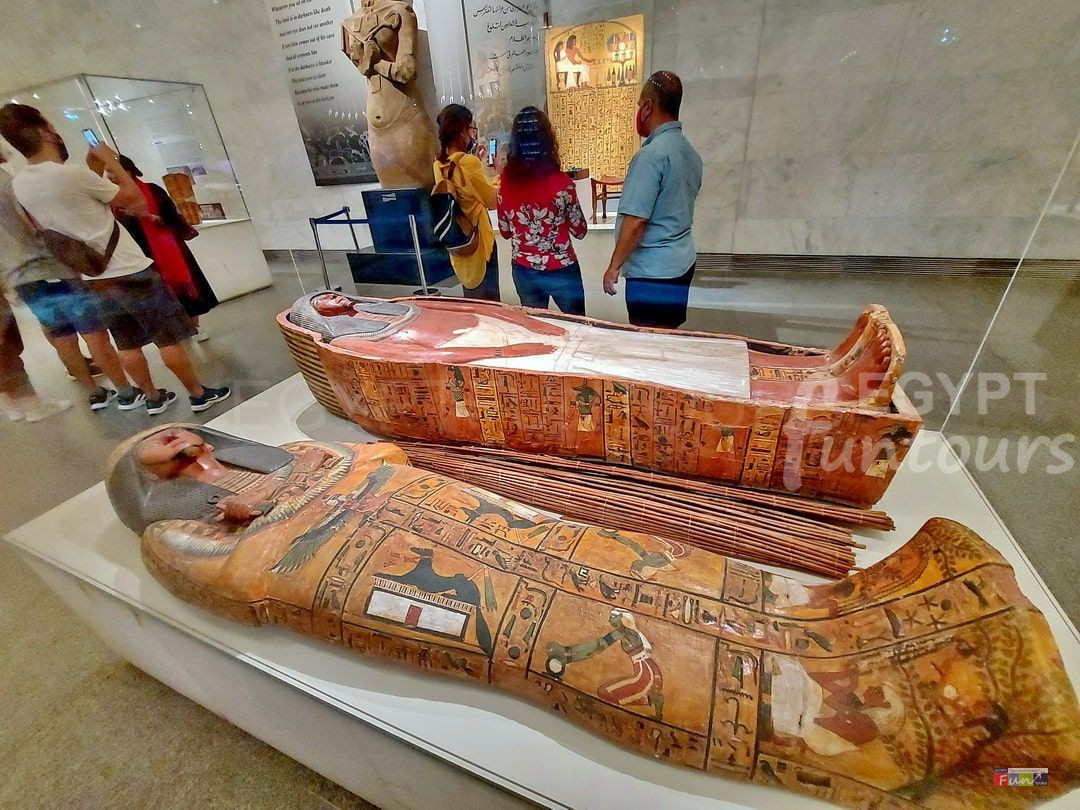
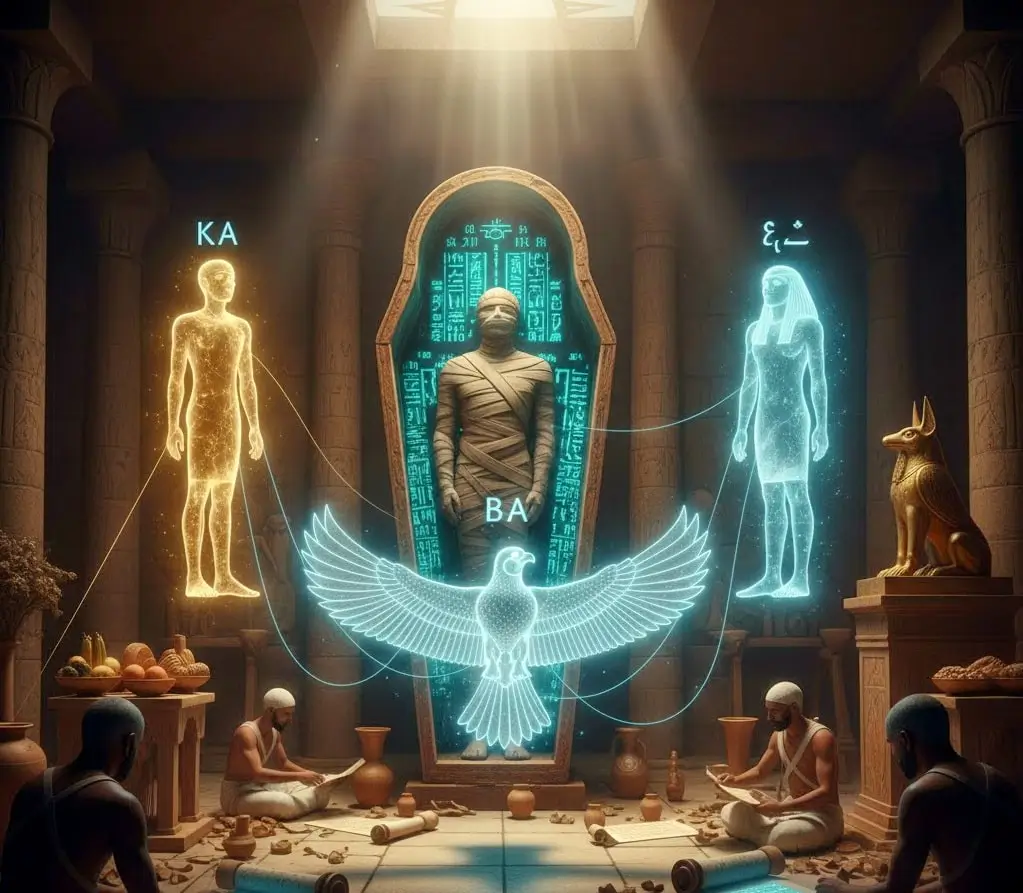
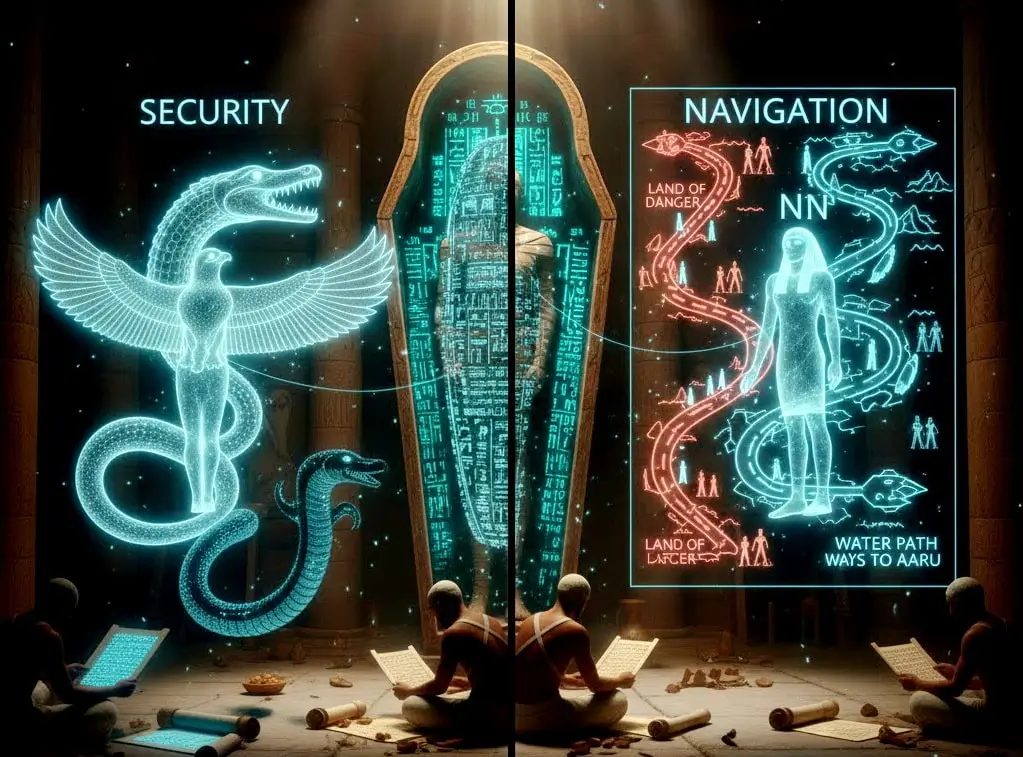
The Coffin Texts are far more than a collection of esoteric spells; they are the intellectual and logistical foundation of one of the world’s most enduring belief systems. Driven by the logic of a decentralized political era, the ancient Egyptians successfully democratized immortality. They created a comprehensive user manual—a portable operating system—that defined the mechanical requirements for the soul’s successful return. The texts systematically clarified the purpose of the Ka and the Ba, provided necessary security measures through transformation spells, and offered the first complete navigational guide in the Book of Two Ways. These texts prove the Egyptian quest for the afterlife was not blind faith. Instead, they reflect practical, rational, and logical engineering, guaranteeing that anyone who could afford the instruction manual achieved the promise of resurrection.
❓ Frequently Asked Questions (FAQs)
Q1: What is the main difference between the Pyramid Texts and the Coffin Texts?
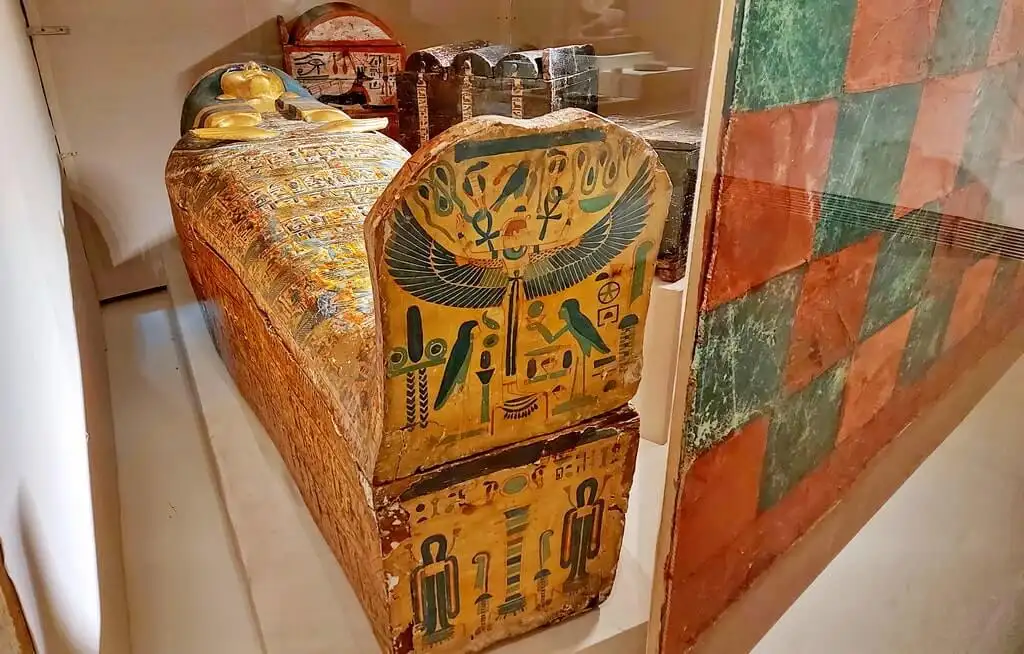
A: The difference is access and scale. The Pyramid Texts were exclusive, inscribed only on the walls of the Pharaoh’s burial chamber, ensuring his sole resurrection. The Coffin Texts marked the democratization of the afterlife. They were written on the inner panels of the coffins of wealthy officials, providing them with a personal, portable user manual for immortality.
Q2: Why did the Egyptians stop painting the spells on the coffin and switch to papyrus scrolls?
A: This was a logical, practical shift based on production efficiency. Inscribing thousands of spells onto a heavy wooden coffin was time-consuming and expensive. By writing the spells on papyrus scrolls (which became the Book of the Dead), the Egyptians could mass-produce the afterlife guide faster and more affordably, making the necessary resurrection instructions accessible to a wider population.
Q3: What were the Ka and Ba, and how did the Coffin Texts define them?
A: The Coffin Texts logically defined these as the two essential components needed for resurrection. The Ka is the sustaining life-force (like a spiritual power source) that requires funerary offerings to remain strong. The Ba is the mobile personality (often depicted as a bird) that was capable of leaving the tomb to seek out the sun and navigate the Duat. The texts provided the instructions necessary to manage and eventually reunite these two components with the body.
Q4: Was the Book of Two Ways a real map? What was its purpose?
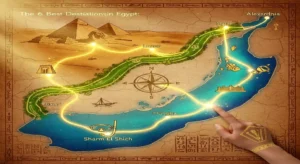
A: Yes, in a theological sense, it was the world’s first known illustrated map of the underworld (Duat). Its purpose was purely practical: to provide the deceased with navigational logic. The map detailed two paths—a dangerous land route and a safer water route—ensuring the deceased could actively choose the best route to achieve resurrection, rather than wandering.
Q5: Why did the Egyptians include transformation spells in the Coffin Texts?
A: The transformation spells served as essential security protocols for the afterlife. The Duat was considered a hostile environment. By transforming into powerful creatures (like crocodiles or falcons), the deceased could bypass dangerous guardians, travel undetected, or intimidate threats, guaranteeing their survival and successful completion of the journey.
Q6: How did the Coffin Texts influence later Egyptian beliefs?
A: The Coffin Texts formed the direct, logical foundation for all New Kingdom funerary beliefs. The core ideas—the definition of the soul, the concept of a map-based underworld journey, and the necessity of defense spells—were all selected, refined, and compiled into the famous Book of the Dead (Peret em Heru).