Temple of Gerf Hussein: The “House of Ptah” in Nubia
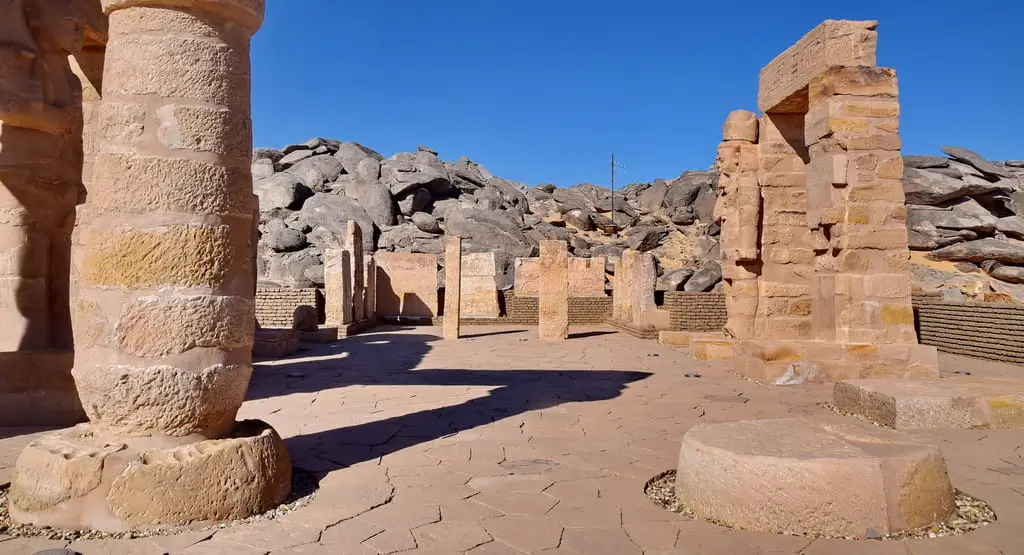
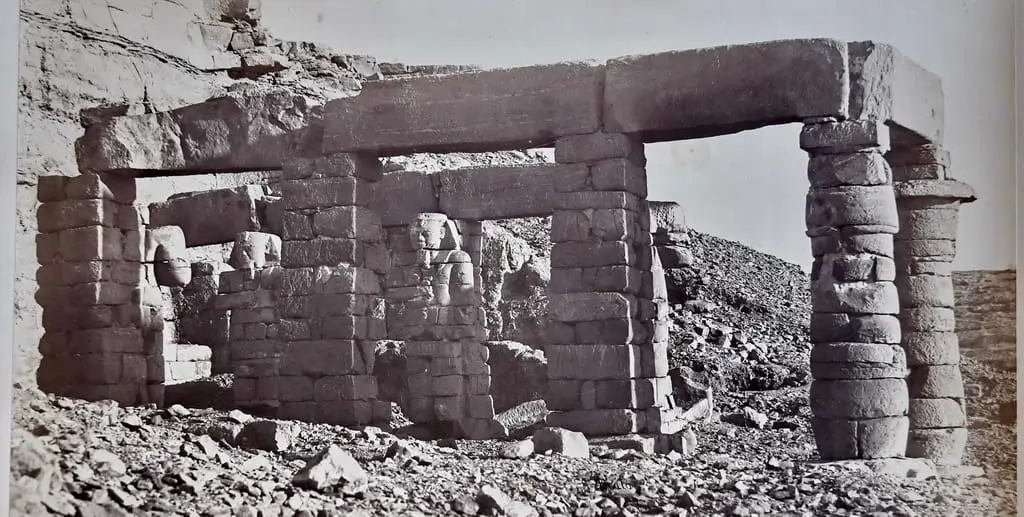
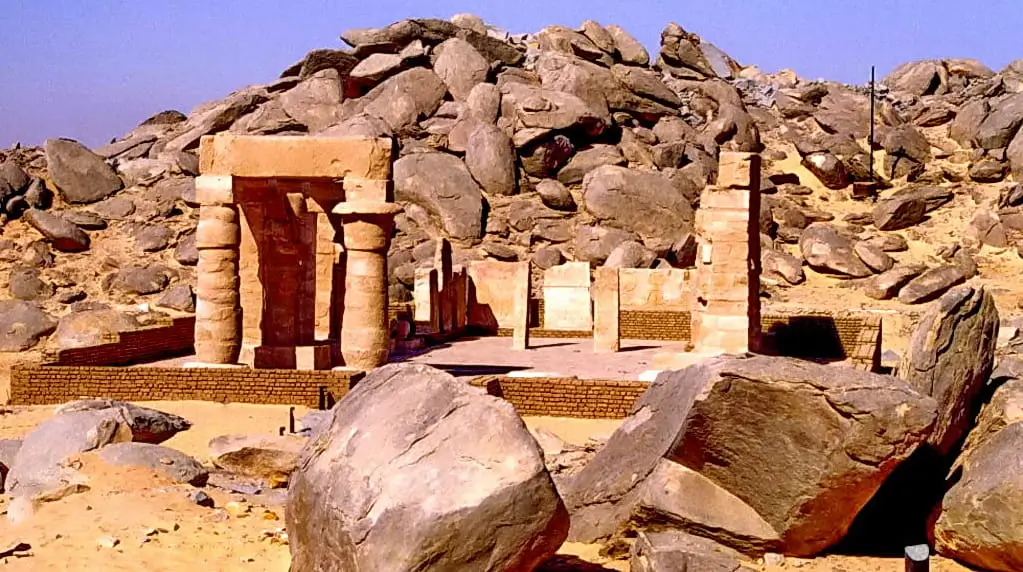
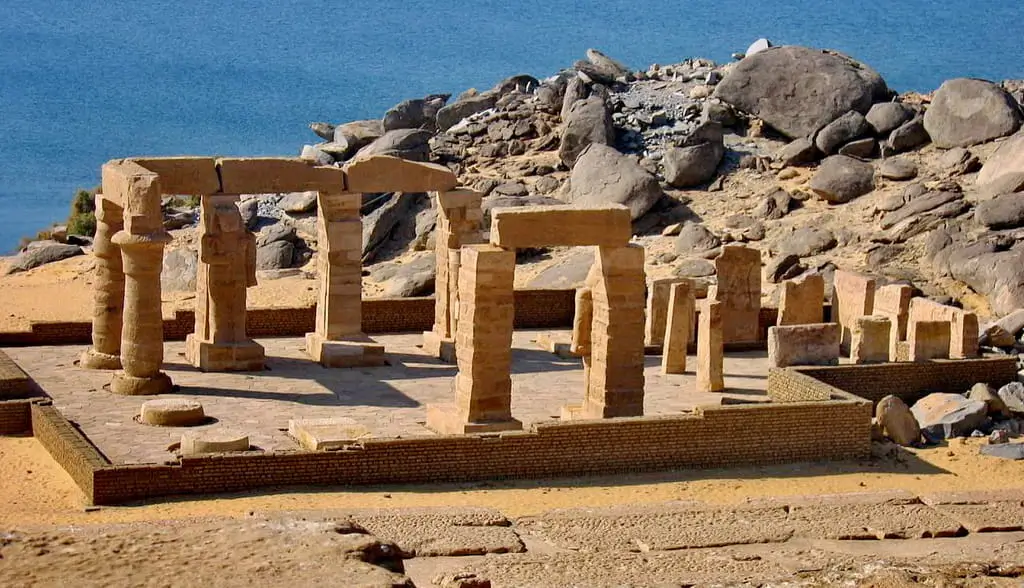
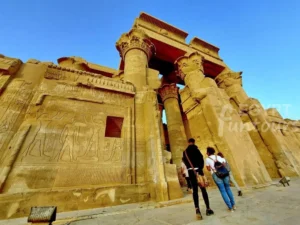
The Gerf Hussein temple rose from the rugged cliffs of Lower Nubia as a symbol of royal power. Ramesses II built this monument to honor himself and the creator god, Ptah. Originally, the Egyptians called this site Per-Ptah, or “The House of Ptah.” This structure represents a stunning example of “hemispheres” architecture. This specific style combines a masonry exterior with a deep, rock-cut interior. Consequently, the temple feels both like a traditional building and a mysterious cave carved into the living stone.
Power and Architecture in the New Kingdom
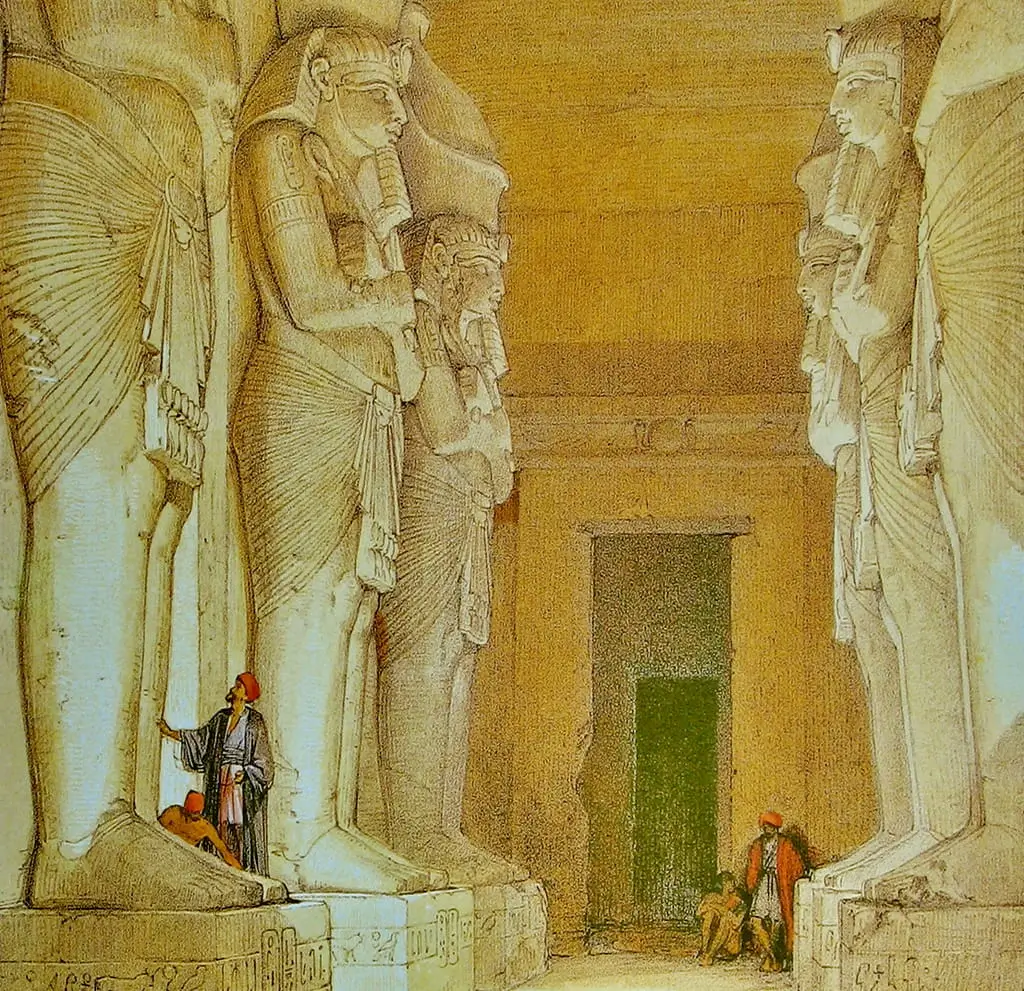
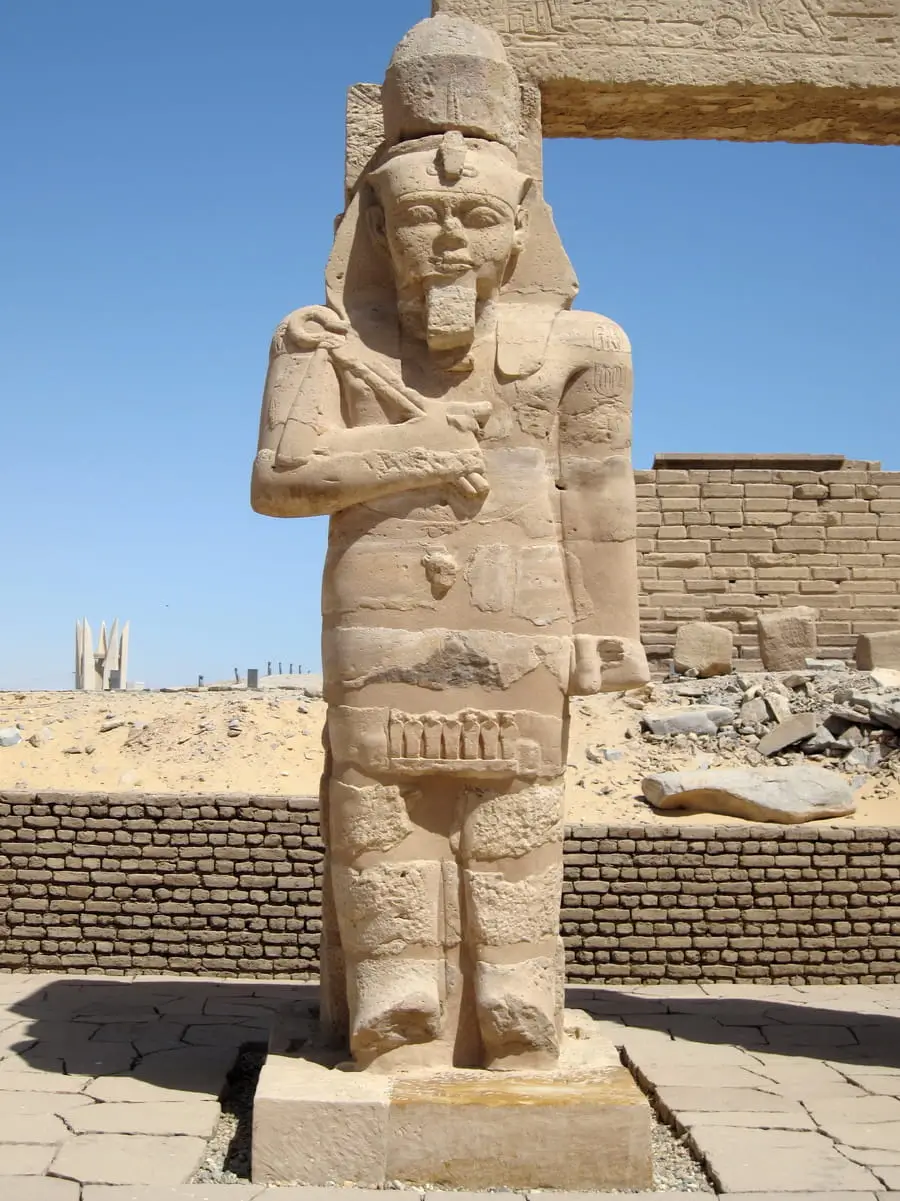
Setau, the Viceroy of Kush, supervised the construction during the 13th century BCE. He designed the temple to project the Pharaoh’s divine authority throughout the southern empire. Therefore, the temple served a political purpose as much as a religious one. While it shares traits with the famous Abu Simbel, Gerf Hussein features a unique “brutalist” aesthetic. The artists emphasized raw power and massive scale rather than delicate details. As a result, the colossal statues create an atmosphere of overwhelming strength.
Gerf Hussein Temple: The UNESCO Rescue Mission
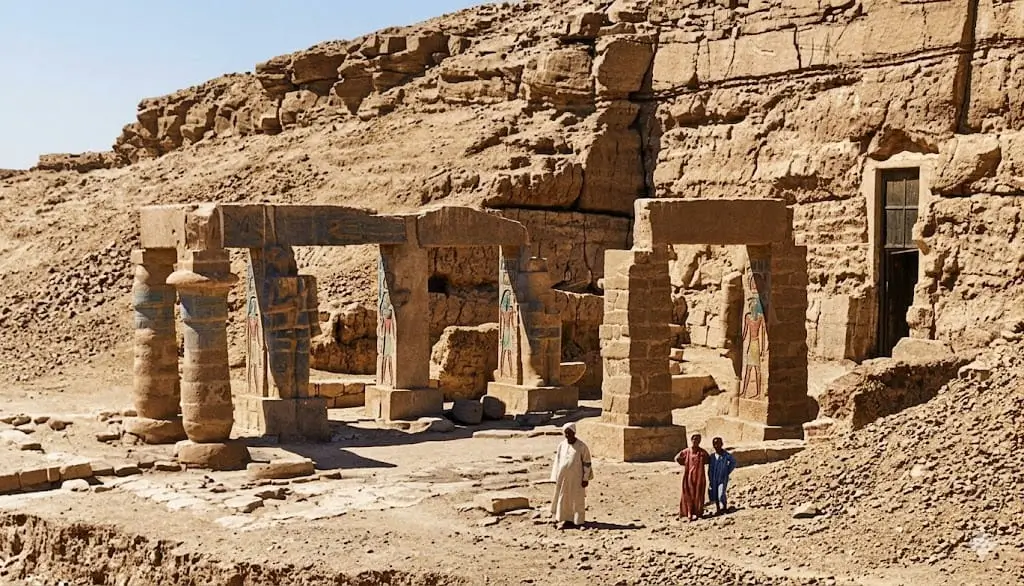
For centuries, the temple stood guard on the west bank of the Nile. However, the construction of the Aswan High Dam in the 20th century threatened its existence. The rising waters of Lake Nasser would have swallowed the entire site.
Fortunately, a heroic UNESCO-led mission saved the most vital sections. Workers dismantled the massive rock-cut halls and moved them to safety. Today, you can explore the temple at its new home on New Kalabsha Island. In this guide, we will analyze its history, art, and architectural layout.