The El-Kab Tombs: The Military Cradle of the New Kingdom

The El-Kab Tombs represent a critical archaeological archive that documents the very birth of the Egyptian New Kingdom. Because these rock-cut chambers housed the "Lords of El-Kab," they provide first-hand military and civic accounts that you cannot find in the royal monuments of the north. Furthermore, the site showcases a sophisticated procedure of artistic and religious evolution, featuring the earliest known depictions of war chariots and rare scenes of daily agricultural life. Consequently, visiting these cliffs allows you to witness the strategic and spiritual foundations of an empire guarded by the vulture goddess Nekhbet.

The story of the Egyptian Empire does not begin in the grand halls of Karnak, but within the rugged sandstone cliffs of El-Kab. Known in antiquity as Nekheb, this site served as a vital strategic stronghold that bridged the gap between the fragmented eras of the past and the glorious unification of the 18th Dynasty. While the Great Pyramids showcase the majesty of the Old Kingdom, the rock-cut tombs of El-Kab offer something far more visceral: a first-hand military archive of the men who fought to reclaim Egypt from foreign rule.

Stepping into these chambers, you move beyond mere mythology into the lived reality of ancient pioneers. Here, the vivid wall paintings and detailed autobiographies of commanders like Ahmose, son of Ebana, provide the earliest documentation of the tactics and technology—including the first recorded use of the war chariot—that would eventually turn Egypt into the world’s first true superpower. To walk through the El-Kab tombs is to witness the very procedure of an empire’s birth.
FUN

El-Kab Tombs: The Strategic Legacy of Ancient Nekheb

El-Kab Tombs The Strategic Legacy of Ancient Nekheb

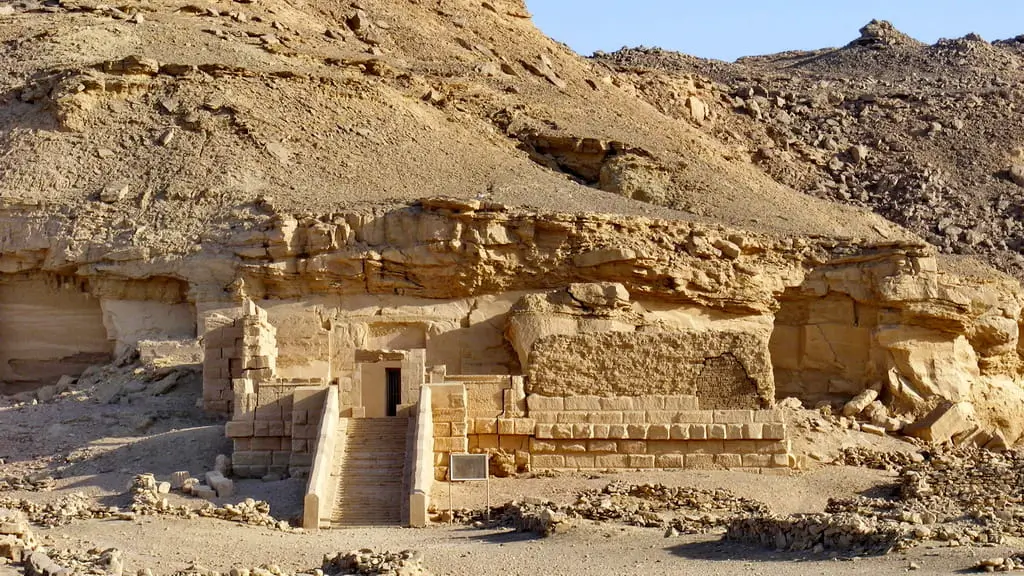
Before analyzing the individual chambers, it is essential to understand the unique geography that transformed this site into the military heart of a rising dynasty. El-Kab, known to the ancients as Nekheb, occupied a vital position on the eastern bank of the Nile. Furthermore, it sat directly across from its “twin city” of Nekhen, which helped it control the gateway to the gold mines of the Eastern Desert. Consequently, this specific location became a critical defensive point against incursions from the south during times of conflict.

The tombs carved into these cliffs represent a significant shift in the history of Egypt. Unlike the royal monuments found in the north, these rock-cut structures were commissioned by the local elite known as the “Lords of El-Kab”. Because these governors held immense power during the Second Intermediate Period, they became the most trusted allies of the Theban kings. As a result, the mayors and naval commanders of Nekheb played a central role in the successful campaign to finally expel the Hyksos.

This section of the necropolis serves as a historical bridge that showcases several critical developments:

  • The Transition of Power: First, it documents how local governors evolved into national military leaders who shaped the New Kingdom.
  • Technological Evolution: Additionally, it reveals the introduction of advanced weaponry and naval tactics used to siege northern strongholds.
  • The Vulture Goddess: Finally, it highlights the spiritual influence of Nekhbet, the protector of Upper Egypt, whose temple sanctified this ground.

By exploring these cliffs, we are not just looking at simple burial sites. On the contrary, we are analyzing the strategic blueprints of the men who designed the foundations of the New Kingdom.

FUN

El-Kab Tombs: Notable Tombs of the 18th Dynasty

El-Kab Tombs Notable Tombs of the 18th Dynasty

The early 18th Dynasty tombs at El-Kab are world-renowned for their historical depth and artistic preservation. While there are many burials in these cliffs, four specific chambers stand out as essential for understanding the transition into the New Kingdom. Consequently, these tombs provide a unique window into the personal lives of the men who built an empire.

El-Kab Tombs: The Tomb of Ahmose, Son of Ebana (EK5)

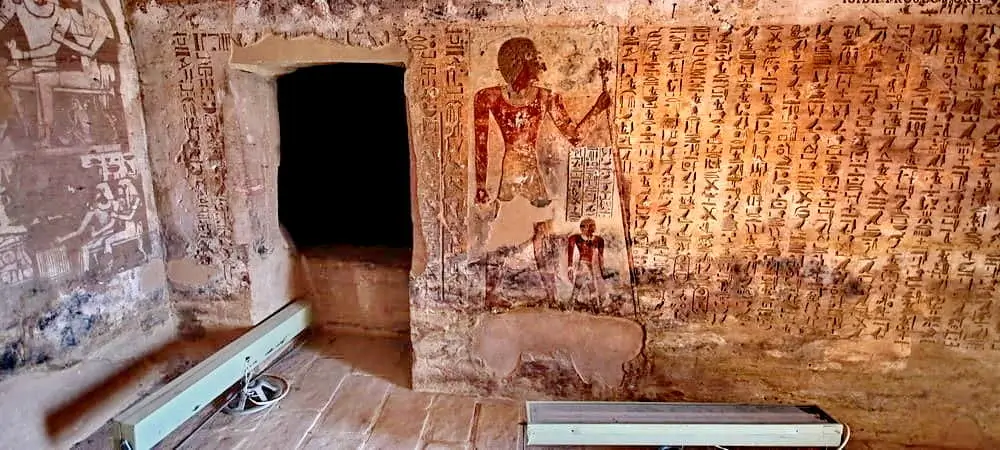
This is arguably the most significant private tomb in all of Egypt. Ahmose was not a king, but he was a legendary naval commander who served under three pharaohs. His tomb is famous because it contains a lengthy autobiography inscribed on the walls. Furthermore, this text is the only surviving detailed account of the military procedure used to defeat the Hyksos at their capital, Avaris.

  • Military Firsts: For instance, the hieroglyphs here provide the earliest known evidence of the war chariot in Egyptian history.
  • The Gold of Honor: Additionally, the inscriptions describe how Ahmose received the “Gold of Honor” four separate times for his bravery in battle.

El-Kab Tombs: The Tomb of Paheri (EK3)

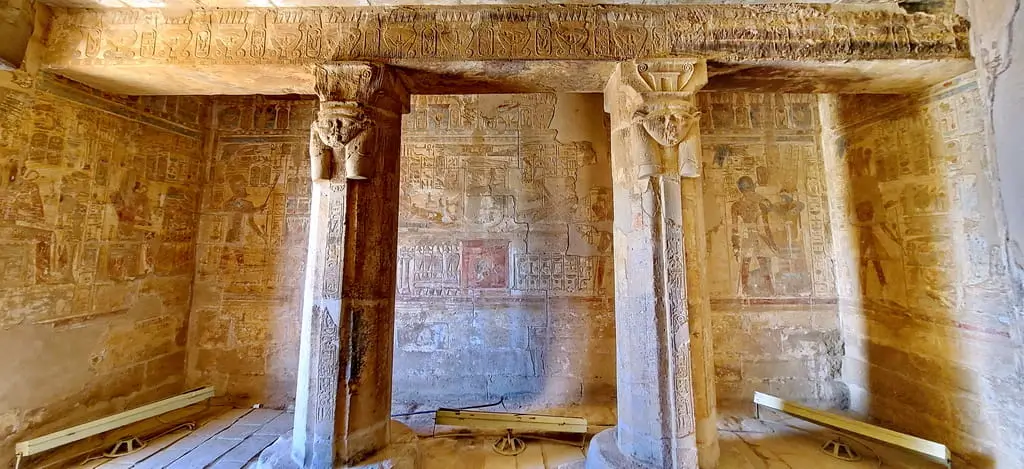
Paheri was the Mayor of Nekheb and the grandson of the famous commander Ahmose. Unlike his grandfather, Paheri chose to focus his tomb art on the beauty of daily life and civic duty. As a result, his tomb features some of the most vibrant and well-preserved paintings from the early 18th Dynasty.

  • Agricultural Cycles: Specifically, the walls show sequential scenes of plowing, sowing, and harvesting grain.
  • The Family Banquet: Moreover, the tomb depicts a lavish feast with musicians and dancers, offering a rare look at ancient social procedures.

El-Kab Tombs: The Tomb of Renni (EK7)

Renni served as the Chief of Police during the reign of Amenhotep I. His tomb is particularly interesting because it documents the diverse responsibilities of a high-ranking official. Furthermore, it contains religious scenes that are quite rare for this period.

  • Unique Livestock: For example, this tomb famously includes depictions of pigs, which are rarely shown in other Egyptian burial sites.
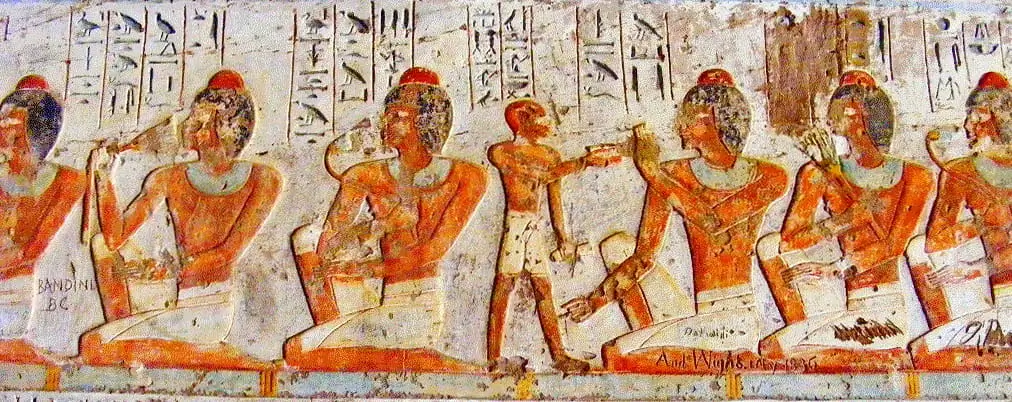
  • Ritual Dancers: In addition, the walls feature the “Muu dancers,” who played a vital role in ancient funerary procedures.

El-Kab Tombs: The Tomb of Setau (EK4)

Moving forward in time, the tomb of Setau dates to the 20th Dynasty. As the High Priest of Nekhbet, he focused his tomb heavily on the religious ceremonies that defined the late New Kingdom.

  • The Sed-Festival: To illustrate his status, the paintings show the Jubilee celebration of the Pharaoh.
  • Sacred Navigation: Finally, the tomb depicts the sacred boat of the goddess Nekhbet being moved through the water, guarded by a protective vulture.

Aswan Botanical Garden: A Peaceful Paradise on Kitchener’s Island

Escape to the Aswan Botanical Garden, a floating, green paradise on the historic Kitchener's Island....
Related post
FUN

The Evolution of Funerary Procedures and Artistic Style

The Evolution of Funerary Procedures and Artistic Style

Beyond their historical inscriptions, the El-Kab tombs allow us to witness a major evolution in artistic procedure. Because these monuments date to the dawn of the New Kingdom, they display a transition from the rigid styles of the Middle Kingdom to the fluid, vibrant aesthetics of the 18th Dynasty. Consequently, the craftsmanship found within these cliffs set the standard for the grander royal tombs that would eventually follow in the Valley of the Kings.

The Procedure of Daily Life on the Walls

One of the most captivating aspects of these tombs is how they document the “procedure of living” for the ancient Egyptian elite. Instead of focusing solely on the afterlife, the artists captured the rhythmic labor of the Nile valley with incredible precision.

  • Agricultural Rhythms: For instance, the sequential scenes in the Tomb of Paheri show the step-by-step procedure of grain production, from the initial plowing of the soil to the final winnowing of the corn.
  • The Banquet Ritual: Moreover, the social procedures of the elite are revealed through detailed banquet scenes. These images show guests being served by attendants while musicians play harps and flutes, illustrating the high level of sophistication in Nekheb society.
  • Animal Husbandry: Additionally, the inclusion of livestock like pigs and oxen provides a rare look at the diverse agricultural procedures managed by the tomb owners.

Religious and Funerary Rituals

Finally, the tombs provide a deep look into the spiritual procedures of the early New Kingdom. Specifically, they highlight the soul’s transition and the role of local deities in the journey to the afterlife.

  • The Muu Dancers: First, the depiction of the Muu dancers in the Tomb of Renni represents a specialized funerary procedure intended to welcome the deceased into the spiritual realm.
  • The Tekenu: In addition, the mysterious tekenu—a figure wrapped in skin and pulled on a sledge—appears here, documenting a complex ritual that remains a subject of study for modern researchers.
  • The Protection of Nekhbet: Finally, the recurring image of the vulture goddess Nekhbet emphasizes her role as the ultimate protector of the site and the kingdom at large.

By analyzing these artistic and ritualistic procedures, we gain a comprehensive understanding of a society in the midst of a cultural rebirth.

Exploring Gebel el-Silsila: Why This Hidden Nile Gem is a Must-Visit

Gebel el-Silsila was the essential sandstone quarry for Egypt's greatest New Kingdom temples. However, it...
Related post
FUN

The Enduring Importance of the Vulture Goddess

Nekhbet, The Vulture Goddess of Ancient Egypt

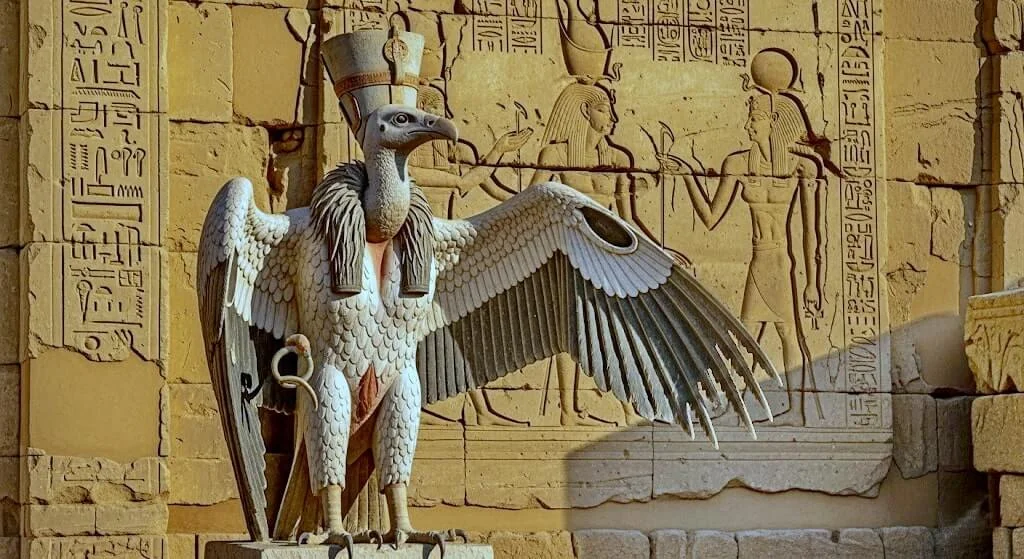
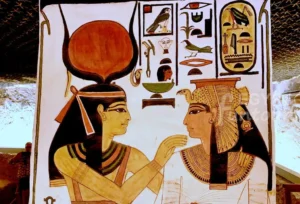
A visit to El-Kab is incomplete without recognizing the spiritual procedure that governed this sacred landscape. Because Nekheb was the home of Nekhbet, the white vulture goddess, the site held a status far above a mere military outpost. As the primary protector of Upper Egypt and the Pharaoh himself, her presence is woven into the very fabric of the tomb designs.

Spiritual Protection and the Royal Connection

The relationship between the local elite and the goddess Nekhbet created a unique religious procedure within the necropolis. Consequently, the tomb owners were not just serving the King; they were guardians of a divine sanctuary.

  • The Crown of Upper Egypt: Specifically, Nekhbet was the personification of the White Crown, which linked the local lords directly to the sovereignty of the nation.
  • The Sacred Barque: In the Tomb of Setau, for example, the paintings highlight the procedure of the goddess’s festival. They show her sacred boat being guided through the water, which served to ensure her continued protection over the land.
  • Vulture Iconography: Furthermore, the protective wings of the vulture are a recurring motif throughout the valley, acting as a divine seal over the burial chambers.

A Legacy Beyond the Cliffs

Ultimately, the procedures established at El-Kab—from military tactics to artistic styles—provided the foundation for the New Kingdom’s success. While the capital eventually moved elsewhere, the “Lords of El-Kab” remained the historical anchors of a unified Egypt. Therefore, studying these tombs is not just an exploration of the past; rather, it is a journey to the very source of Egyptian greatness.

Abu Simbel: The Ultimate Must-See Temples of Ramesses II

An epic "must-do" from Aswan! Visit Abu Simbel to see the four colossal statues of...
Related post
FUN

Practical Visitor Procedures: Exploring the Cliffs of El-Kab

Practical Visitor Procedures Exploring the Cliffs of El-Kab

To conclude this guide, you should understand the modern procedures for visiting this extraordinary site. Because El-Kab sits between the major hubs of Luxor and Aswan, it remains one of Egypt’s most rewarding “hidden gems” for travelers who appreciate quiet, profound history.

Access and Logistics

Reaching the tombs requires a small amount of planning, but the rewards are immense. Consequently, travelers often find that they have these ancient masterpieces entirely to themselves.

  • Location: You will find the site approximately 80 kilometers south of Luxor and 15 kilometers north of Edfu.
  • The Approach: Furthermore, the tombs sit high in the sandstone cliffs. Therefore, visitors should prepare for a short, steep climb to reach the entrances of the four main 18th Dynasty chambers.
  • Optimal Timing: Specifically, a morning visit offers the best procedure to avoid the desert sun. It also allows you to catch the best natural light for the interior paintings.

What to Look For: A Checklist

When you enter the chambers, keep a sharp eye out for the specific details that define the “Lords of El-Kab.”

  • The Military Scripts: First, locate the long columns of hieroglyphs in the Tomb of Ahmose, son of Ebana. These records document the first naval battles of the New Kingdom.
  • The Pig Depictions: Additionally, search for the rare scenes of swine in the Tomb of Renni. These represent a unique biological record that you will not find in the grander tombs of Thebes.
  • The Vulture Symbolism: Finally, notice how the artists positioned the goddess Nekhbet at the entrance of the valley. She symbolically guards everyone who enters her sacred domain.

By following these visitor procedures, you ensure a deep and respectful engagement with the site that launched the most powerful era in Egyptian history.

Witness the splendor of ancient Egypt on a 10 days tour....
5 Day Group Tour Exploring Egypt's Wonders...
FUN
God_Anubis_Icon

Transit Stopover in Cairo

We have just returned from a two week holiday in Cape Town. On the way out our airline schedule meant that we had a 15 hour stop in Cairo. We decided to arrange a tour of the city and after asking for quotes/itineraries we chose Egypt Fun Tours. This worked

More »

Excellent Adventure

These guys put together an amazing itinerary that allowed me see the sunrise at the sun festival in Abu Simbel, King Tut’s tomb, and mask! That was just the tip of the iceberg. Aswan, Kom Ombo, Edfu and Luxor. So much visited with plenty of rest time. An amazing trip

More »

Great guided tour of pyramids

We travelled to Cairo on Friday, May 3, 2019, from Toronto. We landed at 0530 and were met by a representative of Fun Tours at the departure gate. We were only on a layover of 6 hours, and the tour company came with a private van, water, a driver, and

More »

Layover Tour in Cairo

This August, my boyfriend and I had quite a long layover in Cairo, 9 hours to be exact. Instead of wasting our time at the airport, we decided to do a layover tour of the city. I had been before, but my boyfriend hadn’t, so we wanted to hit the

More »

AMAZING TOUR, SOLO TRAVELER.

I am a California woman who traveled to Egypt alone, and thanks to Egypt Fun Tours, I had a great time. Hani, Mohammed, Kamal, and David (my driver) were very professional and very knowledgeable. I appreciate how respectful they were and how protective they were of me. They showed me

More »
God_Anubis_Icon

Top-rated Tour Packages

God_Anubis_Icon