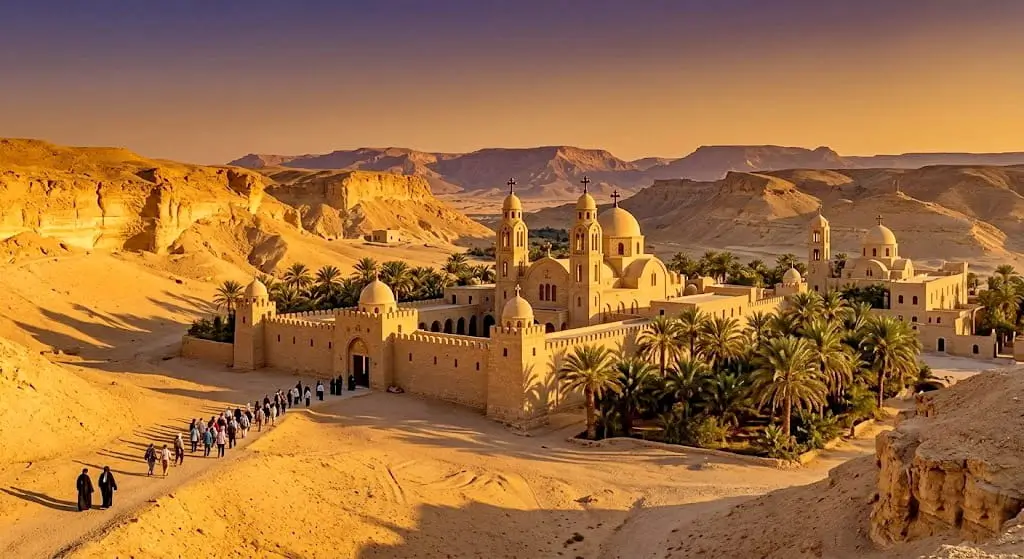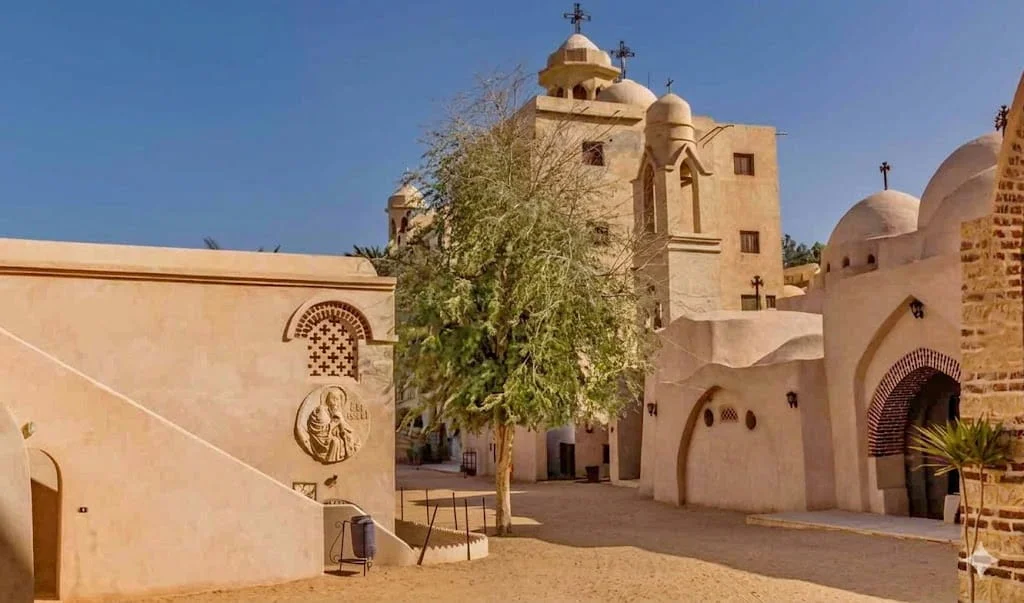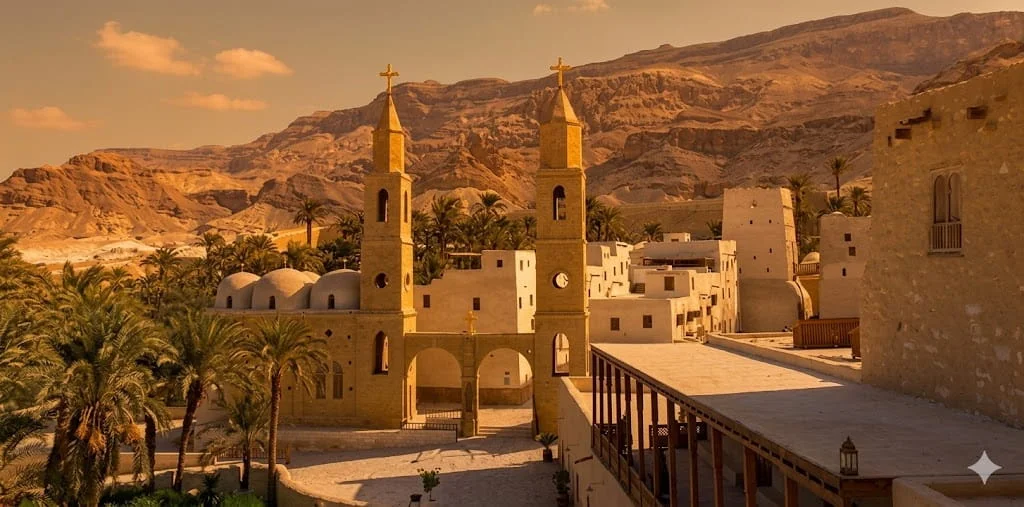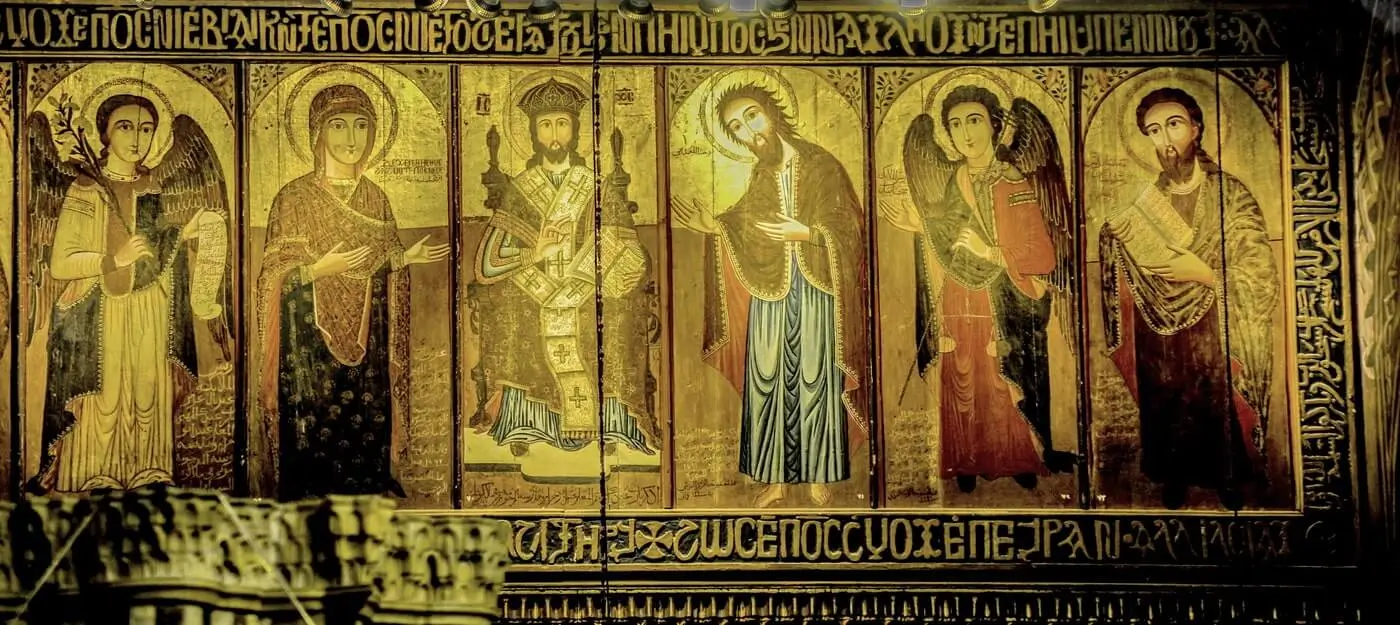

The history of Christian monasticism in Egypt is the history of a spiritual revolution that redefined the Christian world. Beginning in the late 3rd century, the vast Egyptian deserts—once considered the realm of chaos and demons—became the “City of God” as thousands of people retreated to the sands in search of divine solitude. Because Egypt served as the laboratory for both eremitic (solitary) and cenobitic (communal) living, it remains the spiritual motherland for all monastic traditions globally. Consequently, this guide explores how the “Desert Fathers” transformed the barren wilderness into a sanctuary of prayer, literacy, and community that continues to thrive in the modern Coptic Orthodox Church.
For the researcher and spiritual traveler, Egyptian monasticism offers a unique continuity of faith. Specifically, the monastic rules established by pioneers like Saint Anthony and Saint Pachomius over 1,700 years ago still dictate the rhythm of life in active monasteries today. Because these communities were instrumental in preserving ancient texts, developing Coptic literature, and resisting imperial pressures, they represent the resilient heart of Egyptian Christianity. Therefore, understanding Christian monasticism in Egypt is essential for anyone seeking to grasp the origins of organized religious life and the enduring legacy of the Nile Valley.
The Pillars of Egyptian Christian Monasticism
To achieve our authoritative depth, we categorize the evolution of this movement into three distinct developmental phases:
- The Eremitic Foundation: The rise of the “Anchorites,” led by Saint Anthony the Great, who sought God through total isolation and spiritual warfare in the deep desert.
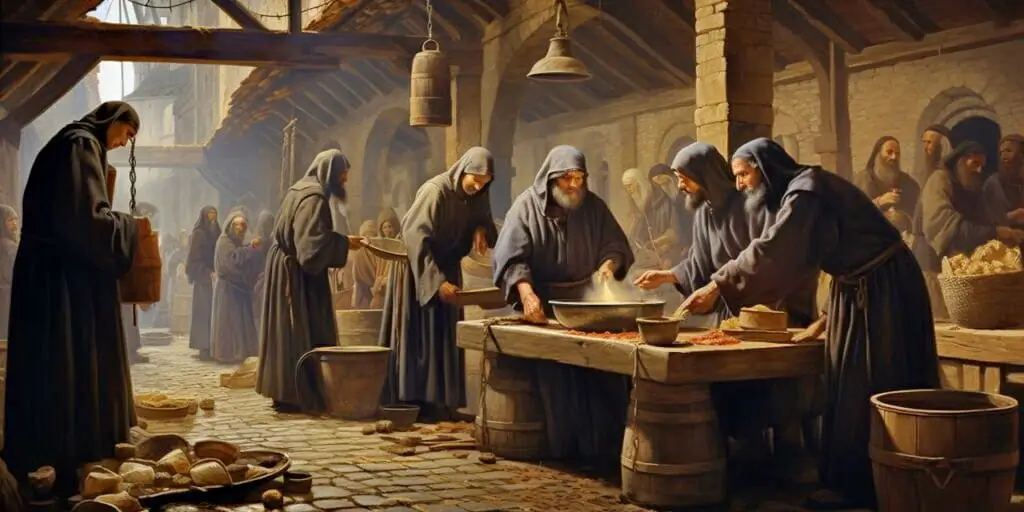
- The Cenobitic Revolution: The transition to organized communal living under Saint Pachomius, who introduced the first formal “Rule” to manage labor, prayer, and discipline.
- The Semi-Eremitic Synthesis: The development of “Laura” systems in regions like Wadi el-Natrun, where monks lived in separate cells but gathered for communal liturgy on weekends.
Consequently, these three models provided the structural blueprint for monasticism as it spread to Palestine, Syria, and eventually Western Europe. Specifically, the Egyptian model proved that the desert was not a place of death, but a fertile ground for the soul.