The Twelfth Dynasty: Recommended Reading List
For deep, scholarly insight into the Twelfth Dynasty, these resources are highly regarded by experts:
The Middle Kingdom of Ancient Egypt: History, Archaeology and Society” by Wolfram Grajetzki
This is an essential, modern overview that focuses specifically on the Middle Kingdom, offering a wealth of information on both central and provincial Egyptian society.
Ancient Egypt Transformed: The Middle Kingdom,” edited by Adela Oppenheim et al.
This work is highly recommended for its focus on the art and culture of the period, often cited for its incredible depth and association with major museum exhibits.
The Oxford History of Ancient Egypt,” edited by Ian Shaw
A classic, comprehensive survey that remains one of the best starting points for understanding the chronological structure and broader historical context of the Twelfth Dynasty.
Ancient Egyptian Literature” by Miriam Lichtheim
As the Twelfth Dynasty was a “Golden Age” of literature, this collection of translations is the standard for anyone wanting to study the original texts, such as The Story of Sinuhe or The Instructions of Amenemhat.
The Twelfth Dynasty of Egypt: FAQs
Including these questions can help improve your search visibility and address common reader curiosities.
1. Where was the capital of the Twelfth Dynasty located?
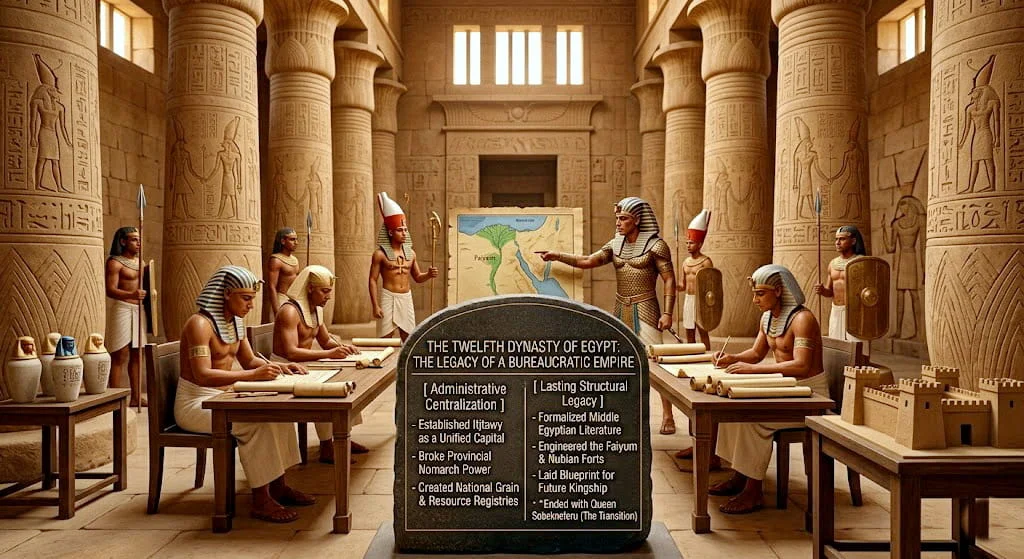
The capital was relocated by Amenemhat I to a city named Itjtawy (meaning “Amenemhat, Seizer of the Two Lands”). Despite its importance, its exact location remains a mystery, though it is believed to be near the modern-day sites of Lisht and Dahshur.
2. Why are the Twelfth Dynasty pyramids different from those of the Old Kingdom?
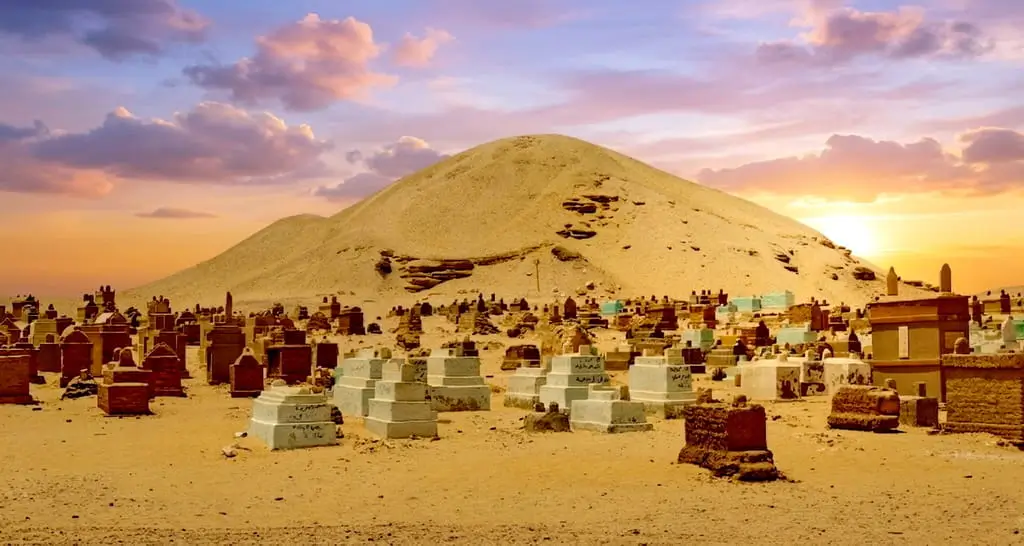
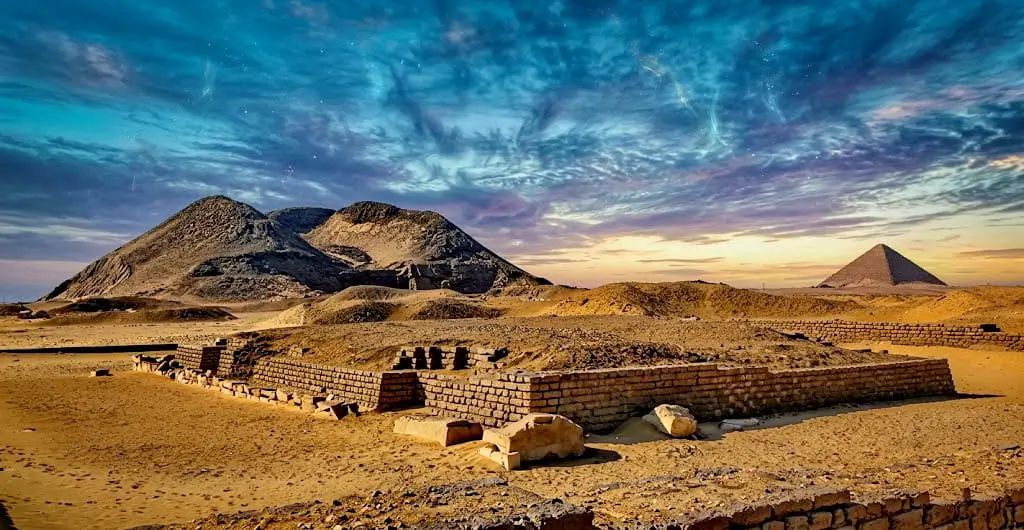
Twelfth Dynasty pharaohs pioneered the use of mud-brick cores encased in fine white limestone. While this allowed for faster construction, the pyramids are often less durable than the massive stone structures of the Old Kingdom.
3. Who was the last ruler of the Twelfth Dynasty?
The dynasty concluded with Queen Sobekneferu, one of the few women to rule Egypt with the full title and authority of a king.
4. What was the “Prince’s Wall”?
This was a series of fortifications and gates built by Amenemhat I on the eastern frontier. Its primary goal was to secure the border against incursions from Bedouin groups and to control movement in and out of the Delta.
5. Did the Twelfth Dynasty really expand into foreign territories?
Yes. Under rulers like Senusret I and Senusret III, Egypt launched major military campaigns into Nubia, establishing a chain of strategic fortresses such as Buhen and Semna to control gold and trade routes.
To understand the broader socio-political structure and how this era fits into the macro-cycles of pharaonic power, see our master guide on The Dynasties of Ancient Egypt.