The Final Rulers of The Twenty-first Dynasty of Egypt
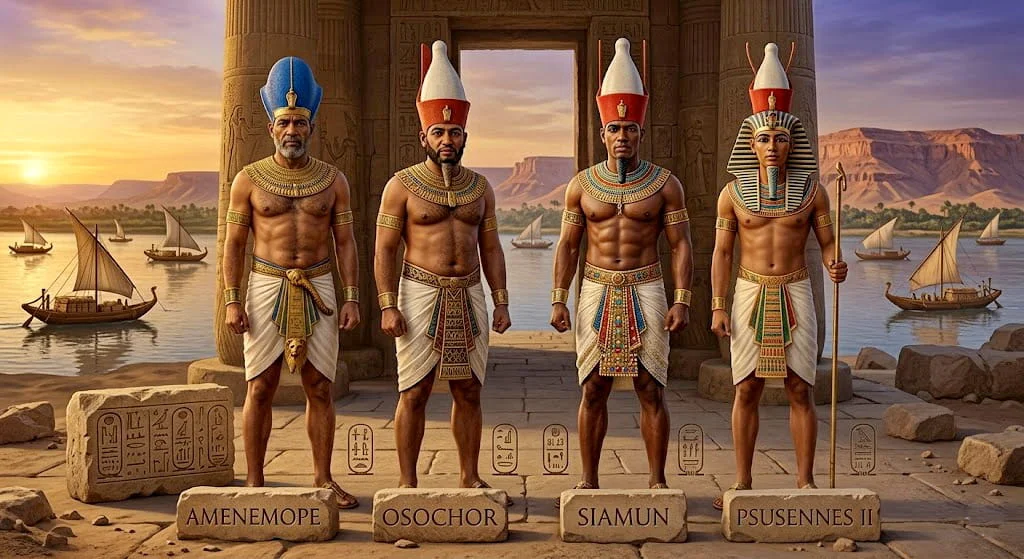
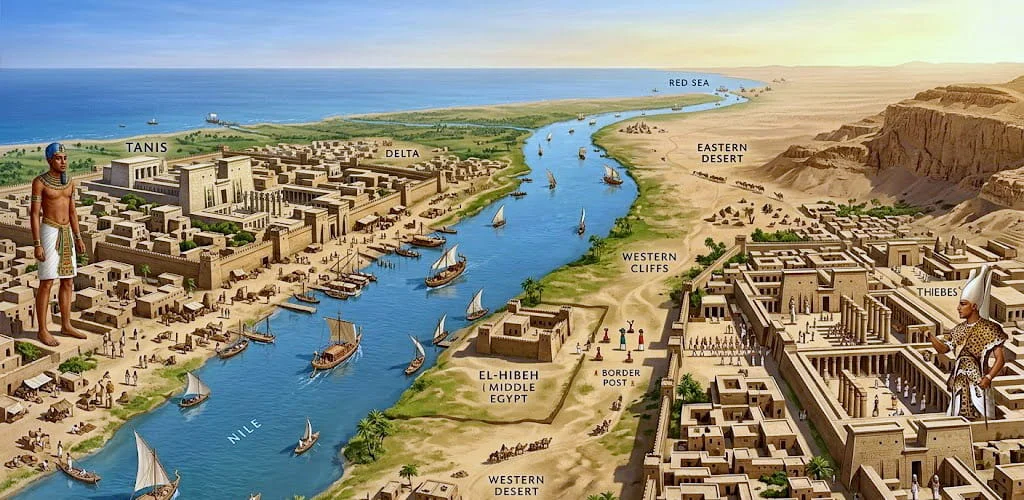
The later half of the dynasty faced shifting populations and new foreign influences, particularly from Libyan groups settling in the Delta.
4. Amenemope: The Protector of Artisans
Amenemope succeeded Psusennes I and continued his predecessor’s building programs. His funerary goods show that artistic craftsmanship remained highly refined despite economic limitations. He focused on preserving domestic stability.
5. Osochor: The First Libyan Pharaoh
Osochor (or Osorkon the Elder) marks a major shift in Egyptian history. He was of Libyan descent, representing the growing political influence of Libyan military families in northern Egypt. His peaceful reign paved the way for future dynasties.
6. Siamun: The Active Builder and Diplomat
Siamun was one of the most energetic rulers of the Twenty-first Dynasty of Egypt. He ordered extensive construction projects at Tanis and Heliopolis. He also engaged heavily in foreign policy across the Levant, protecting trade routes from emerging regional powers.
7. Psusennes II: The Last King of the Line
Psusennes II brought this historic era to a close. His reign was quiet and diplomatic. He successfully bridged the political gap, allowing power to pass peacefully to his son-in-law, Shoshenq I, who founded the Twenty-second Dynasty.
The Incredible Treasures of Tanis and The Twenty-first Dynasty of Egypt
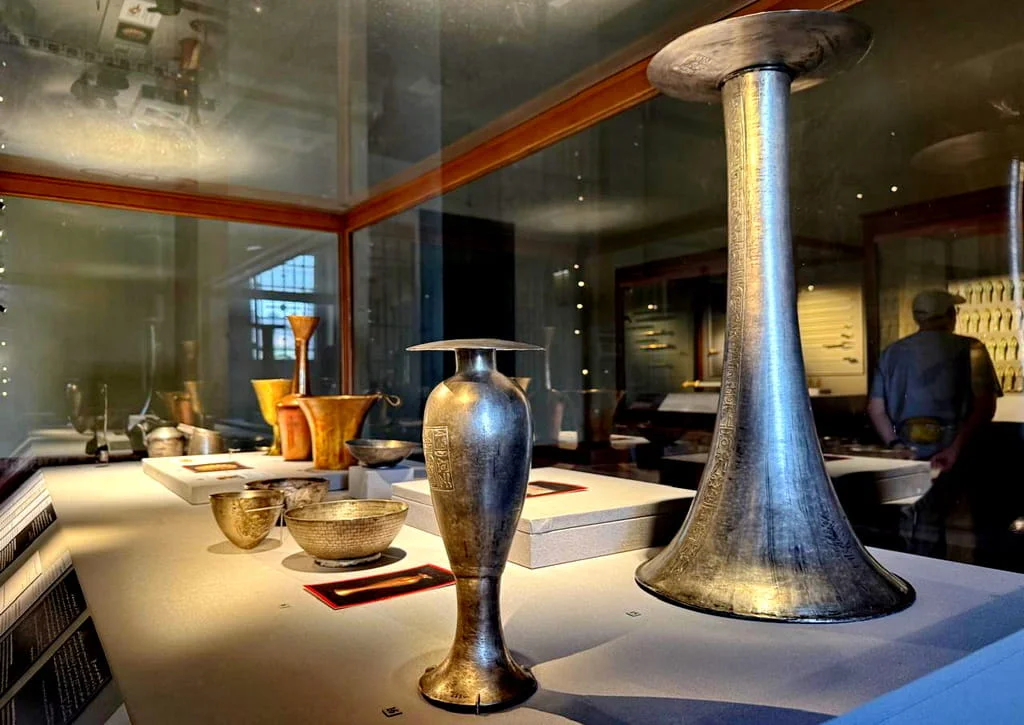
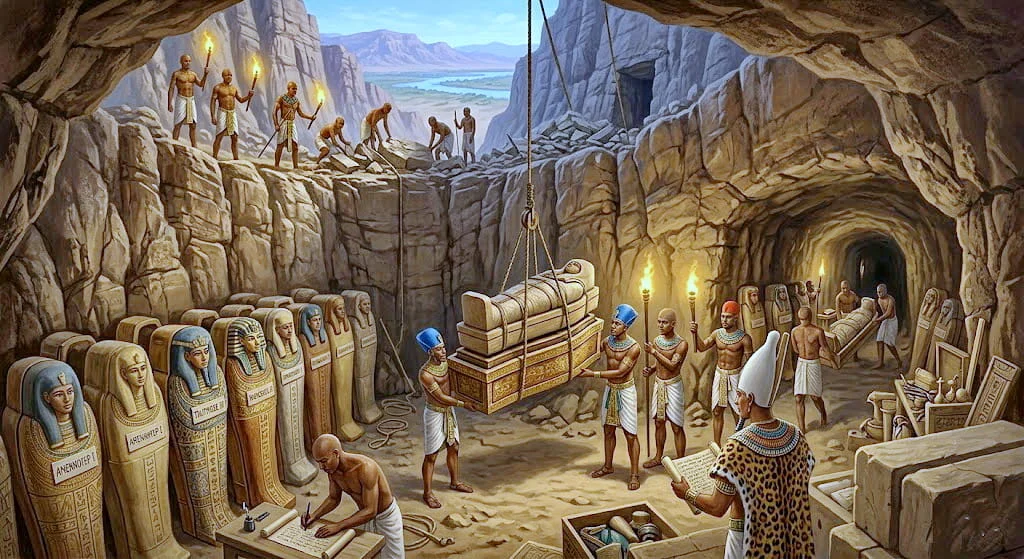
In 1939, French archaeologist Pierre Montet made a stunning discovery. He found the intact royal tombs of the Twenty-first Dynasty of Egypt at Tanis. Unfortunately, World War II broke out at the same time. This global conflict completely overshadowed the find, keeping it out of the public eye. The treasures unearthed inside these tombs were breathtaking. They proved that the Tanite kings still held immense wealth and artistic power.
The Story of the Silver Pharaoh
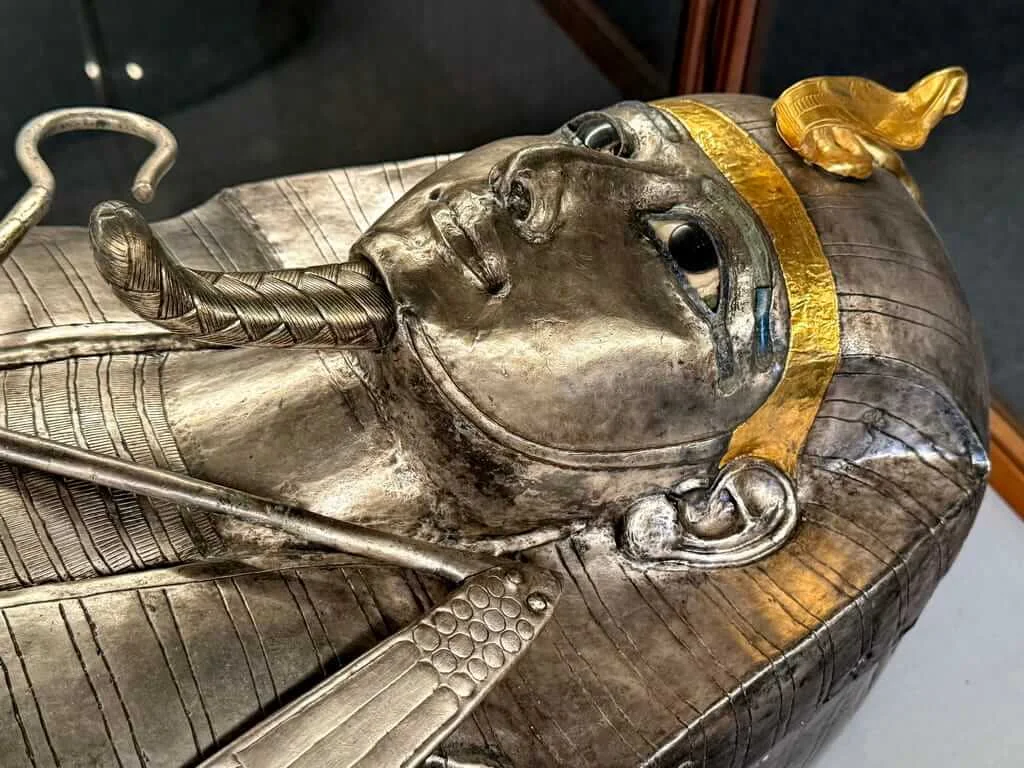
The ultimate highlight of the discovery was the burial of King Psusennes I. He is often called the “Silver Pharaoh.” He was buried inside a magnificent coffin made of solid silver. In ancient Egypt, silver was incredibly rare. It had to be imported from abroad, making it far more valuable than gold. Religiously, Egyptians believed that the bones of the gods were made of silver, while their flesh was gold.
Masterpieces of Ancient Metalwork
Beyond the silver coffin, the tombs contained dazzling items. Workers found a beautiful solid gold funerary mask resting on the pharaoh’s mummy. The tomb also held gold bracelets, heavy collars, and fine silver vessels. These artifacts highlight the elite craftsmanship of the Twenty-first Dynasty of Egypt. Even during an economic transition, the royal workshops created some of the finest metalwork in human history.
Material Culture and Recycling the Past
The architecture of Tanis reveals a fascinating strategy. The kings did not have easy access to southern quarries, so they adapted creatively.
The Practice of Monument Recycling
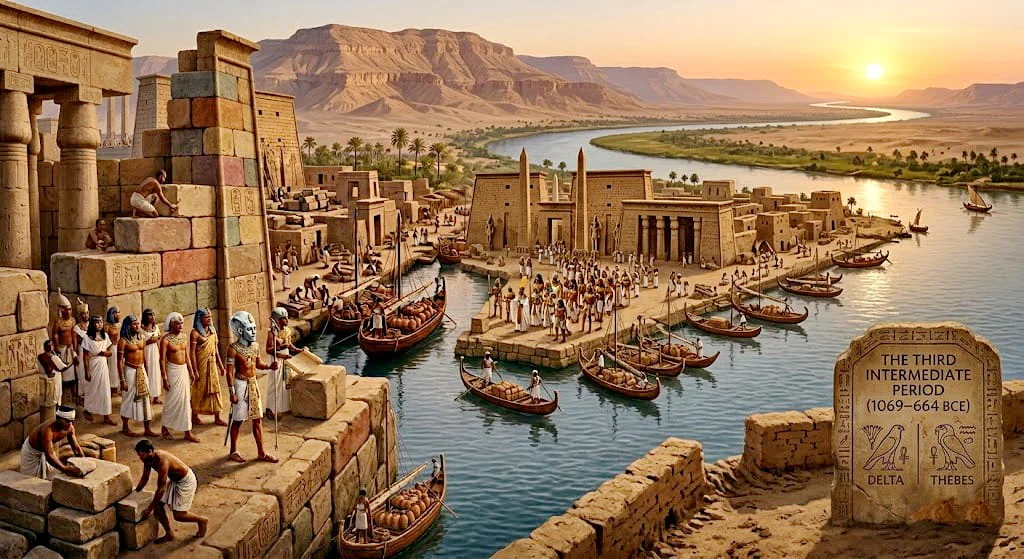
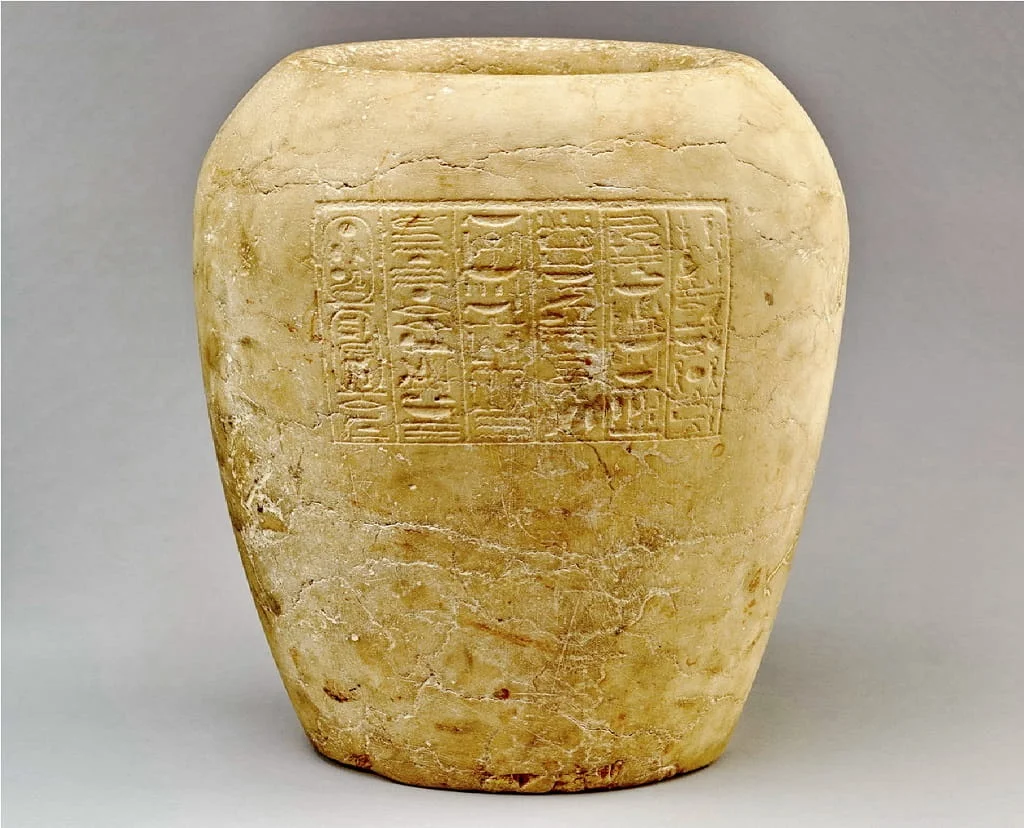
To build the temples of the Twenty-first Dynasty of Egypt, architects reused stones from older monuments. They took giant blocks, statues, and obelisks from Pi-Ramesses, the old capital of Ramesses II. They carefully transported these massive pieces to Tanis. Workers then re-carved the original cartouches with the names of the new Tanite kings.
Pragmatic Engineering or Piety?
Early historians viewed this recycling as a sign of poverty or laziness. Today, experts see it as brilliant engineering and political strategy. By using the stones of Ramesses II, the new pharaohs connected themselves directly to the greatness of the New Kingdom. It was a practical way to build a spectacular capital while honoring Egypt’s imperial past.