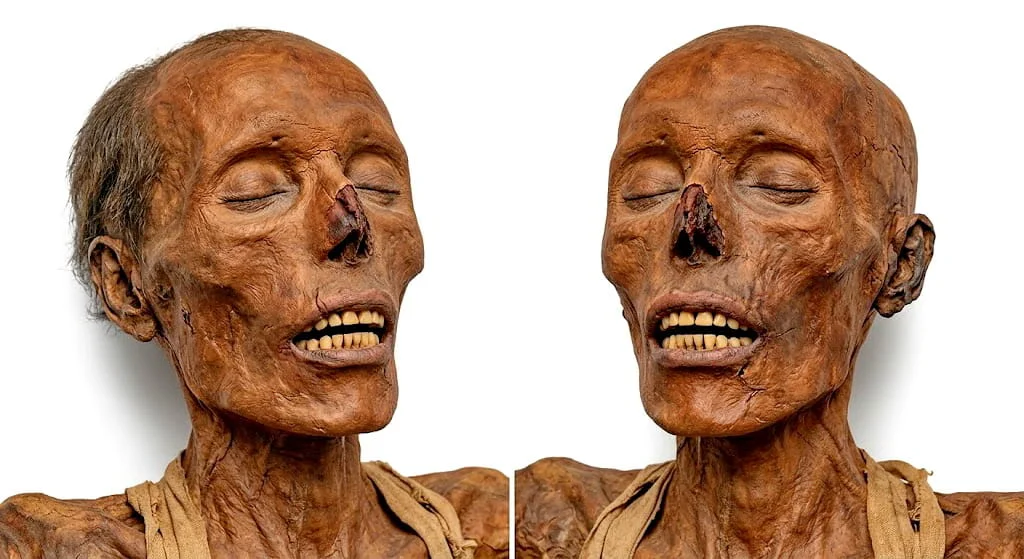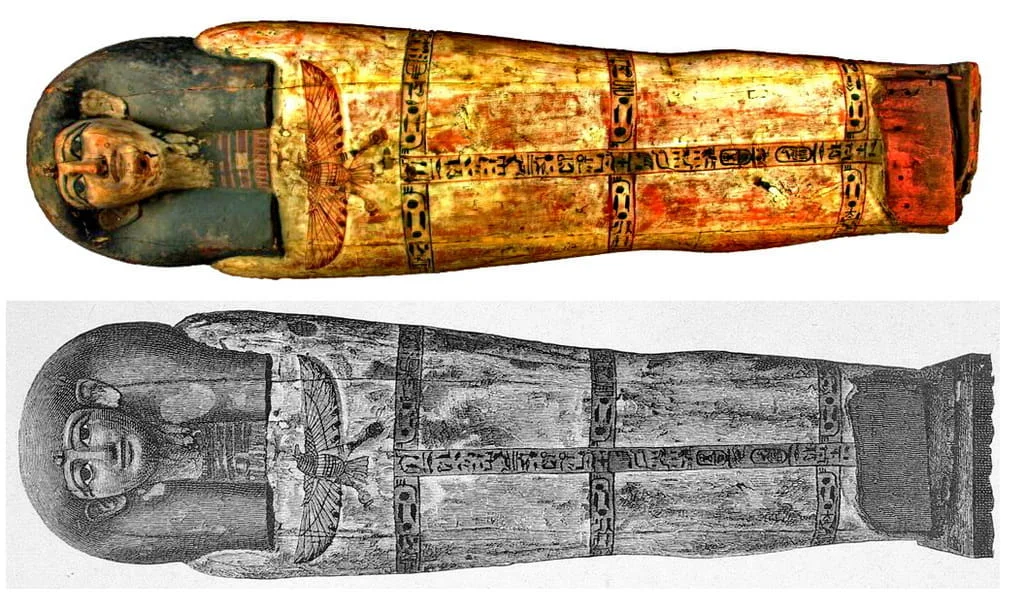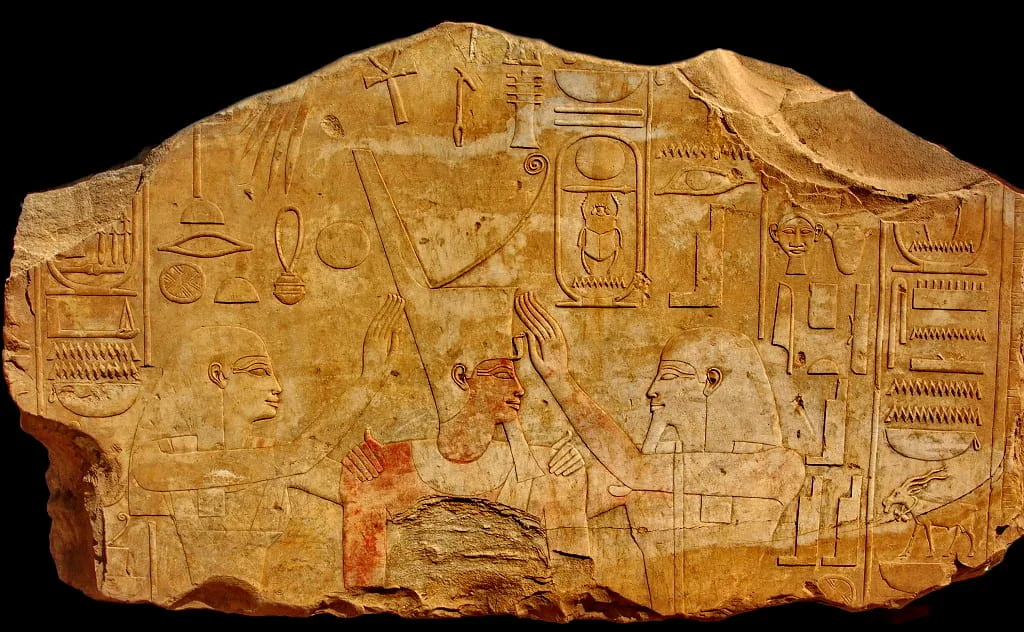

The 18th Dynasty of ancient Egypt remains a famous era. It brought vast wealth, empire expansion, and powerful rulers. When people look back at this golden age, names like Thutmose I or Hatshepsut dominate the story. Yet, another pharaoh sits right between these historical giants. Historians often reduce his legacy to a mere footnote or treat him as a passive placeholder. This ruler was Akheperenre Thutmose II. He ascended the throne of Egypt in the early fifteenth century BCE. Far from being weak, he was an active and capable king. He worked hard to secure the massive empire that his father had built. During his rule, he managed intense family rivalries and crushed dangerous rebellions on the borders. He also started grand building projects that helped his successors succeed. To understand the explosive growth of the New Kingdom, you must understand Thutmose II. He was the vital bridge that held the dynasty together.
Thutmose II: Lineage and the Shadow of Legitimacy
To understand the reign of Thutmose II, we must look at his family tree. Palace politics heavily shaped his path to power. His father, Thutmose I, ruled a massive empire that stretched from the Euphrates River to deep Nubia. Despite his great success, Thutmose I lacked domestic stability. His Great Royal Wife, Queen Ahmose, never produced a surviving male heir.
The Non-Royal Mother
Thutmose II did not come from the primary royal marriage. Instead, a secondary wife or high-ranking concubine named Mutnofret gave birth to him. Mutnofret held a high status in the court. She may have even been a daughter of Ahmose I. Still, her position as a secondary queen weakened her son’s claim to the double crown. Factions within the Theban court could easily challenge his right to rule. This lack of direct royal lineage cast a long shadow over his early life. Therefore, he needed an immediate solution to secure his throne.
Thutmose II: The Sacred Marriage
To fix this lineage issue, the court arranged a strategic royal marriage. Thutmose II married his half-sister, Hatshepsut. Unlike the young prince, Hatshepsut carried pure royal blood. She was the eldest daughter of Thutmose I and Queen Ahmose. Her ancestors had famously expelled the Hyksos invaders.
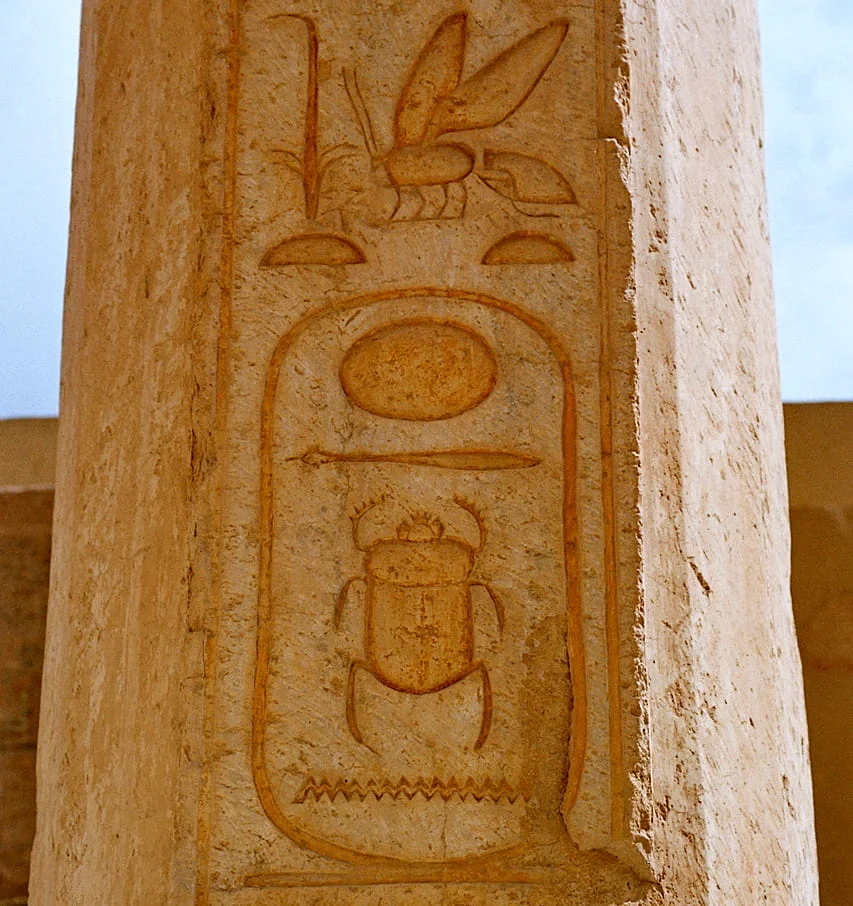
This marriage solved his political problems. It connected his military background with the sacred royal line. Upon his coronation, he took the name Akheperenre, which means “Great is the Manifestation of Ra.” However, the union created a complex power dynamic inside the palace. Thutmose II held the traditional titles of a king. Yet, his queen possessed a much stronger genetic claim to the throne. This tension quietly shaped his entire administration.