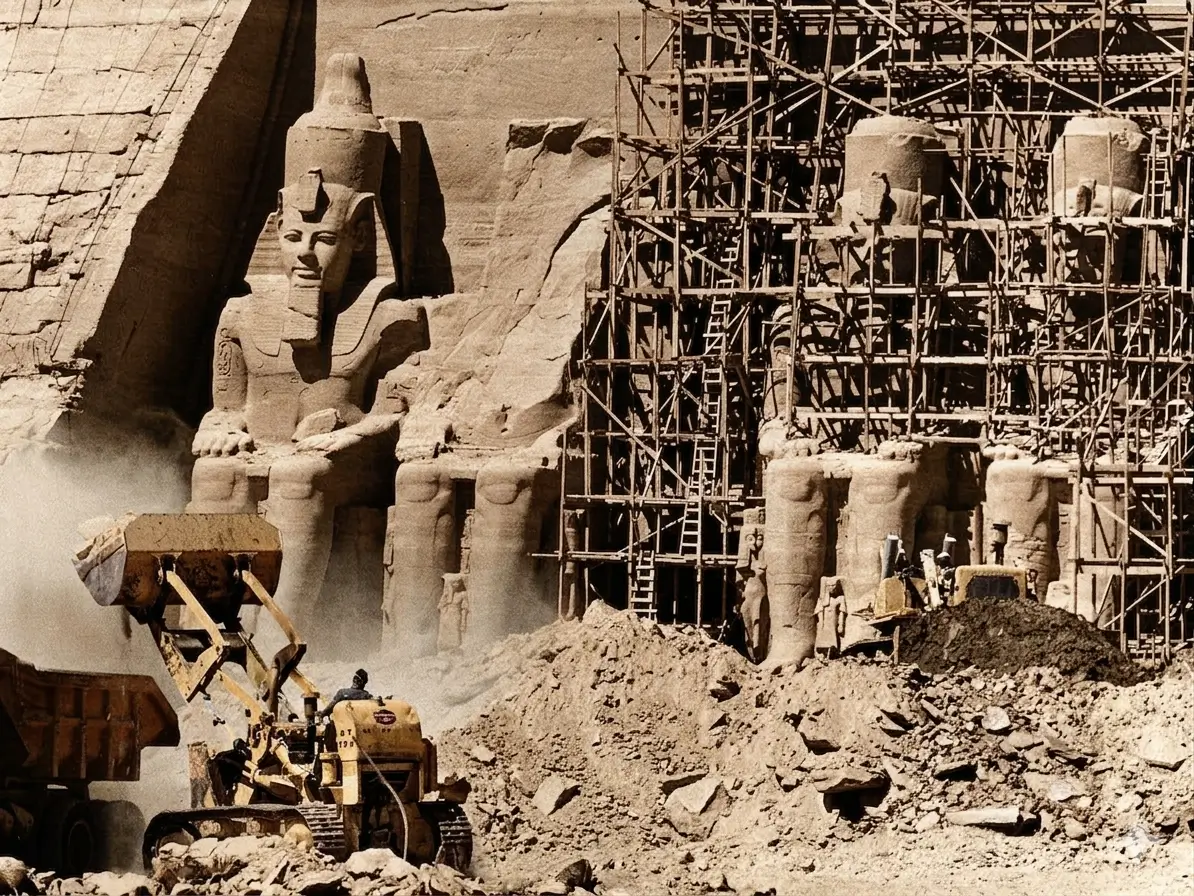
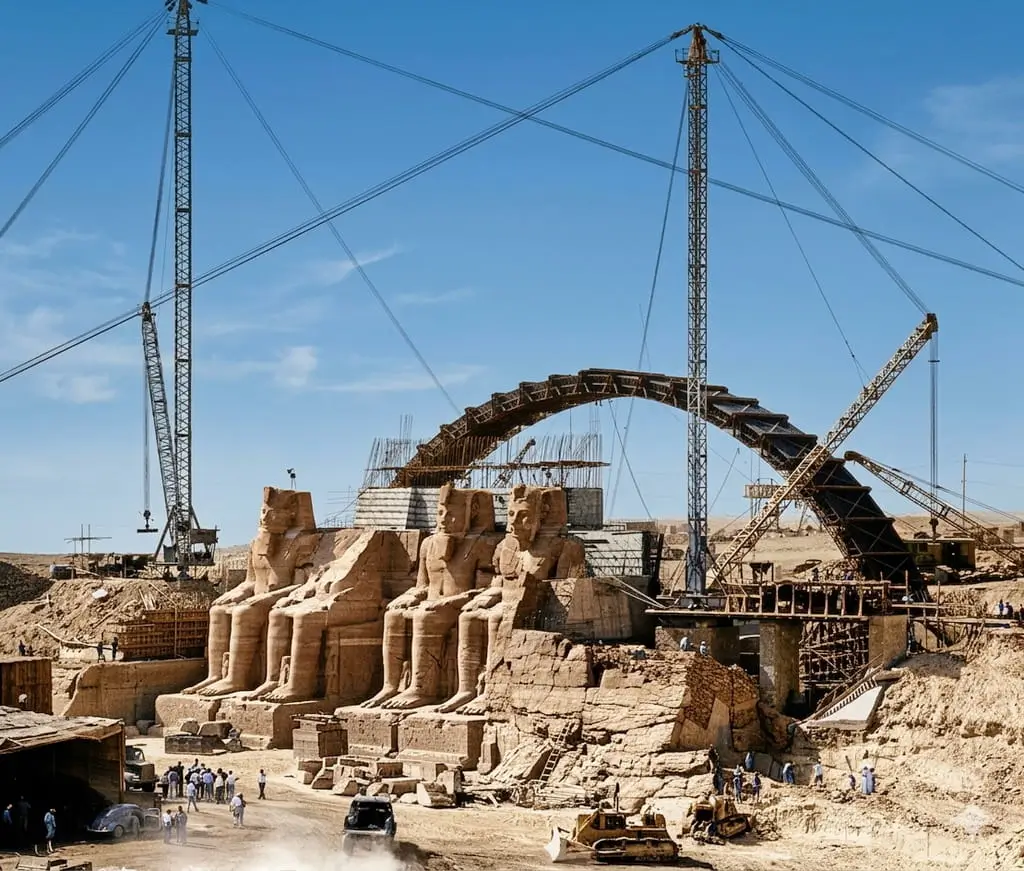
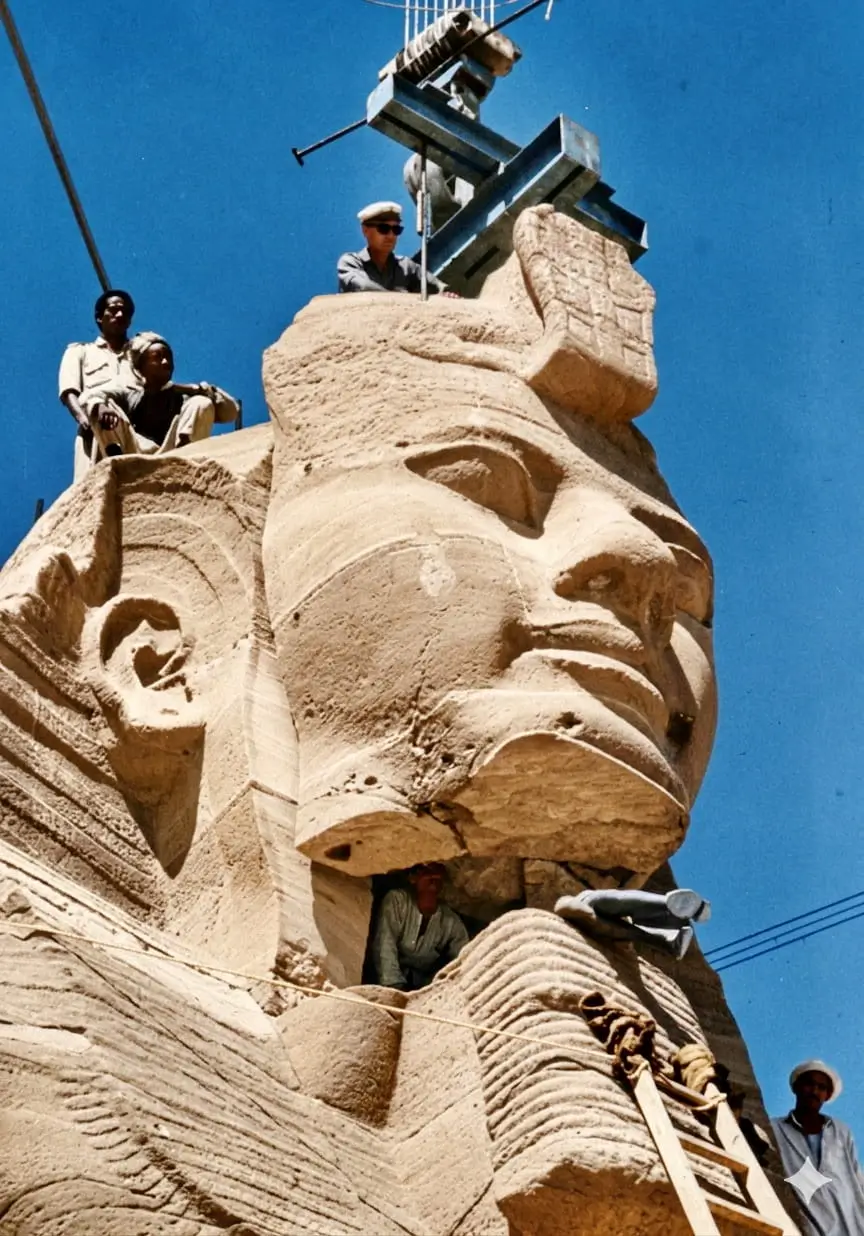
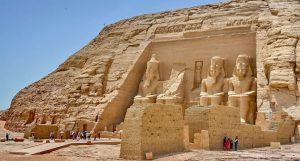
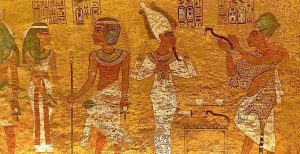
The Abu Simbel temple relocation stands as the most ambitious archaeological rescue operation in human history; however, it also represents a triumphant intersection of ancient legacy and modern engineering. In the early 1960s, the construction of the Aswan High Dam created a monumental crisis because the rising waters of the Nile threatened to submerge the 19th Dynasty’s greatest masterpieces forever. Consequently, an unprecedented international campaign led by UNESCO united global experts to save the heritage of Ramesses the Great.
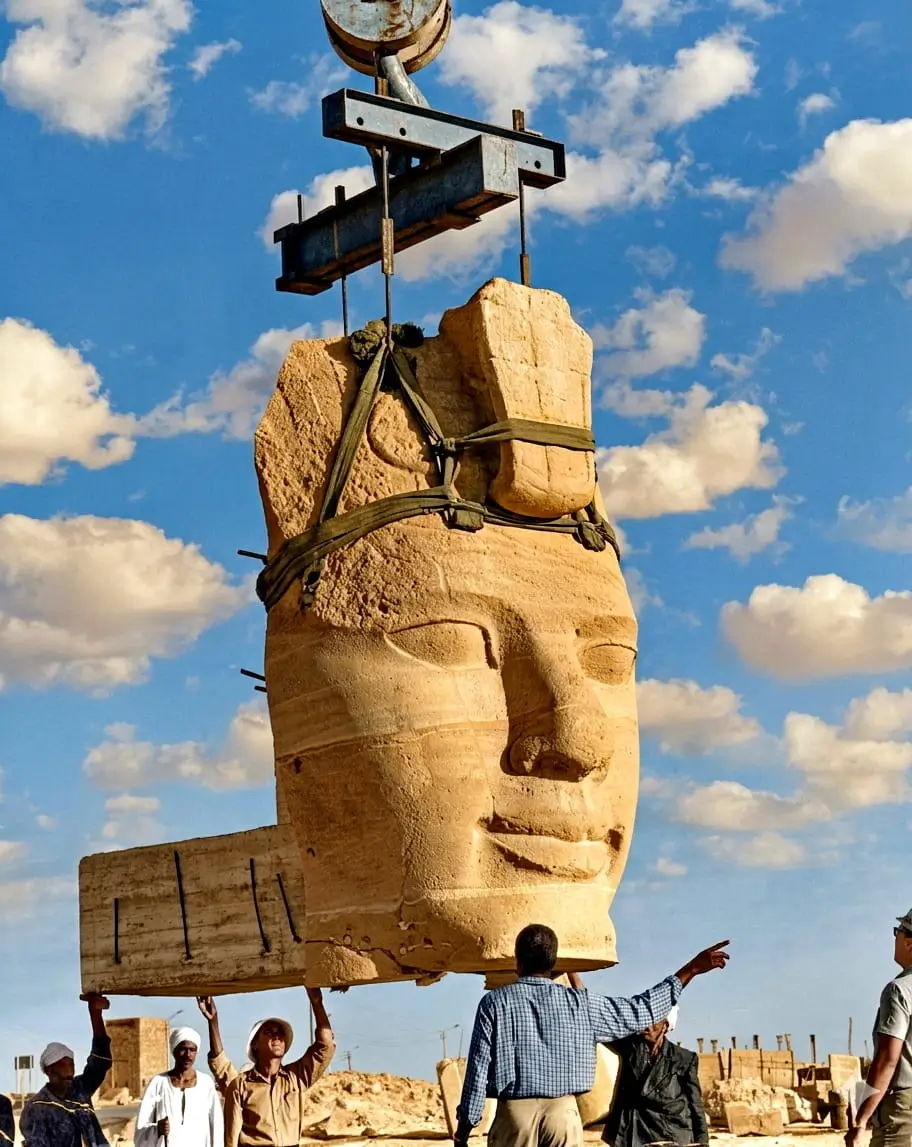
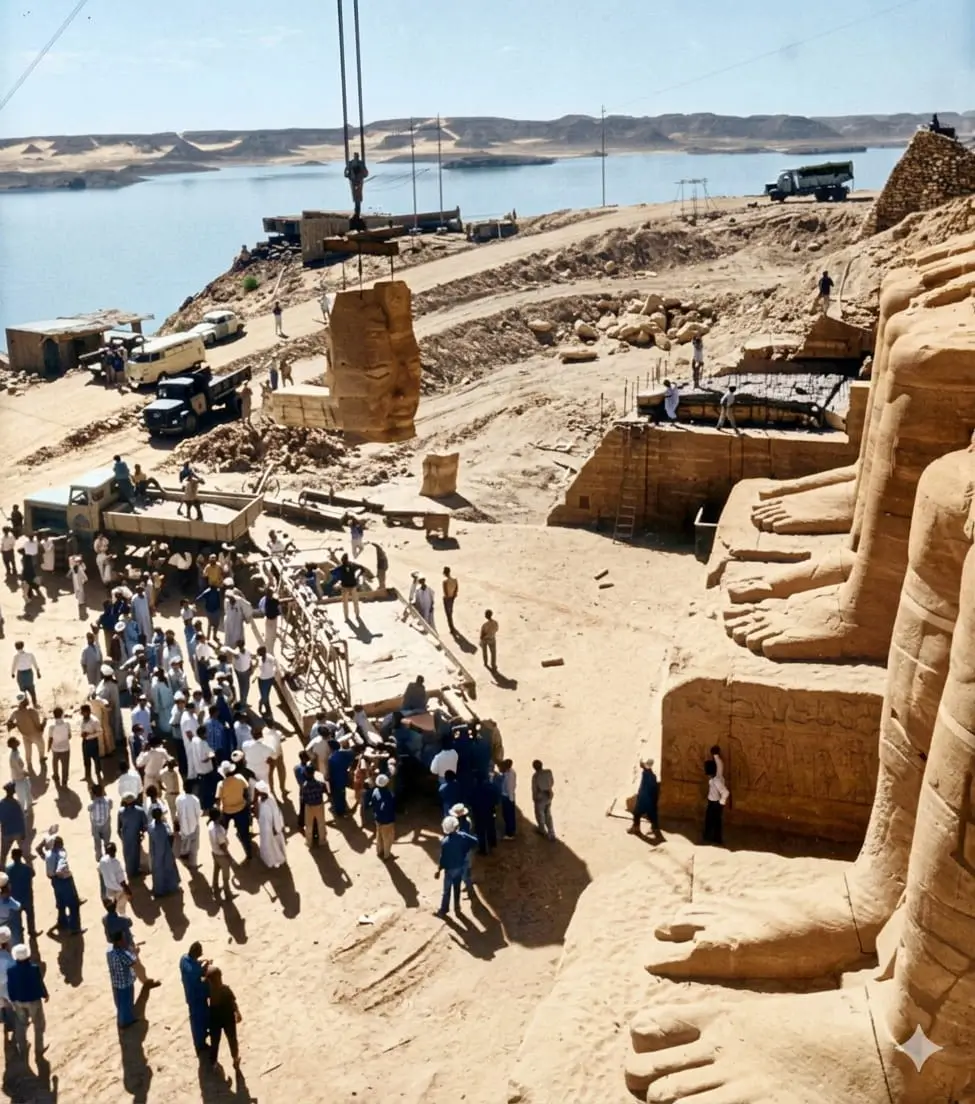
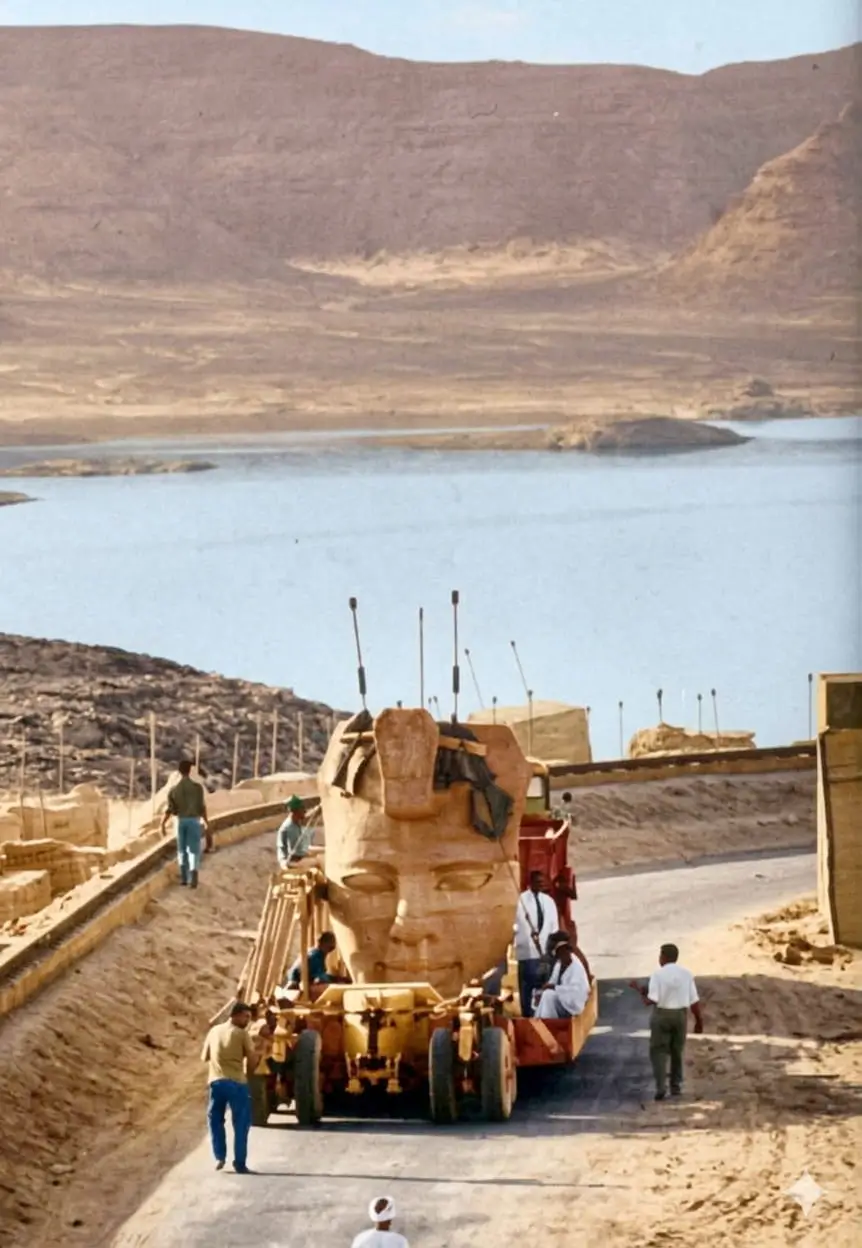
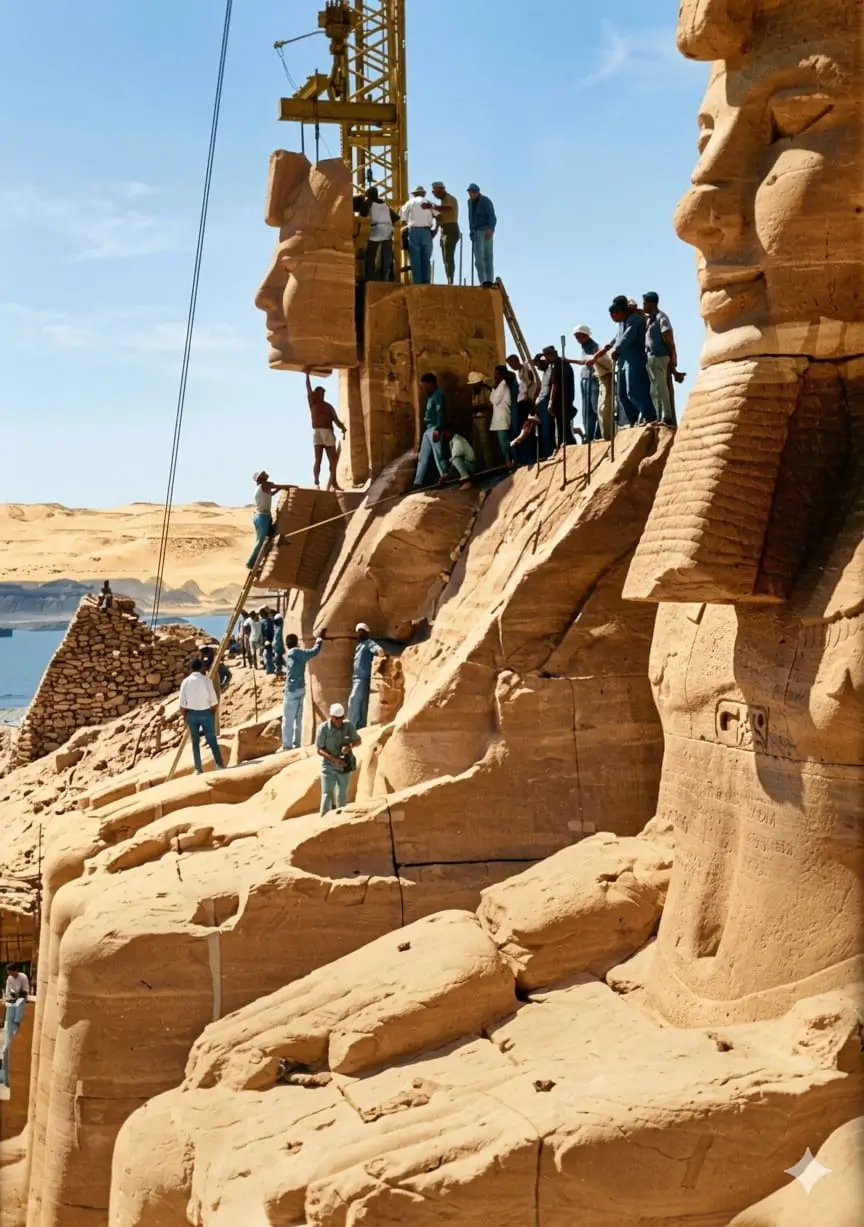
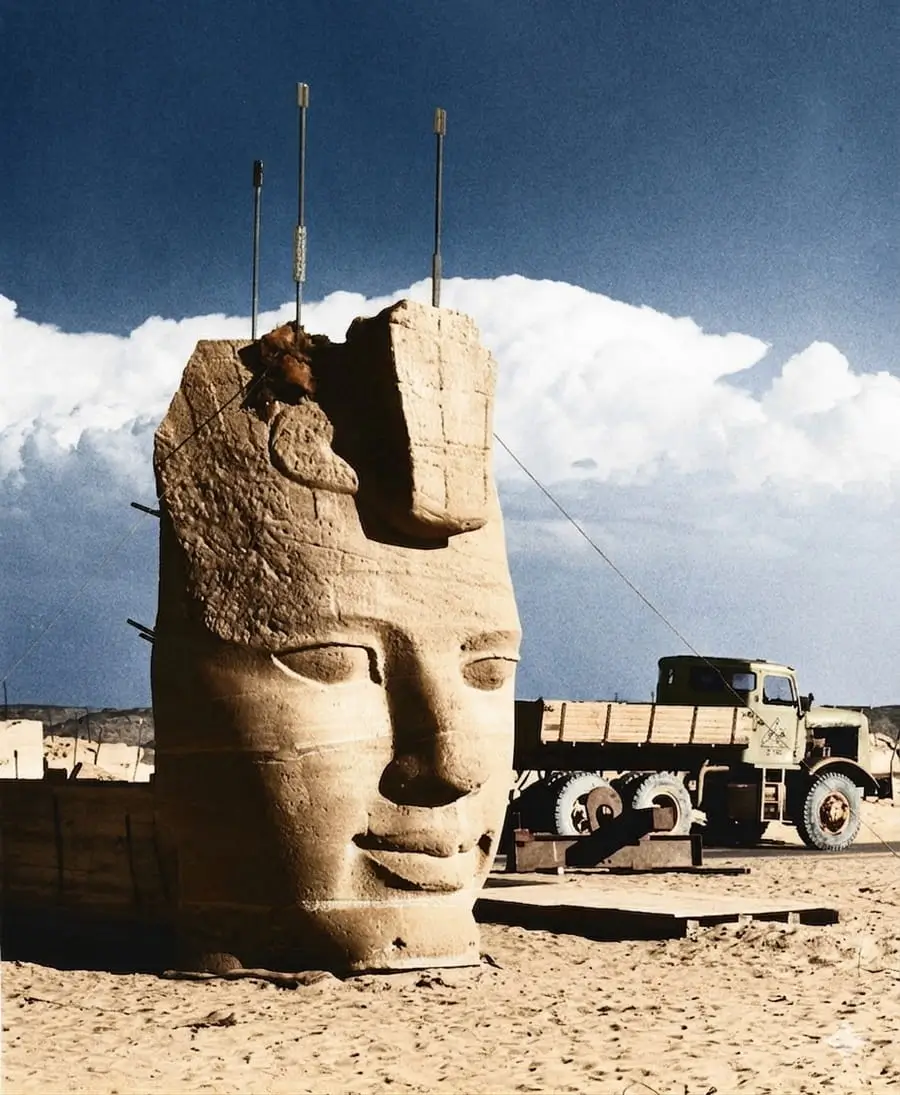
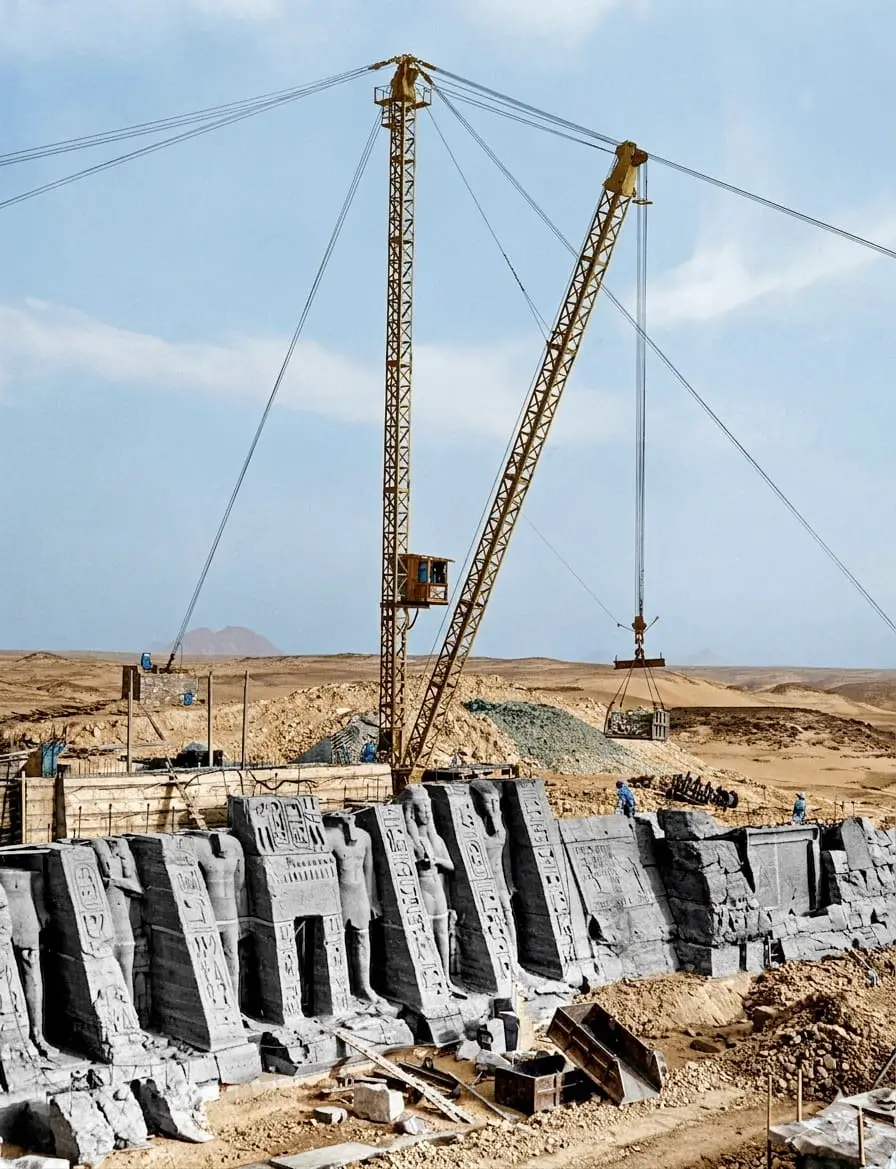
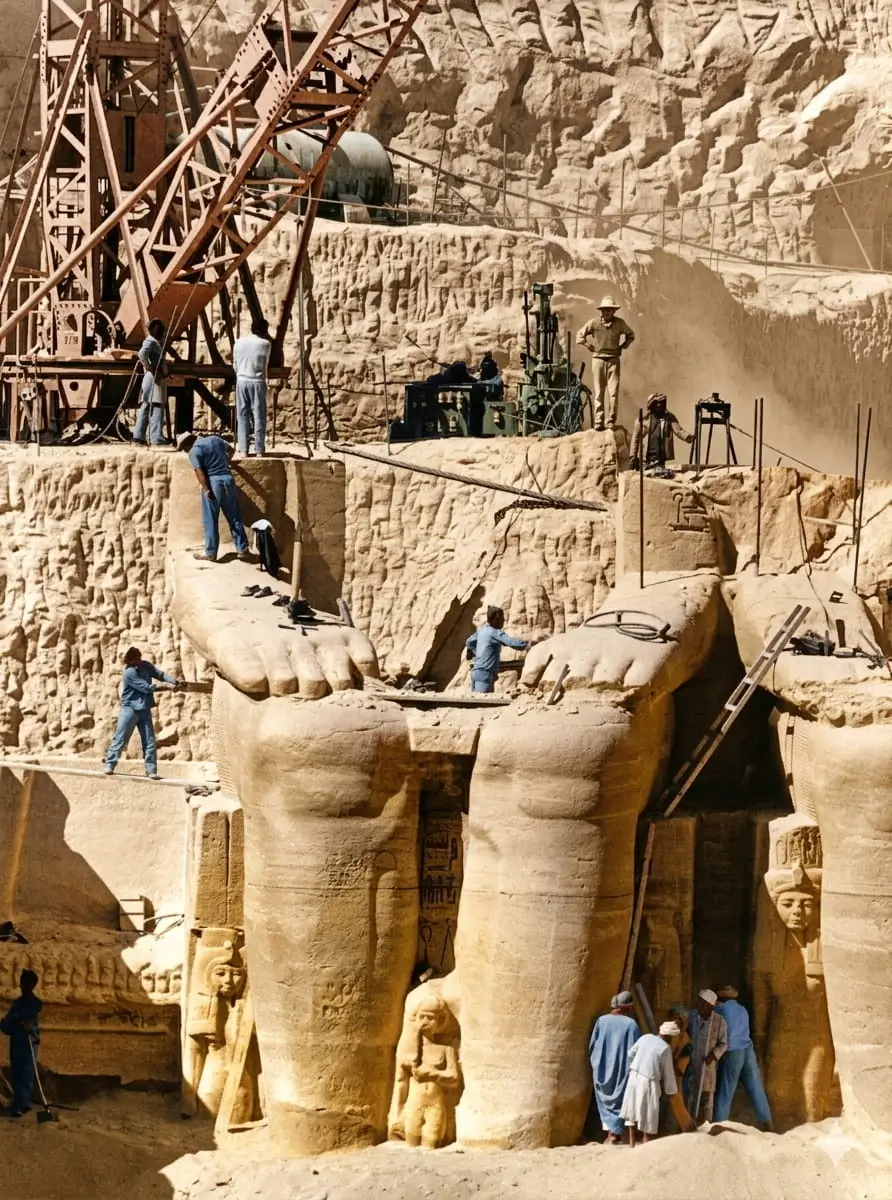
To preserve these colossal structures, engineers performed what many consider a “modern miracle.” Specifically, crews dismantled the entire complex into over 1,000 massive stone blocks and reassembled them 65 meters higher on a carefully constructed artificial mountain. Furthermore, this section of our digital repository explores the technical precision and international diplomacy that defined this mission. While the task presented daunting challenges, the teams meticulously maintained the temple’s famous solar alignment throughout the process. By moving these mountains, the world ensured that the sanctuary “for whom the sun shines” would remain a beacon of Egyptian grandeur for future generations.
The Engineering Strategy: Precision and Power
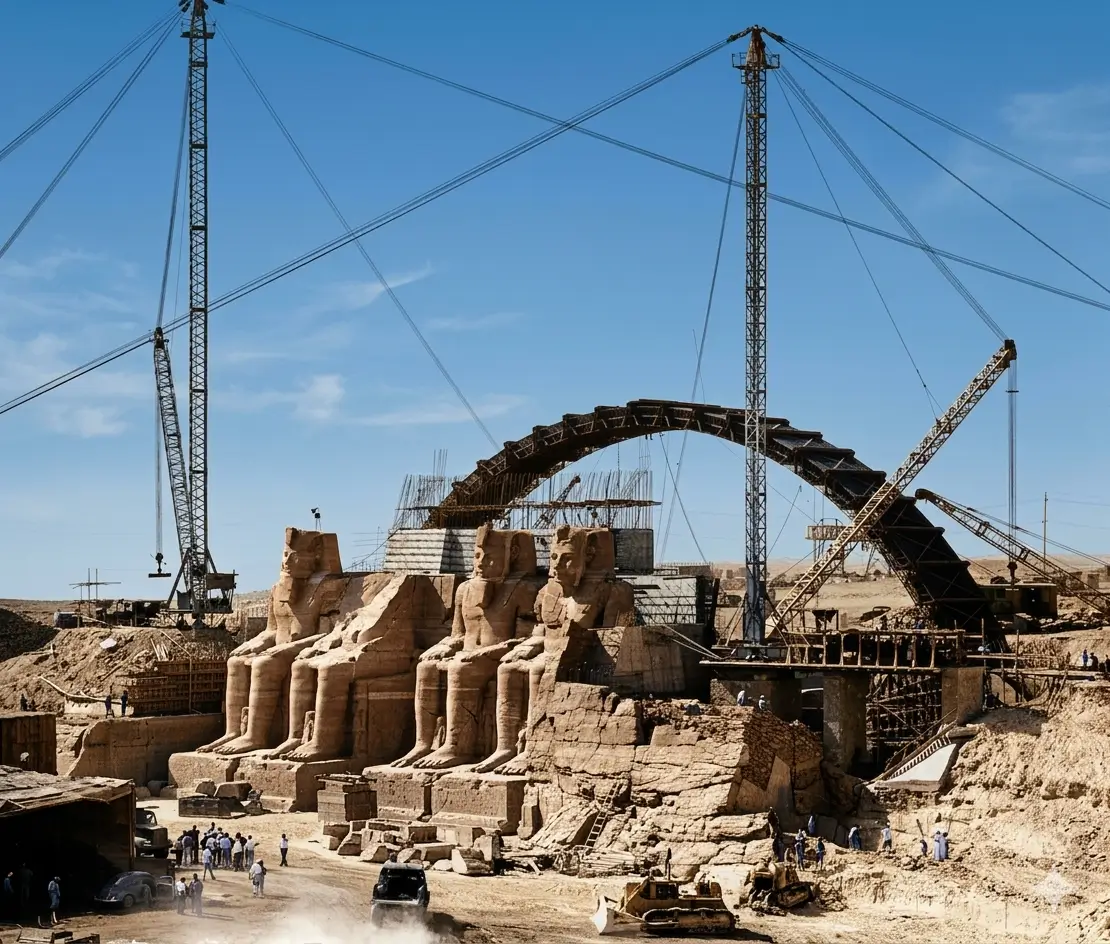
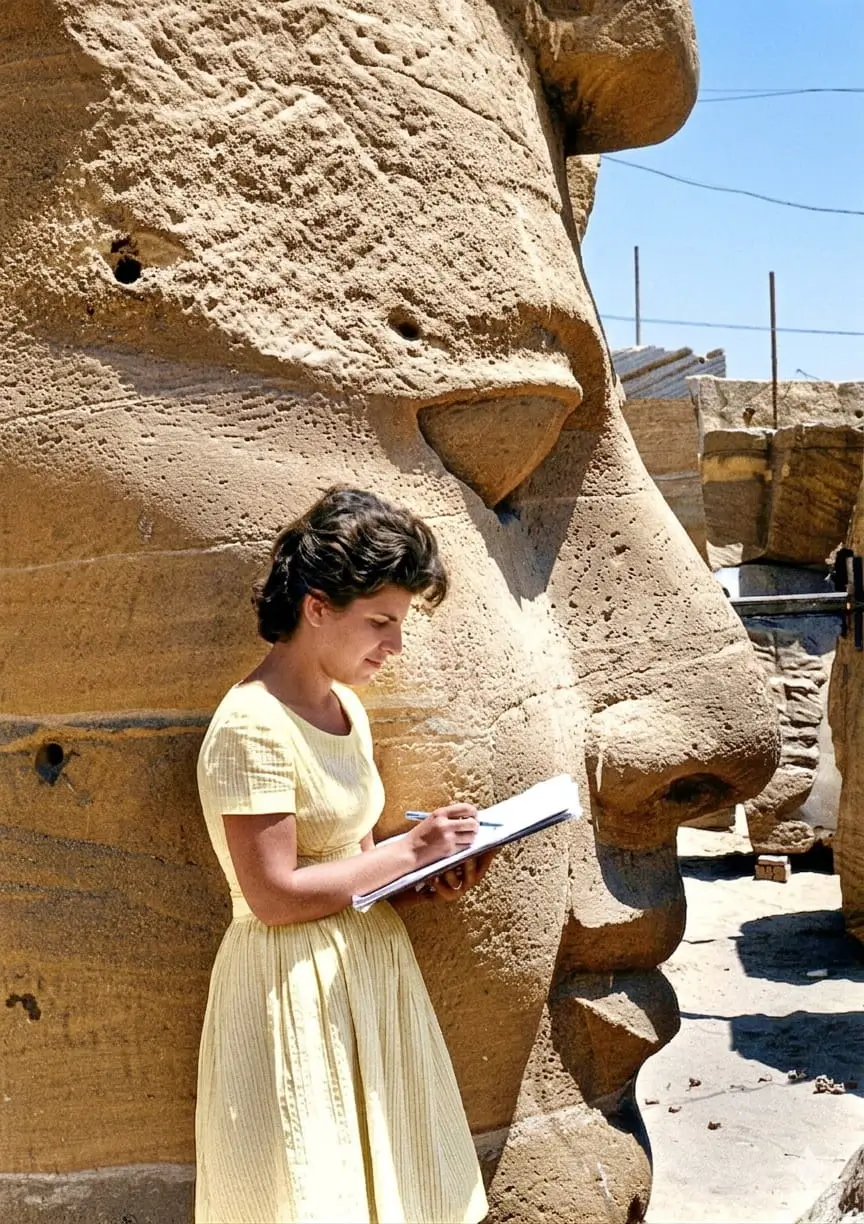
Moreover, the technical execution of the project demanded a level of accuracy that mirrored the work of the original ancient architects. Because the sandstone was fragile, engineers calculated every cut to minimize damage to the delicate reliefs. In addition to the physical relocation, researchers spent years documenting every square inch of the temple walls before they touched a single stone. Therefore, the successful reconstruction serves not only as a feat of modern machinery but also as a testament to our enduring commitment to preserving the 19th Dynasty’s historical narrative.