Ruling Ancient Egypt: The Pharaohs Government Explained

Explore the intricate government of ancient Egypt, a highly stable theocracy that endured for millennia. This system was built upon the absolute authority of the Pharaoh, a divine god-king believed to be the living link between the gods and the people. Discover the complex bureaucracy that supported his rule, from the all-powerful Vizier (his prime minister) to the regional governors and scribes who managed the land, collected taxes, and organized massive projects like the building of the pyramids.

The Government in ancient Egypt

Although people celebrate Ancient Egypt for its art and culture, its sophisticated government often receives less attention. This complex political structure of the ancient Egyptian government evolved over thousands of years, from around 3100 BC to 30 BC, playing a vital role in the civilization’s success. This essay will explore the various forms of government and highlight the key figures, primarily the pharaohs, who administered the state.

FUN

The Core Pillars Must-See Sites on Every Classical Itinerary

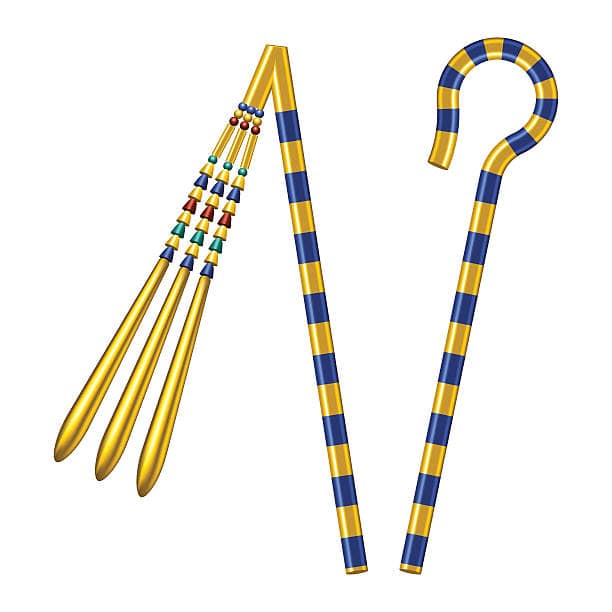
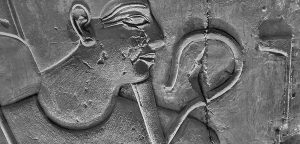
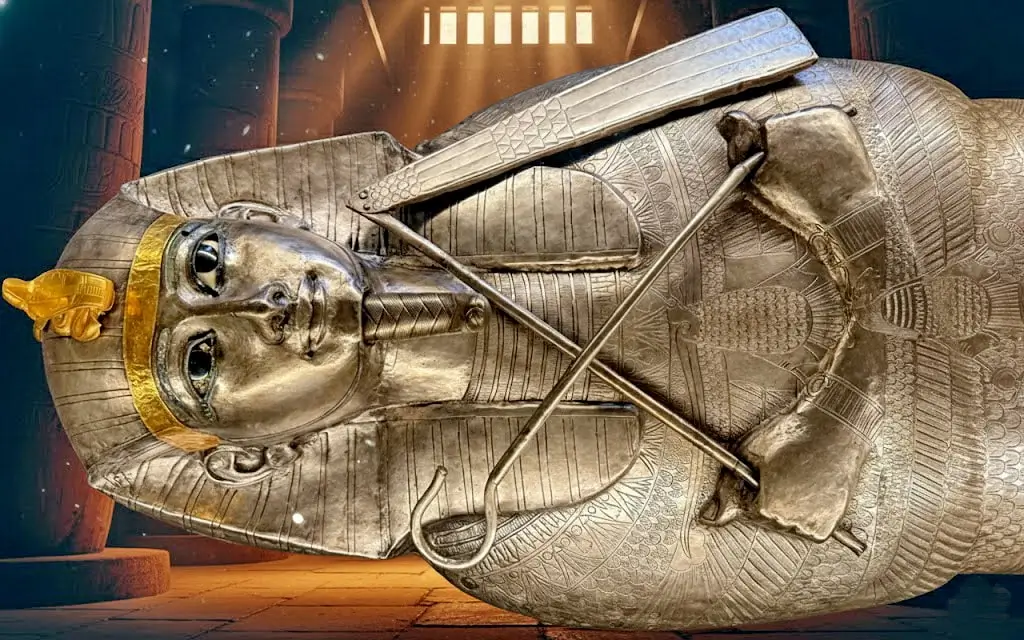
The pharaoh held the supreme position in ancient Egypt, serving as both the head of government and the state religion. Pharaohs were revered as divine rulers, believed by their subjects to be the direct representatives of the gods on Earth. The ancient Egyptian government involved numerous subordinates who assisted the Pharaoh in ruling the civilization. These advisors and officials formed the royal court. Given the central role of religion in ancient Egyptian life, many of these officials were also priests. The Pharaoh’s dual role as the supreme political and religious leader highlights the profound intertwining of religion and governance. Ancient Egyptian government - Crook and Flail in ancient Egypt - Egypt Fun Tours

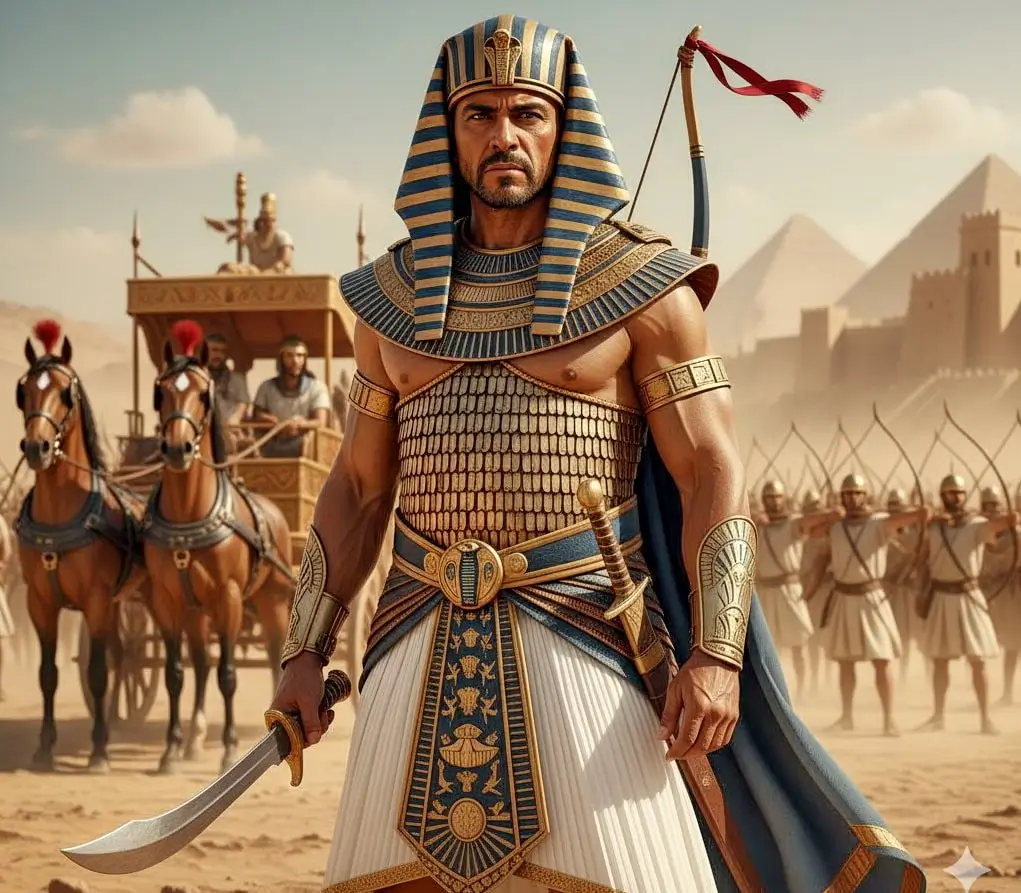
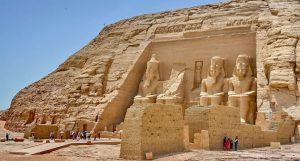
The pharaoh was responsible for maintaining order in the kingdom and ensuring the well-being of his people. One of the most successful pharaohs was King Ramesses II of the New Kingdom period. He was responsible for constructing many of the impressive monuments and temples that still stand today, such as the Temple of Abu Simbel. Ramesses II also oversaw many military campaigns that expanded the Egyptian empire, making him one of the most powerful rulers in antiquity.

FUN

Imhotep: A Visionary Figure

Imhotep Egypt Fun Tours

Imhotep, a name that resonates through history, was one of Ancient Egypt’s most celebrated figures. Serving as a vizier under Pharaoh Djoser during the 3rd Dynasty, he gained widespread renown for his extraordinary contributions to architecture and engineering. He is notably credited with designing the Pyramid of Djoser, the world’s first step pyramid, a monumental achievement that marked a pivotal moment in the evolution of pyramid construction.

Recognized as one of the earliest known architects and engineers, Imhotep demonstrated a diverse range of talents that extended far beyond construction; he was also a respected physician, high priest, and scholar, profoundly influencing various fields within Egyptian society. Imhotep’s diverse skills and innovative thinking left an indelible mark on Ancient Egyptian civilization, cementing his status as a legendary figure revered throughout the ages.

Influence of Pharaoh’s Wives on Government Matters

Ancient Egyptian Queens

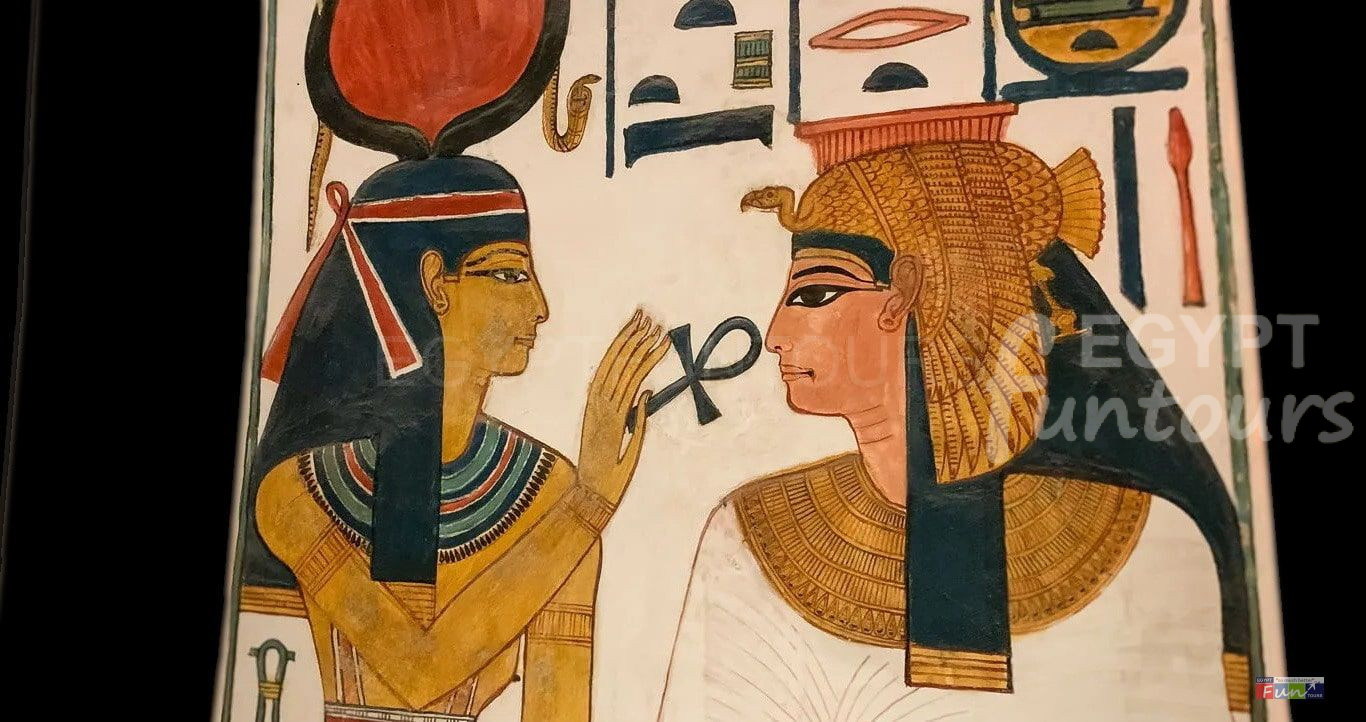
The Pharaoh’s wives held positions of considerable power and influence within the ancient Egyptian government, often playing crucial roles in state affairs. They wielded significant political sway, capable of influencing their husbands and other key officials on critical issues, and frequently served as trusted advisors, engaging in strategic planning and policy formulation. Their involvement went beyond ceremonial duties, underscoring their strategic importance in maintaining the stability and prosperity of ancient Egypt.

The Ancient Egyptian Government Structure

Ancient Egypt was administratively divided into several regions known as nomes, each overseen by a governor called a nomarch. These nomarchs reported directly to the pharaoh, playing a vital role in the centralized ancient Egyptian government. Nomarchs could attain their powerful positions through two primary avenues: inheritance or direct appointment by the Pharaoh. The role of a nomarch was often passed down through generations within prominent noble families, forming a family legacy.

If a nomarch belonged to an established lineage of rulers, their descendants typically assumed the position, ensuring continuity and regional stability. Alternatively, nomarchs could be appointed directly by the Pharaoh based on their proven abilities, unwavering loyalty, or distinguished service to the kingdom, a process reflecting merit and strategic considerations. Such appointments were sometimes strategic, made to solidify alliances or reward key supporters, thereby securing a region’s allegiance to the central ancient Egyptian government.

These dual pathways—inheritance and royal appointment—were crucial methods for filling these regional leadership roles, ensuring a delicate balance between respecting long-standing familial traditions and implementing strategic governance tailored to the Pharaoh’s immediate needs and political objectives. Through these processes, nomarchs effectively managed their respective regions, contributing significantly to the smooth and efficient administration of ancient Egypt.

Ancient Egyptian Economy

The existence of the Nile River, which was one of the factors of the ancient...

Related post
FUN

The General of Armies: A Crucial Military Role

The General of Armies; A Crucial Military Role

The General of Armies held a crucial position in ancient Egypt due to the constant need for military expertise and strategic leadership. This high-ranking officer advised the Pharaoh on war. They planned campaigns. They defended the kingdom against threats. The General crafted strategies to expand Egyptian territory. They also maintained dominance over conquered lands. They organized defenses against invaders. This ensured the civilization’s safety and security.

Historical Significance

Ancient Egypt frequently engaged in wars to expand its borders, necessitating a strong and capable military leader. Threats from neighboring territories required vigilant and skilled defense tactics, making this position indispensable. The General’s decisions could make or break the kingdom’s stability and power.

In summary, the General of Armies was crucial for maintaining both the expansionist ambitions and the defensive integrity of ancient Egypt, positioning this role as a linchpin in the survival and prosperity of the civilization. They were responsible for overseeing various aspects of government, such as law enforcement and public works.

The Role of Scribes in the Ancient Egyptian Government

The Enduring Importance - Ancient Egyptian Scribe

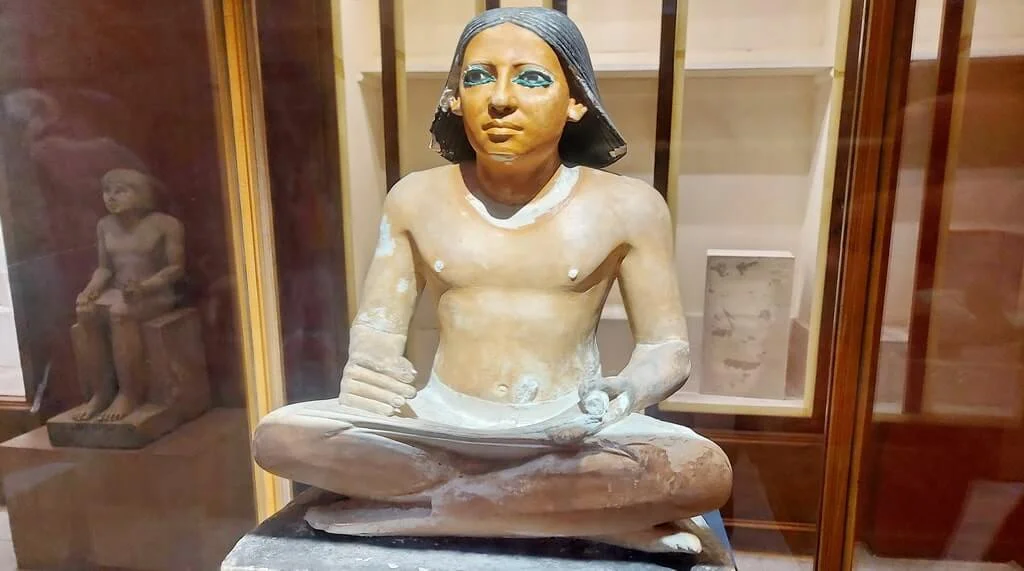
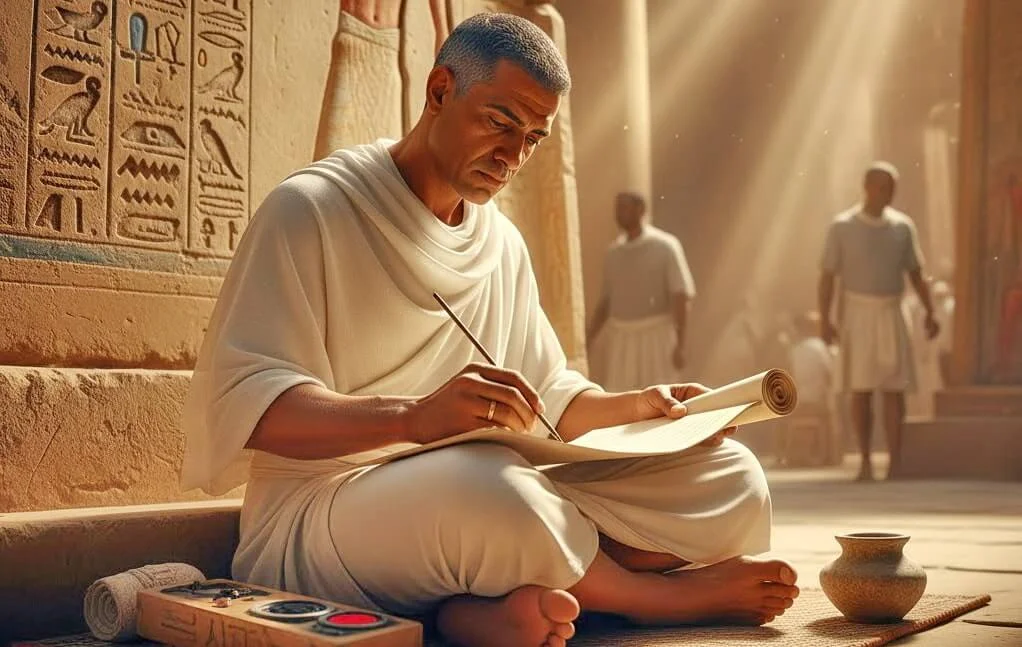
Scribes held a crucial position within the ancient Egyptian government. These highly skilled individuals were masters of writing, a vital skill in a society where meticulous record-keeping was essential. They had key responsibilities. They meticulously documented collected taxes. This ensured accurate financial records. They also managed administrative tasks. This included drafting decrees and correspondence. They preserved historical events and royal achievements. This contributed to Egypt’s enduring legacy. Their expertise in writing was invaluable. It played a vital role in maintaining the government’s efficiency and continuity.

What Kind of Information Did Scribes Record?

The Essential Role and Function of Ancient Egyptian Scribe

Scribes played a crucial role in the administration by meticulously documenting a wide range of information. Their expertise in writing allowed them to accurately record taxes, keeping detailed accounts of revenue. They also meticulously noted legal transactions, contracts, and court cases, preserving the legal integrity of the state. Important historical events and decrees were chronicled, providing a written record for future generations. Furthermore, scribes tracked agricultural data, including crop yields, livestock counts, and resource management, which were vital for planning and distributing provisions. Even religious activities, such as ceremonies, temple donations, and rituals, were carefully archived. By recording these diverse types of information, scribes ensured that the government operated smoothly and efficiently.
Memphis Open Air Museum: Guide to the Colossus and Ruins of Mit Rahina

The Memphis Open Air Museum (Mit Rahina) is a small but essential stop on any...
Related post
FUN

The Role of the Treasurer in Ancient Egypt

In ancient Egypt, the treasurer played a crucial role as the primary economic manager and advisor. This position held notable significance within the royal court, especially during the Middle Kingdom. The treasurer was responsible for overseeing the kingdom’s wealth, managing resources, and ensuring the economic stability of the state. Their key responsibilities included financial oversight, managing state finances, taxation, and the allocation of funds for various public works. They also handled resource management, controlling and distributing essential resources such as grain, gold, and other valuable commodities. As an advisor, the treasurer provided economic counsel to the Pharaoh, aiding in decision-making that impacted the entire kingdom. Overall, the treasurer was a vital figure in maintaining the economic health and prosperity of ancient Egypt.

Evolution of the Treasurer’s Role in the Middle Kingdom

Initially, the treasurer’s primary function was managing the Pharaoh’s finances and economic policies. However, as the Middle Kingdom progressed, this role expanded considerably within the royal court. The treasurer’s role evolved to include being the chief economic advisor, profoundly influencing state policies and financial decisions. They gained broader administrative authority, effectively becoming one of the most powerful officials in the kingdom. The responsibilities of the treasurer became centralized, consolidating economic control and resource management under one high-ranking position. By the Middle Kingdom, holding the office of treasurer was not just about managing wealth but also shaping the economic and administrative framework of Ancient Egypt.

Centralized and Autocratic

Ancient Egypt was not a democracy. The pharaoh and a select group of elites held absolute power, centralizing the governance structure. They held no elections, so citizens couldn’t vote or influence government changes. The royal family and high-ranking officials made all the decisions. This meant the average Egyptian had little to no say in the country’s administration. In summary, the political system was hierarchical and authoritarian, lacking the fundamental characteristics of a democratic system.

Ancient Egyptian Queens

Queens of Ancient Egypt The Ancient Egyptian Queens: In the annals of ancient history, the...

Related post
FUN

The Legal System

Queens of the Old Kingdom

Cases in ancient Egypt were typically heard by a local magistrate, often the nomarch. Decisions made by the magistrate could be appealed to a higher-level court, presided over by the vizier. The pharaoh held the ultimate authority in all legal matters, and their judgment was considered divine and irrevocable.

The Ancient Egyptian Economy

The economy of ancient Egypt was primarily agrarian, with the Nile River serving as the essential source of water for irrigation. The Nile’s annual flooding allowed farmers to produce multiple crops each year, which sustained a large population and facilitated the development of a division of labor and specialization. Beyond agriculture, other significant economic activities included trade, mining, and manufacturing.

Trade in Ancient Egypt

Trade was a vital component of the ancient Egyptian economy. Egypt was a major exporter of grain and other commodities such as papyrus, gold, and linen. Evidence suggests extensive long-distance trade with other civilizations, including Nubia, Punt (modern-day Somalia), and the Aegean. While silver and gold coins were minted, bartering goods remained the most common form of exchange for everyday transactions. The ancient Egyptian government also levied taxes on farmers and merchants to fund public works and support the army.

Citizen Participation in Ancient Egyptian Government

The governance structure of ancient Egypt was highly centralized and autocratic. Pharaohs wielded absolute power, and decision-making was confined to the elite class, including the royal family and high-ranking officials. For the ordinary Egyptian citizen, participation in government was virtually nonexistent. There were no public elections. There were no consultations. The voices of common citizens were unheard. The average person had no way to influence government decisions.

The Enduring Legacy of Ancient Egyptian Government

In conclusion, the ancient Egyptian government was a highly sophisticated system designed to maintain order and ensure the well-being of its subjects. The pharaoh, representing a divine authority, held absolute control over various aspects of the state. This complex system was supported by a bureaucratic administrative structure composed of numerous officials appointed by the pharaoh. The legal system, based on laws outlined in texts like the “Book of the Dead,” was crucial for maintaining peace and resolving disputes. While primarily agricultural, the economy also thrived through trade and other activities, integral to the civilization’s development. Overall, the ancient Egyptians created a complex system of government that continues to fascinate and inspire people thousands of years later.

Weather in Egypt

Make every moment count. A trip to remember....

This 10-day Luxor Archaeological Tour is your deep immersion into the glory days of the New Kingdom. The expedition is entirely focused on Thebes (modern...

Souqs and Markets in Egypt - Egypt Fun Tours

Cairo walking tours

After a rocky start (the driver had been in an accident on his way to pick me up,) the company very quickly sent another driver/guide named Mohammed, who was a real pro. Thoroughly enjoyed my first day in Egypt!

More »

Absolutely the best

We visited Cairo over a 15-hour layover. Egypt Fun Tours organized a customized and wonderful experience for us. We could not be happier. The day included a visit to all the great sites, the marketplace, dinner, a boat ride on the Nile, and a host of other special requests. I

More »

Great layover Tour!!

I had an excellent layover tour with Hani. He is knowledgable, fun, and passionate about his city. I went for a tour of the pyramids, sphinx, and to a papyrus factory which were all great. Ask him any question about Egyptian history and he will surely know the answer! Also

More »
Premium Cairo Tour Package Egypt Fun Tours

THE MOST AMAZING TRIP

Hi Hamada! Sorry, we were so quick to say goodbye—my mom was fading 🙂 I just wanted to say thank you for THE MOST AMAZING trip… You thought of every detail, improvised, adapted, overcame every challenge, multitasked personalities, and did it all with grace, intelligence, and kindness. From the bottom

More »
cairo layover tours - Pyramids and GEM Tour from Cairo Airport

Great layover tour

First things first…I was in Cairo about a week before the protests of 2011 started. As far as the tour was concerned, I was very pleased. I was met at the airport by a knowledgeable guide (Sara) who spoke great English and a driver. They took me to Giza first,

More »
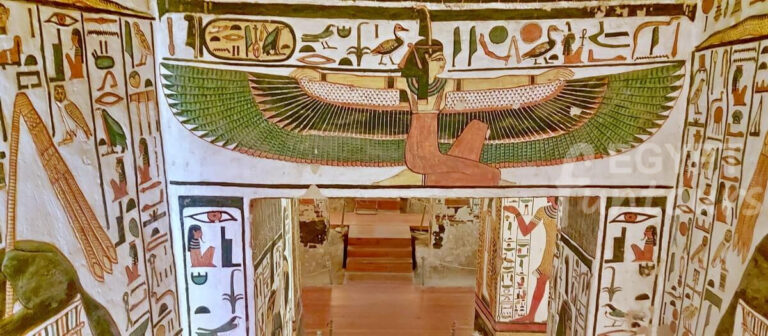
Isis with wings

Top-rated Tour Packages

Isis with wings