Ancient Egyptian traditions in Islam
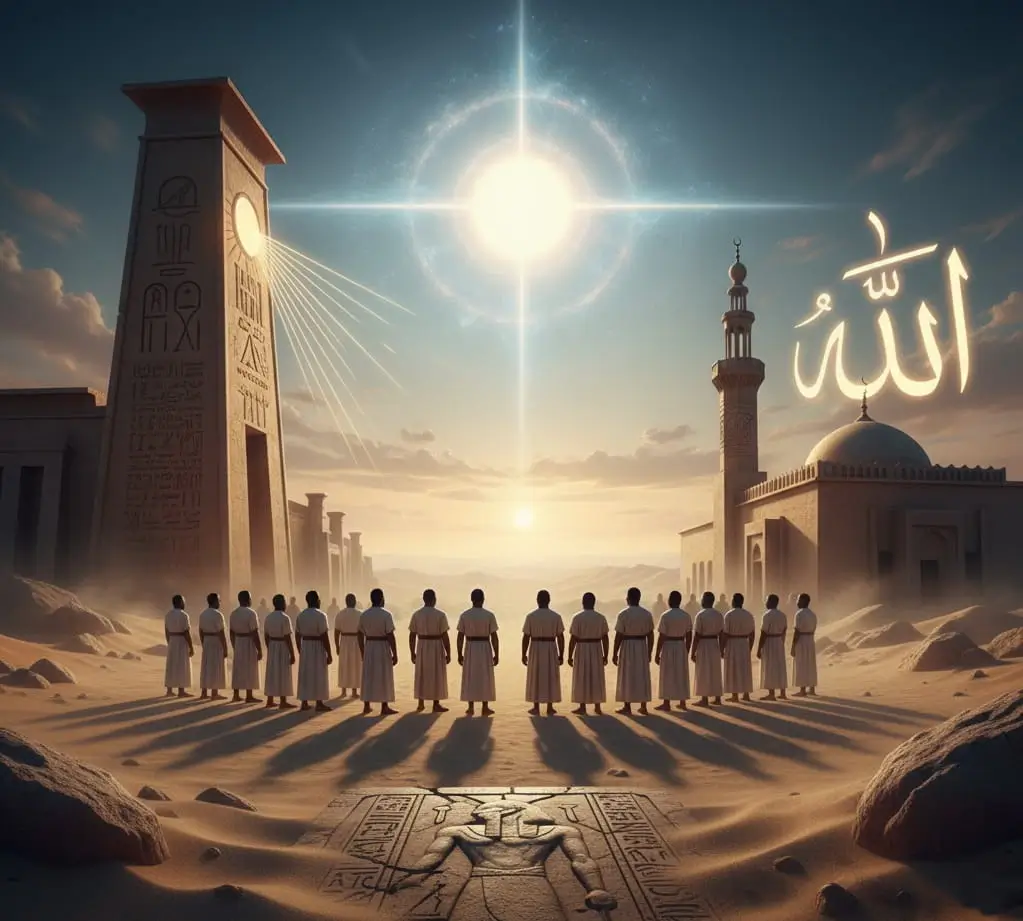
Many people think Egyptian history is a series of separate chapters. They believe each new religion erased the one before it. However, the study of Ancient Egyptian traditions in Islam shows that the past never truly died. Instead, the culture of the Pharaohs blended into the new faith. This created a unique version of Islam that you only find in the Nile Valley.
Ancient traditions didn’t just disappear when the language changed to Arabic. In fact, they survived in the way people pray, celebrate, and view the afterlife. This guide will show you how the spirit of the Pharaohs still lives today. We will look at the evidence in theology, architecture, and daily life. By the end, you will see that Egypt did not change its soul; it only changed its name.
The Myth of the Cultural Blank Slate
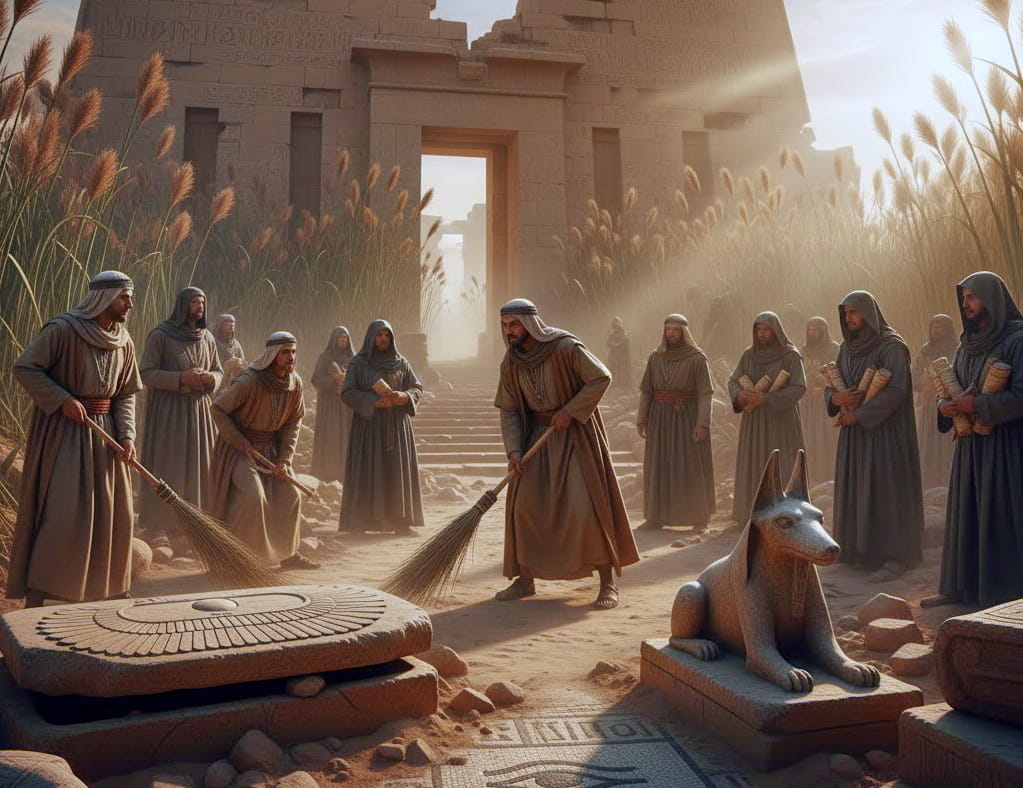
The Arab conquest of Egypt happened in 641 CE. Many historians describe this as a “reset” for the country. But this is a mistake. You cannot erase over 4,000 years of civilization overnight. The people of Egypt kept their core identity during the transition.
The Coptic Bridge
The Copts were the link between the Pharaohs and the Muslims. They are the direct descendants of the ancient Egyptians. Consequently, they kept the ancient solar calendar and the old language for their church services. When Egyptians began converting to Islam, they brought these “Coptic-Pharaonic” habits with them. They did not enter Islam as a blank slate. They entered as Egyptians with a very old worldview.
Why Egypt Stays the Same
Egypt is a “river-state” surrounded by desert. This geography forced the people to stay in one place for thousands of years. Unlike nomadic groups, the Egyptian farmer (the Fellah) depends on the Nile’s predictable cycles. Because of this, the Egyptian mind values stability and repetition. They do not like to throw away old customs. Instead, they “Islamize” them.
The Preservation of the “Egyptian Mind”
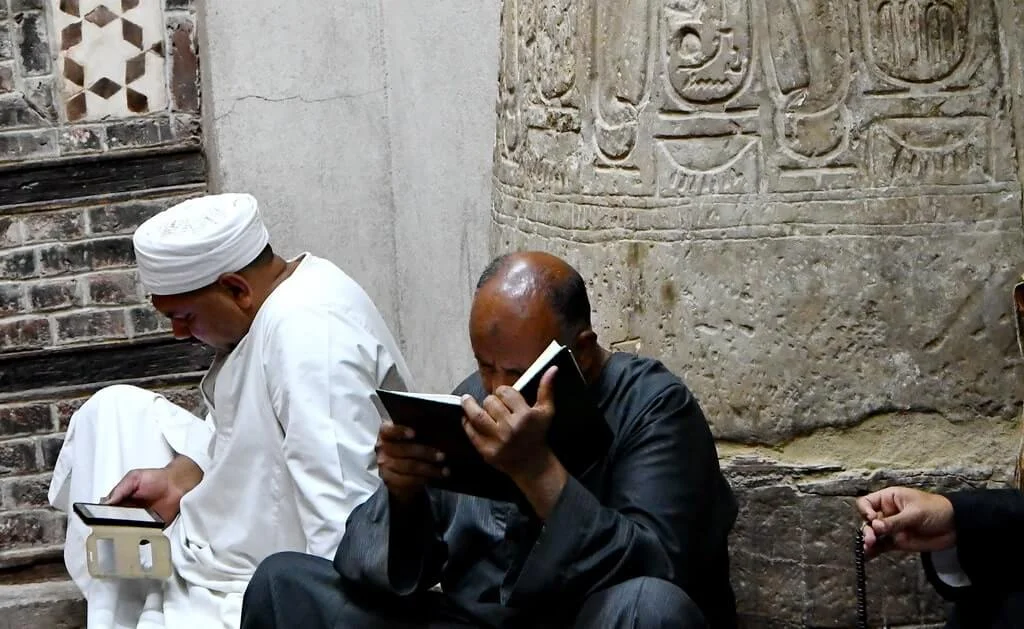
The transition to Islam was slow. It took centuries for the majority of the population to convert. During this time, the two cultures lived side-by-side. The new Muslims continued to speak the old language and follow the old farming rituals. As a result, many Ancient Egyptian traditions in Islam became permanent parts of the local culture. You can still see these traditions in modern Egyptian “folk Islam” today.