Ancient Egyptian Zoology: The Definitive Guide to Animals and Deities

Dive into the authoritative resource on Ancient Egyptian Zoology. This comprehensive guide reveals the profound and complex role animals played in shaping one of the world's greatest civilizations. You will move beyond simple observation to explore three critical pillars: the Biological reality of the Nile ecosystem, the Sacred manifestations of animals as zoomorphic deities (from Bastet the Cat to Anubis the Jackal), and the Practical partnership between humans and beasts in daily life and labor. Discover the fascinating history of animal mummification, their essential role in hieroglyphs, and the archaeological secrets modern science is now uncovering. This is the ultimate, evidence-based exploration of Egypt's remarkable bestiary.

The Profound Role of Animals: Ancient Egyptian Zoology

Animals did not just exist alongside people in Ancient Egypt. They were integral. They shaped the economy and defined the religious landscape. Moreover, they permeated every aspect of daily existence, from the simplest meal to the grandest temple ritual. Ancient Egyptian Zoology is not just a study of local fauna. It is a deep dive into the very soul of a civilization.

This authoritative guide gives you a comprehensive overview. You will discover the scientific realities of the Nile’s wildlife. You will examine the powerful zoomorphic gods and their sacred manifestations. Finally, you will explore the practical partnership between humans and beasts in Egyptian society.

We aim for this content to be the most complete resource on the web. We focus on clarity and perfect readability for you. To begin, we must first understand the fundamental relationship the Egyptians had with their fauna.

FUN

Wildlife of the Nile: The Egyptian Bestiary

Wildlife of the Nile; The Egyptian Bestiary - Ancient Egyptian Zoology

The Nile River was the lifeblood of Egypt. Consequently, the animals living along its banks were central to Egyptian zoology. This biodiversity was vast. It covered massive land animals down to the smallest desert rodents.

Mega-Fauna: The Great Beasts of the Valley

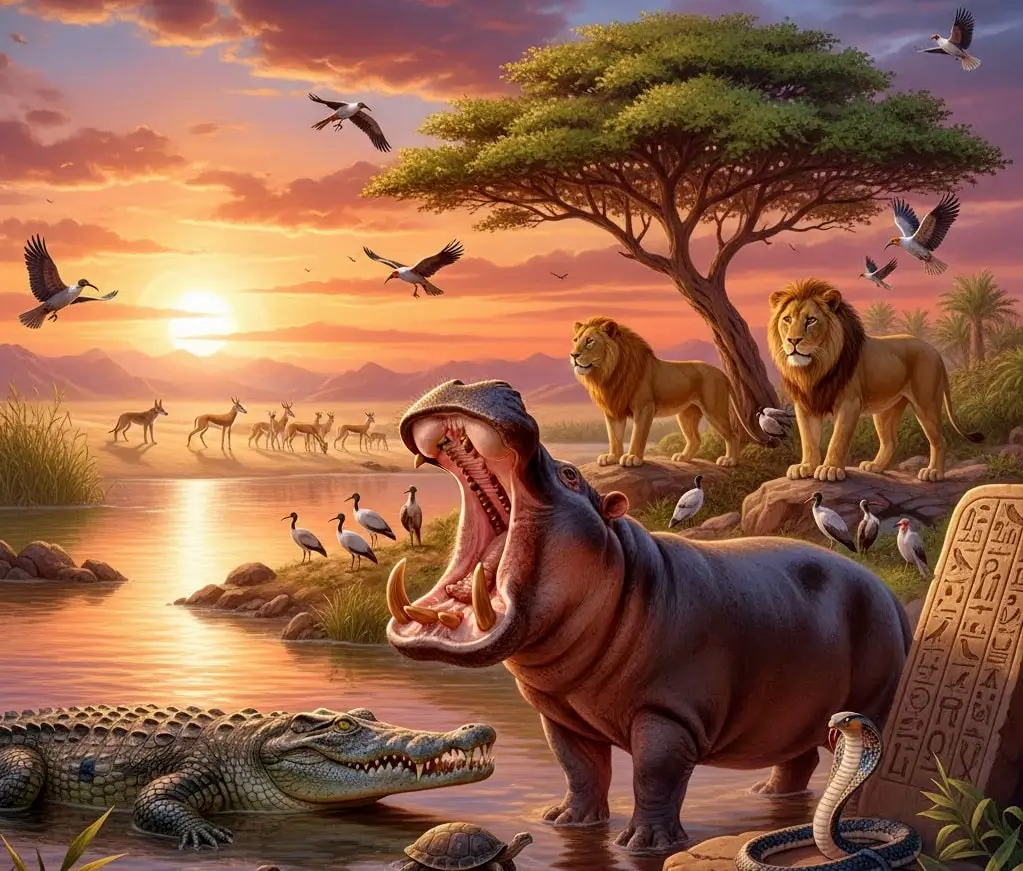
The largest animals commanded respect and fear. For instance, the Hippopotamus was a beast of brute strength. It posed a severe danger to fishermen and travelers. Later, it became linked to the chaotic god Seth. The Lion, by contrast, symbolized royal power. The goddess Sekhmet, representing war and healing, often took its form. Furthermore, the Elephant, while rare, was known in earlier times before receding southward.

The Reptilian and Amphibious World

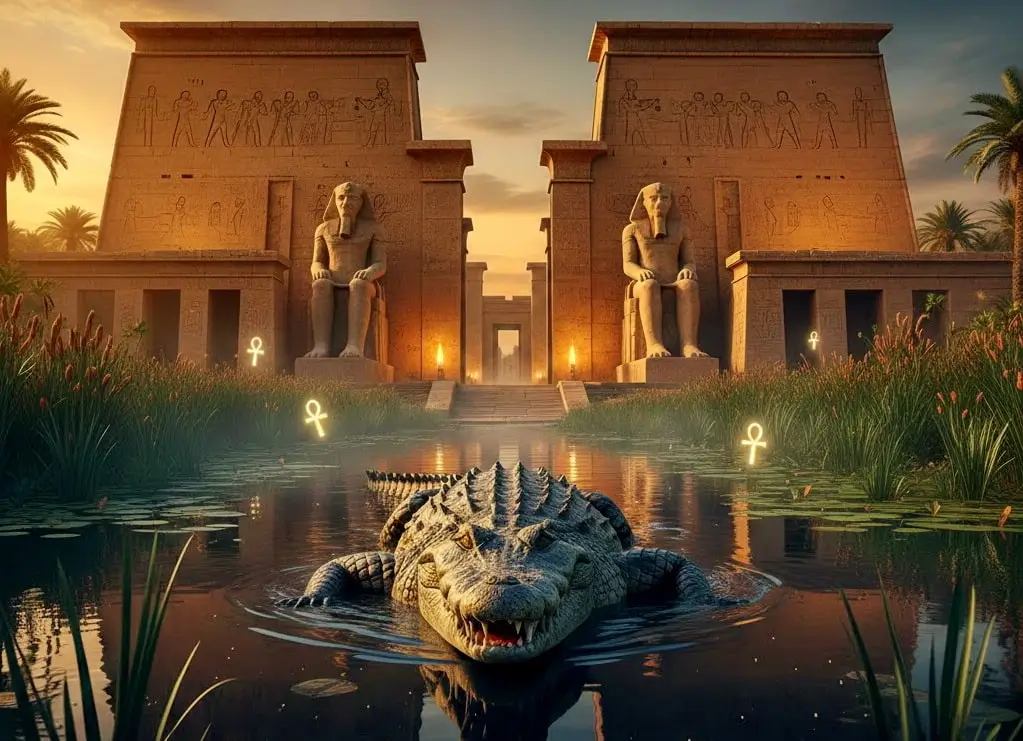
Anatomy of an Apex Predator; The Formidable Nile Crocodile

Water animals were equally important. The Crocodile was the ultimate symbol of the Nile’s unpredictable nature. It was both feared and worshiped as the god Sobek. The Cobra, or Asp, symbolized protection and royalty. This is why the Uraeus (rearing cobra) was placed on the Pharaoh’s crown.

Avian Life: Birds of the Sky and Water

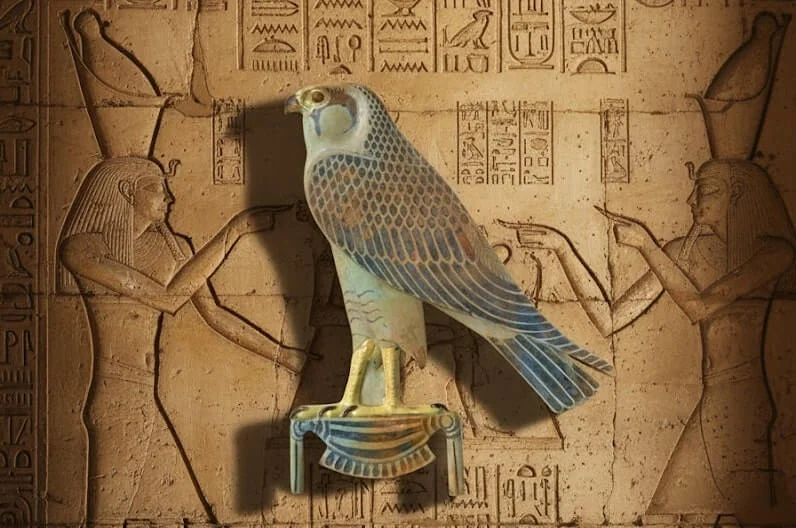
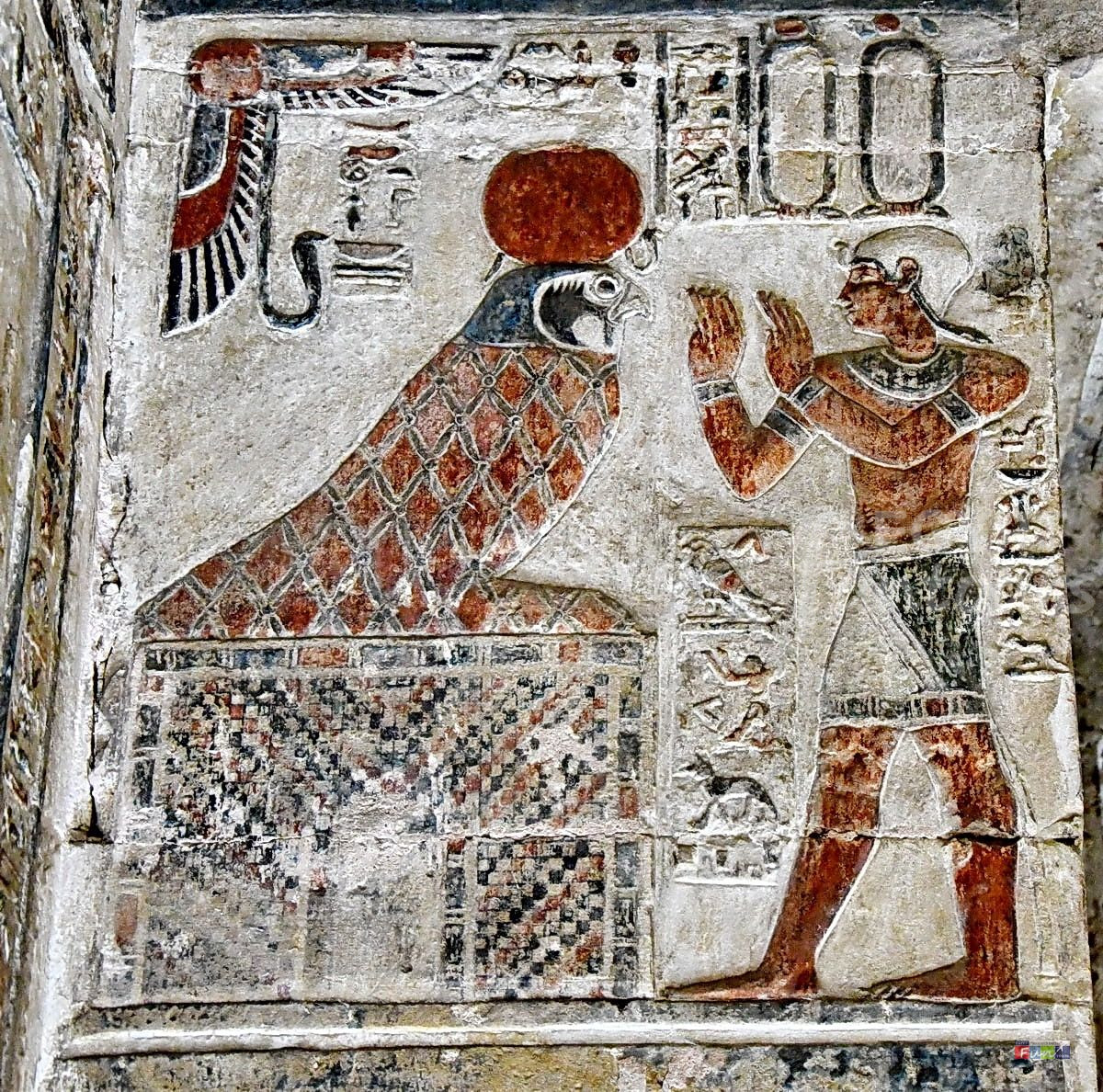
The Golden Horus Title - Hr Nbu

Birds were messengers between the sky and earth. The high-flying Falcon represented the sky god Horus. The Ibis represented the wise god Thoth, linked to writing and knowledge. The Vulture, specifically the Egyptian Vulture, symbolized the goddess Nekhbet. She was the protector of Upper Egypt. Waterfowl, like geese and ducks, provided an essential food source.

Desert and Borderland Creatures

Dogs in ancient Egypt Egypt Fun Tours

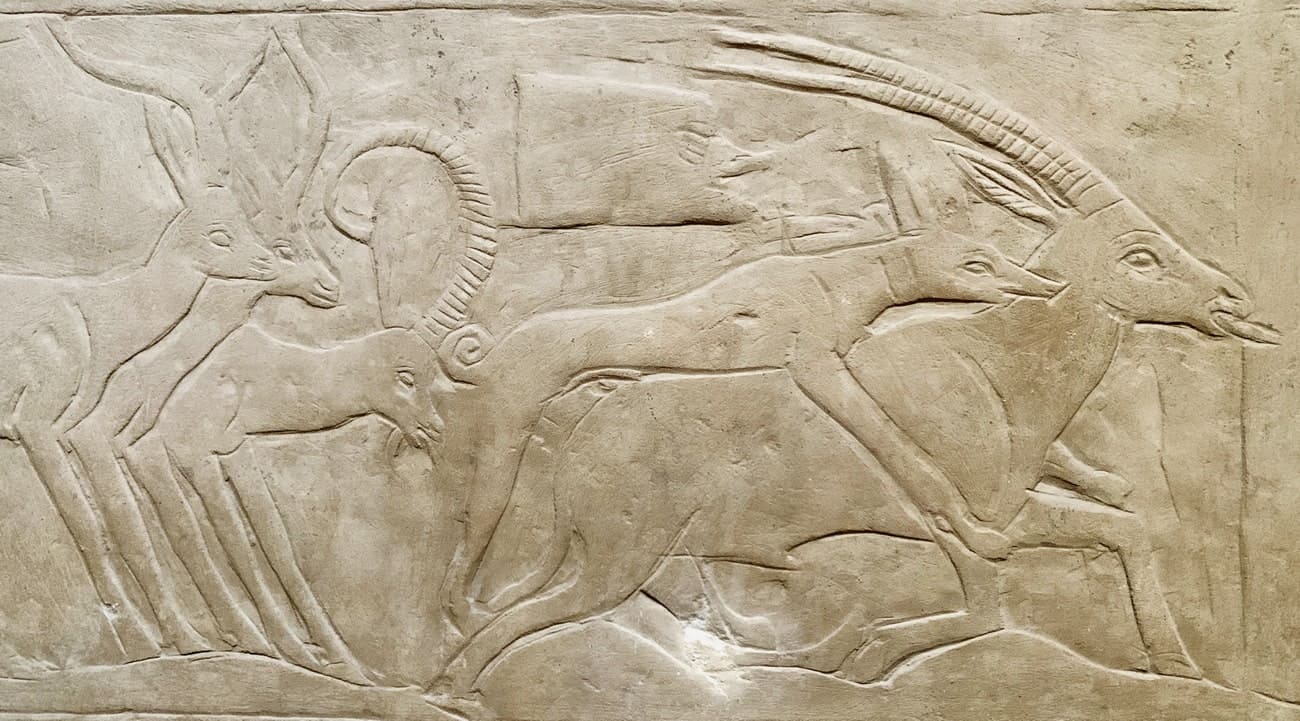
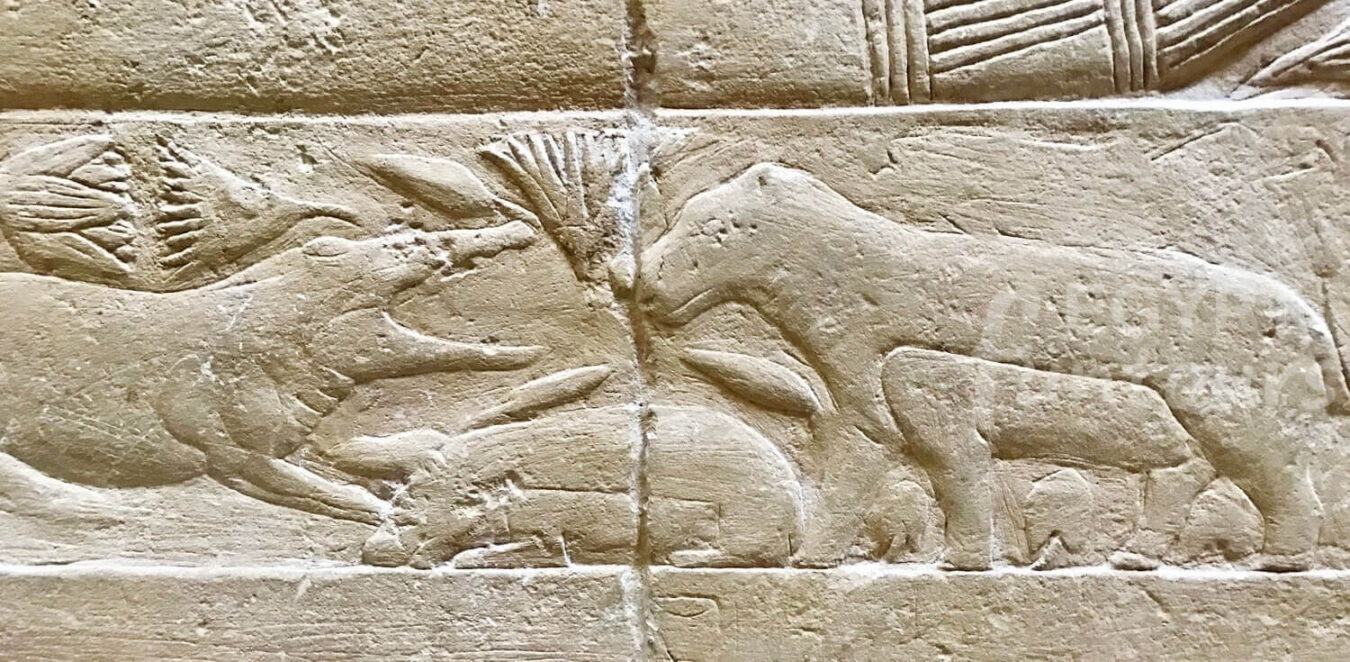
Animals that lived at the edge of the settled land held a powerful, liminal status. The Jackal, found lurking near cemeteries, was naturally associated with death and the afterlife. Consequently, the god Anubis, who oversaw mummification, took the form of a Jackal or wild dog. Gazelles and other fleet-footed creatures represented the wildness outside the ordered world of the Nile Valley.

This rich biodiversity was not just a backdrop; it profoundly shaped the core of Egyptian religious beliefs.

FUN

Animals as Deities and Divine Manifestations

Animals as Deities and Divine Manifestations - Ancient Egyptian Zoology

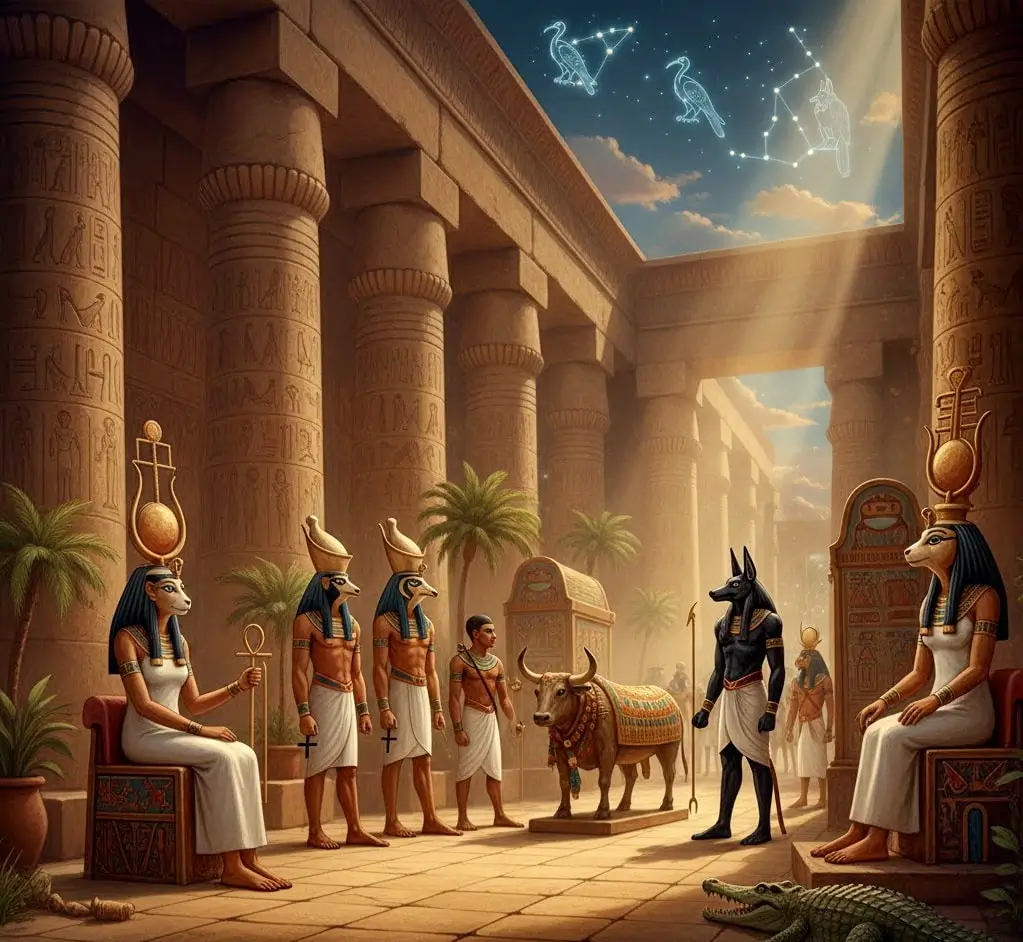
The Ancient Egyptians created one of the most complex pantheons in history. They often gave their gods animal heads or the forms of animals entirely. This practice is called zoomorphism.

Zoomorphism and Animal Representation

horus sky god ancient egyptian gods goddesses egypt fun tours

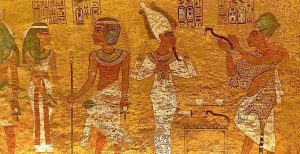
We must first clarify one key distinction. An animal was often a manifestation of a god, rather than the god itself. The falcon was the manifestation of Horus. It was not Horus in the sky. However, the reverence shown to the animal was total. This shows the deep respect they held for nature’s power.

The Powerful and Protective Deities

Certain animals were viewed as exceptionally holy. Their characteristics mirrored the gods’ powers.

  • Cat (Bastet): The domestic Cat symbolized fertility and protection of the home. Bastet, the cat goddess, protected against evil spirits and disease.
  • Ibis (Thoth): This bird was sacred to Thoth, the god of wisdom, magic, and writing. The Ibis’s beak was thought to resemble the crescent moon.
  • Falcon (Horus): The Falcon’s keen eyesight and ability to soar high represented the power of the sky god Horus. He was the protector of the Pharaoh.
  • Jackal/Dog (Anubis): Anubis guided the souls of the dead through the underworld. The Jackal’s link to the desert edges and cemeteries made it the perfect symbol for this role.
  • Crocodile (Sobek): Though dangerous, the Crocodile was sacred to Sobek, the god of the Nile and fertility. People offered mummies to appease his dual nature.
  • Cow (Hathor): The Cow embodied the gentle power of the goddess Hathor. She was the goddess of love, beauty, and motherhood.

The Sacred Apis Bull of Memphis

The Apis Bull offers a unique case study. It was a living god on Earth. Priests identified this specific bull by strict markings. When the Apis Bull died, the entire nation mourned. It received an elaborate burial. Consequently, a new bull was immediately sought as its successor.

Understanding the gods is only half the story; animals played an equally vital role in the day-to-day existence of the average Egyptian.

The Sacred Vulture: Symbol of Motherhood and Divine Power

Soaring above the Nile, the vulture was seen by ancient Egyptians not as an omen...
Related post
FUN

The Partnership: Animals in Work, Food, and Farming

The Practical Partnership Animals in Work, Food, and Farming - Ancient Egyptian Zoology

Animals formed the bedrock of the ancient Egyptian economy. Indeed, people relied heavily on them for sustenance, transport, and labor. This close working relationship was essential to the civilization’s survival.

Agriculture and Labor

Farmers depended on large domestic animals. Cattle, for example, pulled the plows across the fertile silt left by the Nile inundation. They also provided meat and milk. Donkeys served as the primary beasts of burden. They carried heavy loads of grain and construction materials. Furthermore, Egyptians raised Sheep and Goats. These animals supplied valuable wool and additional meat.

Hunting and Fishing
taming and hunting - Egypt Fun Tours

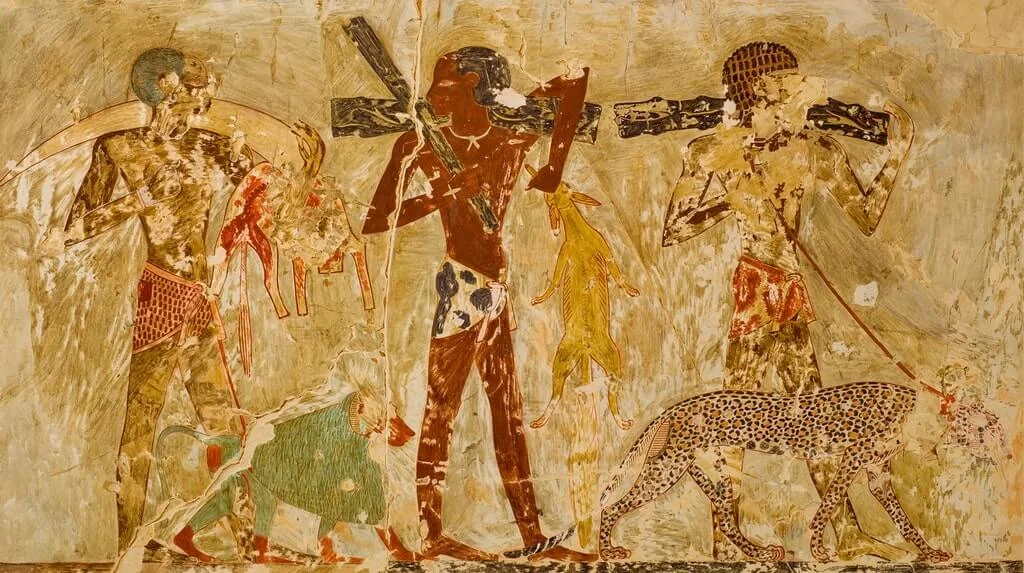
Egyptians actively hunted specific animals. The domestic cat, felis catus, proved invaluable here. It helped hunters catch birds in the marshes. Meanwhile, people caught fish using nets and harpoons. Fish provided a cheap and constant source of protein for the masses.

The World of Pets

Not all animals served a utilitarian purpose. Many Egyptians kept pets. Dogs, including breeds similar to the Pharaoh Hound, offered companionship and protection. Moreover, the Cat became arguably the most cherished pet. People also kept unfamiliar animals, such as Monkeys, as status symbols within the home.

This deep, daily interaction naturally led to the specialized practice of caring for and venerating these creatures even in death.

Eternal Life: Mummification and the Afterlife
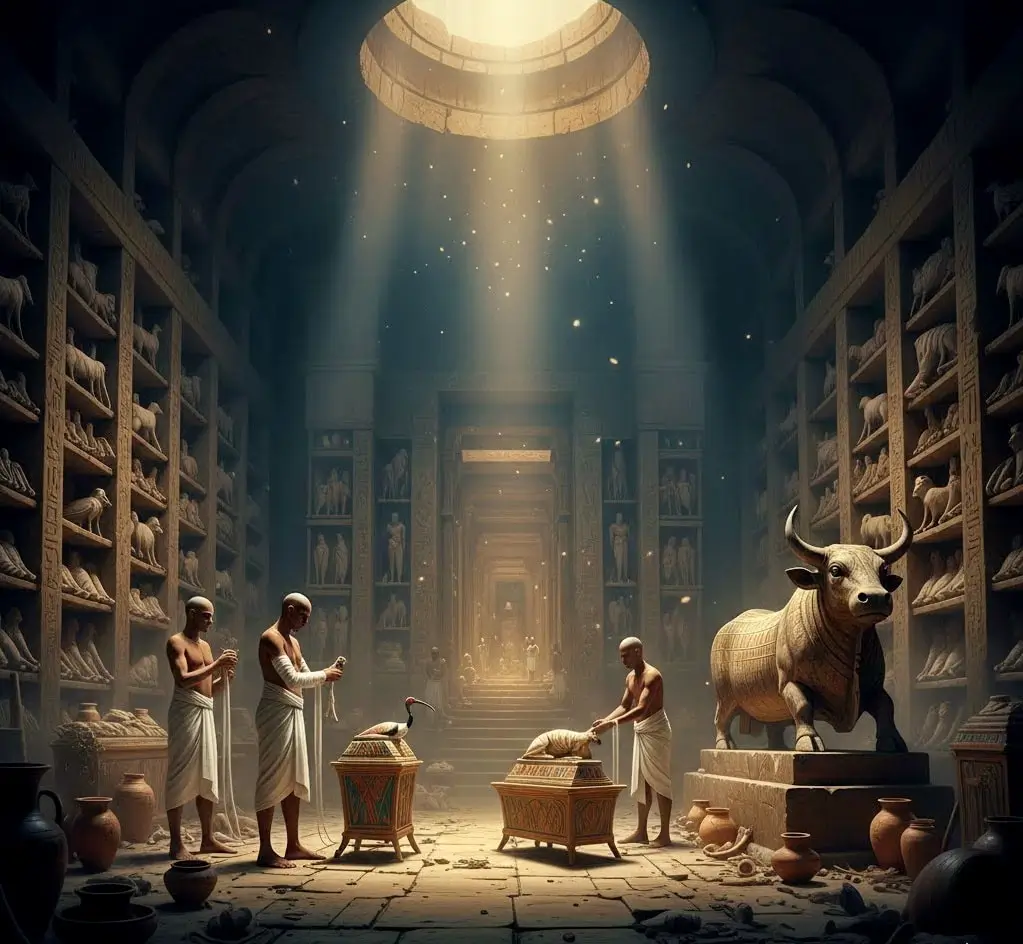
Eternal Life for All Creatures Mummification and the Afterlife - Ancient Egyptian Zoology

The Egyptian belief in eternal life extended far beyond humans. Therefore, the practice of animal mummification became widespread. Priests preserved millions of animals, giving us profound archaeological insight today.

Votive Offerings and Pilgrimage

Mummified animals primarily served as votive offerings. People would purchase a mummy—perhaps an Ibis or a Cat—at a temple complex. Subsequently, they offered it to the god (like Thoth or Bastet) as a form of prayer or thanksgiving. This shows the scale of piety.

The Sacred Animal Necropolis
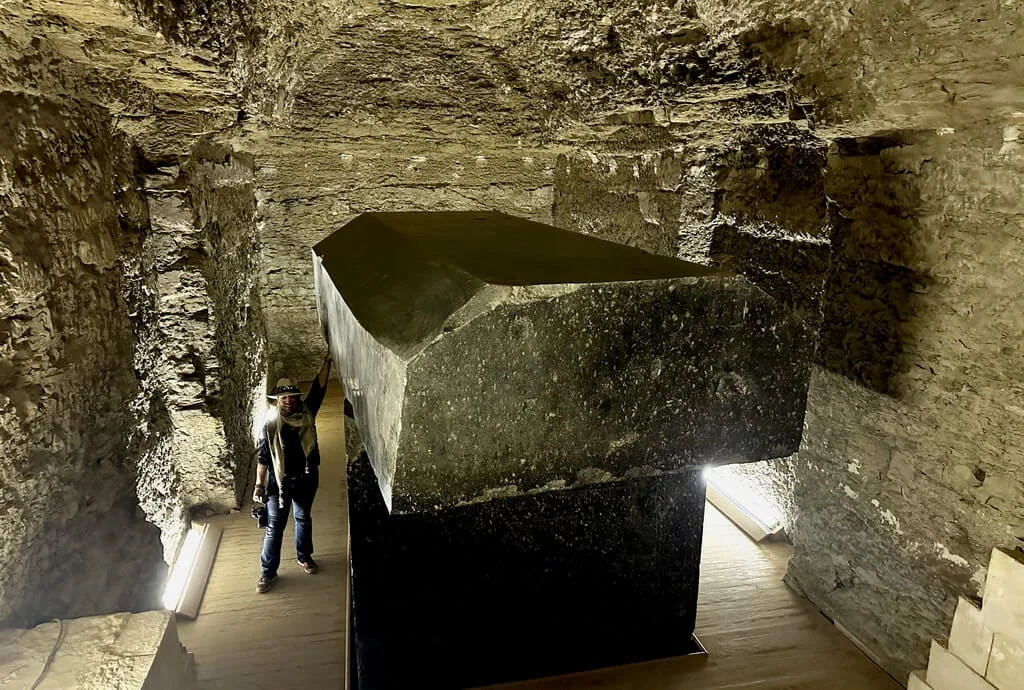
The Legacy of the Serapeum

Specific sites became massive animal cemeteries. The Serapeum at Saqqara houses the tombs of the sacred Apis Bulls. Furthermore, archaeologists have uncovered catacombs containing millions of mummies of Ibis, Falcon, and Baboon. This immense undertaking required a large-scale industry to supply and prepare the creatures.

The Ritual Purpose

Egyptians believed the animal’s spirit, or Ba, could intercede with the god. The mummification process preserved the physical body. Consequently, the animal could successfully make its transition to the afterlife and fulfill its ritual role.

The archaeological record, moreover, offers irrefutable proof of the Egyptians’ sophisticated biological understanding.

The Sacred Apis Bull: God Incarnate of Memphis

The Sacred Apis Bull of Memphis was a unique, living deity—the physical incarnation (Ba) of...
Related post
FUN

The Language of Fauna: Symbolism in Art & Hieroglyphs

The Language of Fauna Symbolism in Art & Hieroglyphs - Ancient Egyptian Zoology

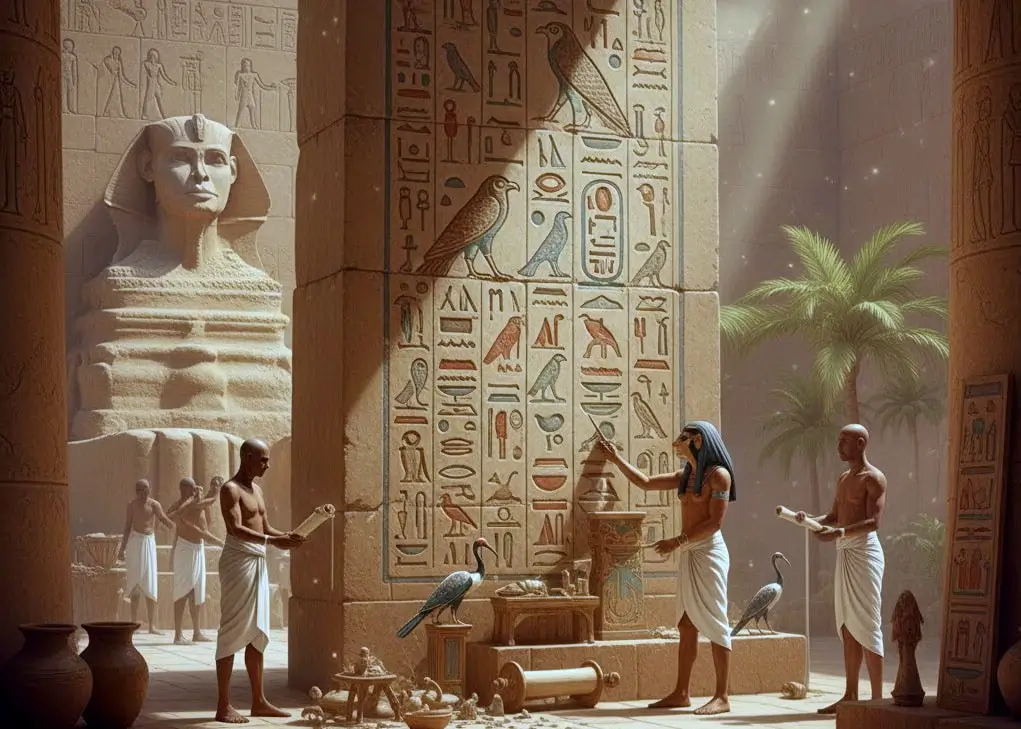
Animals provided the Ancient Egyptians with an essential vocabulary. Artists and scribes frequently used animal forms. In fact, these images acted as symbols, letters, and powerful protection signs.

Hieroglyphic Code

Animals formed the basis of the written language. Animal signs function as phonograms (representing sounds) and determinatives (clarifying meaning). For example, the image of the Owl represents the sound ‘m’. The Duck sign helps to clarify words related to bird life. This system makes the language visually rich.

Royal Symbolism and Protection

Legacy and cultural significance - egypt cultural tour - 12-day tour package - wheelchair-accessible tour - 12-Day Cairo and Upper Egypt Tour Package

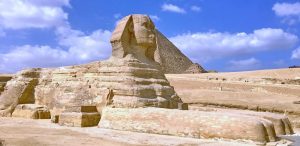
The Pharaoh actively used animal imagery to assert authority. The Uraeus (the rearing cobra) sat on the Pharaoh’s crown. It offered fiery protection. Likewise, the Vulture goddess Nekhbet flanked this cobra. Together, these two figures symbolized the unification and protection of the Two Lands (Upper and Lower Egypt). The Sphinx, combining a lion’s body with a human head, represented royal strength and intelligence.

Moral and Fable Literature

Storytellers sometimes used animals to convey moral lessons. Consequently, animals often starred in Egyptian folklore. These tales taught ethics or simply provided entertainment for the populace.

Of course, this intense closeness also carried significant biological risks for the population.

Dangers of the Nile: Conflict and Contagion

Dangers of the Nile Conflict and Contagion

The proximity between humans and the abundant wildlife presented serious challenges. Therefore, the ancient Egyptians had to constantly manage the threats posed by dangerous animals and diseases.

The Physical Threat

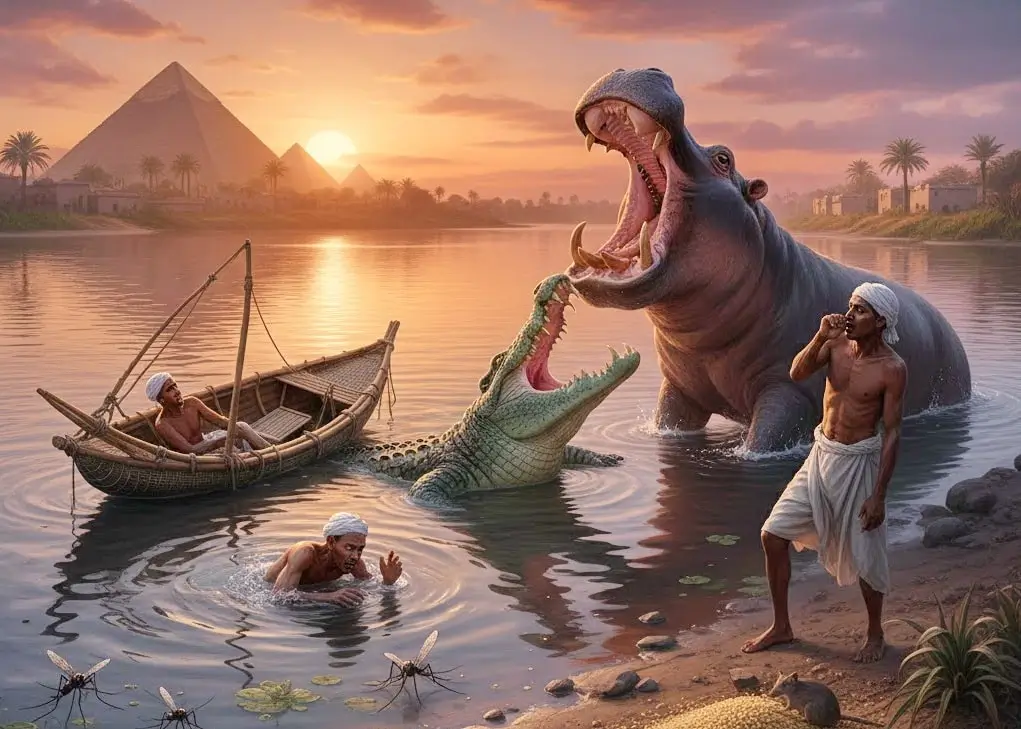
Certain animals directly threaten human life. The Hippopotamus, for instance, could easily overturn fishing boats and kill farmers. The Crocodile represented another lethal hazard. It preyed on livestock and people along the riverbanks. Consequently, Egyptians developed specialized hunting techniques and offered prayers to Sobek, hoping to appease these formidable beasts.

Disease and Pestilence

Animals and insects also transmit severe health risks. Rodents carried various diseases. Waterborne parasites, like those causing schistosomiasis, affected large portions of the population. Moreover, the proximity of domestic animals to human dwellings led to the constant danger of zoonotic diseases. Medical texts show physicians actively treated these animal-borne illnesses.

Ultimately, the comprehensive view of ancient Egyptian zoology informs our modern understanding of their society.

Dogs in Ancient Egypt: Companions to Guardians of the Underworld

Dogs in Ancient Egypt were revered and essential, serving both practical and spiritual roles. As...
Related post
FUN

New Light on Ancient Egyptian Zoology: Modern Discoveries

New Light on Ancient Egyptian Zoology Modern Discoveries - Ancient Egyptian Zoology

Archaeologists and zoologists today utilize cutting-edge technology. Hence, they continue to uncover new details about the animals of Ancient Egypt. Modern science provides valuable context to the historical record.

Advanced Mummy Analysis

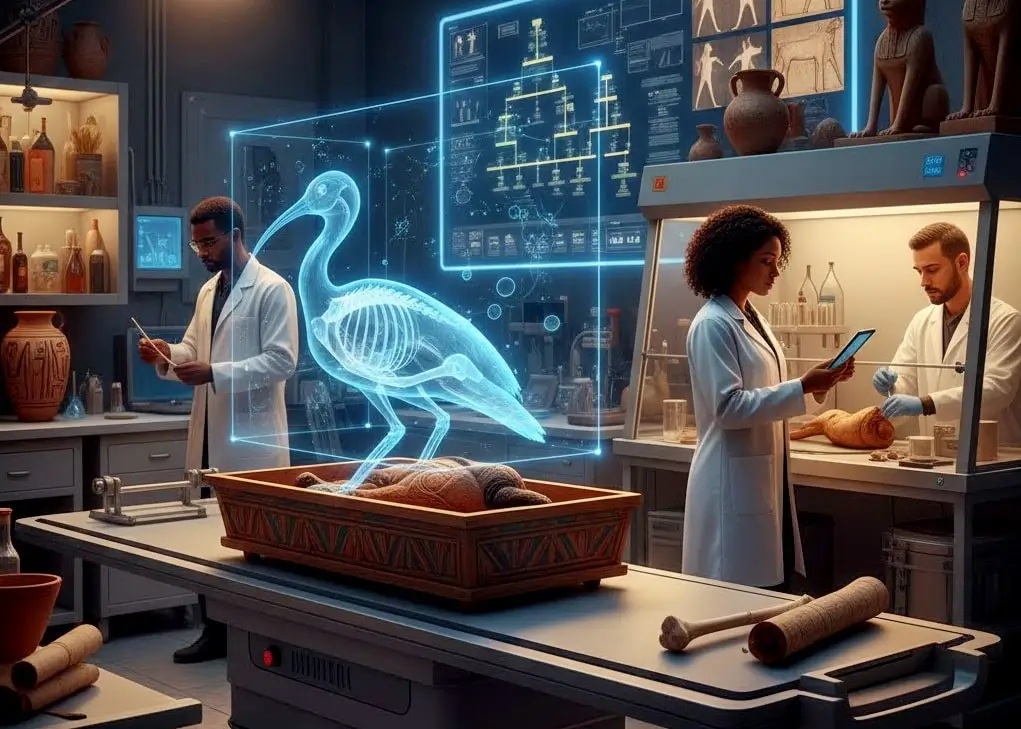
Scientists now use CT scanning and X-rays on animal mummies. This allows them to identify species, age, and causes of death without unwrapping the remains. They have discovered, for example, that some votive mummy bundles contained only partial remains or even sticks and mud, suggesting a robust but sometimes opportunistic industry.

DNA and Extinct Species

DNA analysis is revealing the genetic makeup of ancient Egyptian breeds. Researchers compare ancient dog and cat DNA to modern populations. Furthermore, scientists study temple reliefs and tomb paintings for classification. This helps us reclassify species that are now extinct or locally extirpated from the Nile Valley.

Understanding Ancient Environment

The detailed study of animal bones and botanical remains found in tombs gives us a clear picture of the ancient environment. Consequently, we can track changes in the ecosystem caused by climate shifts or human activity over millennia.

In conclusion, the legacy of ancient Egyptian zoology is one of the most compelling narratives in the history of human-animal interaction.

The Enduring Legacy of Egyptian Zoology

animals in ancient egypt - Ancient Egyptian Zoology

Ancient Egyptian civilization assigned animals a unique status. Truly, their approach transcended simple cohabitation. They successfully integrated animals into their core spiritual, economic, and political structures.

We summarize the three pillars: Animals were Sacred (as deities), Practical (for labor and food), and Symbolic (in art and writing). The animals of Egypt were not merely creatures. Instead, they acted as potent participants in the cosmic order, shaping the world’s first great civilization.

This comprehensive exploration has equipped you with the definitive knowledge of Ancient Egyptian Zoology.

Explore the charming wonders of ancient and modern Egypt....
DIscover the Nile River and the Red Sea Charming activities....

Well Done

All aspects of the experience were considered and well taken care of. Knowledgeable and friendly guide and organized itinerary.

More »

Amazing Experience

Hamada was incredible! So knowledgeable and kind. He had information about every item, street corner, and relic we looked at. Any questions we had, he had answers! He even made sure to give us tips while walking through the crowds so that we would feel more comfortable when being approached

More »

Perfect layover Tour

I had a 10 hour layover in Cairo so booked a tour with Hani at Egypt Fun Tours. The tour was brilliant. I saw exactly what I wanted to see during the day which included the pyramids, Sphinx, Egyptian museum and the Bazaar. Hani was very knowledgeable and was the

More »
12 Days Solo Woman Tour Package (Queen Cleopatra)

Mohamed is Very Kind Person

Mohamed. I just want to thank you again for your kindness. You made our trip memorable. Give your family and the Egypt Fun Tours crew all my love and thank them again for me. Take care. Enjoy the season! Love. Linda

More »
Isis with wings

Top-rated Tour Packages

Isis with wings