Tutankhamun: The Complete Story of the Boy King and the Golden Tomb

Tutankhamun is the most famous face of Ancient Egypt, yet in his own time, he was a minor king who died before turning 20. His fame comes not from his life, but from his death. While tomb robbers stripped the graves of great pharaohs like Ramesses II, Tutankhamun's tomb (KV62) remained hidden under debris for 3,000 years. Its discovery by Howard Carter in 1922 revealed over 5,000 artifacts—including the iconic solid gold death mask—providing the world with its only perfectly preserved glimpse into royal Egyptian wealth.

“Can you see anything?” “Yes, wonderful things.” Those three words, spoken by archaeologist Howard Carter in 1922, changed history forever. When Carter peered into the darkness of KV62, he wasn’t just looking at gold. He was looking at a miracle of survival. Tutankhamun (often called King Tut) is the greatest paradox of Egyptology.

  • In Life: He was a sickly boy who ruled for only ten years. He accomplished little. He conquered no empires.
  • In Death: He is the most famous Pharaoh who ever lived.

Why? Because history forgot him.

Ancient robbers looted the tombs of giants like Thutmose III and Ramesses the Great. However, rubble from a later construction project concealed Tutankhamun. History literally buried him.

Consequently, his tomb sat untouched for 3,000 years. When Howard Carter finally opened it, he unleashed a global obsession—”Tutmania”—fueled by tales of gold, mummies, and a mysterious curse. Yet, beyond the glitter and Hollywood myths lies a tragic human story.

Tutankhamun: The King Who Survived
The King Who Survived - Tutankhamun

To understand Tutankhamun, you must look past the gold mask. He was a child born into a religious revolution and a teenager forced to marry his sister. Severe health issues plagued the young king. He walked with a cane until his premature death at 19.

Modern science has finally peeled back the layers of linen.

  • The DNA: We now know exactly who his parents were.
  • The Body: CT scans have revealed the physical deformities that plagued him.
  • The End: We have moved closer to solving the murder mystery that has stood for decades: How did he die?

In this definitive guide, we will explore the treasures of the tomb, debunk the “Curse of the Pharaohs,” and reveal the scientific truth about the Golden King.

FUN

Tutankhamun: The Boy King (Life & Lineage)

What is the Curse of King Tut Pharaoh?

Tutankhamun was born into a storm. To understand his life, you must look at his father, the “Heretic King” Akhenaten. Akhenaten had overturned centuries of tradition. He banned the old gods, closed the temples of Amun, and built a new capital city dedicated to the sun disk, the Aten.

Tutankhamun (originally named Tutankhaten) grew up in this isolated desert city. But when his father died, the revolution collapsed.

Restoring the Old Gods

At roughly nine years old, the boy took the throne.

  • The Name Change: One of his first acts was changing his name from Tutankh-ATEN (“Living Image of the Aten”) to Tutankh-AMUN (“Living Image of Amun”).
  • The Return: He abandoned his father’s city and moved the royal court back to Thebes. He reopened the temples and restored the priesthood.

Even as a child, he was the face of the “Counter-Reformation,” bringing Egypt back to its roots.

The Family Tree (A Genetic Tragedy)

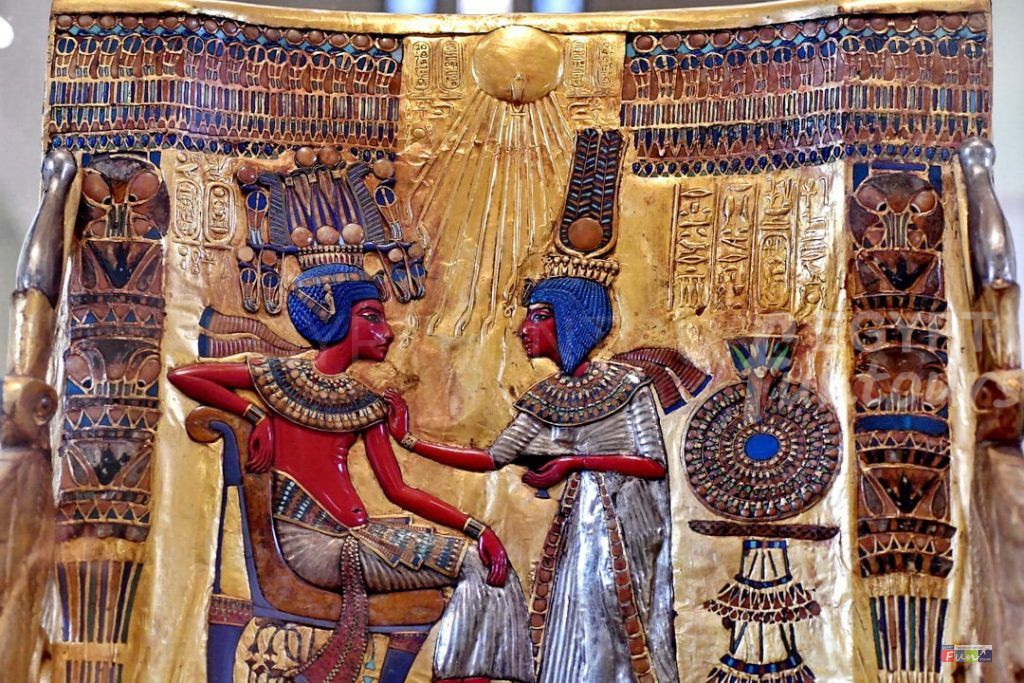
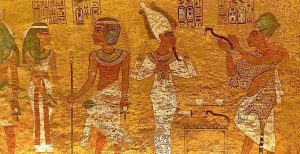
What Is the Importance of King Tutankhamen's Tomb? - Egypt Fun Tours

For decades, historians guessed at his lineage. In 2010, DNA science gave us the answer, and it was shocking.
The DNA Results:

  • Father: Akhenaten (confirmed).
  • Mother: The “Younger Lady” (a mummy found in KV35).
  • The Relation: His parents were full brother and sister.

The Consequences: This incest was disastrous for Tutankhamun. It concentrated genetic defects. He did not look like the golden mask.

  • He had a cleft palate.
  • He had a clubfoot (Köhler disease) that forced him to walk with a cane.
  • His immune system was severely compromised.

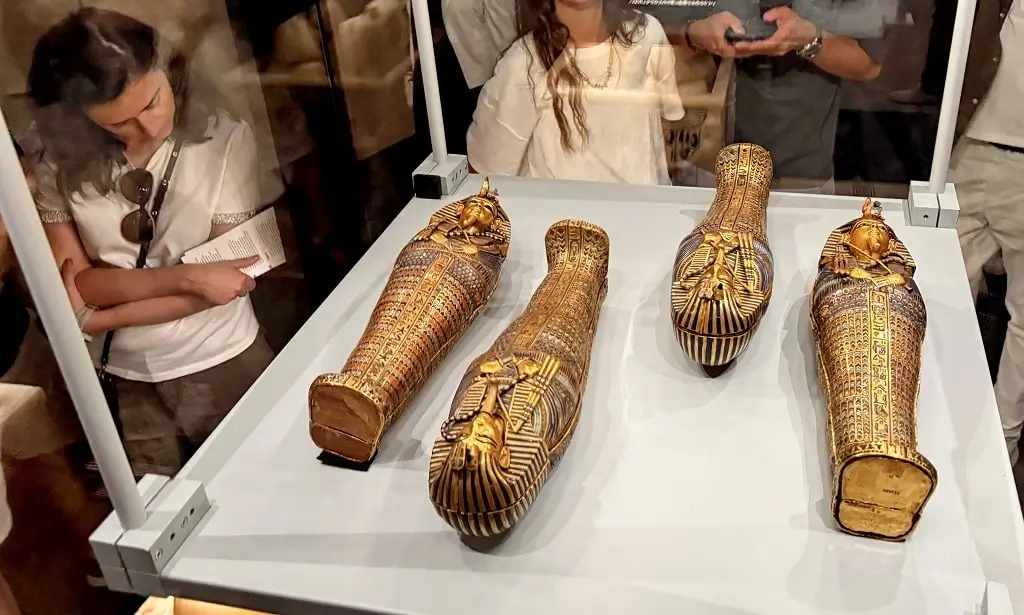
The Wife and the Tiny Coffins

The Wife and the Tiny Coffins - King Tutankhamun

The tragedy continued in his own marriage. He married his half-sister, Ankhesenamun. They tried to have children. Inside KV62, Howard Carter found two tiny coffins.

  • The Contents: They contained two stillborn daughters. One was five months gestation; the other was near full-term.

The line of the 18th Dynasty was dying out in real-time.

FUN

Tutankhamun: The Discovery of the Century (1922)

When was King Tutankhamun's tomb discovered?

By 1922, the Valley of the Kings was considered “empty.” Archaeologists believed every grain of sand had been sifted. But one man disagreed. Howard Carter. Carter was convinced one tomb was missing: KV62.

  • The Clues: A few faience cups bearing the name “Tutankhamun” had been found near the valley floor years earlier.
  • The Funding: He was backed by the wealthy Lord Carnarvon. But after years of failure, Carnarvon was done. He gave Carter funding for one final season.

It was literally now or never.

Breaking the Seal

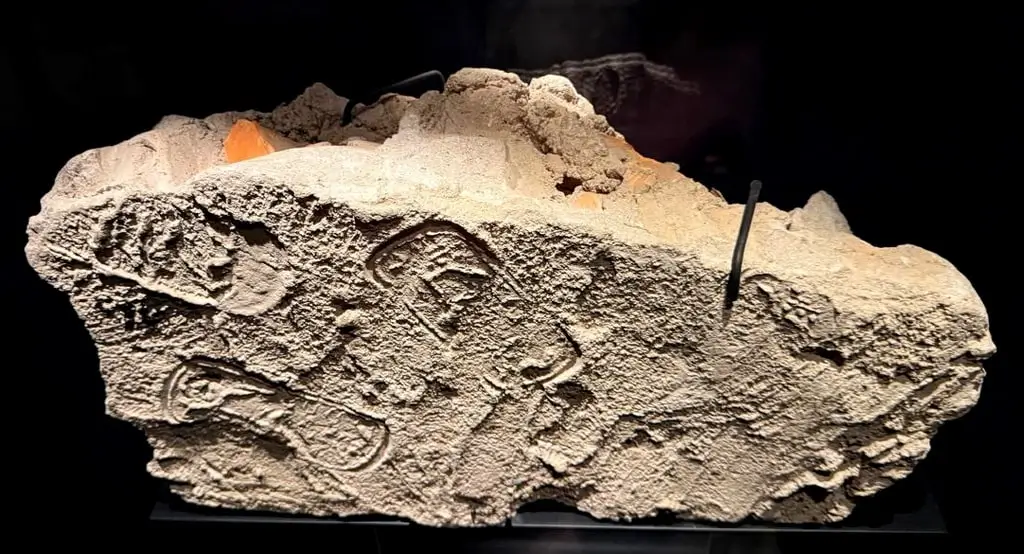
Breaking the Seal - Tutankhamun's tomb

On November 4, 1922—just three days after digging started—a water boy carrying jars for the workers tripped on a stone. He brushed away the sand. It wasn’t a rock. It was a step. Carter’s team dug feverishly. They revealed a staircase leading down to a sealed door plastered with the jackal seal of the royal necropolis. Carter wired Carnarvon in England:

“At last have made wonderful discovery in Valley; a magnificent tomb with seals intact.”

The Moment of Truth

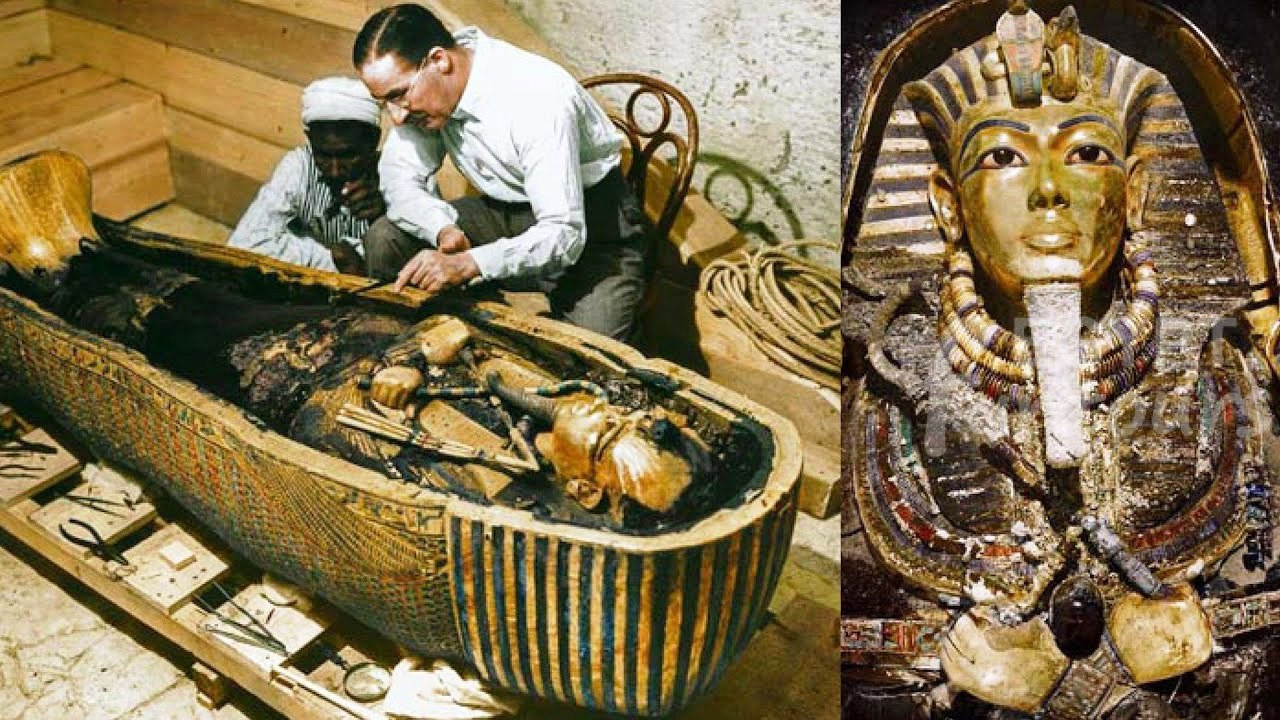
On November 26, Carter stood before the second sealed door. He made a small hole in the upper left corner and inserted a candle to test for foul gases. As his eyes adjusted to the darkness, the hot air escaping the chamber caused the candle flame to flicker.

  • The Question: Lord Carnarvon asked anxiously, “Can you see anything?”
  • The Answer: Carter famously replied, “Yes, wonderful things.”

The Inventory (Organized Chaos)

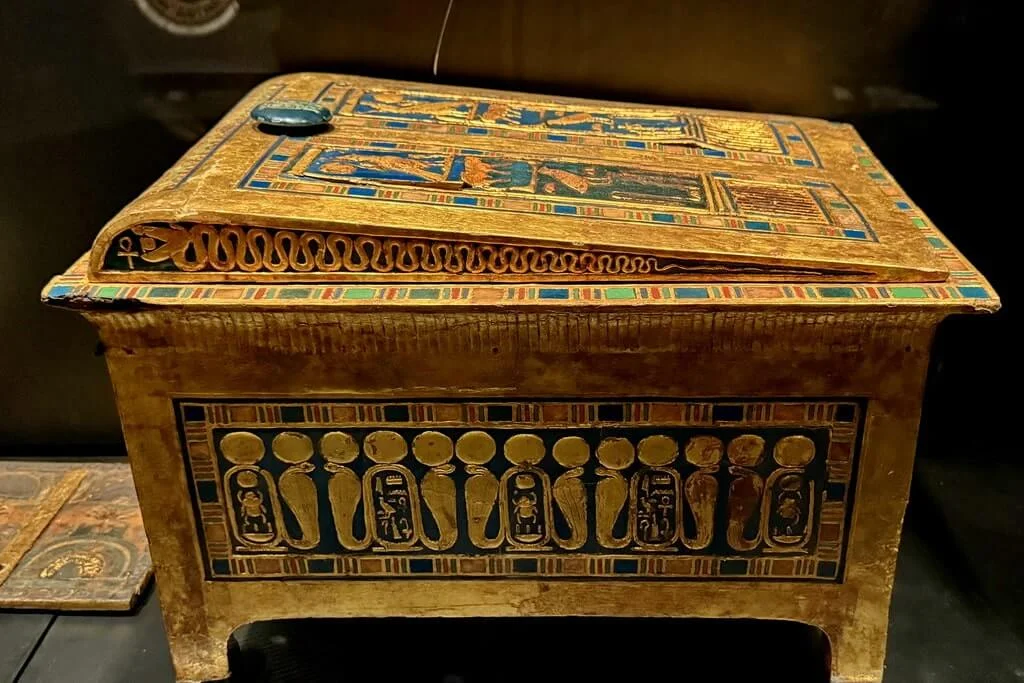
What Happened When King Tutankhamen's Tomb Was Discovered?

What they saw inside the Antechamber was overwhelming. It looked like a storage shed. Ancient priests had shoved items in haphazardly after an early robbery attempt.

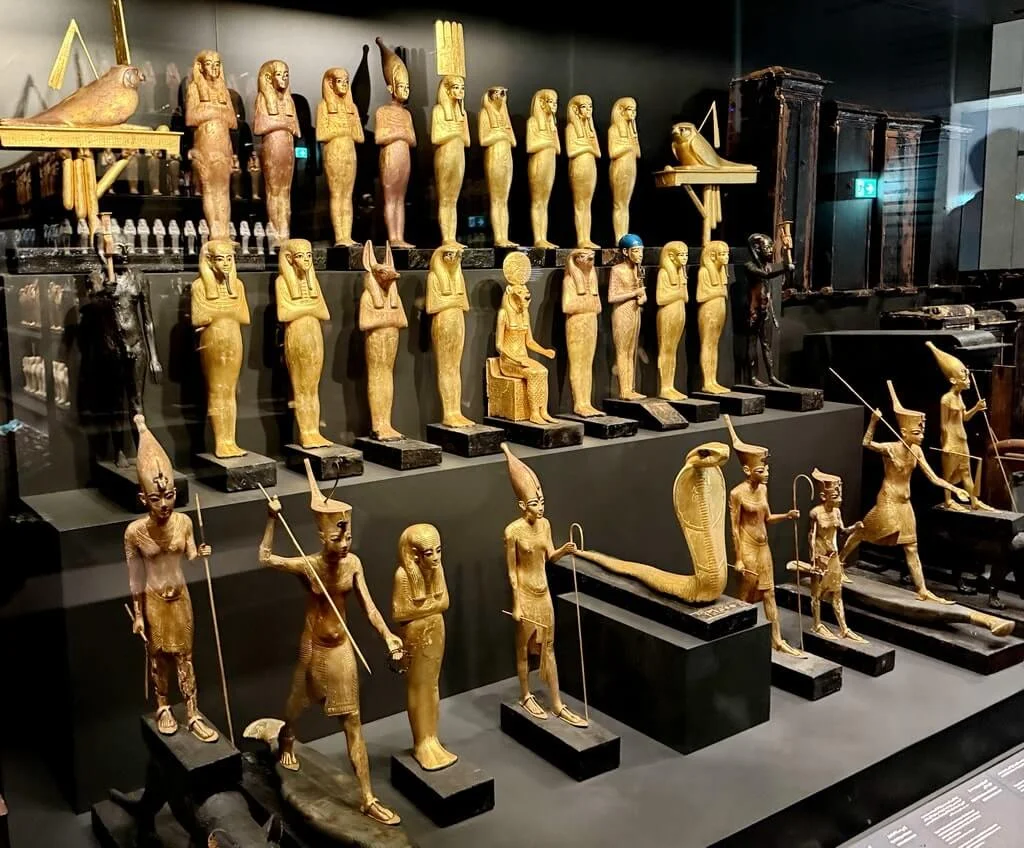
  • The Scale: There were chariots, animal-headed couches, statues, and boxes of food.
  • The Glint: Everywhere there was the glint of gold.

But this was just the beginning. The burial chamber itself—and the king—was still hidden behind another sealed wall.

Alexander the Great: Travel the Path of a Pharaoh-King

Alexander the Great became Pharaoh in Egypt (332 BC). He founded Alexandria, a world capital,...
Related post
FUN

Tomb of Tutankhamun: The Treasures of KV62

The Treasures of Tutankhamun

Carter cataloged 5,398 items. But three specific artifacts define the legacy of Tutankhamun. These were not just expensive objects. They were religious machines designed to transform the dead king into an eternal god.

The Death Mask

The Death Mask - Golden Mask of Tutankhamun

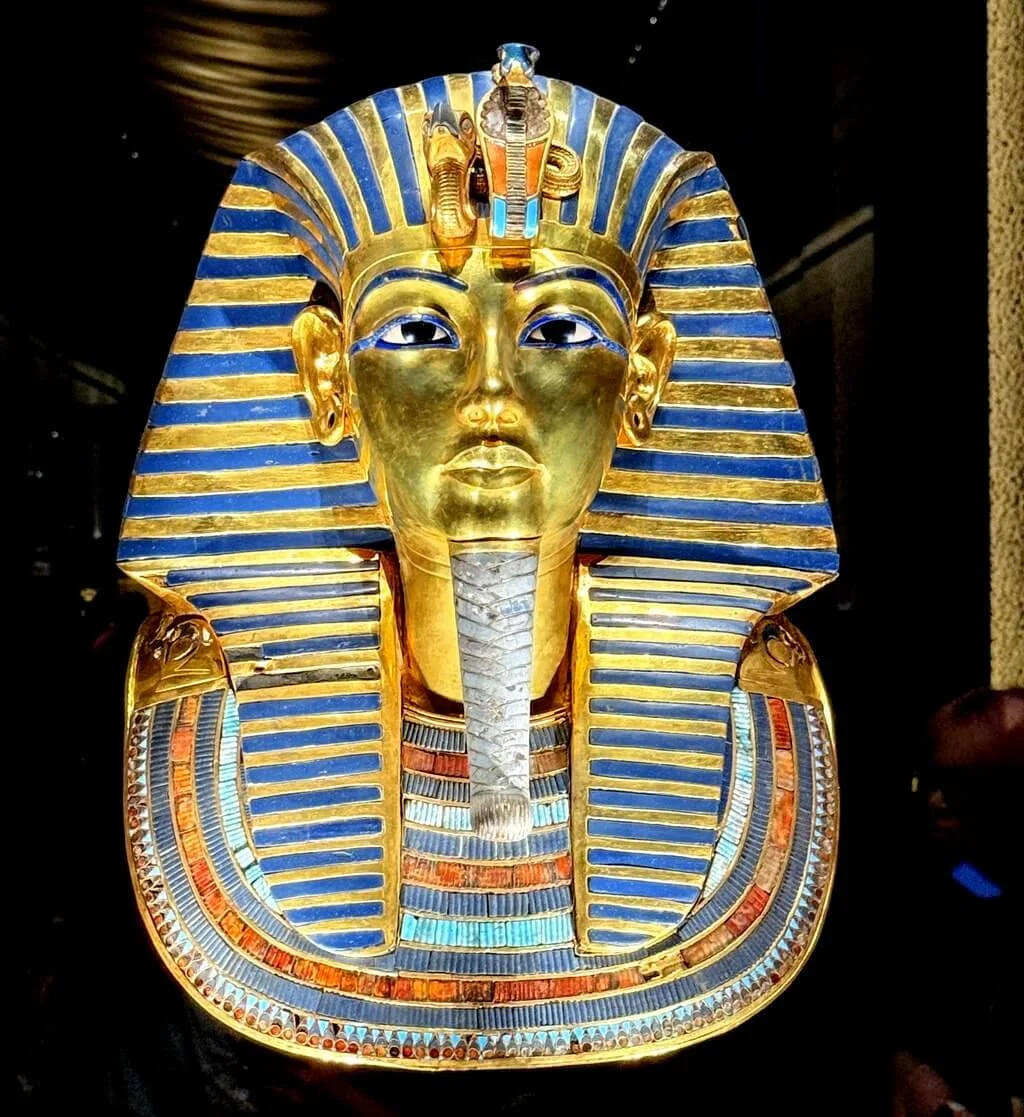
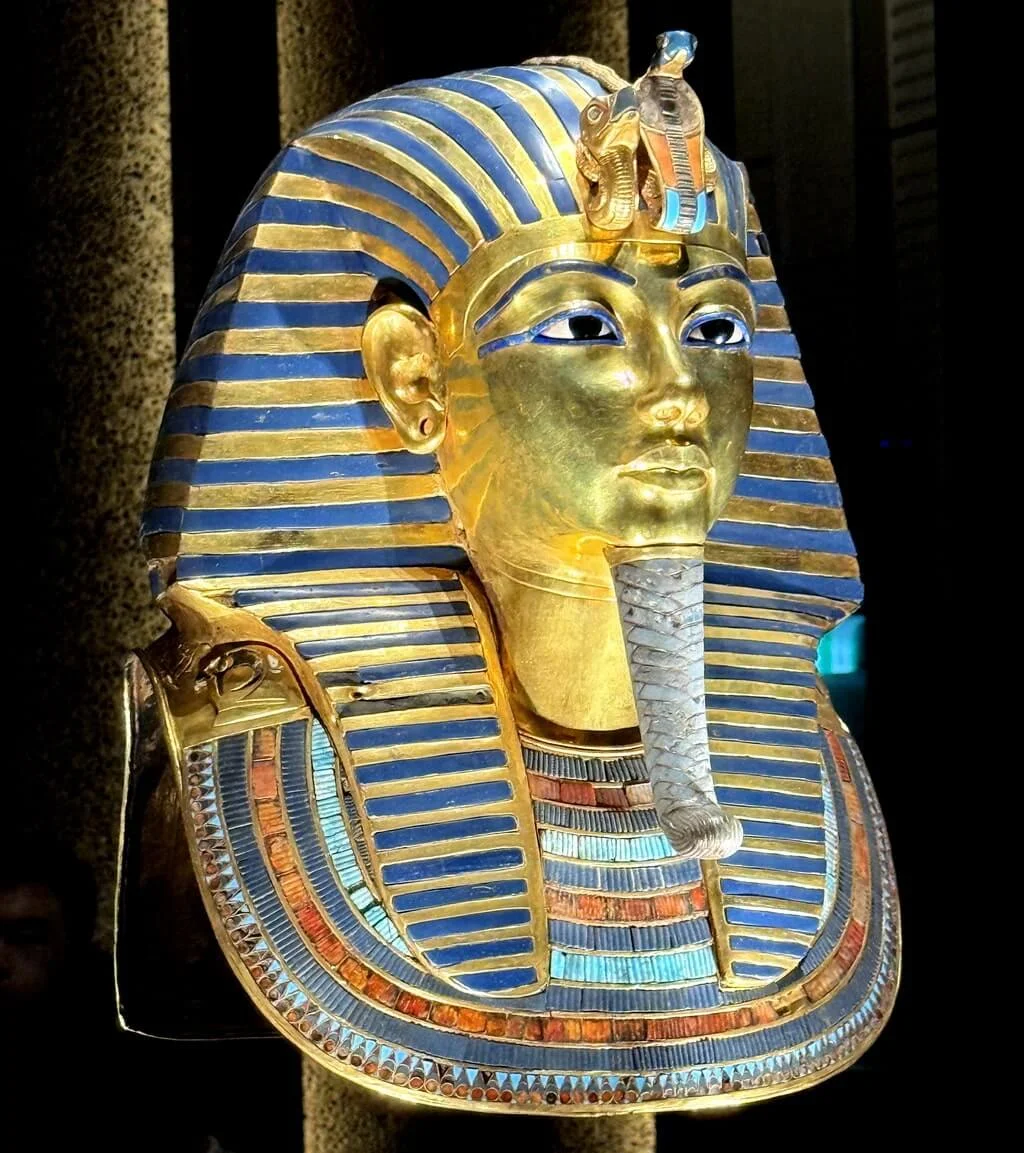
It is the most famous face in the world. Found covering the head and shoulders of the mummy, the Gold Death Mask is a masterpiece of ancient smithing.

  • The Material: It is made of 11kg (24 lbs) of solid gold.
  • The Craftsmanship: The eyes are made of quartz and obsidian. The stripes of the Nemes headdress are inlaid with blue glass (imitating lapis lazuli).
  • The Spell: On the back, hieroglyphs spell out a protective spell from the Book of the Dead, identifying the king’s body parts with various gods.

The Meteorite Dagger

Tucked inside the mummy’s wrappings, Carter found two daggers. One was gold. The other was iron. This was a mystery. In Tutankhamun’s time, Egyptians had not yet mastered iron smelting. Iron was rarer than gold.

The Science: In 2016, modern researchers analyzed the blade using X-ray fluorescence.

  • The Result: The iron contains high levels of nickel and cobalt.
  • The Origin: This chemical signature matches that of a meteorite.
  • The Conclusion: Tutankhamun was literally buried with a weapon forged from a falling star.

The Nesting Coffins (The Russian Doll)

The Nesting Coffins (The Russian Doll) - King Tutankhamun

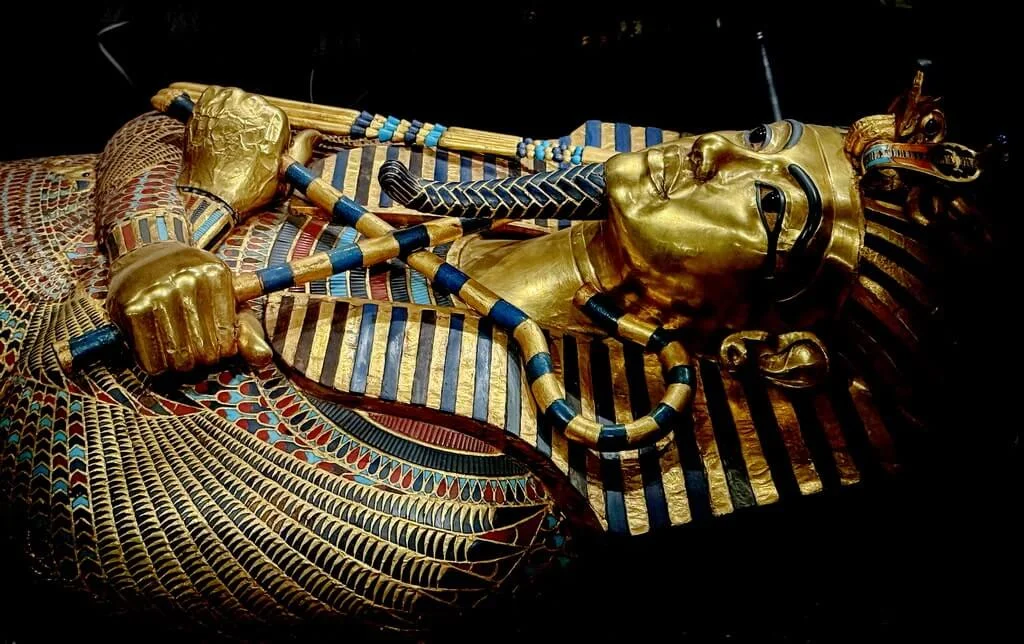
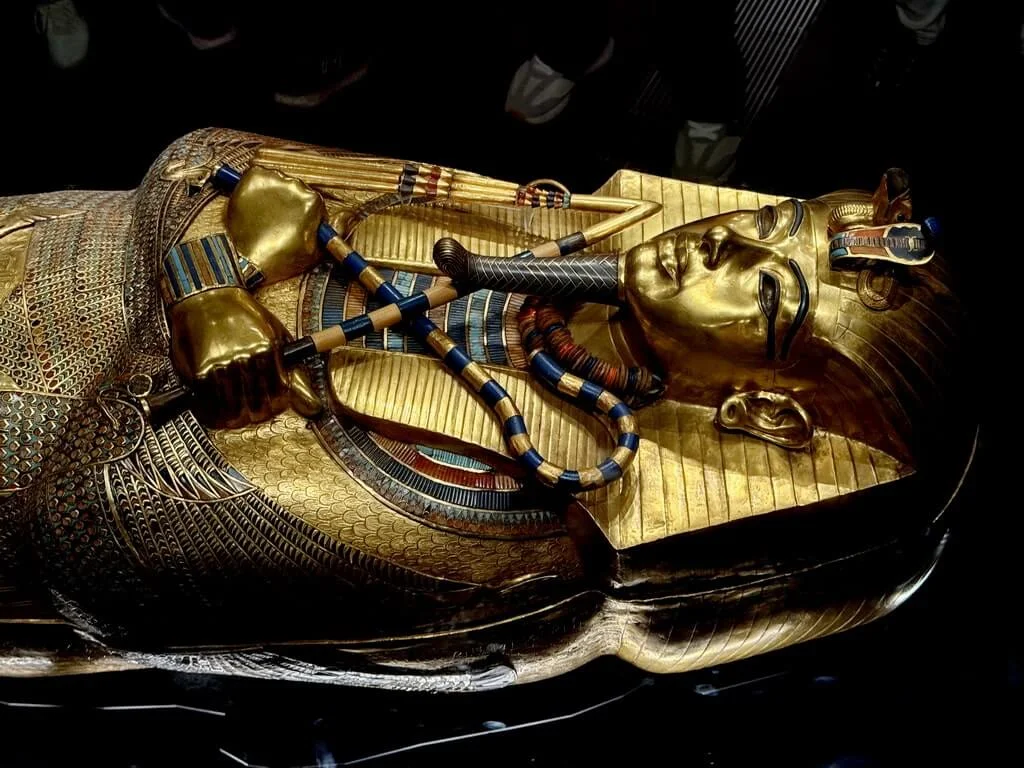
Opening the sarcophagus was a process of peeling back layers.

  1. Outer Coffin: Gilded wood.
  2. Middle Coffin: Gilded wood inlaid with multicolored glass.
  3. Inner Coffin: This was the shock. It was made of solid gold.

It weighed 110kg (240 lbs). It remains one of the largest single gold objects ever created by human hands.

King Snefru: The Perfecter of Pyramid Building

King Snefru, a pharaoh of Egypt's Fourth Dynasty, was the most prolific pyramid builder in...
Related post
FUN

The Medical Files (How Did He Die?)

The Medical Files (How Did He Die)

For decades, the death of Tutankhamun was a murder mystery. He died young (approx. 19 years old). He died suddenly. And early X-rays seemed to show a piece of loose bone inside his skull.

  • The Murder Theory: Historians theorized he was bludgeoned to death by a rival—perhaps his successor, Ay, or the general Horemheb.

Science has debunked this. Modern CT scans prove the bone fragment entered the skull after death, likely during the embalming process or Carter’s excavation. He was not hit on the head. So, what killed him?

The Body of a Weakling

The golden mask projects an image of perfection. The reality was very different. In 2005 and 2010, researchers performed a “virtual autopsy” using thousands of CT scans. They reconstructed the king’s body.

  • The Clubfoot: Tutankhamun had a severe deformity in his left foot (Köhler disease II). The bones were necrotic (dying).
  • The Cane: This explains the 130 walking sticks found in his tomb. He didn’t use them for fashion; he could barely walk without them.
  • The Hips: He had wide, feminine hips (likely a genetic trait from his incestuous lineage).

The Crash Theory

The scans also revealed a nasty fracture just above his left knee.

  • The Wound: It was a compound fracture that occurred shortly before death. It showed no signs of healing.
  • The Cause: It is highly likely he fell from a chariot (perhaps while hunting) and shattered his leg.

The Perfect Storm

However, a broken leg usually doesn’t kill a king. Infection does. DNA analysis of his mummy revealed the final nail in the coffin: Malaria. The young king was suffering from the most severe strain of malaria (Plasmodium falciparum).

The Verdict: It wasn’t a dramatic assassination. It was a perfect storm of weakness.

  1. His incestuous genetics gave him a compromised immune system.
  2. The chariot accident broke his leg, leaving an open wound.
  3. The severe malaria infection overwhelmed his body.

He didn’t stand a chance.

Senusret III: The Warrior King Who Transformed Egypt

Senusret III was a formidable pharaoh of the Middle Kingdom. A powerful warrior, he conquered...
Related post
FUN

The Curse of the Pharaohs

curse of pharaohs

The discovery of the tomb was a global sensation. But the media needed a hook to keep the story alive. They invented one: The Curse.

Lord Carnarvon’s Death

On April 5, 1923—less than five months after opening the tomb—Lord Carnarvon died in Cairo.

  • The Cause: He had nicked a mosquito bite while shaving. The wound became infected, leading to blood poisoning and pneumonia.
  • The Legend: Newspapers reported that at the exact moment of his death, all the lights in Cairo went out. (This actually happened often in the 1920s grid). They also claimed his dog, Susie, howled and dropped dead back in England.

The Media Hype

Journalists claimed an inscription above the tomb door read: “Death shall come on swift wings to him that touches the tomb of the Pharaoh.”

The Fact: This inscription does not exist. It was a fabrication.

The Reality: The “Curse” was statistically false.

  • Of the 58 people present when the tomb and sarcophagus were opened, only eight died within a decade.
  • Howard Carter, the man most responsible for disturbing the king, lived for another 17 years. He died of lymphoma at age 64, joking about the curse until the end.

The “Curse” was not ancient magic. It was modern clickbait.

The Golden King

The Golden King

Tutankhamun survived twice. First, he survived the erasure of his family line. While his father Akhenaten’s name was chiseled off monuments, Tutankhamun’s tomb was accidentally buried and saved.

Second, he survived death itself. The Ancient Egyptians believed that “To speak the name of the dead is to make him live again.” By that standard, Tutankhamun is the most “alive” figure in ancient history.

He was a physically frail boy who endured immense pain. But today, he stands as the symbol of Egypt’s golden age. His mask is the face of an entire civilization.

Frequently Asked Questions (FAQ)

Here are quick answers to the most common questions about Tutankhamun.

How did King Tut die?

Modern science suggests he died from a combination of factors. He suffered from a broken leg (likely from a fall), which became infected. This was compounded by a severe case of malaria and a genetic immune deficiency caused by inbreeding.

Was the “Curse of the Pharaohs” real?

No. The curse was a media invention. While Lord Carnarvon died shortly after the discovery due to an infected mosquito bite, most of the people who entered the tomb, including Howard Carter, lived long lives.

Who were Tutankhamun’s parents?

DNA analysis confirmed that his father was the “heretic king” Akhenaten. His mother was a woman known as the “Younger Lady” (found in tomb KV35), who was Akhenaten’s full sister.

What was found in King Tut’s tomb?

Howard Carter found 5,398 items. The most famous include the solid Gold Death Mask, the solid gold inner coffin, a meteorite iron dagger, and his throne.

Current weather in Egypt

Discover the remarkable wonders of Cairo and Giza....
Explore Ancient Egypt and the Red Sea marine life....

Good but did not get what I paid for…

I had an 11 hour layover in Cairo. I wrote to them based on recent reviews for them on this site. After a few email exchanges with Hati, who I think is one of the owners, I was ready to get there. I was greeted by Hatem, a very good

More »
Giza pyramids Tours - Egypt Fun Tours

Thanks to egypt fun tours!

Thank u Hani for the enlightening tour of Giza and Saqqara. Thank u also for the great recommendation – Felfela – which we enjoyed a lot. returning the commission u got at the papyrus shop was something we didn’t expect and truly appreciate. shookran!

More »

What an amazing day!

I had a 12 hour layover on my way to Dar es Salaam and wanted to take full advantage of my time in Cairo. After researching for many hours, I came across Egypt Fun Tours and emailed for more information. I received a prompt reply with full details of several

More »

Great one day tour in Cairo

My husband and I had a long layover in Cairo on our way to Kenya in 2010. Since we had never been to Egypt, we decided to sign up for a one-day tour with Egypt Fun Tours Day Trips. Our guide was there when we arrived and quickly guided us

More »

Islamic cairo and khan el khalili- great tour

Wonderful tour with the guide Hamada. I did not feel rushed at all. He explained a lot of facts about the city, the mosque, the water storage room, and also brought me to no-hassle shops. He picked a great place to eat and have Turkish coffee and a cold lemon

More »
Isis with wings

Top-rated Tour Packages

Isis with wings