The Tomb of Pay and Raia: A Masterpiece of New Kingdom Art at Saqqara

The Tomb of Pay and Raia is a remarkable "temple-tomb" located in the New Kingdom cemetery of Saqqara. Built during the transition after the Amarna period, it serves as the eternal home for two high-ranking officials: Pay, an overseer of the royal household, and his son Raia, a high priest. The structure is famous for its elegant limestone reliefs that blend traditional Egyptian art with the naturalistic style of the late 18th Dynasty. Today, this double tomb offers visitors a unique look at ancient family loyalty and the professional lives of the elite who served Egypt’s most powerful pharaohs.

The Gateway to the New Kingdom: The Tomb of Pay and Raia

While the Step Pyramid of Djoser commands the horizon of the Saqqara plateau, the true soul of Egypt’s artistic evolution often lies buried beneath the sands to its south. In the shadow of the Unas causeway lies a necropolis of “temple-tombs” that rose during one of the most fascinating eras of antiquity: the post-Amarna period. Among these, the Tomb of Pay and Raia stands as a magnificent testament to family legacy, professional prestige, and a daring shift in the history of Egyptian art.

For travelers and history enthusiasts, this double tomb is more than just a burial site; it is a cultural bridge. Built during the late 18th and early 19th Dynasties—an era marked by the reigns of Tutankhamun and Horemheb—it captures the moment Egypt returned to its traditional roots in Memphis after the “heresy” of Akhenaten. However, the art within these walls did not simply revert to the past. Instead, it blended the fluid, realistic grace of the Amarna style with the rigid grandeur of the Ramesside age, creating a visual narrative unlike any other in the Saqqara complex.

A Legacy Carved in Limestone

The tomb belongs to two high-ranking officials who served at the peak of Egypt’s imperial power. Pay, the father, held the prestigious title of “Overseer of the Cattle of Amun” and served in the royal harem, making him a figure of immense influence in the administrative heart of Memphis. Upon his passing, his son Raia—who rose to become a “High Priest of Ptah”—not only inherited his father’s status but physically expanded the tomb, adding a courtyard and a second suite of chapels to honor their shared lineage.

Stepping into this sacred space today, visitors are greeted by meticulously restored limestone reliefs that depict the vibrancy of New Kingdom life. From the rhythmic counting of cattle to the solemn beauty of the “Opening of the Mouth” ceremony, the Tomb of Pay and Raia offers a rare, intimate look at the transition from life to the afterlife.

In this comprehensive guide, we will explore the architectural brilliance of this “temple-tomb,” decipher the complex symbolism hidden within its carvings, and recount the dramatic story of its rediscovery by the Leiden-London expedition in the late 1990s. Whether you are a seasoned Egyptologist or a first-time visitor to Saqqara, the story of Pay and Raia is a journey through the heart of Egypt’s Golden Age.
FUN

Historical Context: The World After Akhenaten

To understand why the Tomb of Pay and Raia is so special, we have to look at what was happening in Egypt at the time. This tomb was built during a major “comeback” period for the city of Memphis.

The Return to Tradition

A few years before this tomb was carved, Egypt went through a massive change under the Pharaoh Akhenaten. He had moved the capital to a new city and changed the religion. But by the time Pay and Raia were alive, the capital was moving back to Memphis, and the old gods were being worshipped again.

This era—the end of the 18th Dynasty and the start of the 19th—was a time of healing for Egypt. High-ranking officials like Pay wanted to show they were loyal to the old ways, but they still kept some of the beautiful, flowing art styles from the previous years.

Why Saqqara?

While many people think of Luxor (Thebes) as the main place for New Kingdom tombs, Saqqara was the “place to be” for the elite in Memphis.

  • Proximity to Power: Memphis was the administrative heart of Egypt. Since Pay worked in the Royal Harem and Raia was a High Priest, they needed to be close to the King’s palace.
  • Ancient Heritage: By building at Saqqara, they were placing themselves next to the great pyramids of the past, linking their names to thousands of years of history.

A Rare Family Success Story

Usually, a tomb belongs to one person. However, Pay and Raia’s tomb is a “double story.”

  1. Pay started the work, building a traditional chapel to ensure his soul lived forever.
  2. Raia, his son, didn’t just leave it there. He was very successful in his own right. Instead of building a totally separate tomb, he added onto his father’s, making it larger and grander.

This shows us how important family was in Ancient Egypt. It wasn’t just about one man; it was about keeping the family name alive for eternity. This teamwork resulted in the large, complex structure we see today, filled with scenes of both the father and the son serving the gods and the King.

FUN

Architectural Layout: The Temple-Tomb Design

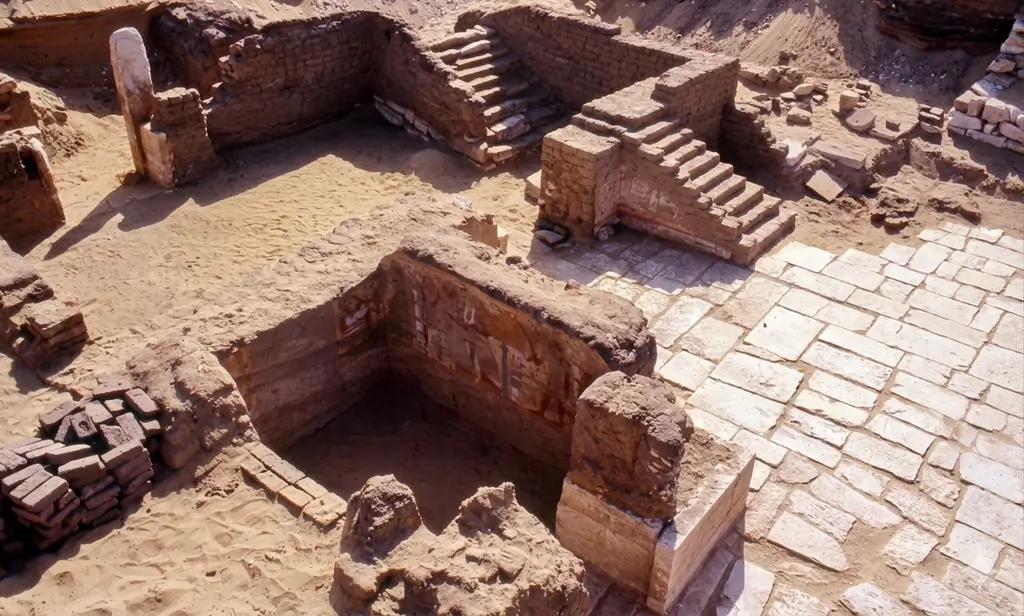
Architects designed the Tomb of Pay and Raia to function like a miniature temple. During the New Kingdom, high-ranking officials built these “temple-tombs” at Saqqara for two main reasons: they housed the physical body and provided a space where the living could offer prayers.

Unlike the deep, hidden caves in the Valley of the Kings, this tomb sits right on the surface of the desert plateau.

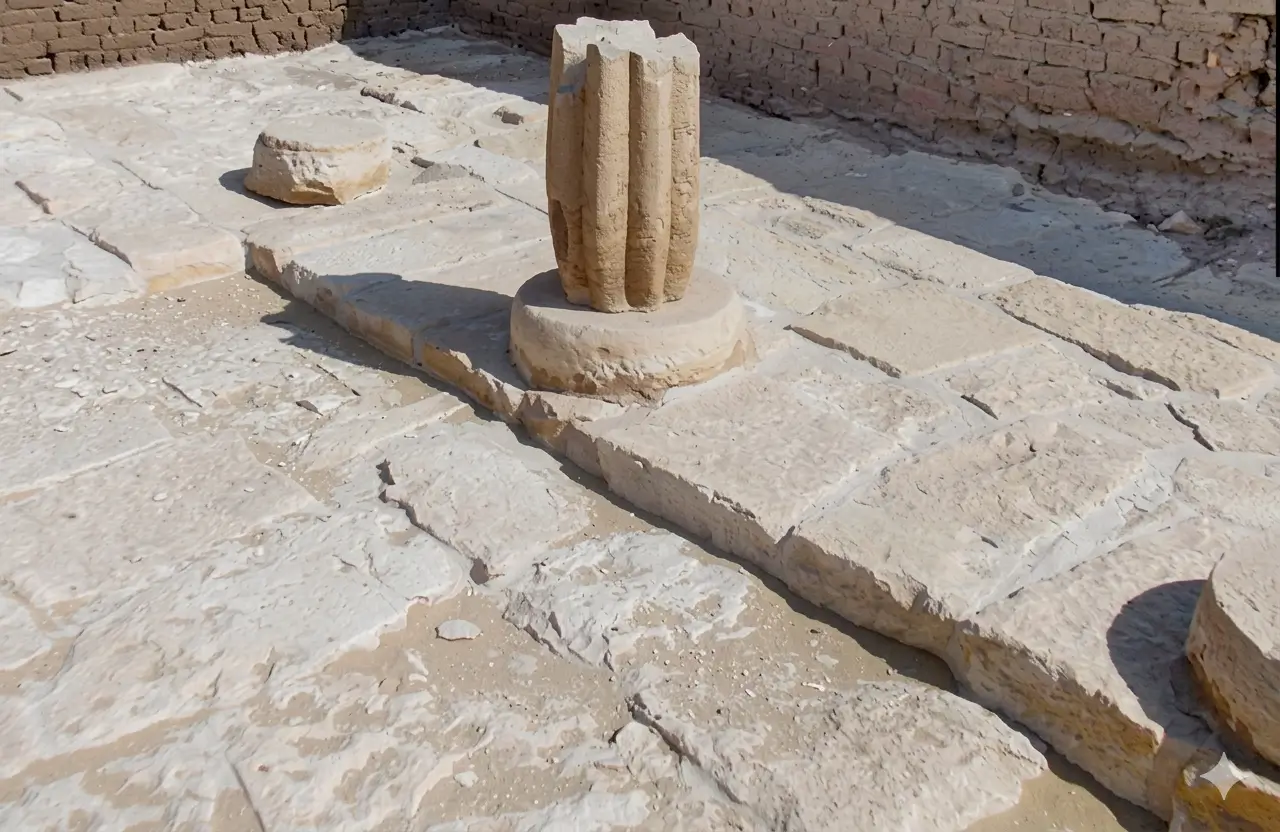
The Open Courtyard

As you enter the structure, you walk into a large, open-air courtyard. In ancient times, the sun filled this space with light.

  • The Walls: Fine white limestone originally lined the walls, reflecting the desert sun.
  • The Pillars: Heavy stone pillars supported a roof around the edges, creating a shaded walkway for visitors.
  • The Purpose: Priests and family members gathered in this public space to perform rituals for the spirits of Pay and Raia.

The Three Chapels

Three rooms, known as chapels, sit at the far end of the courtyard. These rooms represented the most sacred part of the building above ground.

  1. The Central Chapel: This room held the statues of Pay and Raia. It acted as the heart of the “cult,” where family members left food and water for the deceased.
  2. The Side Chapels: These smaller rooms provided space for storage or for offering prayers to specific gods, like Osiris, the lord of the underworld.

The Mud-Brick Pyramid

The tomb featured one of the most interesting architectural trends of the time: a small pyramid. During this era, the law allowed private citizens to build small pyramids from mud bricks. While the massive stone pyramids of the Old Kingdom belonged only to Kings, these small “pyramidions” signaled that the tomb owner had successfully reached the blessed afterlife.

The Secret Burial Shafts

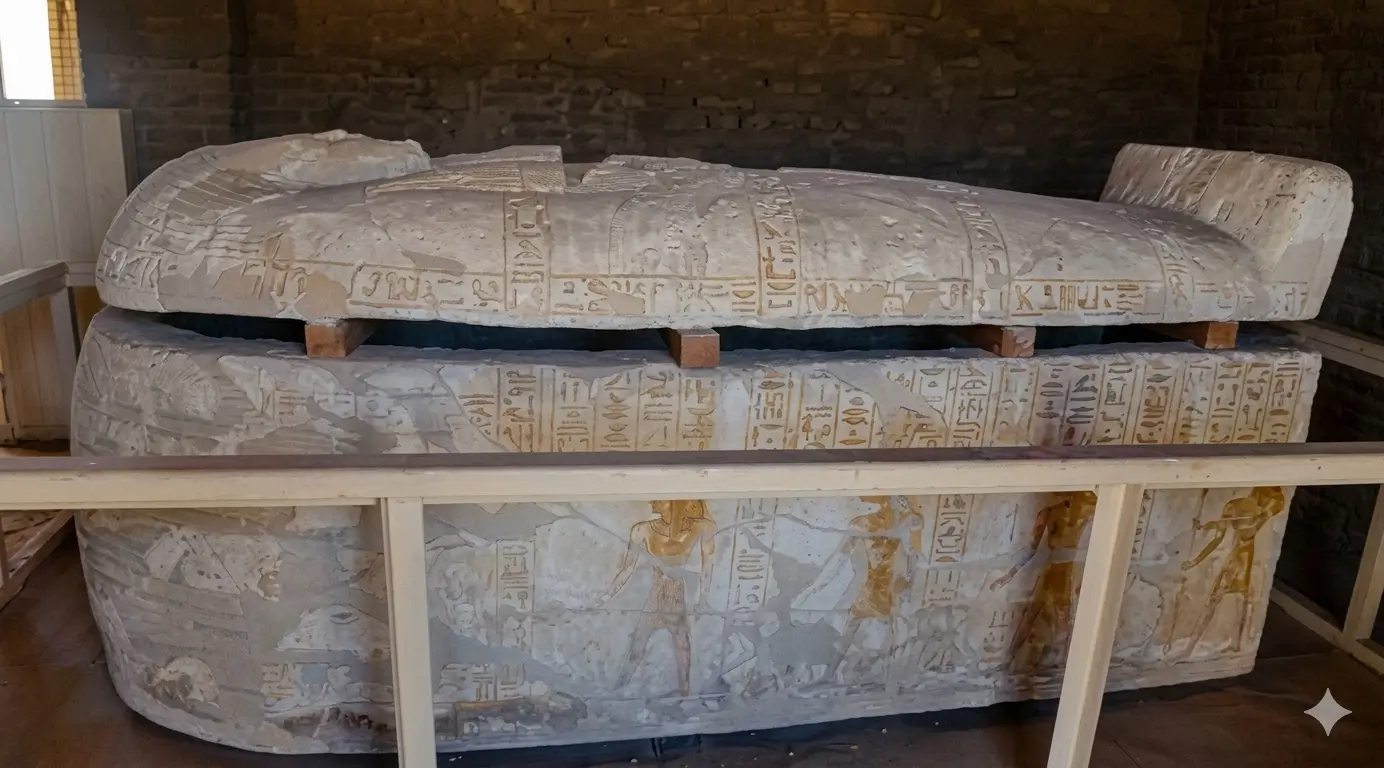
While artists placed the beautiful carvings in the chapels above ground, the builders hid the actual bodies deep below the earth.

  • A vertical shaft (a deep, narrow hole) drops down into the ground from the courtyard floor.
  • The burial chambers sit at the very bottom of this shaft. This is where the family placed the coffins and treasures.
  • By separating the deep burial rooms from the surface chapels, the Egyptians hoped to protect the bodies from robbers while still allowing the living to visit and pray.

The Catacombs of Kom Esh-Shokafa: Roman-Egyptian Underworld

Descend into one of the "Seven Wonders of the Middle Ages" at the Catacombs of...
Related post
FUN

Artistic Analysis: The Masterpieces on the Walls

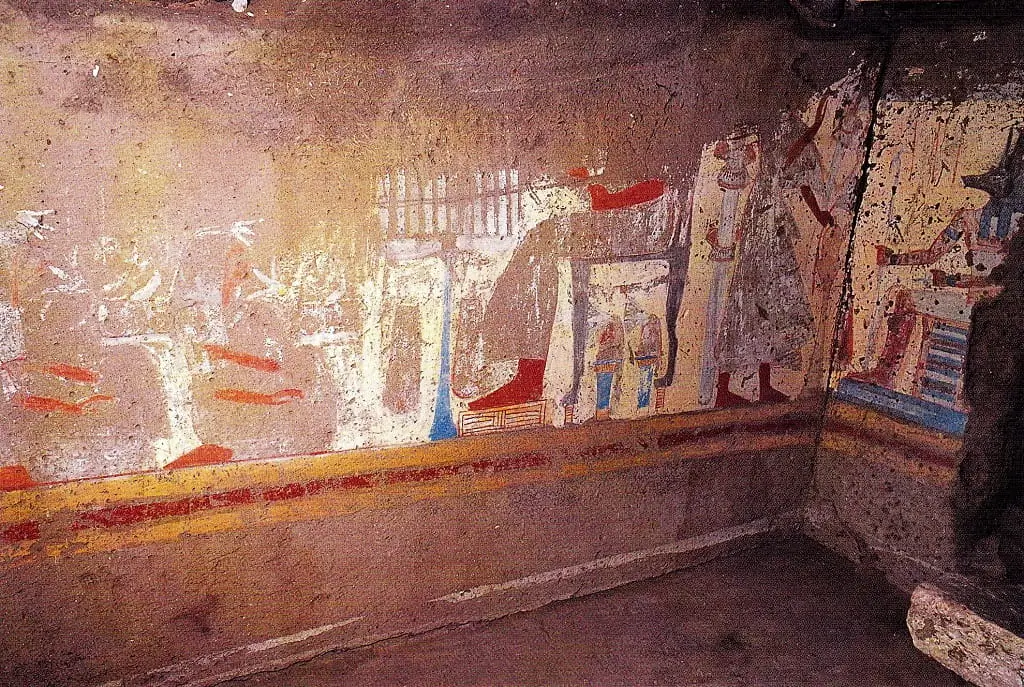
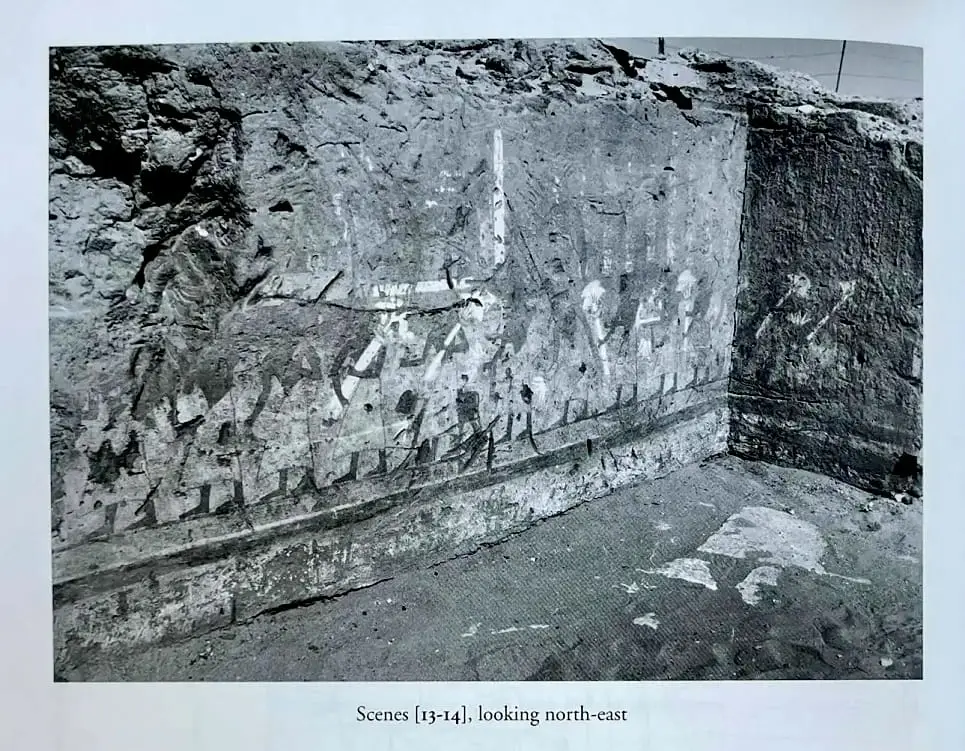
The artwork inside the Tomb of Pay and Raia is famous for its detail. The artists used a style that feels very “alive.” They carved scenes that tell the story of Pay’s work and his journey to the next world.

Scenes of Daily Life

Pay served as the “Overseer of Cattle.” Because of this, many carvings show animals and farming.

  • You can see workers counting cows and sheep.
  • The artists carved the animals with great care.
  • Some scenes show the cattle moving across the fields.
  • These images ensured that Pay would have plenty of food and wealth in the afterlife.

The Funeral Journey

Other walls show the family’s grief and the religious rituals.

  • One famous scene shows the “Opening of the Mouth” ceremony.
  • Priests use special tools on the statues of the deceased.
  • This ritual “woke up” the senses of the spirit so it could eat and speak again.
  • You also see the family traveling by boat on the Nile.
  • They are making a pilgrimage to Abydos, the holy city of the god Osiris.

Why the Art Style is Unique

This tomb was built right after the “Amarna Period.” During that time, art became very natural and curvy.

  • You can see this influence in the way the artists drew bodies.
  • The bellies and limbs look more realistic than in older tombs.
  • However, the artists also followed the traditional rules of Memphis.
  • This mix of styles makes the Tomb of Pay and Raia a masterpiece of transition.

The Missing Pieces

Many pieces of this tomb are no longer in Saqqara.

  • Early explorers took several stone slabs (stelae) to Europe.
  • Today, you can find parts of this tomb in the Louvre Museum in Paris.
  • These stones show the family tree of Pay and Raia.
  • They help us name the wives, sons, and daughters who lived thousands of years ago.

The Tomb of Ptahemwia: The Amarna Style in Saqqara

The Tomb of Ptahemwia Royal Butler at Saqqara serves as a vital historical record of...
Related post
FUN

The Discovery and Excavation History

The sands of Saqqara hid this tomb for over three thousand years. Local villagers and early explorers knew about the site in the 1800s. These early visitors removed many beautiful stone slabs from the walls. They sold these pieces to collectors and museums across Europe. For a long time, the tomb remained a mystery. Scholars saw the fragments in museums but did not know where they came from.

Uncovering the Hidden Site

Everything changed in the late 20th century. A team of experts from the Netherlands and the United Kingdom began a massive search. They focused on the area south of the Step Pyramid. In 1994, they finally located the physical structure of the tomb. The excavators cleared away tons of sand and debris. They found that much of the lower wall carvings remained in excellent condition.

Rebuilding the Family Story

The team spent several years carefully recording every detail. They matched the stone slabs in European museums to the empty spots on the tomb walls. This work helped historians rebuild the family story of Pay and Raia.

Preserving the Legacy for Today

Modern conservators then stepped in to protect the site. They cleaned the limestone and stabilized the fragile mud bricks. Today, the tomb sits as a proud part of the Saqqara archaeological park. It serves as a bridge between the past and the present.

Exploring the Symbolism of Pay and Raia

The carvings in this tomb tell us more than just names. They explain the high status these men held in ancient Egyptian society. Every image on the wall carries a deeper meaning about their power and their hope for the next life.

The Power of the Father

Pay held the title of “Overseer of the Cattle of Amun.” In ancient Egypt, cattle represented immense wealth and life. By managing the herds of the god Amun, Pay controlled a vital part of the nation’s economy. The reliefs show him as a man of great responsibility. He oversaw the royal harem, which meant the King trusted him with the safety of the palace. His images reflect a life of duty and closeness to the throne.

The Success of the Son

Raia took his father’s success even further. He served as the “High Priest of Ptah” in Memphis. Ptah was the creator god and the patron of all craftsmen. This role made Raia one of the most important religious leaders in the city. His carvings show him wearing the special priestly robes of his office. He stands as a powerful figure who bridged the gap between the people and the gods.

A Family United for Eternity

The tomb also highlights the strong bond between the family members. You can see depictions of their wives and many children. These scenes show the family sitting together at banquet tables. Musicians play harps while servants bring gifts of food. These images were not just decorations. The Egyptians believed these scenes would come to life in the next world. By carving his family on the walls, Raia ensured they would stay together forever in the afterlife.

The Tomb of Qar at Saqqara: Home of the World’s Oldest Surgery

The discovery of the world's oldest surgical kit within the Tomb of Qar in Saqqara...
Related post
FUN

Visitor Guide: Planning Your Visit

The Tomb of Pay and Raia sits in a quiet area of the Saqqara necropolis. Most visitors crowd around the Step Pyramid and miss this section. However, the short walk to the south is worth the effort. You will find fewer crowds and some of the best art in the park.

How to Find the Tomb

You can find the tomb near the Unas causeway. It lies within the New Kingdom cemetery. This area is famous for its “temple-style” tombs. It sits very close to the famous Tomb of Horemheb. Most guides group these tombs during a tour. You should wear comfortable shoes because the ground is sandy and uneven.

What to Look For

Take your time in the inner chapels. Look closely at the fine lines in the limestone. You can still see the elegant details of the cattle and the family members. The light is often best in the morning. Early light helps the shallow carvings stand out more clearly. Do not forget to look at the ceiling areas where some original color remains.

Nearby Attractions

You should combine this visit with other nearby sites. The Tomb of Maya and the Tomb of Meryneith are just a few steps away. These tombs were all built around the same time. Seeing them together helps you understand the art of this era. After exploring the New Kingdom area, you can head back to the Step Pyramid or visit the Imhotep Museum near the entrance.

The Eternal Legacy

The Tomb of Pay and Raia is a true treasure of Saqqara. It tells a story of family pride and artistic change. It shows us how two men lived, worked, and prepared for the mystery of death. Their legacy survived the shifting sands and the passage of thousands of years.

Today, this tomb helps us understand a turning point in Egyptian history. It proves that even after times of great trouble, the spirit of Egypt always found a way back to its roots. When you visit this site, you are not just looking at old stones. You are standing in a place built with love and devotion. It remains one of the most beautiful and peaceful spots in all of Egypt.

Enjoy 12 days exceptional tour in Egypt to explore the best attractions such as the Giza pyramids, Karnak & Abu Simbel temples, and much more....
A Magical Journey through the marvels of Egypt...
God_Anubis_Icon

Like two days of touring in one day!

I had a 12 hour stay in Cairo- and had made no plans on how to spend it until 8pm the night before departure. I emailed Egypt Fun Tours in a panic and they responded immediately. They made it incredibly easy to arrange a tour and we made arrangements via

More »

Highly Recommend Egypt Fun Tours!

Several weeks ago, I reached out to Egypt Fun Tours regarding a 9-hour layover in Cairo. From the very beginning, Hani Ahmed was responsive and professional, quickly providing a well-organized itinerary tailored to our limited time. The itinerary included a visit to the pyramids, other historical sites, a delicious dinner,

More »

Early Layover Tour in Cairo

My husband, 2 sons – aged 9 & 11 – and I landed in Cairo at 5:15am on Saturday 12 January 2013. We had booked an early layover tour with Egypt Fun Tours after reading the great reviews in TripAdvisor. As promised he and his driver awaited us in a

More »

Great one day tour in Cairo

My husband and I had a long layover in Cairo on our way to Kenya in 2010. Since we had never been to Egypt, we decided to sign up for a one-day tour with Egypt Fun Tours Day Trips. Our guide was there when we arrived and quickly guided us

More »
God_Anubis_Icon

Top-rated Tour Packages

God_Anubis_Icon