The Pyramid Texts: The Royal Protocol and the Logic of Exclusive Immortality

Uncover the Pyramid Texts, the world's oldest religious writings, and the ultimate blueprint for the Egyptian afterlife. Dating to the Old Kingdom, these monumental inscriptions reveal a strict royal protocol carved directly onto the tomb walls of the Pharaohs. Explore the original logic of exclusion, where eternity was an exclusive political asset. Discover the celestial maps, the powerful transformation spells, and the aggressive "Cannibal Hymn" that guaranteed the King's unique ascent to the circumpolar stars, securing his divinity and the stability of the entire cosmos. This is not mythology—it is the earliest technical manual for absolute power.

The Royal Monopoly on Eternity

We must first grasp the foundational logic governing the Old Kingdom (c. 2686–2181 BCE). The Pharaoh was a living god. He served as the direct link between the earthly realm and the divine cosmos. Consequently, the secrets of eternal life were the exclusive property of the crown. The Pyramid Texts are the world’s oldest known religious and funerary writings. They represent the first Egyptian attempt to codify the afterlife’s theological and mechanical protocols. Crucially, these were not accessible texts. They were not written on accessible scrolls. Instead, scribes carved the spells deep into the limestone walls of the subterranean chambers within the King’s pyramid. This physical placement cemented the text as an exclusive royal protocol.

The core argument of this article is simple: The Pyramid Texts established the original logic of Egyptian resurrection. This logic centered on the Pharaoh’s unique power. He alone ascended to the celestial realm of the gods. He bypassed the complex underworld journey reserved for the common man. In short, the texts were a functional script. They ensured the King performed his final duty. This successfully guaranteed the stability of the entire cosmos and the survival of the Egyptian nation.

FUN

Architecture and Inscription: The Logic of Location

Architecture and Inscription; The Logic of Location

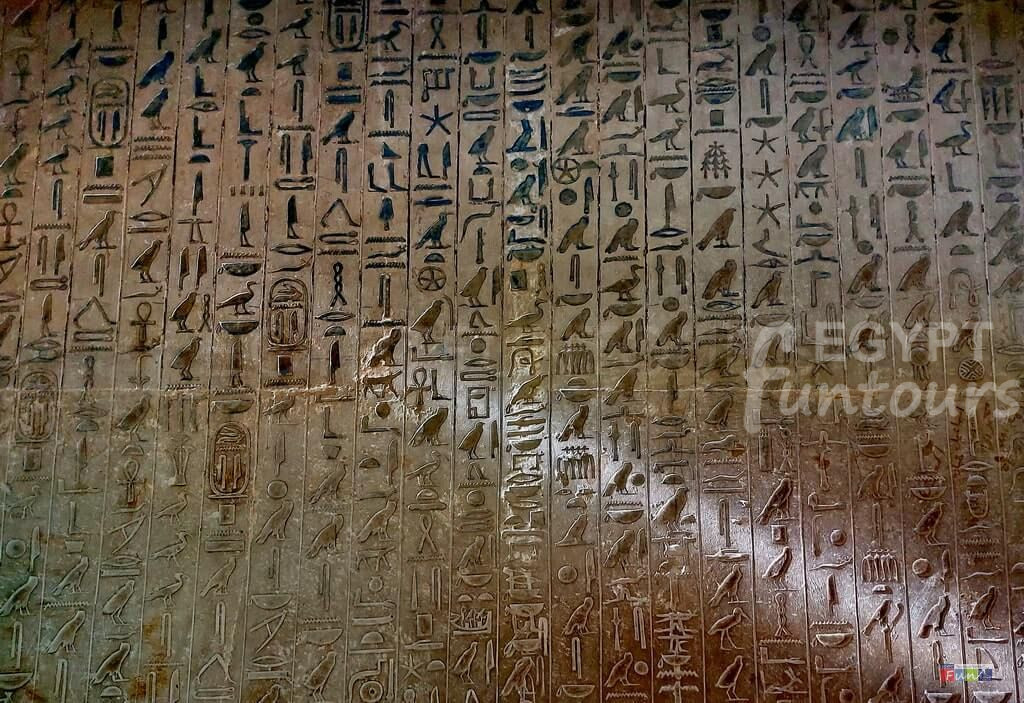
The decision to carve the Pyramid Texts directly onto the interior stone walls was not decorative; it was a fundamental part of the spells’ operational logic. The texts appear first in the pyramid of King Unas (Fifth Dynasty) and continued in pyramids throughout the Sixth Dynasty.

The Inherent Exclusivity of Stone

The monumental nature of the inscription cemented its royal monopoly. Unlike the later Coffin Texts (written on portable wood) or the Book of the Dead (written on papyrus scrolls), the Pyramid Texts were immovable, permanent, and non-transferable. They formed an intrinsic, integrated part of the King’s burial monument.

  • The spells were not items you could buy or copy; they were a physical component of the resurrection machine, activated only by the King’s body.
  • The King’s Sole Access: The texts lined the walls of the burial chamber, the antechamber, and sometimes the passageway leading into the tomb. This placement ensured that only the King and those assisting his rituals (priests) could access or benefit from the power of the utterances.

Spells as Structural Logic

The location of the spells often followed a deliberate, functional arrangement, turning the burial chamber into a cosmic switchboard:

  • Burial Chamber: Texts here focus on the body’s protection, purification, and transformation into the Akh (effective spirit).
  • Antechamber: Spells often detail the King’s greeting of the gods, his purification, and his preparations for his celestial journey.
  • Passageways: Texts covering the ceiling often depict the King’s physical ascent from the tomb up to the heavens.

This architectural integration was the logic of exclusion. The texts physically prevented any non-royal access to the spells required for the stellar ascent, defining the King’s unique path to eternity against the harsh permanence of stone.

FUN

Core Theological Themes: The King’s Journey and Ascent

Core Theological Themes; The King's Journey and Ascent

If the location of the Pyramid Texts dictated who could use them, the content dictated how the King achieved his resurrection. The overriding purpose of these thousands of utterances (or spells) was to guarantee the King’s successful transformation into an Akh (an effective, transfigured spirit) and his reunion with the gods.

The texts do not rely on a lengthy journey through a dangerous underworld like the later Coffin Texts. Instead, their logical focus is on direct, celestial transformation and power acquisition.

The Stellar Logic: Bypassing the Underworld

The King’s primary destination was not the dark Duat (underworld), but the circumpolar stars. These are the stars that, from the perspective of ancient Egypt, never set below the horizon. They were considered the domain of the eternal, the indestructible, and the perfect.

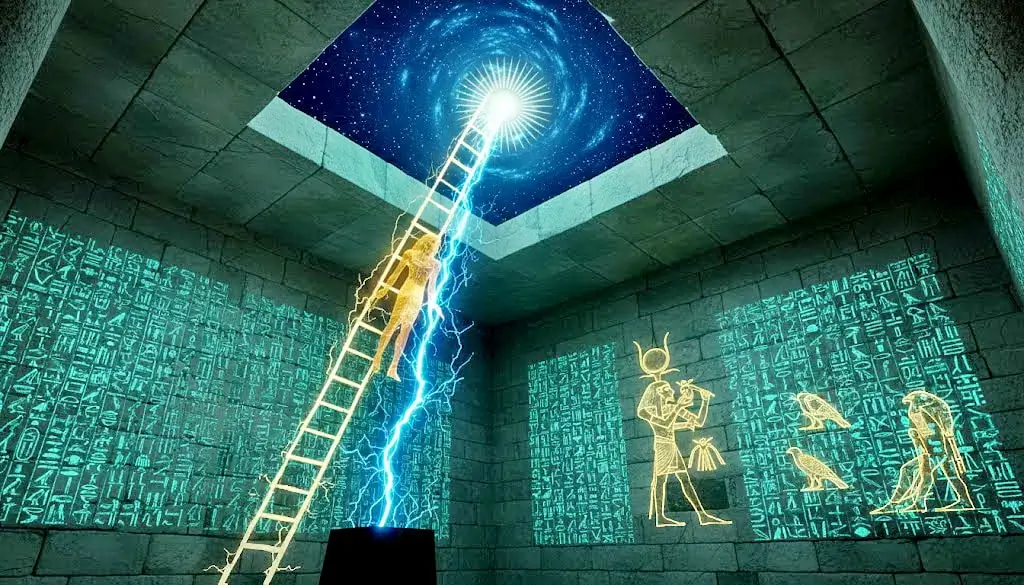
  • Ascension Protocol: The spells act as a powerful launch sequence. They instruct the King on how to use ropes, ladders, and even the breath of the sky-gods to physically and magically ascend. Utterances often declare, “The King ascends to the sky among the indestructible stars!”
  • Identification with Ra and Osiris: While the texts primarily focus on the stellar afterlife (associated with the Sun God, Ra), they also contain spells identifying the deceased King with the resurrected god Osiris. This duality provided a double-protocol for resurrection, ensuring success regardless of the mythological system used.

The Cannibal Hymn: Logic of Assimilation

Among the most famous and aggressive sets of spells is the Cannibal Hymn (Utterance 273/274). This section powerfully illustrates the unique, raw power reserved for the divine King.

  • Power Acquisition: The hymns show the King as a hunter who consumes the flesh and blood of the gods themselves. The logical intent is clear: by consuming divine power, the King acquires the gods’ strength, intelligence, and longevity, making his own divinity absolute and eternal.
  • The King as Apex Power: This specific, aggressive protocol differentiates the King’s fate from that of commoners. It shows the Pharaoh not just joining the gods, but actively mastering them—a necessary theological tool for a king who must rule both the living and the spiritual realms.

These core themes underscore the strict royal blueprint: the Pyramid Texts provided the unique theological mechanics needed for the King to rule forever, anchoring the very cosmos through his permanent, stellar divinity.

The Profound Egyptian Influence on Greek Civilization

Egypt profoundly influenced ancient Greek civilization in various aspects. Key influences include religious syncretism, with...
Related post
FUN

Legacy: The Blueprint for Later Texts

THe pyramids text ancient egyptian book of dead egypt fun tours

The Pyramid Texts were not discarded when the Old Kingdom declined; they became the essential source code for all subsequent Egyptian funerary literature. While the political and social landscape shifted dramatically during the First Intermediate Period, requiring the democratization of the afterlife (the rise of the Coffin Texts), the theological fundamentals established in the pyramids remained intact.

The Original Operating System

The later texts were not new inventions; they were systematic adaptations. The scribes who wrote the Coffin Texts and, much later, the Book of the Dead (or Peret em Heru), borrowed heavily from the original royal utterances.

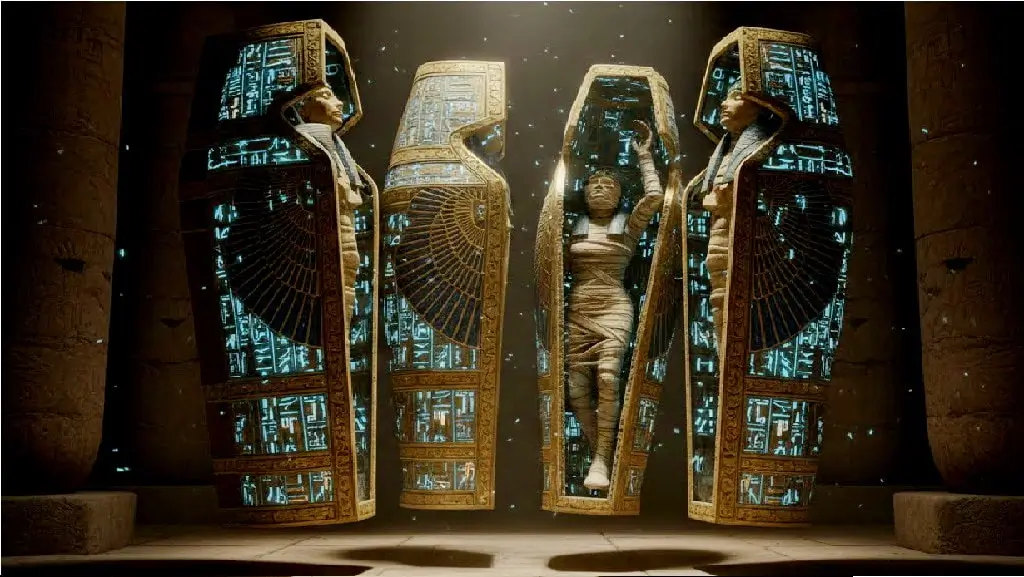
  • Borrowing and Editing: A significant number of spells found in the Coffin Texts are direct copies, revisions, or expansions of the older Pyramid Texts. The core protocols for identifying the deceased with Osiris, for purification, and for self-protection were preserved. The new logic simply removed the “Royal Access Only” restriction.

  • Theological Transition: The democratization of the afterlife required a logical shift in destination. The ordinary nobleman could not realistically ascend to the exclusive, stellar realm of the gods. Therefore, the borrowed spells shifted focus. They moved away from celestial ascent (Ra and the circumpolar stars) and toward the Underworld (Duat), which the eternally resurrected god Osiris ruled.

A Shift in Focus, Not Function

The transition from the Pyramid Texts to the Coffin Texts marks the final, logical step in the evolution of the Egyptian afterlife concept:

Feature Pyramid Texts (Old Kingdom) Coffin Texts (Middle Kingdom)
Logic of Access Exclusive, Royal Monopoly Democratized, for the Wealthy Elite
Physical Medium Immovable Stone Walls Portable Wooden Coffins (User Manual)
Primary Destination Celestial Ascent (Stellar/Ra) Underworld Journey (Duat/Osiris)
Purpose To secure the King’s divinity and cosmic order To guarantee individual resurrection

The Pyramid Texts successfully provided the initial, coherent, and functional blueprint. By the time the Middle Kingdom began, the logic of resurrection was so compelling that it was simply too powerful to remain locked within the tomb walls. It had to be adapted, copied, and released, leading directly to the Coffin Texts and the subsequent era of widespread afterlife manuals.

Ancient Egyptian Mummies: From Pharaohs to Powdered Medicine

This article explores the dark, two-sided history of Ancient Egyptian Mummies. Discover the staggering scale...
Related post
FUN

The First Logic of Eternity

Decoding the Coffin Texts; Logic, the Soul's Manual, and Democratization

The Pyramid Texts were the beginning of Egyptian afterlife literature, but they were far more than just religious poetry. They stand as a testament to the Old Kingdom’s absolute logic of centralization.

In a period where the Pharaoh’s divinity was non-negotiable, the system designed to ensure his eternity had to be equally exclusive. The spells, anchored physically to the permanent stone of the royal tomb, provided a detailed, step-by-step protocol for stellar ascent, guaranteeing the King’s survival as an effective spirit (Akh) among the circumpolar stars.

The Pyramid Texts are more than historical artifacts; they are the original blueprint. Social change eventually demanded that resurrection extend to the wealthy classes. This foundational, functional logic was then borrowed, edited, and adapted. The result? The Coffin Texts. These began the slow, inevitable process of making the logic of eternity accessible to all deserving Egyptians. Study these oldest utterances to see the most powerful expression of the Egyptian belief: immortality is not a gift. It is a technical process you must carefully document and execute.

Offerings in Ancient Egypt: The Sacred Art of Sustaining the Divine

Discover the sacred art of giving in ancient Egypt, where offerings were the literal fuel...
Related post
FUN

❓ FAQs about The Pyramid Texts

What are the Pyramid Texts?

The Pyramid Texts are the oldest known body of religious literature in the world. They consist of thousands of individual spells (known as Utterances) carved into the walls of the burial chambers inside pyramids of the Old Kingdom Pharaohs, beginning with King Unas. Their purpose was to ensure the deceased King’s successful resurrection, purification, and transformation into an Akh (effective spirit) who could ascend to the stars.

Why are these texts only present in the Pyramids?

They are found exclusively in royal tombs because they represented an exclusive royal protocol. The Old Kingdom theology held that only the Pharaoh possessed the divine status necessary to join the solar and stellar gods. The physical act of carving the spells onto the permanent stone walls of the pyramid cemented this logic of monopoly—the spells were non-transferable and only activated by the presence of the King’s body within the pyramid.

When were the Pyramid Texts written?

The content of the texts likely originated in earlier oral traditions. However, they were first documented and inscribed during the Fifth Dynasty of the Old Kingdom, specifically in the pyramid of King Unas (c. 2375–2345 BCE). Their use continued into the Sixth Dynasty.

What is the Cannibal Hymn?

The Cannibal Hymn (Utterance 273/274) is one of the most famous and distinctive sections of the Pyramid Texts. It is a highly aggressive and powerful spell that describes the Pharaoh hunting, capturing, and consuming the flesh and vital organs of the gods. The logic behind the hymn is that by assimilating the divine power of the gods, the King’s own divinity becomes absolute and eternal, giving him unlimited power in the afterlife.

What is the difference between the Pyramid Texts and the Coffin Texts?

The primary difference is accessibility and destination:

Feature Pyramid Texts Coffin Texts
Accessibility Exclusive to the Pharaoh (Royal Monopoly) Democratized for the wealthy elite
Medium Immovable stone walls Portable wooden coffins/sarcophagi
Primary Destination The celestial realm (stars and the sun-god Ra) The Underworld (Duat) was ruled by Osiris

The Coffin Texts effectively borrowed and adapted the spells of the Pyramid Texts, making the promise of resurrection available to a wider population.

Experience the rich culture and breathtaking landscapes of Egypt in style....
Tour the most enchanting attractions of Egypt....
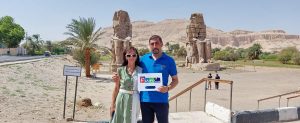
Memnon colossi of king amenophis III 4 min

Book with them, they are Professionals

It has always been my dream to visit Egypt. This was a beautiful tour, almost two years later, I can’t stop thinking about my time in Egypt, Valley of the Kings, Temple of Kom Ombo, Edfu, Luxor! I was able to add an eighth day to see Abu Simbel (a

More »

Amazing one day tour

Fantastic tour. We were picked up at the airport early in the morning (6 am), and were dropped off in the evening after discovering amazing Cairo. The guide was knowledgeable and took us to many hidden places, which we wouldn’t have found without him. Thank you!

More »

Goes well beyond “tour”

I am tempted to say “my friend Hani” runs an amazing service, because that is how he makes you feel. I first went on the 9-hour layover tour in summer 2011. Hani and driver picked me up at the airport at 3am, and by the time I left at noon

More »

Great one day tour in Cairo

My husband and I had a long layover in Cairo on our way to Kenya in 2010. Since we had never been to Egypt, we decided to sign up for a one-day tour with Egypt Fun Tours Day Trips. Our guide was there when we arrived and quickly guided us

More »
Isis with wings

Top-rated Tour Packages

Isis with wings