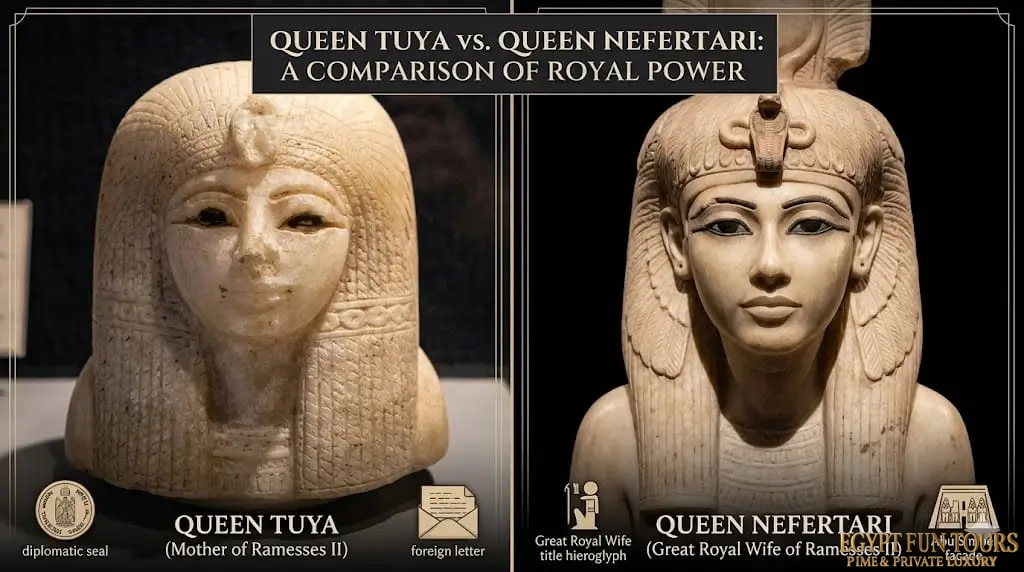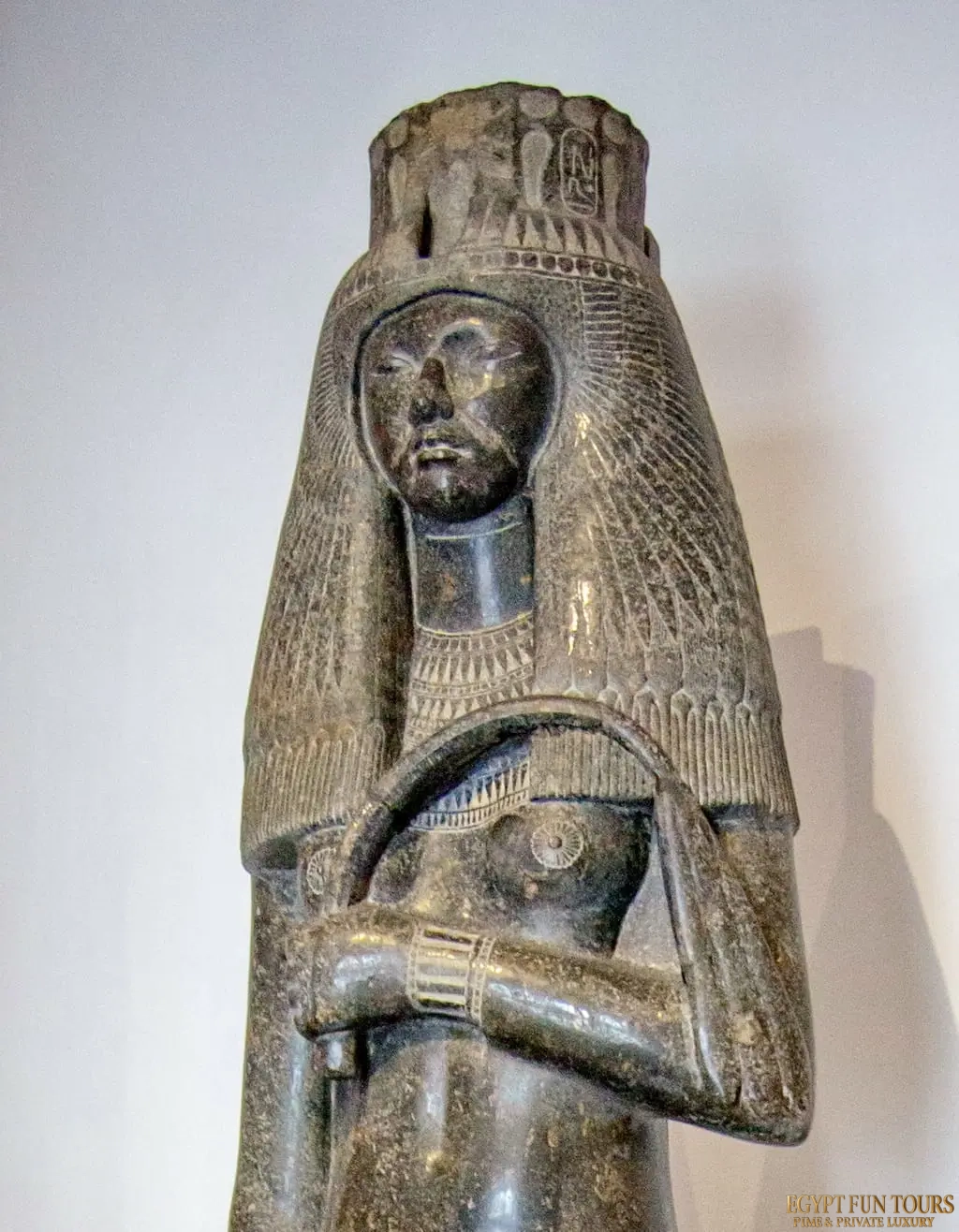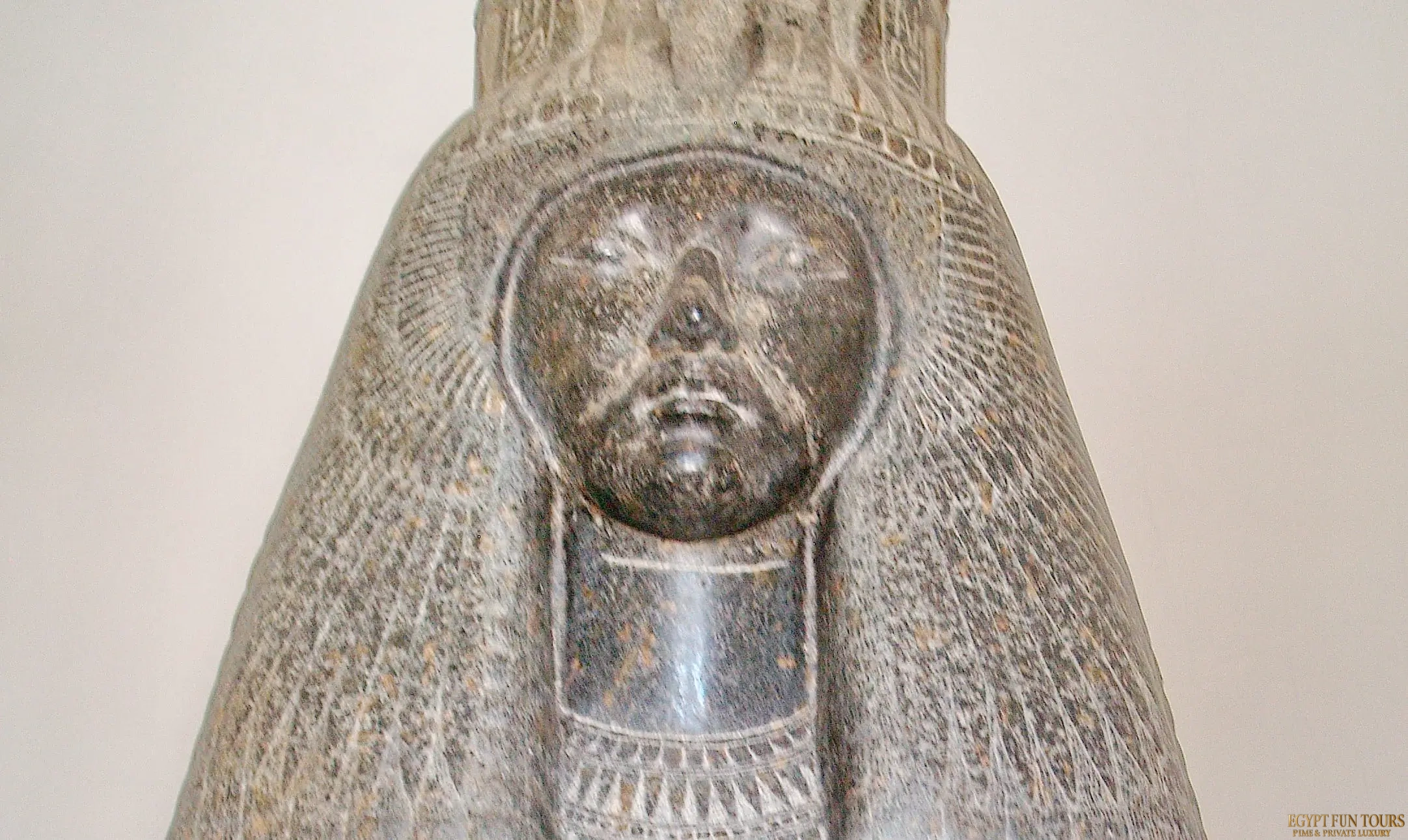
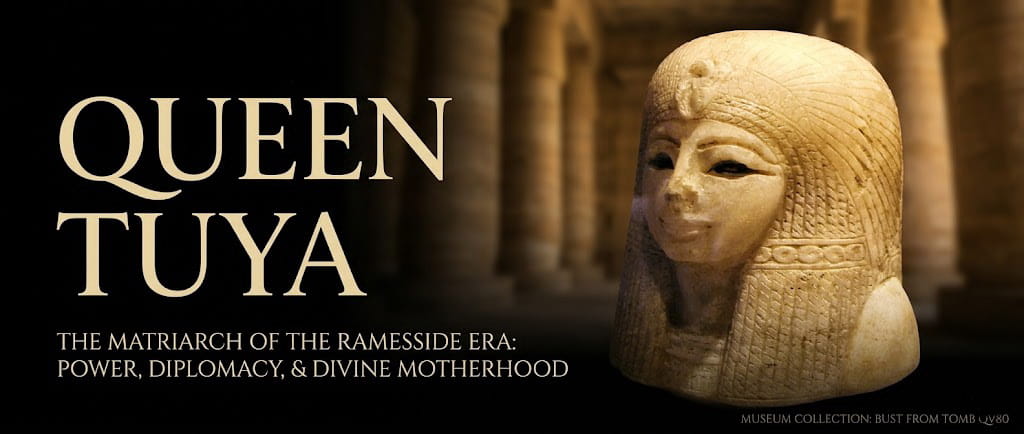
Queen Tuya (also known as Mut-Tuya) remains one of the most significant women in ancient Egyptian history. She lived during the peak of the New Kingdom and served as the Great Royal Wife of King Seti I. However, her historical weight primarily stems from her role as the mother of Pharaoh Ramesses II. Specifically, she acted as a stabilizing force during the transition of power between the 18th and 19th Dynasties. Because she was the daughter of a military officer named Raia, her background reinforced the martial spirit of the Ramesside era. Consequently, Queen Tuya represents the ideal of the “King’s Mother” as a divine and political advisor.
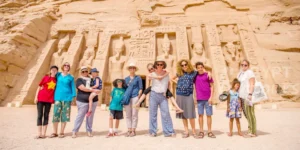
Originally, Tuya held titles that emphasized her religious and social standing. As a “Singer of Hathor” and “Chief of the Entertainers of Amun,” she managed massive temple estates. Because she outlived her husband, Seti I, she witnessed the first 22 years of her son’s legendary reign. For this reason, Ramesses II treated her with immense reverence, depicting her on monuments from Abu Simbel to the Ramesseum. Therefore, Queen Tuya is not just a secondary figure; she is a central pillar of the 19th Dynasty’s success.