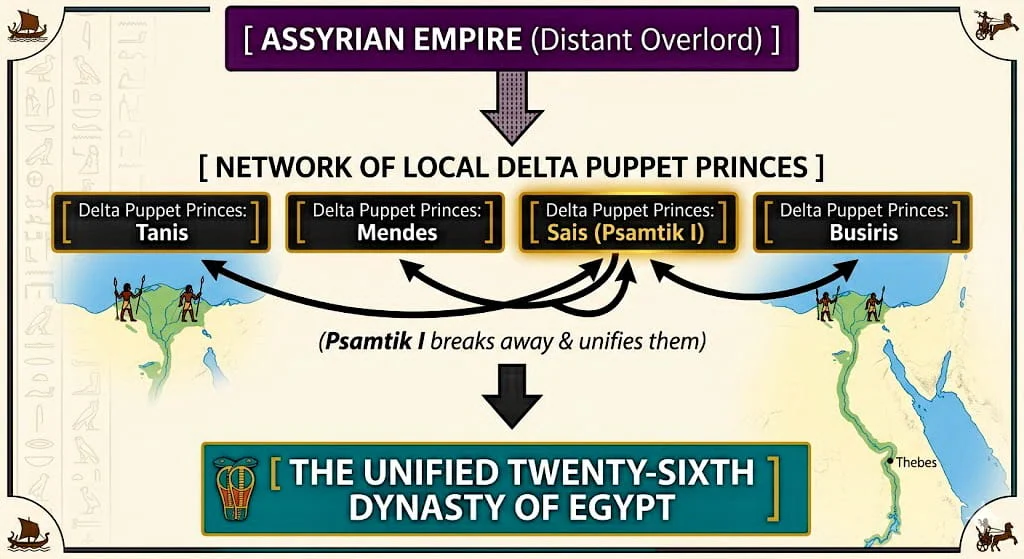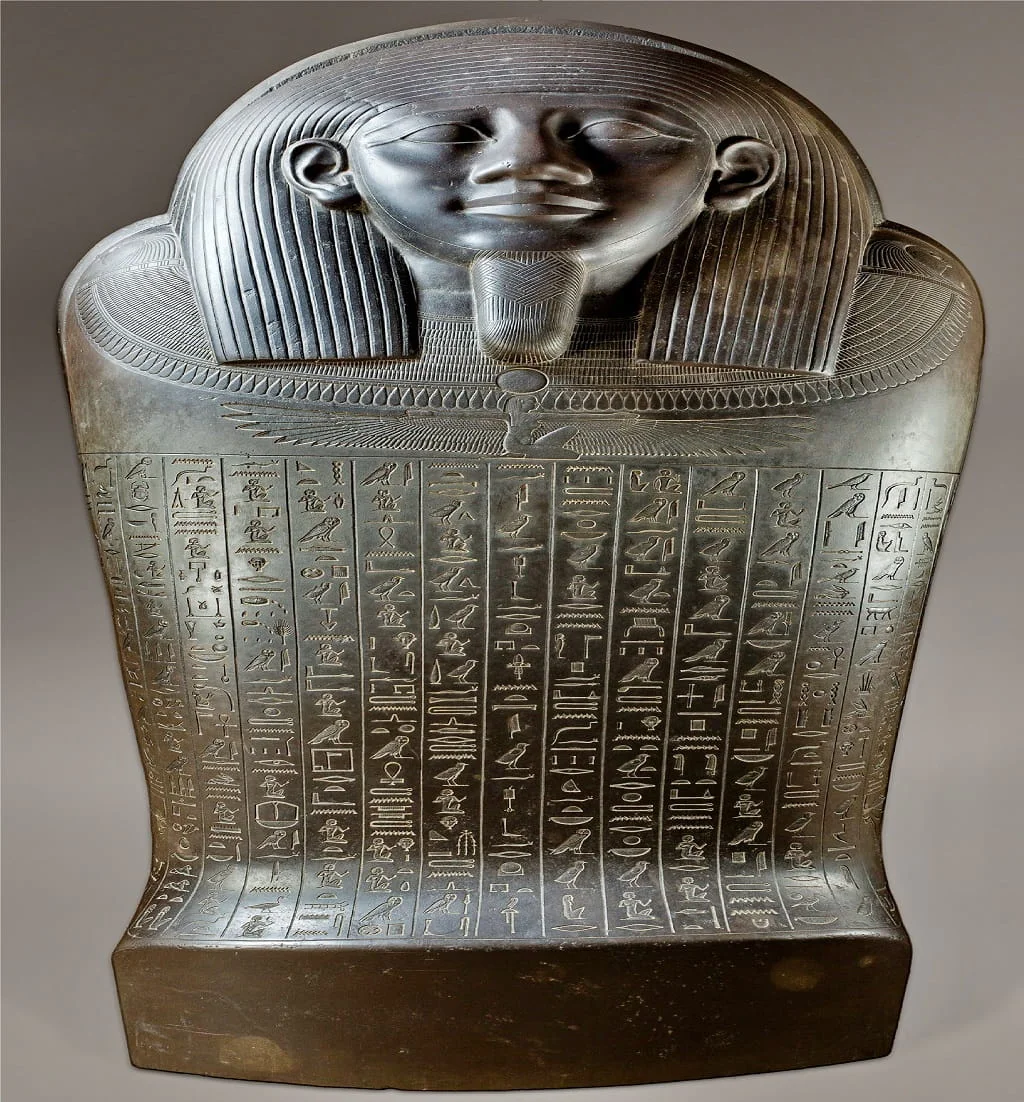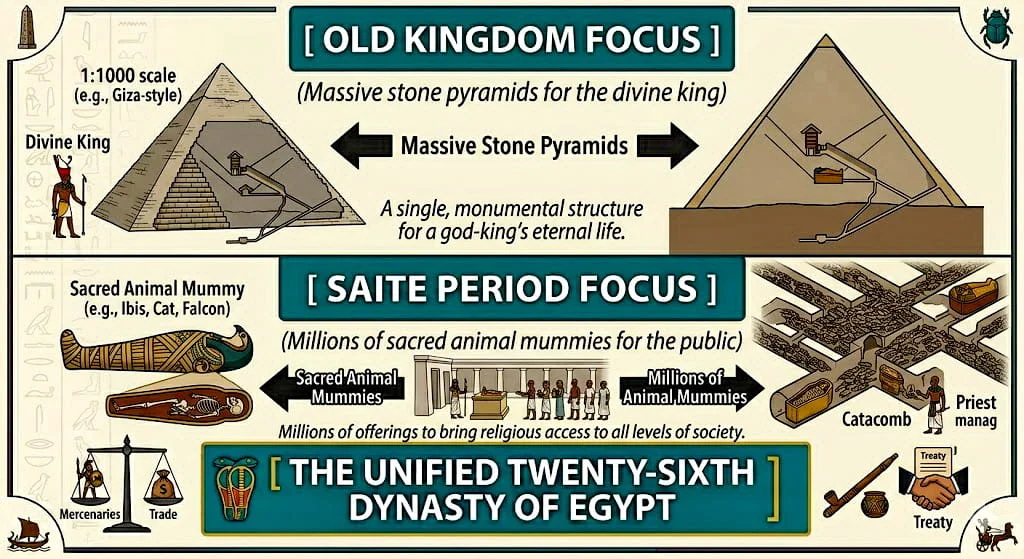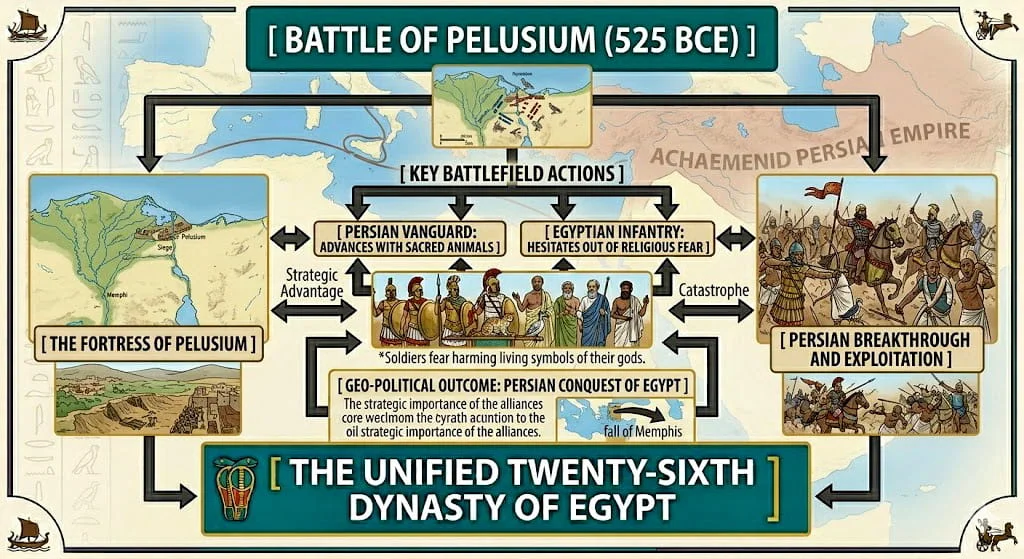


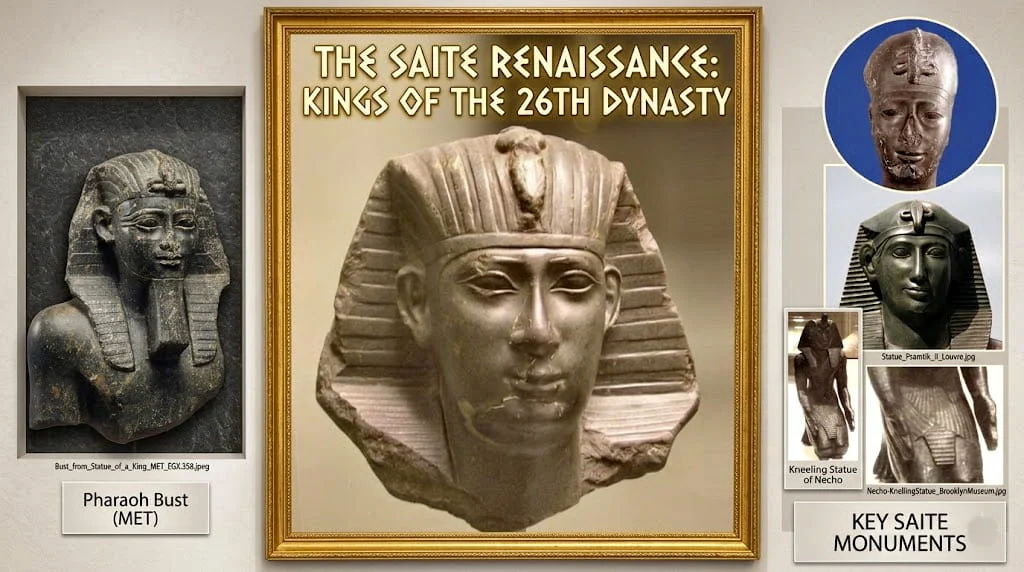
The twenty-sixth dynasty of Egypt (c. 664–525 BCE) marks the definitive beginning of the Late Period and represents the final great flowering of native pharaonic civilization before the Persian conquest. Emerging from the western Delta city of Sais, this remarkable line of kings restored centralized rule to a battered nation. They took power during a time of immense geopolitical chaos, immediately following decades of brutal civil war and destructive Neo-Assyrian invasions. Historians often refer to this era as the Saite Period. Instead of looking forward into an uncertain Iron Age, the Saite monarchs looked backward to find their strength. They initiated a brilliant cultural renaissance by intentionally copying the art, language, and monuments of the Old and Middle Kingdoms.
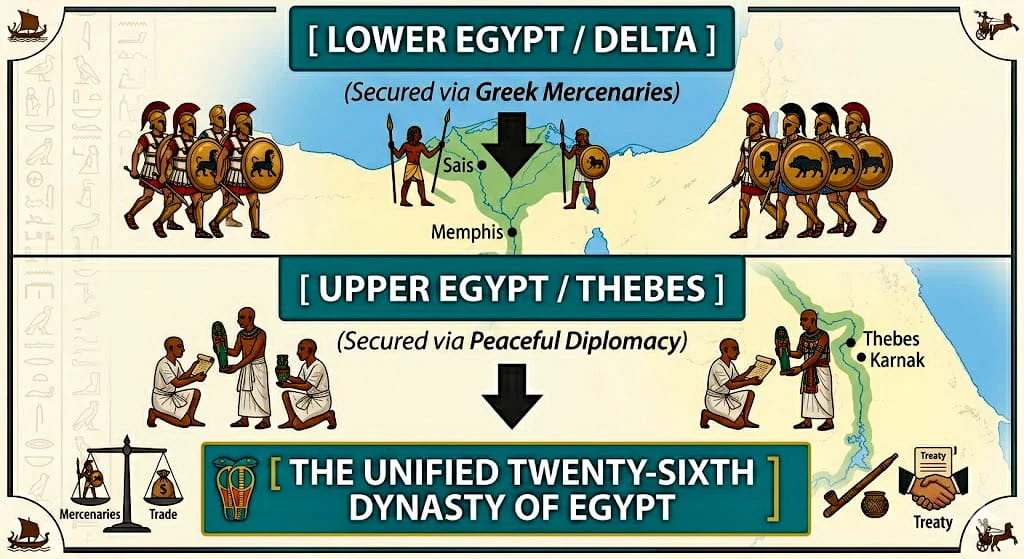
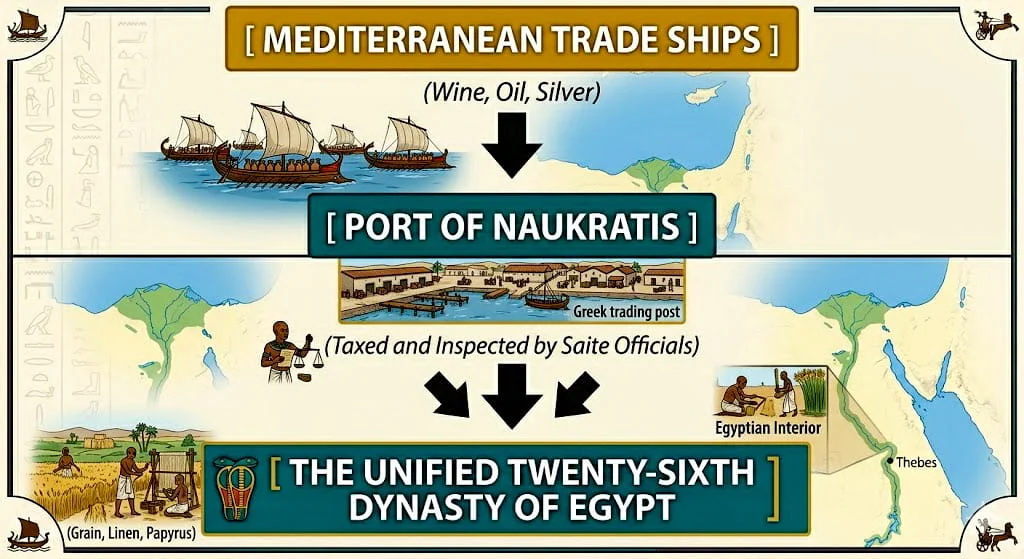
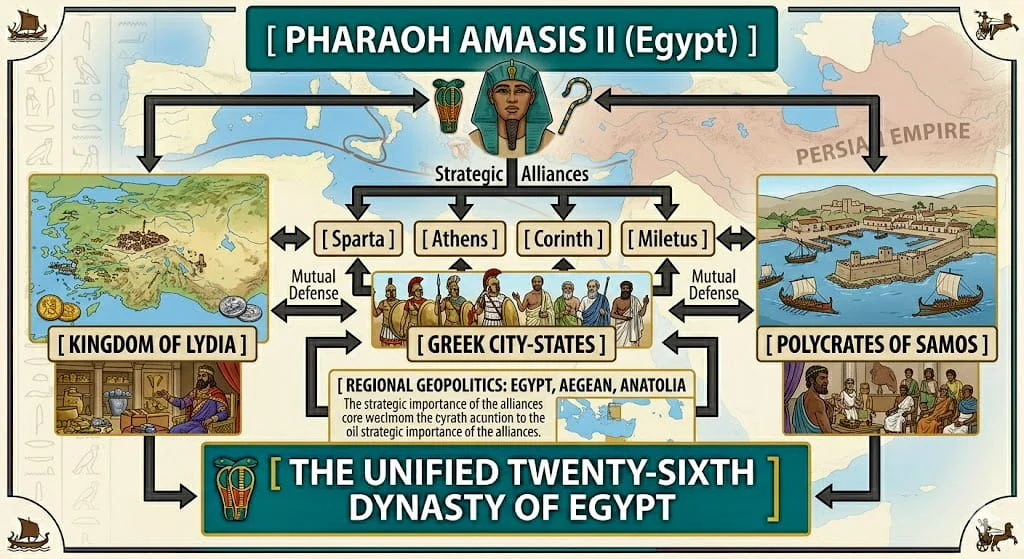
Yet, this dynasty was also deeply modern and global. The Saite pharaohs opened Egypt’s borders to the Mediterranean world. They hired Greek mercenaries to build a formidable military, established bustling international trading ports, and projected naval power across the Levant. For nearly 140 years, the twenty-sixth dynasty of Egypt successfully blended ancient traditions with globalized strategy, staging a magnificent final stand for the traditional pharaonic state.