
Thutmose II: The Forgotten Bridge of the Golden Age

Thutmose II was an active 18th Dynasty pharaoh who stabilized Egypt between the reigns of Thutmose I and Hatshepsut. He secured his legitimacy by marrying his half-sister, Hatshepsut, and likely ruled for over a decade. During his reign, he swiftly crushed a Kushite revolt in Nubia, defeated the Shasu Bedouin in the Levant, and built a grand festival court at Karnak. His sudden death in his early thirties from disease left a child heir, Thutmose III, creating the vacuum that allowed Hatshepsut to seize power. Yet, his steady rule successfully preserved the empire for his successors.
The eye of Horus
WhatsApp
Email
Print

The 18th Dynasty of ancient Egypt remains a famous era. It brought vast wealth, empire expansion, and powerful rulers. When people look back at this golden age, names like Thutmose I or Hatshepsut dominate the story. Yet, another pharaoh sits right between these historical giants. Historians often reduce his legacy to a mere footnote or treat him as a passive placeholder. This ruler was Akheperenre Thutmose II. He ascended the throne of Egypt in the early fifteenth century BCE. Far from being weak, he was an active and capable king. He worked hard to secure the massive empire that his father had built. During his rule, he managed intense family rivalries and crushed dangerous rebellions on the borders. He also started grand building projects that helped his successors succeed. To understand the explosive growth of the New Kingdom, you must understand Thutmose II. He was the vital bridge that held the dynasty together.

Thutmose II: Lineage and the Shadow of Legitimacy
Lineage and the Shadow of Legitimacy

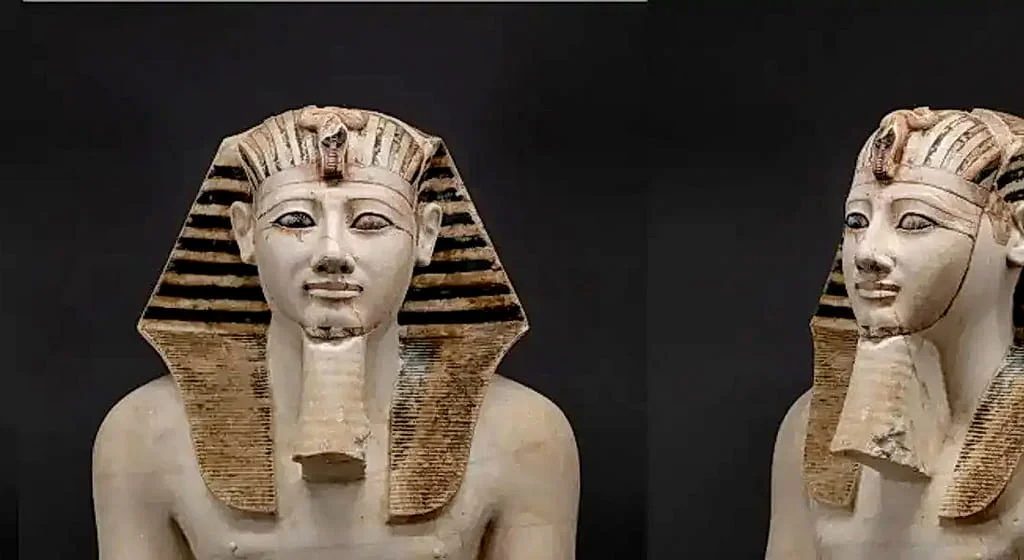
To understand the reign of Thutmose II, we must look at his family tree. Palace politics heavily shaped his path to power. His father, Thutmose I, ruled a massive empire that stretched from the Euphrates River to deep Nubia. Despite his great success, Thutmose I lacked domestic stability. His Great Royal Wife, Queen Ahmose, never produced a surviving male heir.

The Non-Royal Mother

Thutmose II did not come from the primary royal marriage. Instead, a secondary wife or high-ranking concubine named Mutnofret gave birth to him. Mutnofret held a high status in the court. She may have even been a daughter of Ahmose I. Still, her position as a secondary queen weakened her son’s claim to the double crown. Factions within the Theban court could easily challenge his right to rule. This lack of direct royal lineage cast a long shadow over his early life. Therefore, he needed an immediate solution to secure his throne.

Thutmose II: The Sacred Marriage

To fix this lineage issue, the court arranged a strategic royal marriage. Thutmose II married his half-sister, Hatshepsut. Unlike the young prince, Hatshepsut carried pure royal blood. She was the eldest daughter of Thutmose I and Queen Ahmose. Her ancestors had famously expelled the Hyksos invaders.

This marriage solved his political problems. It connected his military background with the sacred royal line. Upon his coronation, he took the name Akheperenre, which means “Great is the Manifestation of Ra.” However, the union created a complex power dynamic inside the palace. Thutmose II held the traditional titles of a king. Yet, his queen possessed a much stronger genetic claim to the throne. This tension quietly shaped his entire administration.
Divider

The Chronological Enigma: How Long Did Thutmose II Reign?

The Chronological Enigma How Long Did He Reign

Modern Egyptologists still argue about the exact length of Thutmose II’s reign. His successors later altered, dismantled, or claimed many of his monuments. Because of this, creating an accurate timeline remains a major challenge.

Thutmose II: The Traditional View

For decades, scholars agreed that he ruled for a very short time. They believed his reign lasted only three to four years. The lack of dated inscriptions from his era supported this theory. In fact, the highest undisputed date on his monuments is “Year 1,” found on an inscription in Aswan. Early researchers argued that he was a sickly young man who died before making a real impact on Egypt.

Thutmose II: The Revisionist Debate

Recently, a powerful new argument has challenged that old view. Prominent Egyptologists like Luc Gabolde champion this revisionist theory. These scholars argue that a three-year reign is simply too short. It does not match the sheer volume of building projects that Thutmose II started.

Furthermore, ancient records like Manetho’s Aegyptiaca back up this new timeline. Manetho explicitly states that the pharaoh ruled for twelve or thirteen years. By re-examining Karnak’s architecture, experts have found many anonymous monuments from this era. They now believe Thutmose II ruled for at least a full decade. This longer timeline changes how we view him. He was not a short-lived proxy king, but an active, long-term leader.

Golden Scarab

The Kushite Rebellion: Defending the Southern Frontier

The Kushite Rebellion Defending the Southern Frontier

Upon his coronation, Thutmose II faced an immediate threat to his empire. News of Thutmose I’s death traveled fast. Consequently, the kingdom of Kush launched a major revolt in Nubia. This rebellion directly threatened the southern gold fields and vital trade routes that Egypt controlled. The local leaders wanted to break free from Egyptian rule before the new king could secure his power.

Thutmose II: The King’s Swift Mobilization

Thutmose II did not hesitate. He reacted quickly to protect his borders. Although some older histories claim he stayed behind, contemporary inscriptions show he took full control of the response. He ordered an immediate military mobilization. The Egyptian army moved south with impressive speed. An inscription carved onto a large rock at Aswan tells the story of this campaign. It records how the king’s forces crushed the rebels with overwhelming power.

Thutmose II: Battle Tactics at the Cataracts

The Egyptian army used highly effective tactics to defeat the Kushites. They deployed elite archers and high-speed chariot divisions along the Nile. This mobile warfare overwhelmed the rebel infantry. The text states that the Egyptian forces killed the rebels and took their leaders captive.

  • Securing Hostages: The army captured the son of the Kushite ruler. They brought him back to Thebes as a hostage to ensure future loyalty.
  • Protecting Wealth: This decisive victory secured the southern gold supply lines. It sent a clear message to all foreign groups.
  • Imperial Order: By crushing the revolt so quickly, Thutmose II proved he could defend the empire his father had built.
The eye of Horus

Northern Strategy: Confronting the Shasu Bedouin

Northern Strategy Confronting the Shasu Bedouin

After securing the southern border, Thutmose II turned his focus to the northeast. The Sinai Peninsula and the southern Levant were critical for Egyptian trade. However, nomadic groups constantly raided these paths.

Thutmose II: The Levant Campaign

The pharaoh launched a targeted campaign into southern Syria and the Levant. He wanted to clear the trade routes and stop the raids. His primary targets were the Shasu. These fierce, nomadic Bedouin groups lived in the desert regions of the southern Levant. They frequently attacked royal merchants and diplomatic messengers.

Thutmose II: Securing the Trade Networks

Thutmose II used his swift chariot units to track the nomads through the harsh desert terrain. This operation required advanced logistics. His troops had to carry water and supplies across the dry Sinai plains.

The campaign succeeded. The Egyptian army drove the Shasu away from the main trade routes and established new outposts. This victory protected Egyptian merchants. It also reinforced the northern border markers that Thutmose I had previously set. Through these actions, Thutmose II showed that Egypt’s military could strike effectively in both the deep south and the far north.

Divider

Architectural Footprints: Building for the Gods

Architectural Footprints Building for the Gods

Thutmose II also left a significant mark on Egypt’s religious landscape. He knew that monumental architecture proved a king’s divine right to rule. Therefore, he launched several building projects despite the challenges of his reign.

Thutmose II: The Remodeling of Karnak

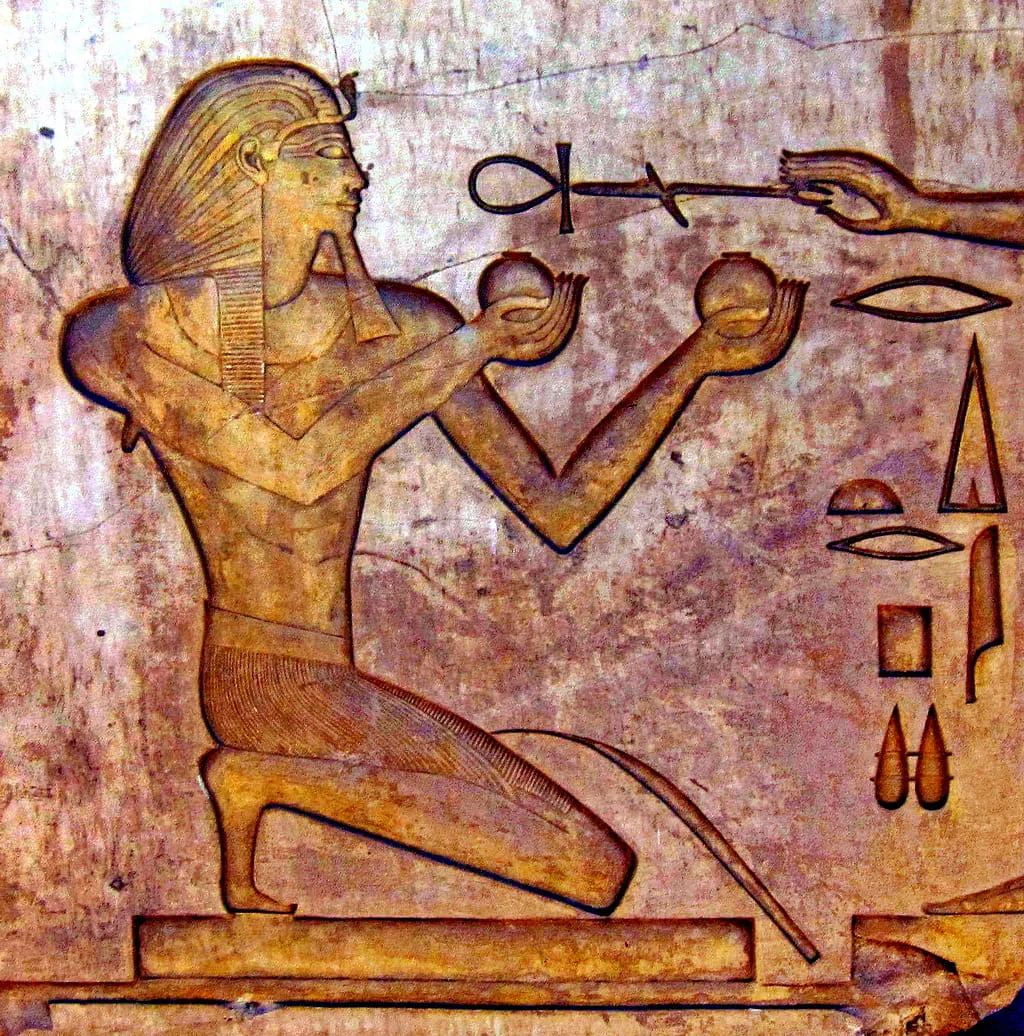
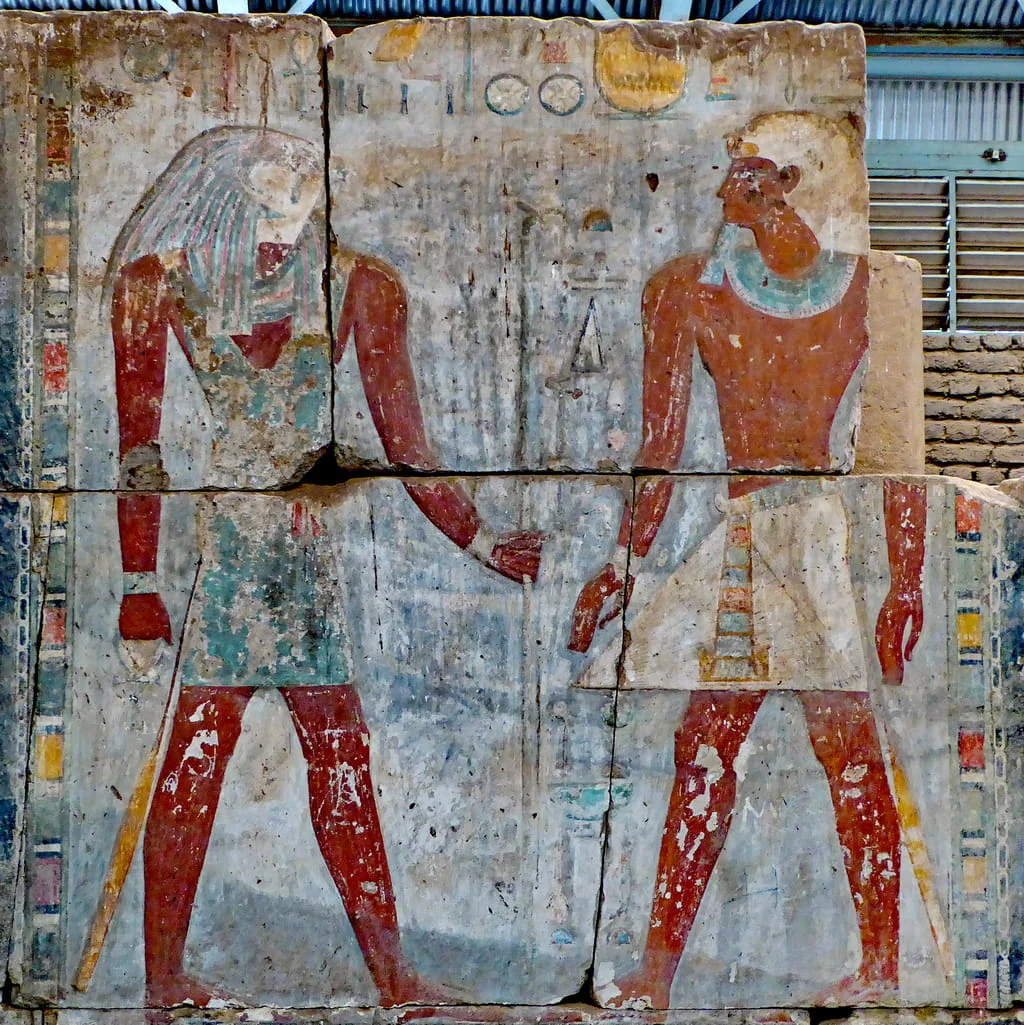
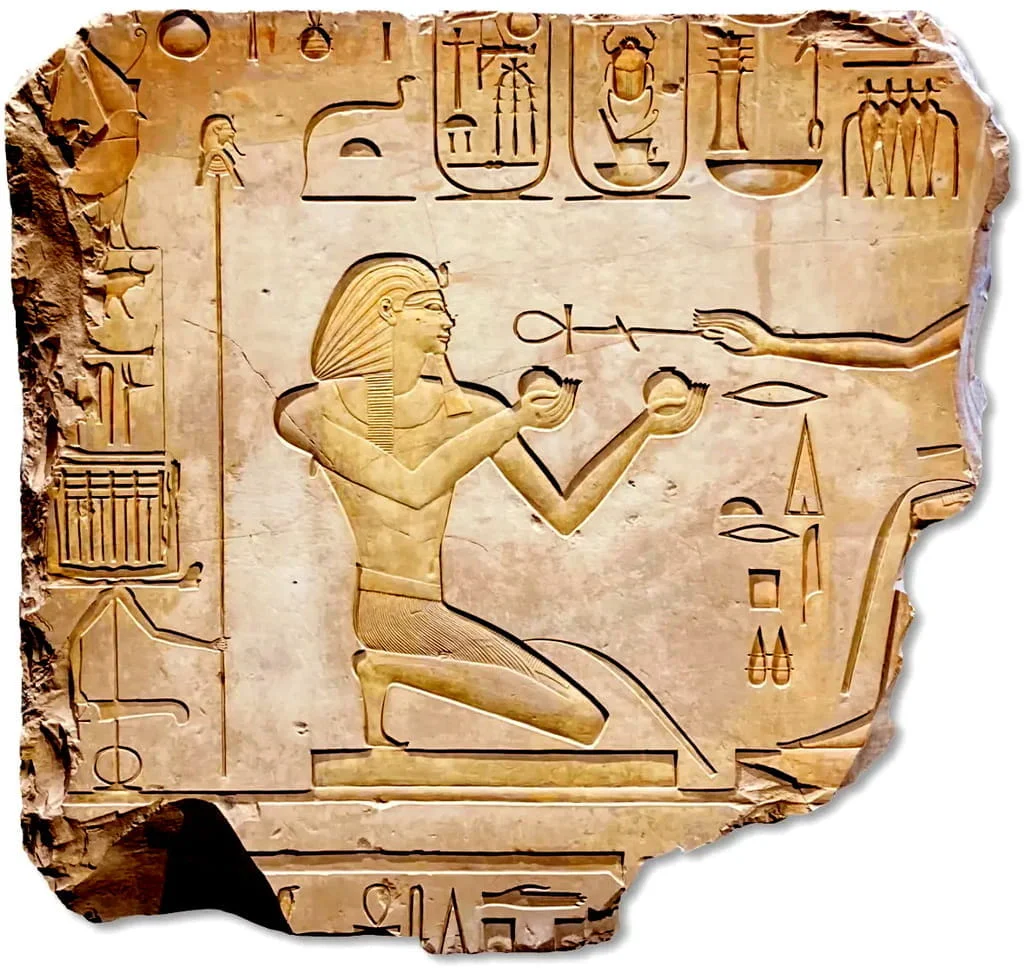
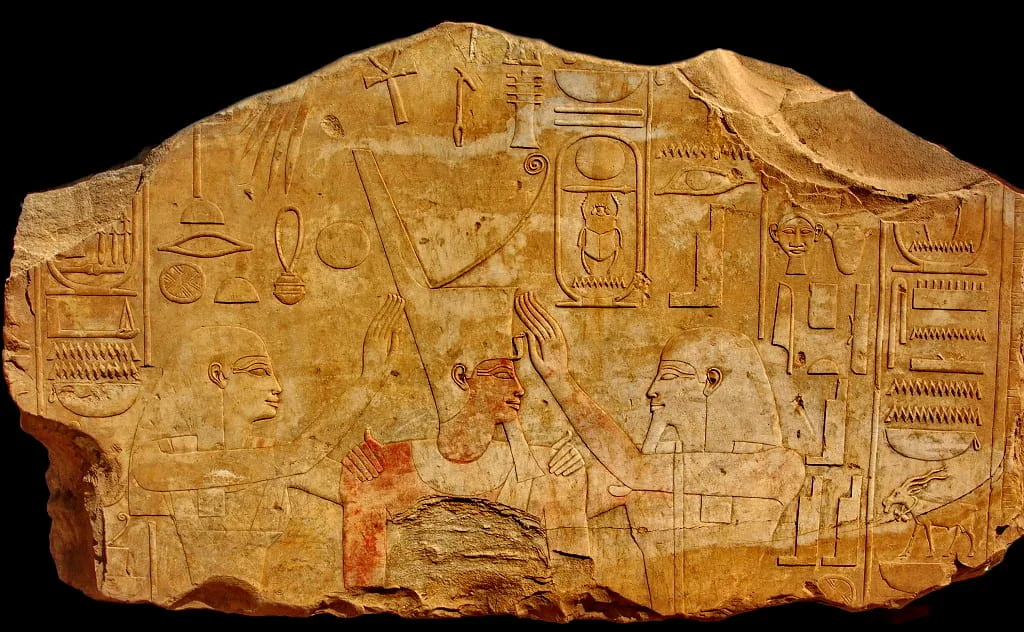
His grandest work took place at the Temple of Amun-Ra in Karnak. Thutmose II wanted to honor the supreme god of Thebes. He built a massive festival court out of fine white limestone. This beautiful courtyard sat directly in front of Pylon IV, which was the main entrance of the temple at the time.

The courtyard served as a grand staging area for religious festivals. However, visitors cannot see it in its original form today. Decades later, Amenhotep III dismantled the structure. He used its high-quality stone blocks as filler material inside his own new project, Pylon III. Fortunately, modern archaeologists have extracted these blocks from the pylon. They have reconstructed parts of Thutmose II’s court in Karnak’s Open-Air Museum.

Thutmose II: Building Beyond Thebes

Thutmose II did not limit his construction to the capital city. He extended his architectural footprint into the strategic borders of the empire.

  • Elephantine Island: He built a chapel near the First Cataract to honor the local gods and secure divine favor at the southern border.
  • Fortress Sites: He added structures to the fortresses of Semna and Kumma in Nubia to remind local populations of his power.
  • Nubian Temples: He commissioned reliefs that celebrated his victories, ensuring that his name remained carved into the landscape of the conquered territories.

Thutmose II: The Usurpation of Monuments

If Thutmose II built so much, why is his name missing from many sites? The answer lies in family politics. After his death, both Hatshepsut and Thutmose III altered his monuments. Hatshepsut often erased his name to replace it with her own during her reign. Later, Thutmose III did the same thing when he took sole power. This systematic erasure is the main reason why earlier historians underestimated Thutmose II’s building achievements.

The eye of Horus

Thutmose II: Death, Disease, and the Deir el-Bahari Mummy Cache

Thutmose II Death, Disease, and the Deir el-Bahari Mummy Cache

The death of Thutmose II brought an abrupt end to his efforts to stabilize the empire. Fortunately, modern science has provided a deep look into the physical life and final days of this pharaoh. His physical remains offer vital clues about how he lived and died.

The Discovery of the Mummy

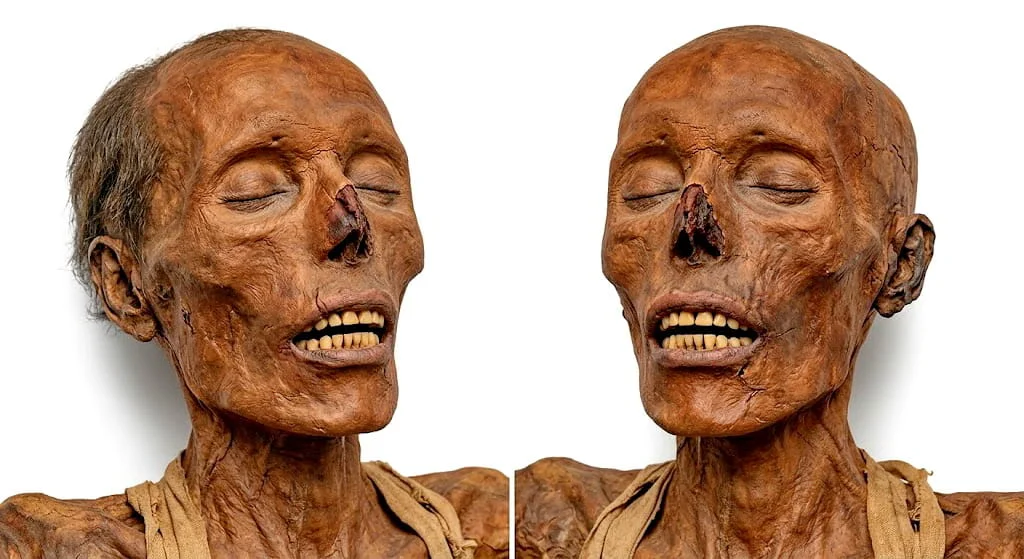
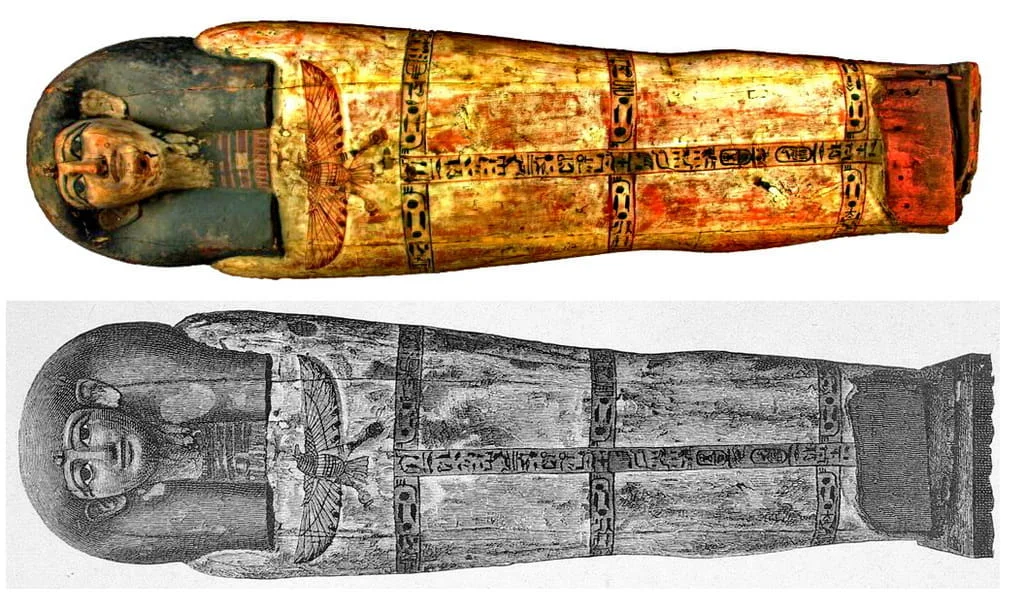
In 1881, archaeologists made an incredible discovery in the cliffs of Thebes. They found a hidden tomb known today as the Deir el-Bahari Royal Cache (DB320). To protect the bodies of Egypt’s greatest rulers from ancient grave robbers, high priests had gathered the royal mummies and hid them together. Among these great kings lay the mummy of Thutmose II.

Gaston Maspero’s Analysis

The famous French Egyptologist Gaston Maspero unwrapped the pharaoh’s mummy. His initial observations painted a vivid picture of the king’s physical state. Maspero noted that Thutmose II was not a physically robust warrior like his father. The mummy showed a body that had suffered significantly before death. The king stood at roughly five feet and five inches tall, and his remains revealed a surprisingly fragile skeletal structure.

Thutmose II: Health and Disease

Thutmose II Health and Disease

Medical examinations of the mummy revealed several striking physical ailments:

  • Skin Lesions: The king’s skin was covered in unusual patches and scars, suggesting he suffered from a severe skin disease.
  • Physical Ailments: The condition of his joints and tissue indicated a state of general physical weakness during his final years.
  • Sudden Illness: The evidence suggests that a sudden, debilitating disease struck him down in his early thirties, cutting his ambitious reign short.

Thutmose II: Succession and the Dawn of Hatshepsut’s Regency

Thutmose II Succession and the Dawn of Hatshepsut’s Regency

The untimely death of Thutmose II created an immediate political crisis within the royal court. Because he died young, he left behind a highly unstable line of succession.

The Problem of the Heir

Thutmose II faced a major reproductive issue during his marriage to Hatshepsut. The royal couple failed to produce a surviving male heir. Instead, their union only produced a daughter named Neferure. Without a direct prince born from the Great Royal Wife, the court had to look elsewhere for a male successor to claim the throne.

The Birth of Thutmose III

Fortunately for the dynasty, Thutmose II had fathered a son with a lesser harem concubine named Isis. This young prince was Thutmose III. However, at the time of his father’s sudden death, Thutmose III was merely a small child. He was far too young to lead an army, govern the state, or manage the powerful religious factions at Thebes.

The Power Vacuum

This age gap created a massive power vacuum in Egypt. By law, the young Thutmose III became the official pharaoh, but he needed a regent to rule in his place. Step-mother and aunt Hatshepsut immediately stepped into this role. She used her superior royal lineage and political alliances to take complete control of the government. Eventually, she went a step further, crowning herself co-pharaoh and pushing the young Thutmose III into the background for over two decades.

Thutmose II: The Bridge to Greatness

Ultimately, Thutmose II was far more than a simple footnote in Egypt’s grand narrative. He faced a monumental challenge: ruling in the shadow of his legendary father while navigating a complex marriage to a highly ambitious queen. Despite these intense political pressures, he successfully defended Egypt’s vast borders, protected its vital wealth, and added beautiful structures to its sacred temples.

His sudden death cut his life short and sparked one of the most famous coregencies in history. Yet, it was his steady hand that kept the 18th Dynasty secure during a fragile moment of transition. By stabilizing the empire, Akheperenre Thutmose II built the literal and historical bridge that allowed both Hatshepsut and Thutmose III to later lift Egypt to its absolute peak of golden age glory.


Divider

Great layover tour

First things first…I was in Cairo about a week before the protests of 2011 started. As far as the tour was concerned, I was very pleased. I was met at the airport by a knowledgeable guide (Sara) who spoke great English and a driver. They took me to Giza first,

More »

A great day!!!!

Thank you Hamada for an incredible day! Thank you for the stories and the history, you are so knowledgeable and we didn’t feel rushed at all or like we missed out on things, will definitely be recommending this tour to everyone 🙂

More »

Excellent Adventure

These guys put together an amazing itinerary that allowed me see the sunrise at the sun festival in Abu Simbel, King Tut’s tomb, and mask! That was just the tip of the iceberg. Aswan, Kom Ombo, Edfu and Luxor. So much visited with plenty of rest time. An amazing trip

More »
Premium Cairo Tour Package Egypt Fun Tours

THE MOST AMAZING TRIP

Hi Hamada! Sorry, we were so quick to say goodbye—my mom was fading 🙂 I just wanted to say thank you for THE MOST AMAZING trip… You thought of every detail, improvised, adapted, overcame every challenge, multitasked personalities, and did it all with grace, intelligence, and kindness. From the bottom

More »

Great Walking Tours!

My husband & I were very very happy with the walking tour we took with Egypt Fun on Nov 26. Our guide (Manal) was amazing & very very knowledgeable. Thanks to Manal, we were able to really get a very good understanding of the city, its history & its great

More »
God_Anubis_Icon

Top-rated Tour Packages

God_Anubis_Icon
WhatsApp
Email
Print