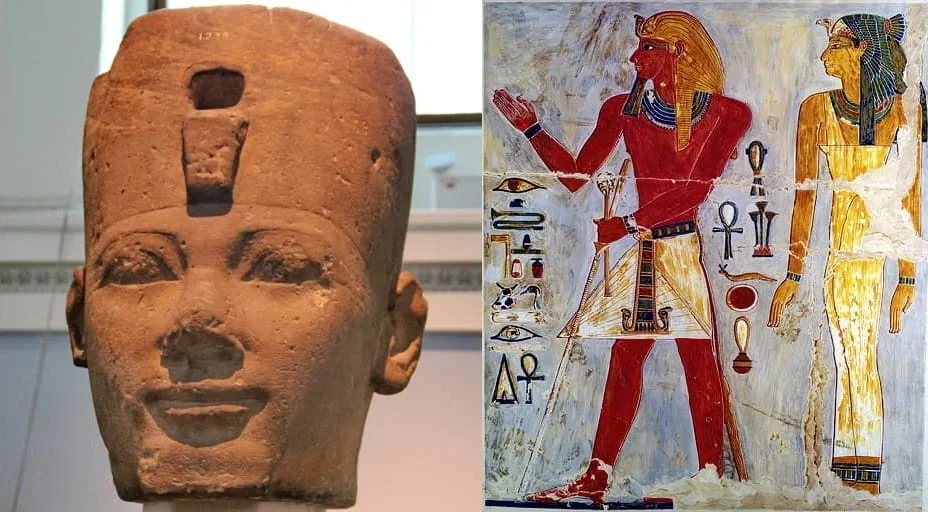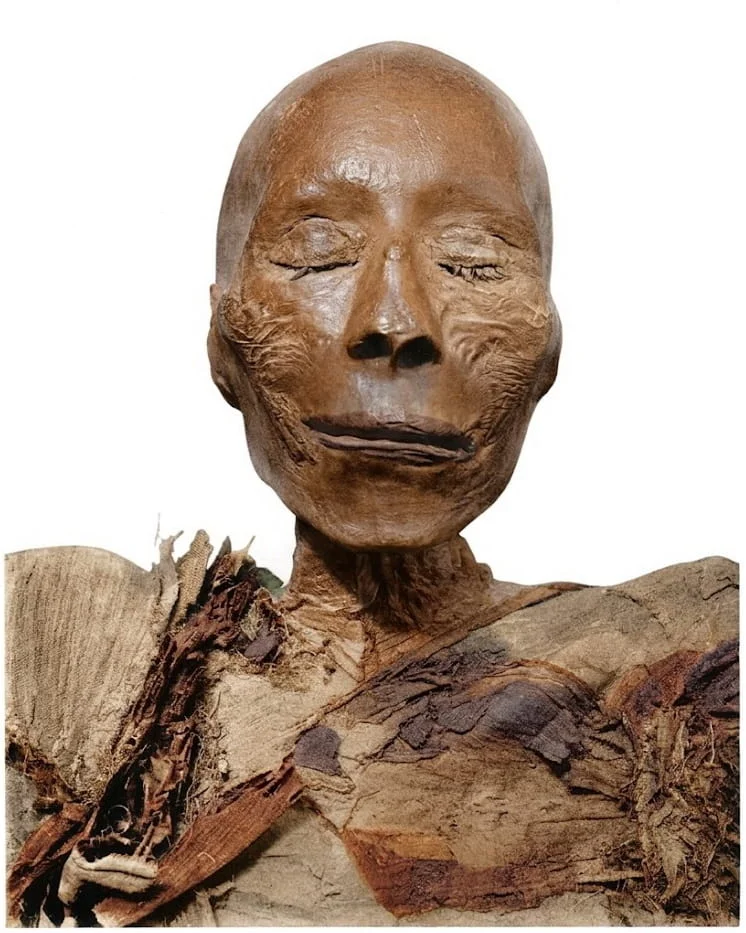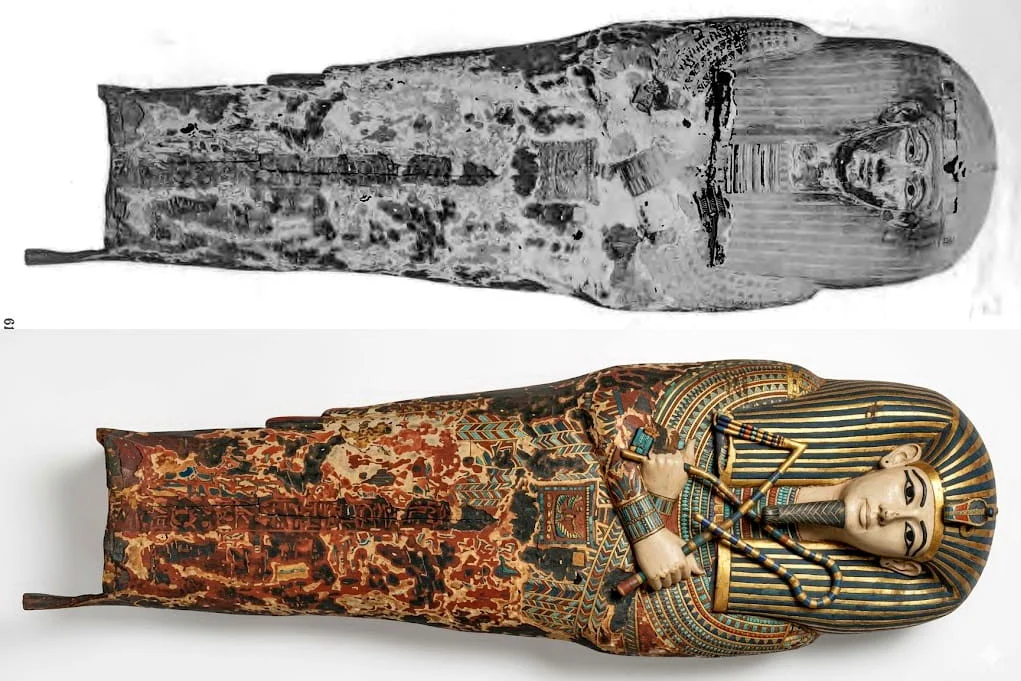

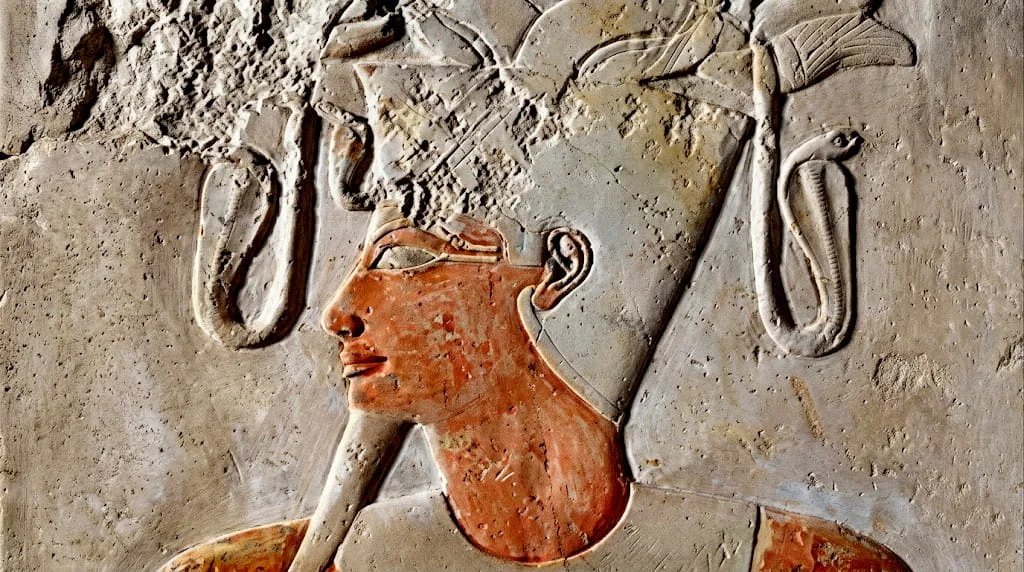
The 18th Dynasty of ancient Egypt remains famous for its vast wealth, stunning art, and powerful rulers. While many people recognize names like Hatshepsut or Thutmose III, the dynasty’s third pharaoh was the true architect of the Egyptian Empire. His name was Akheperkare Thutmose I, and he reigned from approximately 1506 to 1493 BCE.
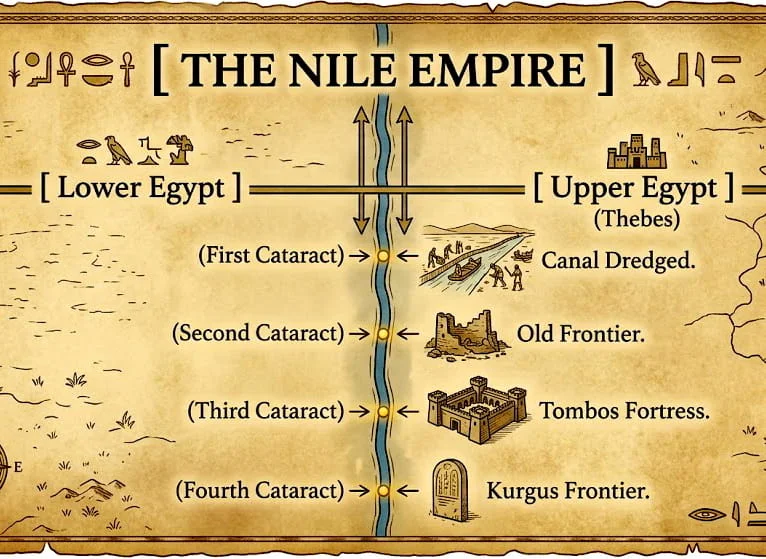
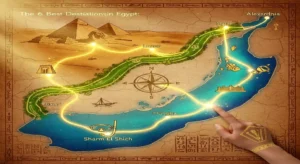
Thutmose I did not inherit the throne through a direct royal bloodline. Instead, he rose to power through military skill and a strategic marriage. Under his command, Egypt transformed from a nation recovering from foreign occupation into an aggressive, multi-continental superpower. He led lightning campaigns that pushed Egyptian borders farther than any previous ruler. His armies reached the Fourth Cataract of the Nile in the south and the distant banks of the Euphrates River in the north.
Lineage and Ascendancy: Rising as an Outsider
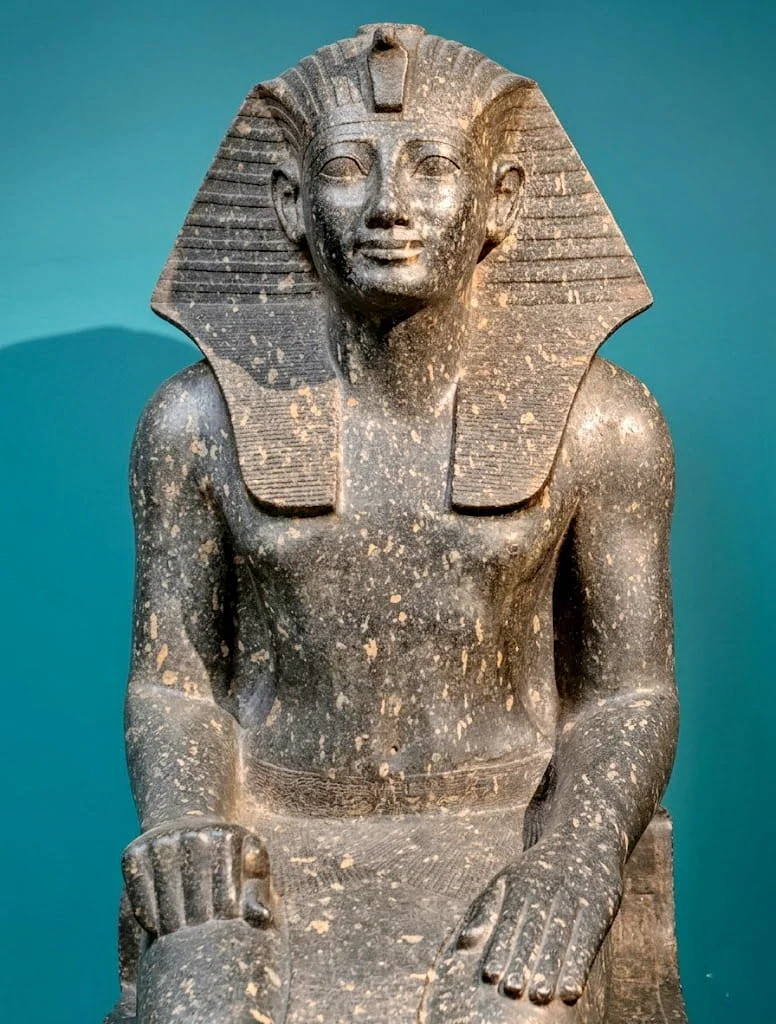
The shift in power from Amenhotep I to Thutmose I marked a major turning point for the 18th Dynasty. Amenhotep I died without leaving a male heir, which threatened the stability of the crown. Thutmose was not the son of the king, and his mother was a non-royal woman named Senesneb.
To strengthen his claim to the throne, Thutmose married Queen Ahmose. She likely held a close relationship with Amenhotep I, so this marriage helped bridge the gap between his military success and the royal lineage. Upon his coronation, he took the name Akheperkare, which means “Great is the Manifestation of the Soul of Ra.” Because he was an outsider to the royal line, he focused his domestic policy on validating his rule. He aligned himself closely with Amun-Ra, the state god, to prove his divine right to lead.