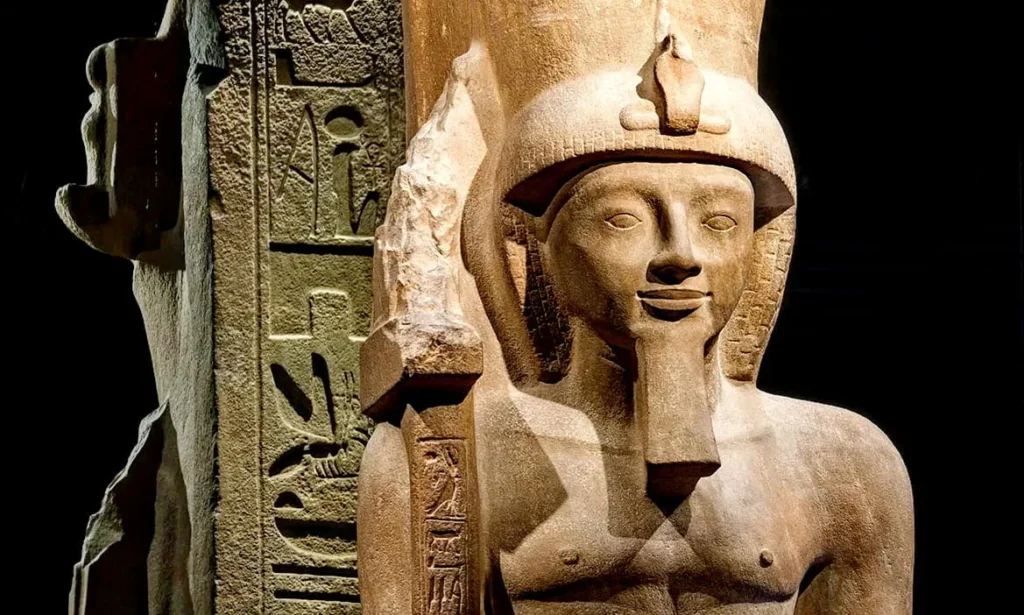
King Seti II: The Resilient Pharaoh of the Late 19th Dynasty

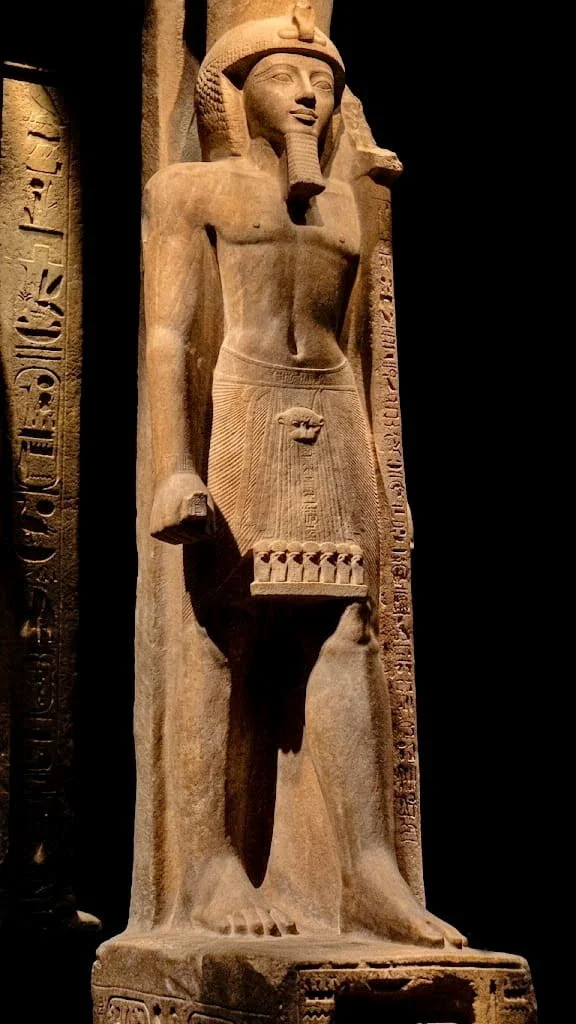
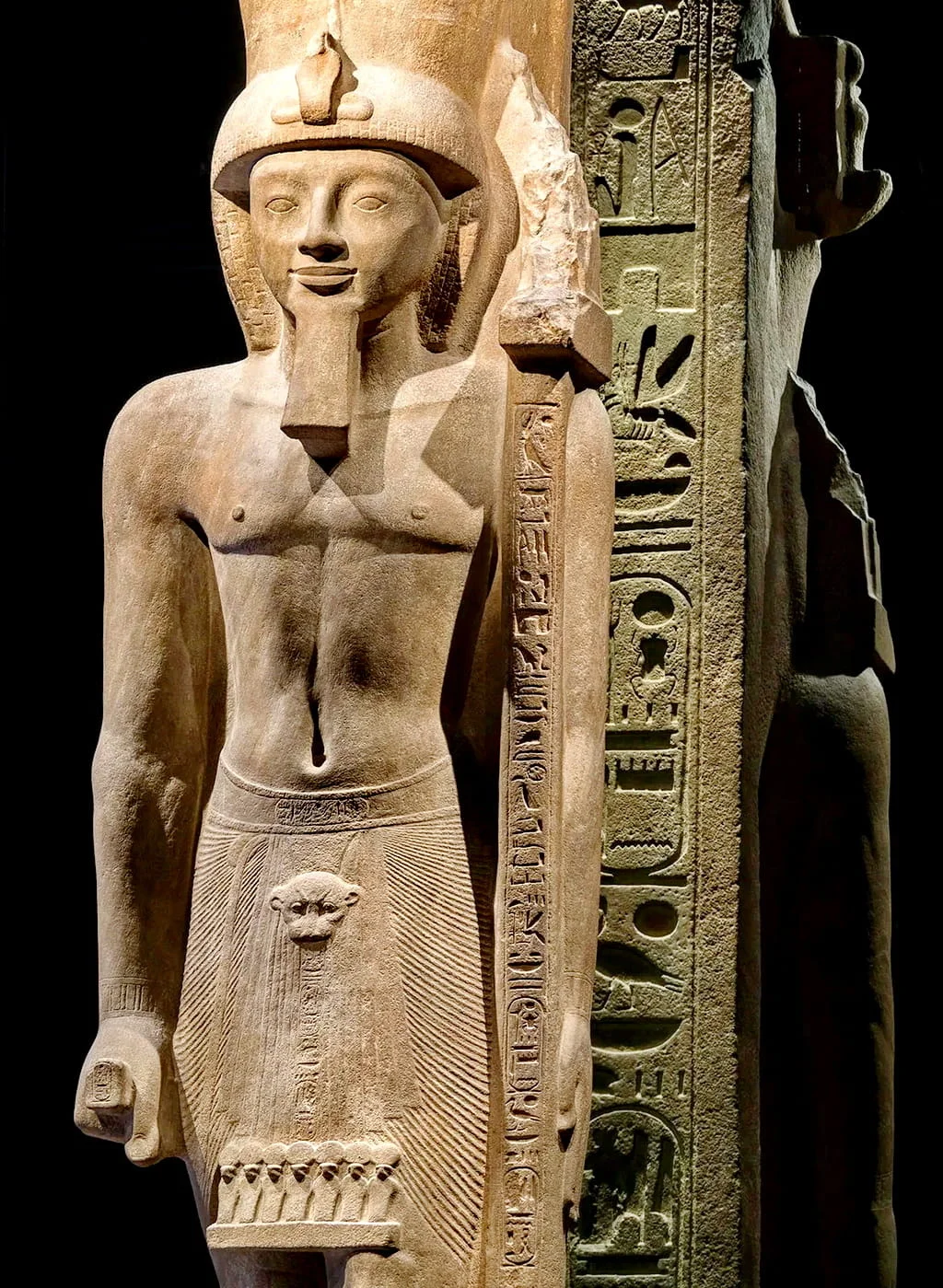
King Seti II was a resilient pharaoh of Egypt's 19th Dynasty who successfully safeguarded the royal lineage during a period of intense internal turmoil. Succeeding his father Merneptah, his early reign was instantly disrupted by a bitter civil war against the usurper Amenmesse, which effectively split Egypt in two. Despite losing control of the south for several years, Seti II patiently consolidated his power, ultimately reunited the Upper and Lower Kingdoms, and restored cosmic order (Ma'at) by systematically erasing his rival's legacy from history. Though his reign lasted only about six years, he left a permanent architectural mark on the landscape—most notably through his elegant three-chambered barque shrine at Karnak Temple and his deeply cut royal tomb, KV15, in the Valley of the Kings.
The eye of Horus
WhatsApp
Email
Print

The golden age of ancient Egypt did not collapse overnight. Instead, it slowly broke apart from the inside. After the long rule of Ramesses II, Egypt slipped into a time of deep political drama and family rivalries. At the center of this struggle stands King Seti II. He was a resilient ruler who fought hard to keep his country together during a very dark hour.

The Rise of King Seti II
The Rise of King Seti II

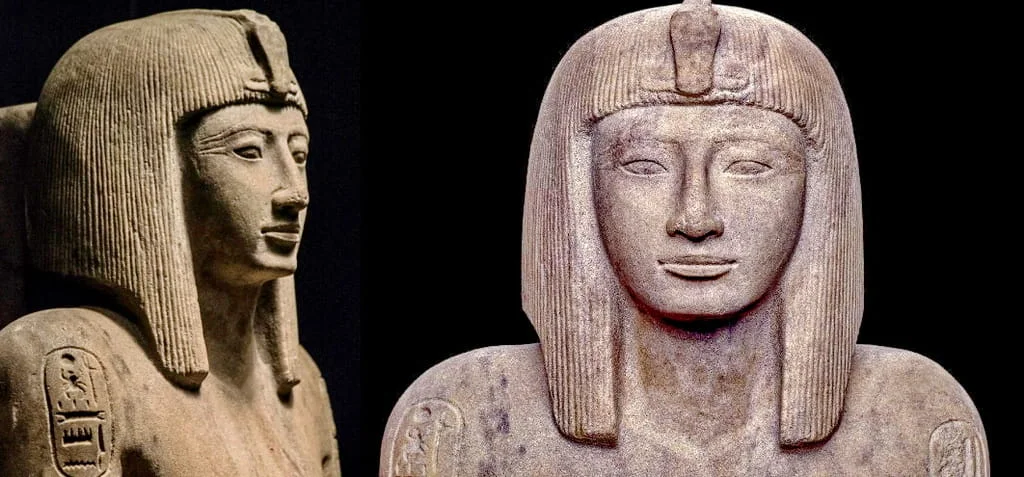
For a long time, historians found this specific part of Egyptian history confusing. However, discoveries from the sands of Luxor are finally changing that. The story of King Seti II is no longer a mystery. We now know he was a master of royal survival. Seti II ruled for about six years at the end of the 13th century BCE. He inherited a deeply fractured empire. Almost immediately, a major rebellion split the nation in two. Seti II had to fight bitterly to reclaim his absolute power over the Nile.

To understand Seti II, you must understand how fragile royal power had become. He spent his early years fighting a rival king for the throne. Then, he spent his final years erasing that rival from history to restore peace to the land.

He left behind incredible monuments. These include beautiful structures at the Karnak Temple complex. He also built a deep, rock-cut tomb in the Valley of the Kings, known today as KV15. Are you a history lover tracing the family lines of the New Kingdom? Or are you a traveler preparing for a private tour to the tombs of Luxor? This guide will dive deep into the life, the wars, and the legacy of King Seti II.
Divider

The Succession Crisis: Who Succeeded Merneptah?

The Succession Crisis Who Succeeded Merneptah

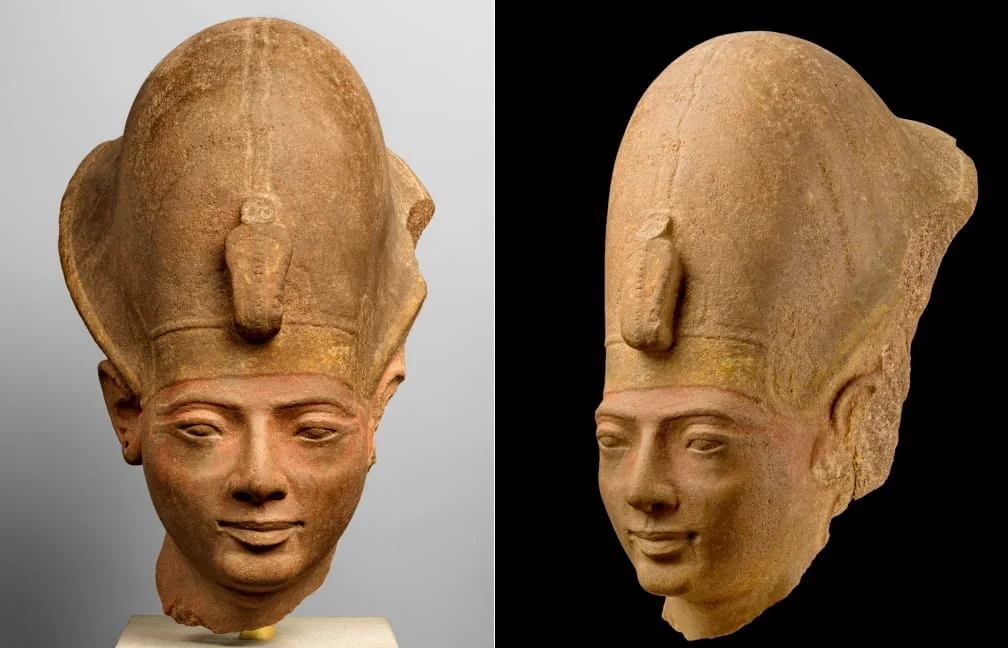
When Pharaoh Merneptah passed away after a decade of rule, he left behind a clear line of succession. His son, Crown Prince Seti-Merneptah, was the rightful heir to the throne. Under normal circumstances, the young prince would have taken the crown seamlessly. Instead, the royal court fell into absolute chaos.

King Seti II succeeded his father Merneptah as the legitimate pharaoh of Egypt’s 19th Dynasty. However, his early reign was instantly contested. Before Seti II could fully solidify his power across the entire kingdom, an unexpected rival stepped forward from within the royal family to steal the crown.

The Usurpation of Amenmesse: A Divided Egypt

The man who challenged the rightful king was Amenmesse. Most historians believe he was either a brother or a half-brother to Seti II. Amenmesse was highly ambitious. He seized an opportunity to strike when Seti II was based far away in the northern capital of Memphis.

Amenmesse rapidly gathered massive support in the south. He managed to grab total control of Upper Egypt, including the highly important religious capital of Thebes and the gold-rich region of Nubia. This bold move effectively split the ancient superpower right down the middle. For nearly four years, Egypt had two parallel kings ruling at the same time. Seti II controlled the north, while the usurper Amenmesse ruled the south.

Reclaiming the Double Crown: King Seti II Resurgent

Reclaiming the Double Crown King Seti II Resurgent

Despite losing half his kingdom, Seti II proved to be an incredibly resilient leader. He patiently consolidated his resources in Lower Egypt. Eventually, his loyal forces pushed south to confront the rebel regime. Around his fourth regnal year, Seti II successfully overthrew Amenmesse and re-established sole rule over a united Egypt.

To restore cosmic balance—known to the ancient Egyptians as Ma’at—Seti II launched a brutal campaign of erasing his enemy from history. He ordered his stonemasons to systematically chisel out Amenmesse’s names and images from every temple wall, royal decree, and monument in the country. By wiping his rival’s name away, Seti II symbolically undid the damage of the civil war and restored absolute pharaonic order.

Golden Scarab

King Seti II: Monuments, Art, and Architectural Legacy

King Seti II Monuments, Art, and Architectural Legacy

Despite a short and chaotic reign, Seti II left a lasting mark on Egypt’s landscape. He knew that a king’s power was carved into stone. Therefore, as soon as he united the country, he launched several building projects. His work shows a shift in the style of late 19th Dynasty art, focusing on elegance rather than raw size.

King Seti II: The Three-Chambered Barque Shrine at Karnak

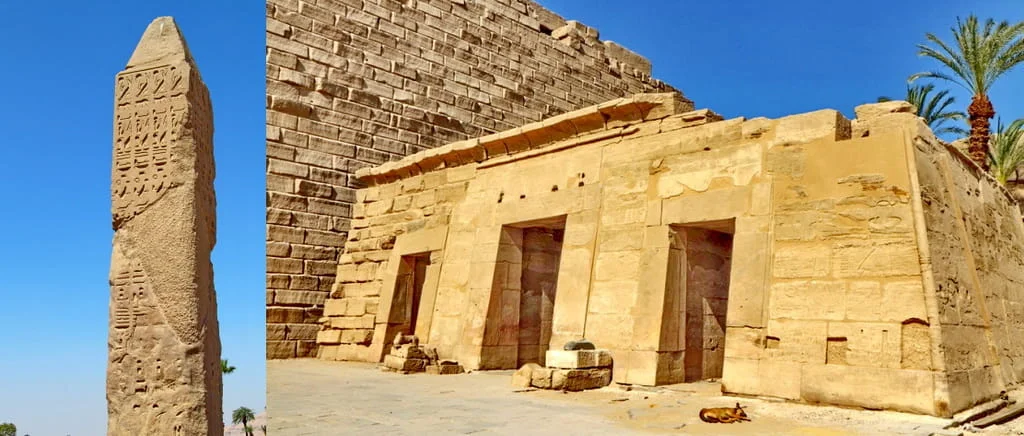
His most famous surviving monument sits inside the Great Temple of Amun-Ra at Karnak. Located right in the first courtyard, Seti II built a beautiful sandstone barque shrine. This shrine was a sacred way station for the holy boats used during grand religious festivals.

The shrine features three distinct chambers. Each chamber was dedicated to one member of the Theban Triad: Amun, Mut, and Khonsu. When you visit Karnak on a private tour today, this building stands out for its well-preserved walls. The inner reliefs show Seti II offering gifts to the gods, proving his divine right to rule.

King Seti II: Other Construction Marks Across Egypt

Beyond Thebes, the pharaoh left footprints at several key archaeological sites:

  • Hermopolis: He added to the local temple and erected a large limestone gateway.
  • Pi-Ramesses: In the delta capital, he built a court and decorated it with colossal statues.
  • The Sinai Mining Camps: At Serabit el-Khadim, inscriptions show he restarted copper and turquoise mining to rebuild the economy after the civil war.

These monuments served a major political purpose. They proved to his subjects that the rightful king was back in control, bringing wealth and stability back to Egypt.

The eye of Horus

Tomb KV15: The Final Resting Place of King Seti II in the Valley of the Kings

Tomb KV15 The Final Resting Place of King Seti II in the Valley of the Kings

Hidden deep within a rocky canyon on the West Bank of Luxor lies Tomb KV15, the final resting place of King Seti II. For modern travelers and history buffs, visiting this tomb is an absolute must. It offers a rare, physical look into the chaotic politics of the late 19th Dynasty.
The architecture of KV15 reflects the unstable nature of his reign. When Seti II died, his tomb was far from finished. Workers had to rush to paint and carve the final burial chamber before his body arrived.

King Seti II: The Art and Architecture of KV15

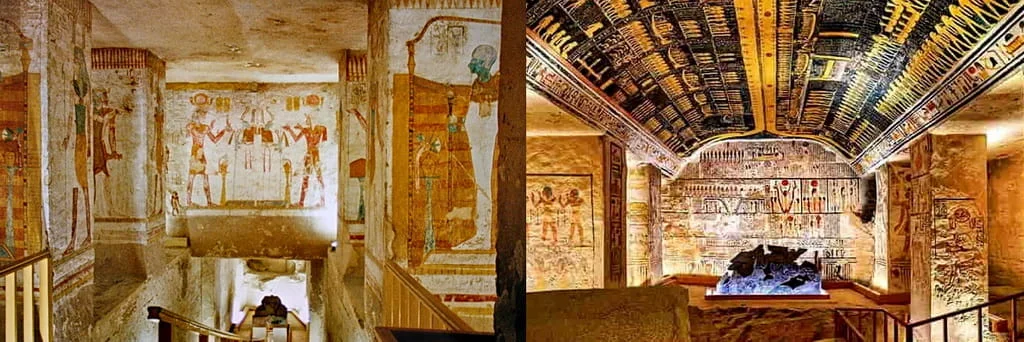
Unlike the winding, bent-axis tombs of earlier pharaohs, KV15 follows a straight-line design. It cuts over 290 feet deep straight into the limestone mountain.

When you step past the entrance on a private tour, you are greeted by beautiful, high-relief carvings. The artwork at the front is highly detailed. It shows the winged goddess Ma’at welcoming visitors with her arms open. As you walk deeper into the tomb, the artwork changes dramatically. The beautifully carved stone gives way to rushed, sketched drawings on plastered walls, showing just how fast the royal artists had to work to finish the job.

The Mystery of the Mummies: From KV15 to KV35

Seti II did not rest peacefully in KV15 for long. During the collapse of the New Kingdom, grave robbers broke into the tomb. They smashed the lid of his massive red sandstone sarcophagus to steal the gold amulets hidden within his linen wrappings.

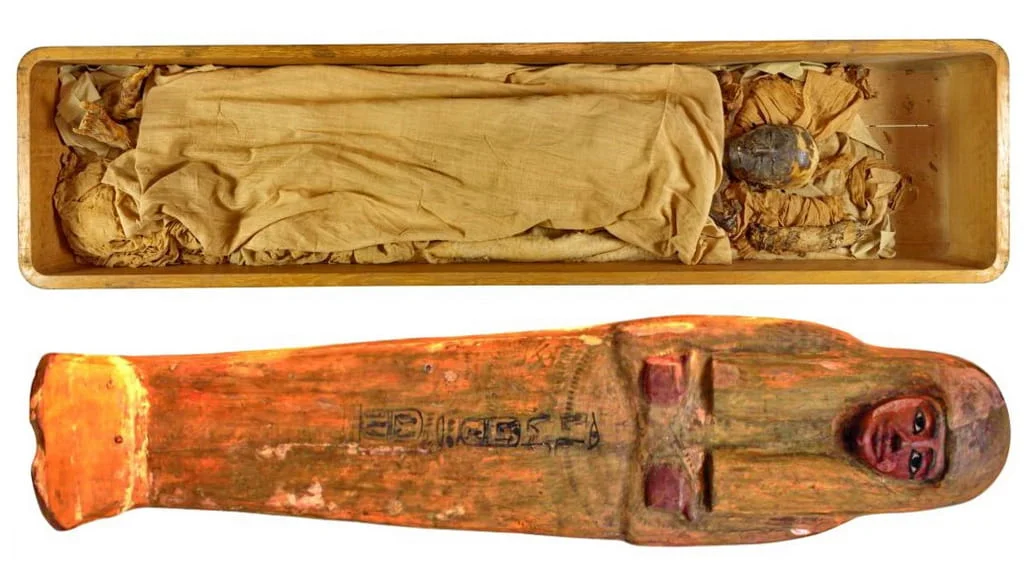
To save the royal bodies from destruction, heroic priests during the 21st Dynasty stepped in. They secretly moved the mummy of Seti II out of KV15. They hid his body inside a secret storage room in Tomb KV35 (the tomb of Amenhotep II). This hidden room became a mass grave for ancient kings. In 1898, archaeologist Victor Loret finally rediscovered this secret cache. Today, the well-preserved mummy of the resilient king rests safely in the National Museum of Egyptian Civilization (NMEC).

Divider

Queen Twosret and Chancellor Bay: The Shadows Behind the Throne

Queen Twosret and Chancellor Bay The Shadows Behind the Throne

The final years of Seti II were deeply influenced by two powerful figures who operated directly from the shadows of the royal court. These individuals would ultimately decide the fate of the 19th Dynasty after the pharaoh’s death.

Queen Twosret: The Great Royal Wife

His primary queen was Twosret. She was a woman of immense ambition and royal blood. During Seti II’s struggle against the usurper Amenmesse, Twosret stood firmly by his side, helping him consolidate power in the north.

When Seti II died, his heir, Siptah, was too young and frail to rule alone. Queen Twosret stepped into the spotlight, taking absolute control as regent. Eventually, she went a step further—she declared herself Pharaoh of Egypt, ruling as one of the very few independent female monarchs in ancient history.

Chancellor Bay: The Kingmaker

The second critical figure was a high-ranking official named Chancellor Bay. Remarkably, Bay was not Egyptian; he was a Syrian scribe who rose through the ranks of the royal bureaucracy. He became the closest advisor to Seti II, earning the rare privilege of constructing his own tomb in the Valley of the Kings (KV13), an honor usually reserved only for royalty.

After Seti II passed away, Bay used his immense political influence to act as a “kingmaker,” placing the young Siptah on the throne and ruling Egypt from behind the scenes.

The eye of Horus

King Seti II: The Resilient Protector of the Dynastic Line

King Seti II The Resilient Protector of the Dynastic Line

King Seti II ruled for only a brief six years, yet his impact on the late New Kingdom was profound. He inherited a house divided against itself, outlasted a dangerous civil war, and successfully reunited the Split Kingdoms of Upper and Lower Egypt.

Through his striking building projects at Karnak and his deep, rock-cut tomb in the Valley of the Kings, he proved that the pharaonic tradition could withstand internal chaos. While the 19th Dynasty would ultimately collapse shortly after his death, Seti II’s fierce resilience successfully preserved the line of the Ramesside pharaohs, ensuring their place in global history.

Experience the Legacy of King Seti II in Person

Experience the Legacy of King Seti II in Person

Reading about the incredible survival of Seti II is only the first step. To truly appreciate his impact, you must stand before his monuments.

On our Cairo and Luxor Private Tour, your expert Egyptologist will guide you through the beautiful three-chambered shrine at Karnak Temple. Then, you will cross the Nile to descend into the brightly colored corridors of Tomb KV15 in the Valley of the Kings. Let us handle the logistics in a premium, private vehicle while you immerse yourself in the living history of ancient Egypt.


Divider

What an amazing day!

I had a 12 hour layover on my way to Dar es Salaam and wanted to take full advantage of my time in Cairo. After researching for many hours, I came across Egypt Fun Tours and emailed for more information. I received a prompt reply with full details of several

More »

HANDS DOWN, the best cultural experience I’ve ever had

Thank you, Egypt Fun Tour, for a most memorable trip. I admit I didn’t do any of the planning (it was all done by my boyfriend), but as you can read in the reviews below, Hani (the owner of Egypt Fun Tours) is superbly organized and accommodating with scheduling. My

More »

Islamic cairo and khan el khalili- great tour

Wonderful tour with the guide Hamada. I did not feel rushed at all. He explained a lot of facts about the city, the mosque, the water storage room, and also brought me to no-hassle shops. He picked a great place to eat and have Turkish coffee and a cold lemon

More »
6 Days Elegence of Egypt Group Tour - Cairo and nile cruise affordable tour

Superbly organized

I can’t recommend them enough. I got into Cairo on a 12-hour layover at 2:00 AM. By 3:15 Hani and his driver were meeting me at the airport. For the next five hours we strolled through lovely downtown Cairo & over the Nile, wandered through (friendly, well-organized) Tahrir Square, toured

More »
God_Anubis_Icon

Top-rated Tour Packages

God_Anubis_Icon
WhatsApp
Email
Print